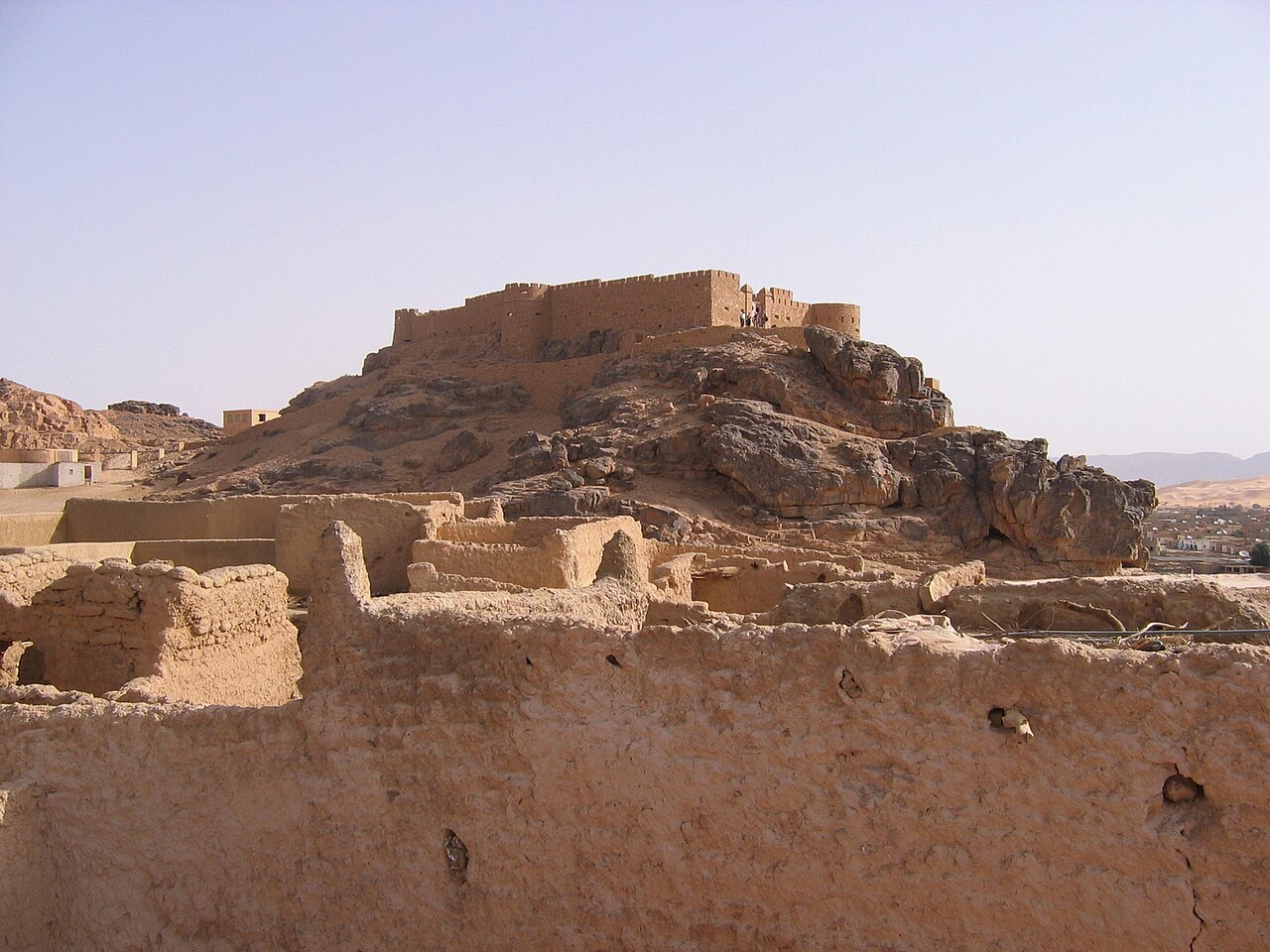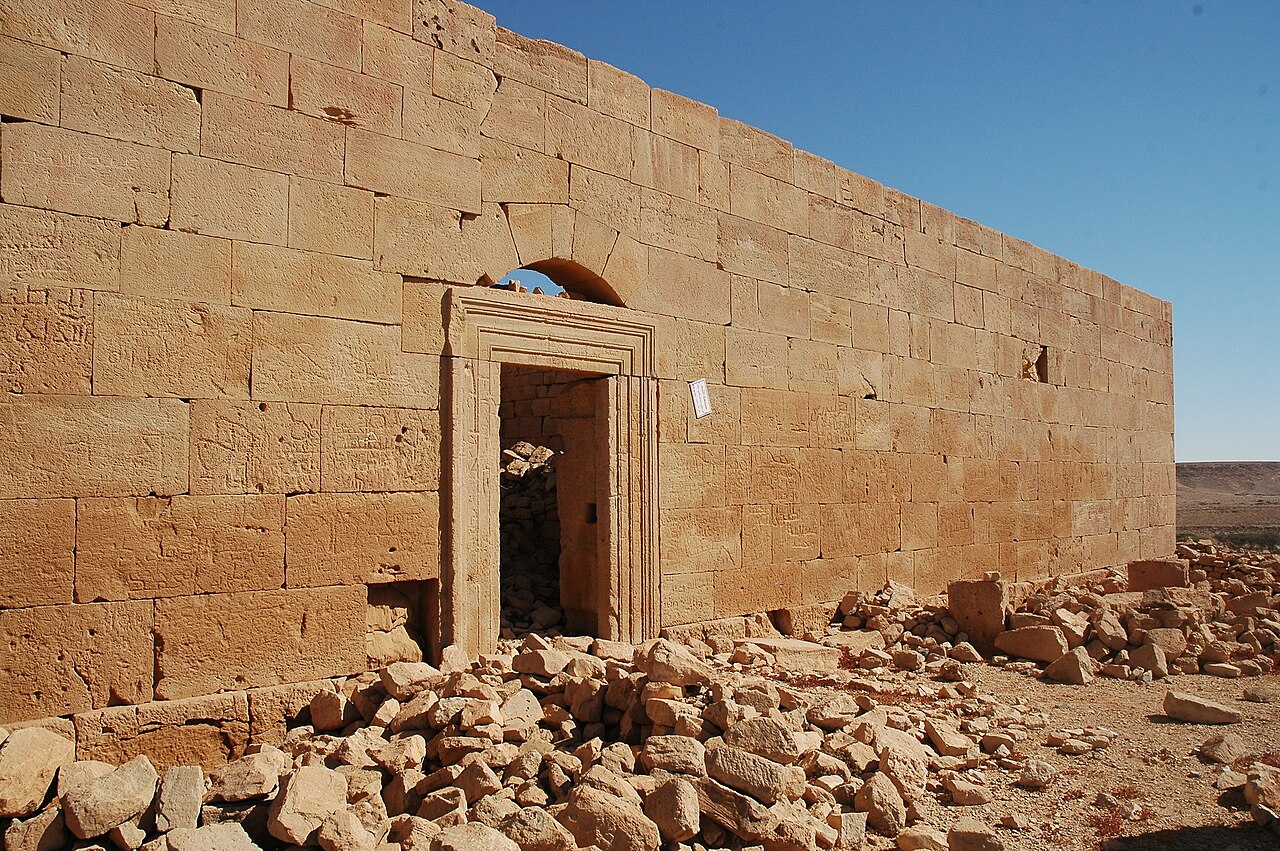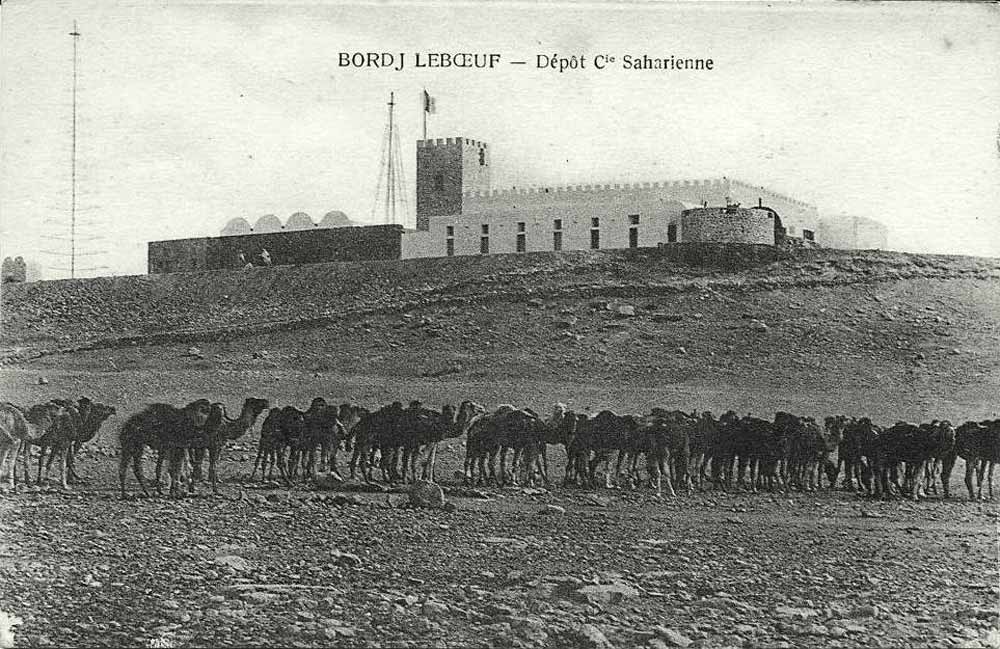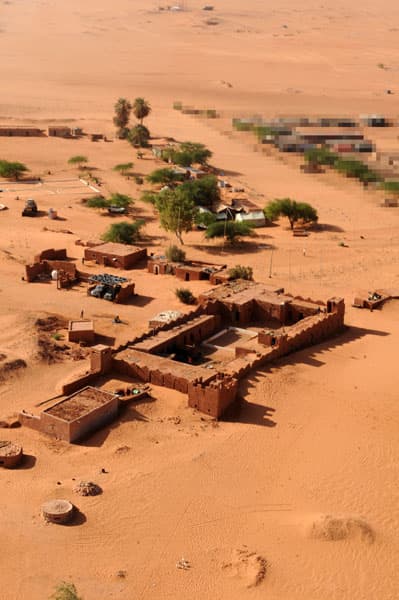
Madama fort is located at a strategic border settlement on the northeast frontier of Niger, near the border with Libya. Originally constructed in 1931 during the French colonial period, the fort served as a key military outpost controlling movement along this remote and harsh desert frontier. Its primary function was to monitor and regulate travel between Niger and Libya, reflecting the geopolitical concerns of the early 20th century in this region.
Historical context and construction
The fort was built by the French colonial administration as part of their efforts to secure and control their territories in West Africa. Constructed in the early 20th century, it is classified as a bastioned fortress, a style characterized by angular bastions designed to provide defensive fire coverage along the walls. This architectural approach was typical for military forts of the time, intended to withstand attacks and provide a strong defensive position in a remote desert environment.
Madama fort's establishment in 1931 came at a time when colonial powers were consolidating their holdings and establishing military outposts to assert control over vast and often sparsely populated regions. The fort's location was chosen for its strategic importance in monitoring cross-border movement and preventing incursions.
Architectural features and military significance
The fort's design incorporates bastions which allowed defenders to cover all approaches with overlapping fields of fire. The structure was likely built with thick walls and limited openings to resist artillery and small arms fire. Surrounding the fort is a perimeter of barbed wire and a field of landmines, underscoring its continued military role and the security concerns in the region.
While the fort itself is modest in size compared to larger colonial fortifications elsewhere, its isolated location and defensive features made it a vital point of control on Niger's northeastern frontier. The harsh desert environment further enhanced its defensive advantages, as supply and reinforcement routes were difficult for potential attackers.
Current status and accessibility
Today, Madama fort remains primarily a military installation rather than a tourist site. Its surroundings, including the extensive barbed wire and landmine fields, restrict civilian access and reflect ongoing security issues in the border area. The fort stands as a relic of colonial military architecture adapted to desert frontier conditions.
Visitors interested in the history of colonial military outposts in Africa will find Madama notable for its strategic location and the persistence of its defensive structures. However, due to security restrictions, access is generally limited and requires official permission.
Geopolitical importance of Madama
Madama's position on the frontier between Niger and Libya has made it a focal point for border control and military presence, especially given the regional instability in recent decades. The fort symbolizes the legacy of colonial-era border demarcations and the ongoing challenges faced by modern states in managing vast and remote borderlands.
Its continued use as a military post highlights the intersection of historical architecture and contemporary security needs in this part of the Sahara desert.
Frequently asked questions (FAQ)
- What is the historical significance of Madama Castle?
- Madama Castle is a prominent historical site in Niger, showcasing the region's rich cultural heritage. It was originally constructed in the 19th century and has served as both a fortress and a royal residence, reflecting the architectural styles and influences of the time.
- When was Madama Castle built?
- Madama Castle was built in the late 19th century, specifically during the period of significant political and social change in Niger. Its construction marked a pivotal moment in the region's history, symbolizing both power and protection for the local populace.
- Can I visit Madama Castle?
- Yes, visitors are welcome to explore Madama Castle and its surroundings. Guided tours are often available, allowing guests to learn about the castle's history and architecture while enjoying the scenic views.
- What are the opening hours for Madama Castle?
- Madama Castle is typically open to visitors from 9 AM to 5 PM, but hours may vary depending on the season or local holidays. It is advisable to check in advance for any special events or changes to the schedule before planning your visit.
- Is it possible to access Madama Castle by public transport?
- Yes, Madama Castle is accessible via public transport, with several bus routes and taxis serving the area. However, visitors may want to consider arranging private transportation for convenience and ease of access.
- What is the best time to visit Madama Castle?
- The best time to visit Madama Castle is during the cooler months, from November to February, when temperatures are more pleasant for outdoor exploration. This period also coincides with various local festivals and events, enhancing your experience.
- Are there any nearby attractions to visit while at Madama Castle?
- Yes, there are several nearby attractions, including local markets and cultural centers that offer a glimpse into Niger's vibrant traditions. Additionally, the beautiful landscapes surrounding the castle provide excellent opportunities for photography and hiking.
- What are the ticket prices for Madama Castle?
- Ticket prices for Madama Castle are generally affordable, with discounts available for students and children. Check the official website or local tourist information for the most current pricing and any special offers.
Photo gallery

Information
Loading map...
Visitor reviews
No reviews yet. Been here? Write the first review and help other travelers!
Write the first reviewVisited this castle? Share your experience
Your review helps other travelers and adds first-hand knowledge to our encyclopedia.