Machaerus
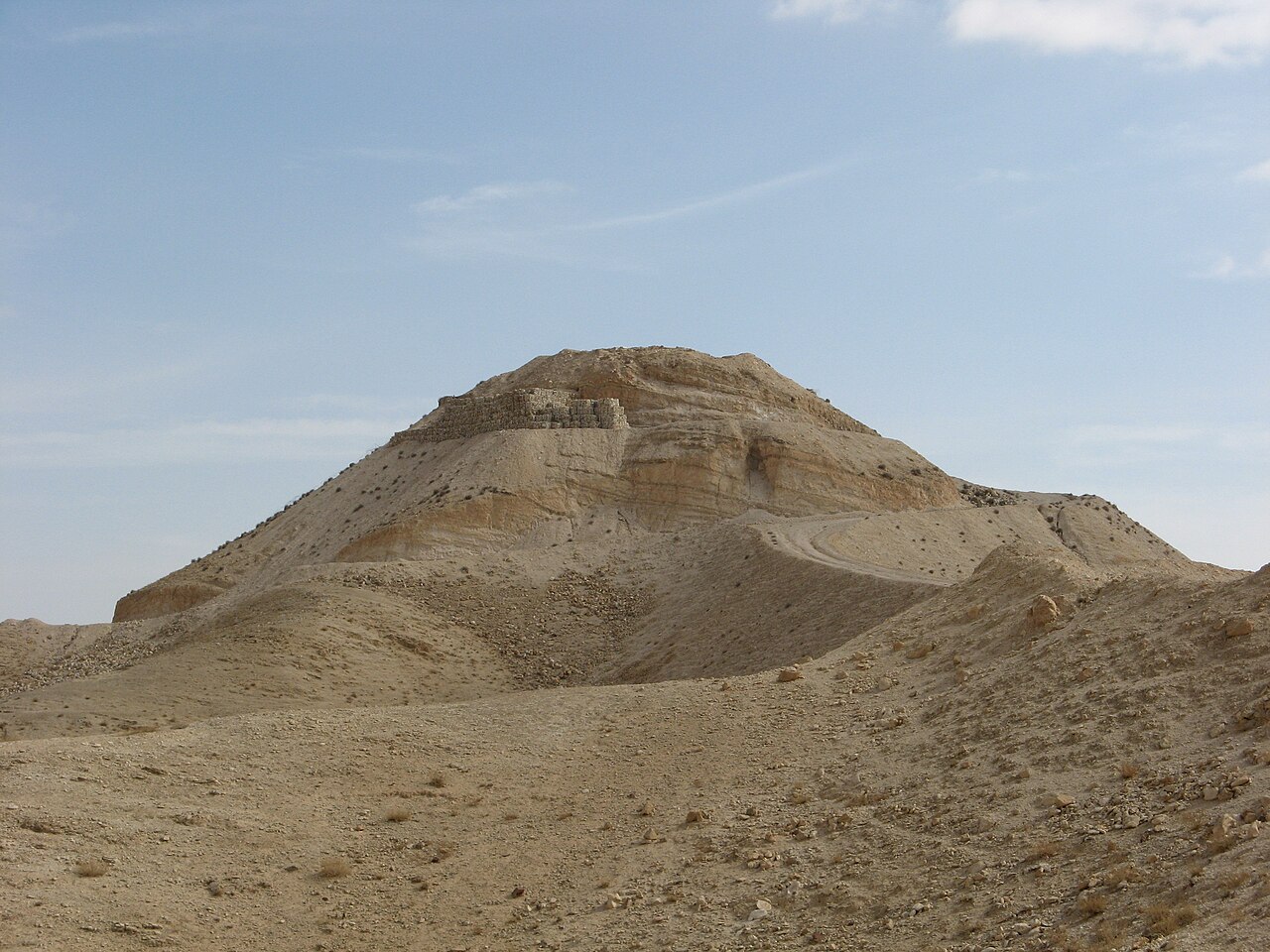
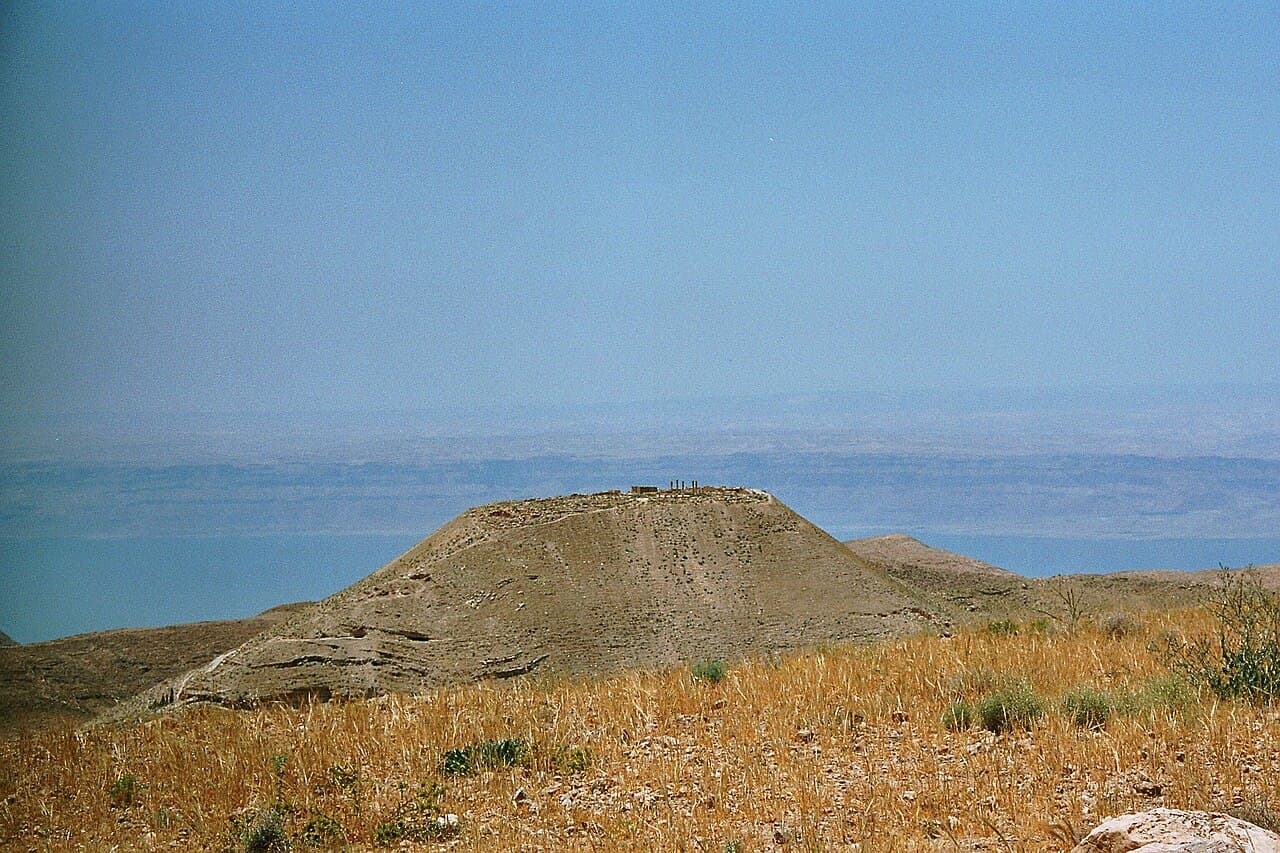
Machaerus (Greek: Μαχαιροῦς, meaning 'sword'; Arabic: قلعة مكاور, Qala'at Mukawir) is an ancient Hasmonean hilltop fortress located in modern-day Jordan, near the village of Mukawir. Perched approximately 25 km southeast of the mouth of the Jordan River and east of the Dead Sea, it occupies a commanding position atop a steep hill, offering strategic views over the surrounding desert landscape. This site is historically significant as the location of a fortified palace complex originally built in the 1st century BC and later expanded by the Herodian dynasty.
Historical background and construction
The fortress was initially constructed by Hasmonean king Alexander Jannaeus (r. 104–78 BCE) as part of his efforts to consolidate control over the region. Machaerus served both as a defensive stronghold and a royal residence. The fortress was destroyed in 57 BCE by the Roman general Gabinius during the conflict with Aristobulus II, a rival Hasmonean claimant to the throne.
Following its destruction, the fortress was rebuilt and significantly expanded by Herod the Great (r. 37–4 BCE), who envisioned it as a desert refuge and a luxurious palace. Herod's reconstruction included the addition of a palace complex with notable architectural features such as a peristyle courtyard, a triclinium (dining hall), cisterns for water storage, and a mikveh (ritual bath). These elements highlight the blend of military and residential functions at Machaerus, combining fortification with Hellenistic-style luxury.
Architectural features and layout
Machaerus is classified as a hill castle due to its elevated position on a steep, rocky hilltop. The fortress was heavily fortified with thick walls and defensive towers designed to withstand sieges. The layout includes a central palace area surrounded by defensive walls and auxiliary buildings. The presence of water cisterns was essential for sustaining inhabitants during prolonged sieges, given the arid environment.
The architectural style reflects a mixture of Hasmonean and Herodian influences, with elements of Hellenistic design evident in the palace's peristyle and triclinium. The fortress's construction utilized local stone and was adapted to the rugged terrain, emphasizing both defense and comfort.
Historical significance and biblical associations
Machaerus is notably linked to several key historical and biblical figures. According to the Jewish-Roman historian Flavius Josephus, the fortress was the site of the imprisonment and execution of John the Baptist. This event is corroborated by the New Testament (Mark 6:24; Matthew 14:8), which places the execution around 32 CE, shortly before the Passover, following a two-year imprisonment.
The fortress also features prominently in the narratives involving Herod the Great, his son Herod Antipas (Tetrarch of Galilee and Perea), Herodias (Herod Antipas's second wife), and her daughter Salome. These figures are central to the biblical accounts surrounding John the Baptist's fate.
During the First Jewish–Roman War (66–73 CE), Machaerus became a stronghold for Jewish rebels resisting Roman control. It was besieged and captured in 71 CE by the Roman Legio X Fretensis under the command of Bassus. The defenders, led by Eleazar, surrendered after a prolonged siege. Despite promises of leniency, the Romans executed the men and enslaved women and children, demonstrating the brutal suppression of the revolt.
Archaeological investigations and current condition
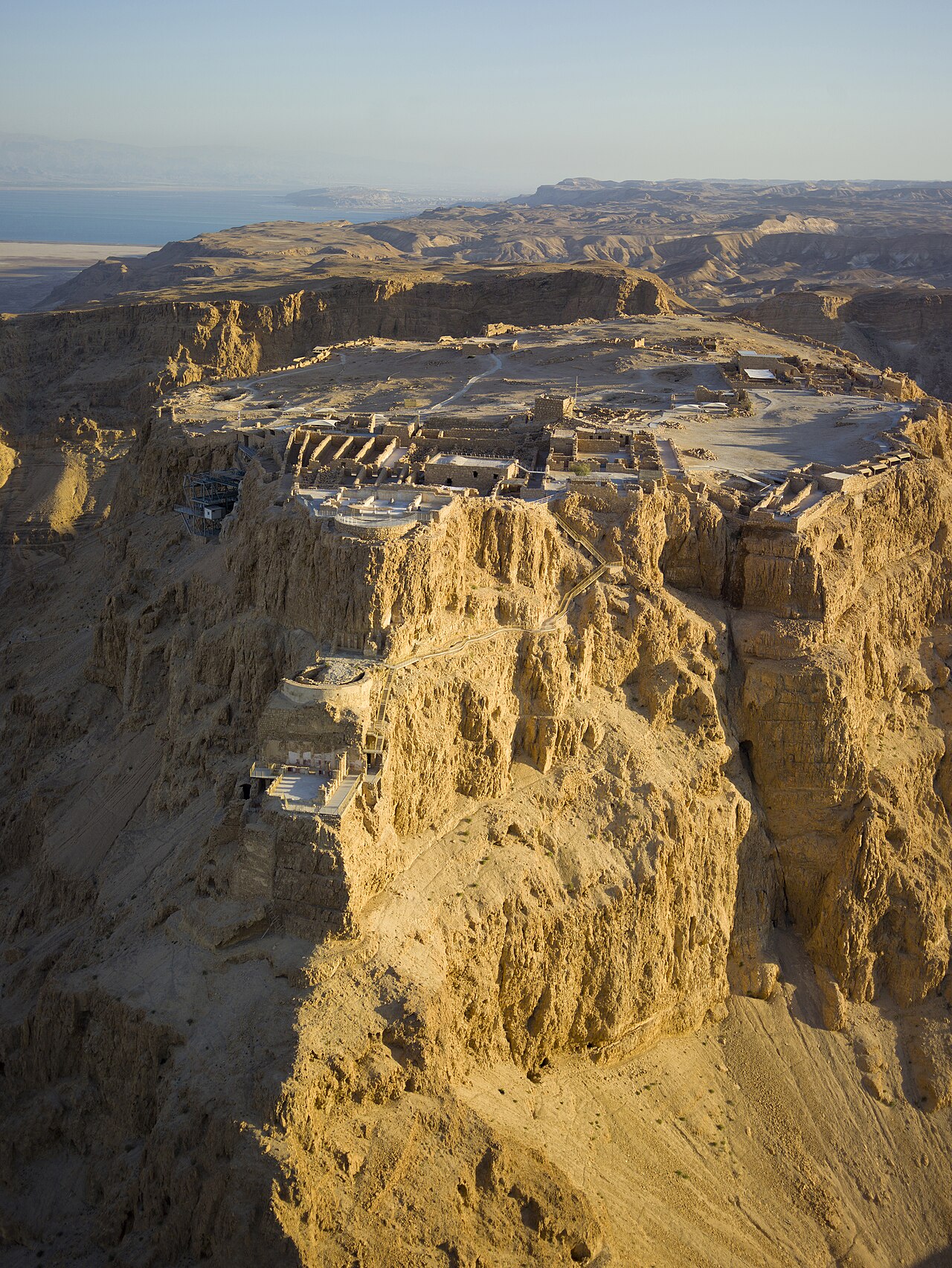
Today, Machaerus stands as archaeological ruins, with extensive excavations revealing the fortress's layout and architectural details. The remains include portions of the defensive walls, palace foundations, cisterns, and ritual baths. These ruins provide valuable insights into Herodian architecture and the military strategies of the period.
The site is part of Jordan's rich cultural heritage and attracts scholars and visitors interested in biblical history, Roman-era fortifications, and ancient Near Eastern archaeology. The rugged terrain and remote location contribute to the fortress's preservation, though only partial structures remain intact.
Visiting machaerus today
Visitors to Machaerus can explore the ruins and enjoy panoramic views of the Dead Sea and surrounding desert. The site is accessible by road from nearby towns in Jordan and offers a tangible connection to the region's complex history spanning the Hasmonean dynasty, Herodian rule, and Roman occupation.
Interpretive signage and guided tours help contextualize the fortress's significance, highlighting its architectural features and historical narratives. The combination of military, residential, and religious elements makes Machaerus a unique example of a multifunctional ancient fortress.
Frequently asked questions (FAQ)
- How do I get to Machaerus from Amman?
- To reach Machaerus from Amman, you can take a bus or hire a taxi for a more direct route. The journey typically takes about an hour and a half by car. It's advisable to check local transport schedules for the most convenient options.
- What is the historical significance of Machaerus?
- Machaerus is an ancient fortress that played a crucial role in the history of the region, known for its association with the biblical figure John the Baptist. It was an important stronghold during the Hasmonean and Roman periods and offers insights into the political and military strategies of its time.
- When was Machaerus built?
- Machaerus was originally constructed in the late 2nd century BCE by the Hasmoneans. The fortress has been reconstructed several times throughout its history, especially during the rule of Herod the Great, who expanded its fortifications.
- Can I access Machaerus with limited mobility?
- While Machaerus is an archaeological site with uneven terrain, some areas may be accessible for those with limited mobility. It is recommended to contact the site in advance to inquire about specific accessibility options and assistance available.
- Why is Machaerus a popular tourist destination?
- Machaerus is popular among tourists due to its rich history, stunning views of the surrounding landscape, and archaeological significance. Visitors are often drawn to its connection to biblical history and its impressive ruins that tell the story of ancient civilizations.
- Is it possible to take guided tours at Machaerus?
- Yes, guided tours are available at Machaerus, and they provide an excellent way to learn about the site's history and architecture. It's advisable to book a tour in advance, especially during peak tourist seasons, to ensure availability.
- What are the opening hours for Machaerus?
- Machaerus is typically open to visitors from 8:00 AM to 6:00 PM, but hours may vary seasonally. It's best to check the official site or local tourism information before planning your visit.
- What are the ticket prices for Machaerus?
- The entrance fees for Machaerus are generally affordable, with discounts available for students and children. Prices may vary, so it's a good idea to check ahead for the latest information before your visit.
- When is the best time to visit Machaerus?
- The best time to visit Machaerus is during the spring and fall months when the weather is mild and pleasant. Summer can be quite hot, while winter may bring cooler temperatures, so plan accordingly for a comfortable visit.
- Are there any nearby attractions to Machaerus?
- Yes, nearby attractions include the Dead Sea, where visitors can experience its unique buoyancy and therapeutic qualities. Additionally, the ancient city of Jerash and Mount Nebo are also within a reasonable distance and make excellent day trips from Machaerus.
Photo gallery

Public domain
Information
Loading map...
Visitor reviews
No reviews yet. Been here? Write the first review and help other travelers!
Write the first reviewVisited this castle? Share your experience
Your review helps other travelers and adds first-hand knowledge to our encyclopedia.