Lyckå Castle Ruins
Lyckå Castle, also known as Lyckeby Castle, is a significant historical site located in Lyckeby, Sweden. Constructed between 1545 and 1560 under the directive of King Kristian III of Denmark, the castle was built to replace a smaller manor and served a strategic military purpose during a turbulent period marked by peasant rebellions and regional conflicts.
Historical context and construction
The castle was erected in the midst of the Renaissance period, reflecting the military and architectural needs of the time. Its construction was motivated by the need to assert Danish control over the region and to defend against uprisings by rebellious peasants. The site was strategically chosen to oversee the surrounding landscape and to serve as a defensive stronghold.
Lyckå Castle replaced an earlier, smaller castle manor, indicating the growing importance of the location in the mid-16th century. The castle's construction involved robust stone masonry typical of Renaissance military architecture, designed to withstand sieges and artillery attacks.
Military significance and conflicts
Lyckå played a role in the ongoing conflicts between Denmark and Sweden during the 16th century. Notably, battles occurred in the vicinity in 1507 and again in 1564, reflecting the contested nature of the borderlands between the two kingdoms. The castle served as a military base and defensive position during these conflicts.
Despite its fortifications, Lyckå Castle's strategic importance diminished towards the end of the 16th century. In 1600, the castle was demolished following the loss of city privileges by Lyckå in favor of the newly established town of Kristianopel.
Demolition and reuse of materials
The demolition of Lyckå Castle was ordered by King Kristian IV of Denmark. The stones from the castle were repurposed for the construction of new fortifications in Kristianopel, a town founded to serve as a more modern and strategically placed defensive site. This reuse of materials was a common practice in the period, reflecting both practical and economic considerations.
Architectural remains and current condition
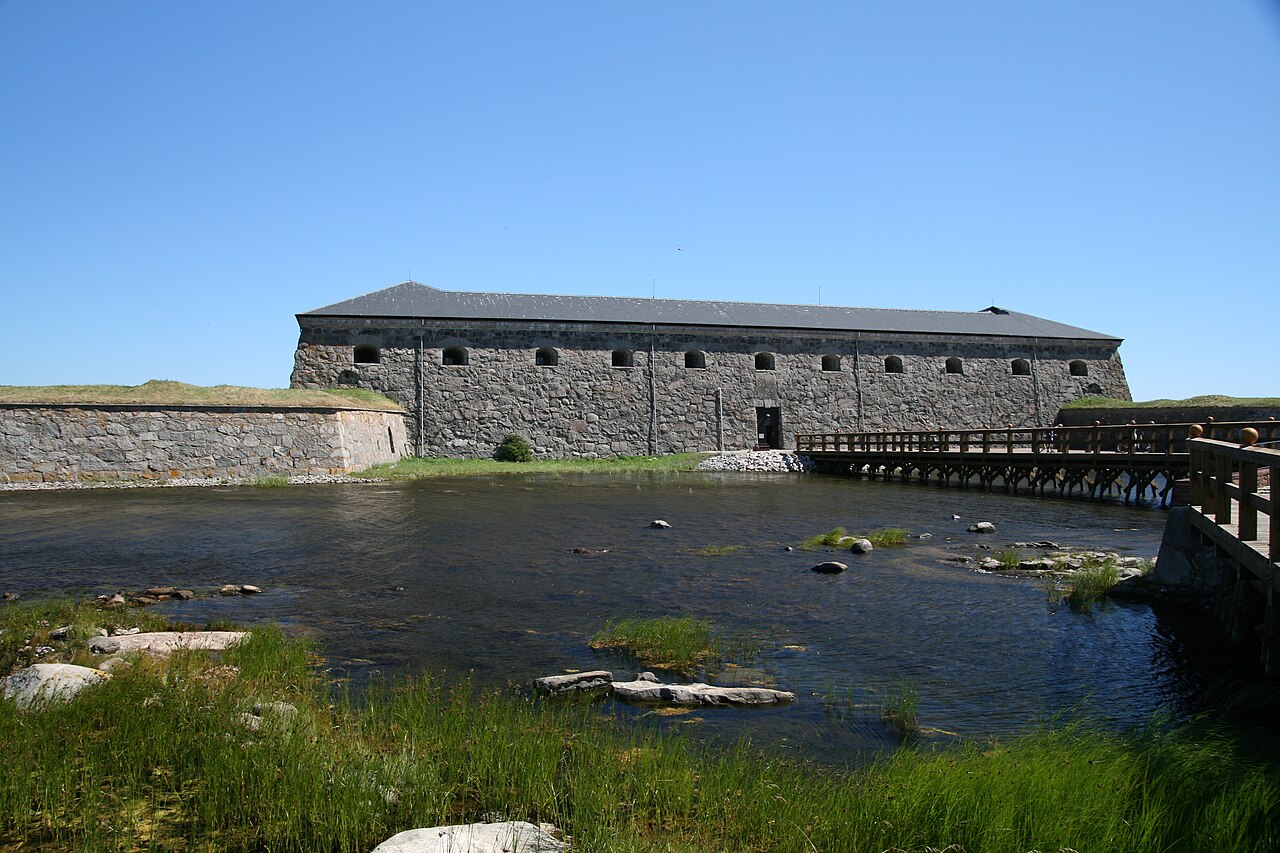
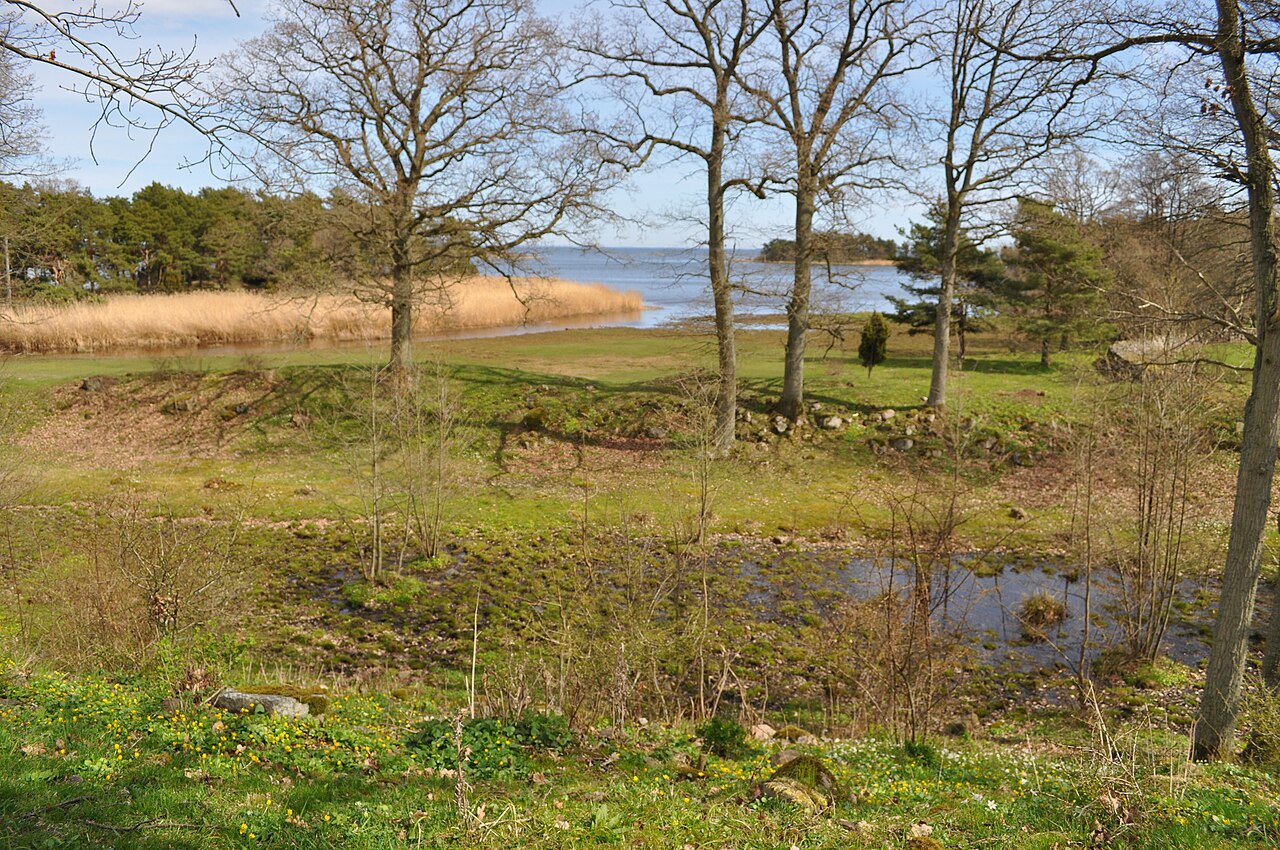
Today, only the foundations of the castle and two corner towers remain visible. These ruins provide valuable insight into the castle's original layout and defensive features. The surviving structures illustrate the typical Renaissance military architecture, characterized by thick stone walls and strategically placed towers designed for defense and surveillance.
The site is classified as ruins, with partial remains that allow visitors and historians to appreciate the castle's historical significance and architectural style. The layout suggests a compact fortress designed to control the surrounding area and to serve as a deterrent against rebellion and invasion.
Legacy and cultural significance
Lyckå Castle ruins stand as a testament to the complex history of the Danish-Swedish border region during the Renaissance. The castle's construction, military use, and subsequent demolition reflect the shifting political and military strategies of the time. Its remains contribute to the cultural heritage of Blekinge County and offer a tangible connection to the region's past.
Visitors to the site can explore the ruins and gain an understanding of the castle's role in regional defense and governance. The castle's history also highlights the broader historical context of Scandinavian power struggles and the evolution of military architecture in the 16th century.
Frequently asked questions (FAQ)
- When was Lyckå Castle built and by whom?
- Lyckå Castle was constructed between 1545 and 1560 by order of King Kristian III of Denmark to replace a smaller manor and serve military purposes.
- What remains of Lyckå Castle can visitors see today?
- Today, visitors can see the foundations of the castle and two corner towers, which are the main surviving structures of the original fortress.
- Why was Lyckå Castle demolished?
- The castle was demolished in 1600 after Lyckå lost its city privileges to Kristianopel, and its stones were reused for building fortifications in Kristianopel by order of King Kristian IV of Denmark.
- What role did Lyckå Castle play in regional conflicts?
- Lyckå Castle was involved in battles between Denmark and Sweden in 1507 and 1564, serving as a defensive stronghold during these conflicts.
- Is Lyckå Castle accessible to the public?
- The ruins of Lyckå Castle are accessible to the public, allowing visitors to explore the foundations and towers, though there are no formal facilities or ticketed entry.
Information
Loading map...
Visitor reviews
No reviews yet. Been here? Write the first review and help other travelers!
Write the first reviewVisited this castle? Share your experience
Your review helps other travelers and adds first-hand knowledge to our encyclopedia.