Drottningskär Citadel
Drottningskär Citadel is a remarkable example of a 17th-century bastioned fortress located on the island of Aspö in the Blekinge archipelago of Sweden. Constructed during the Renaissance period, this fortress was strategically designed to defend the coastal areas and naval installations against enemy attacks, particularly during times of conflict with Denmark and other powers in the Baltic region.
Historical context and strategic importance
Built in the mid-1600s, Drottningskär Citadel was part of Sweden's broader efforts to fortify its southern coastline following the Treaty of Roskilde in 1658, which transferred the province of Blekinge from Danish to Swedish control. The fortress played a crucial role in protecting the naval base at Karlskrona, which was established as Sweden's principal naval base and shipyard. Its location on Aspö island allowed it to guard the entrance to the harbor and control maritime traffic in the surrounding waters.
Architectural design and features
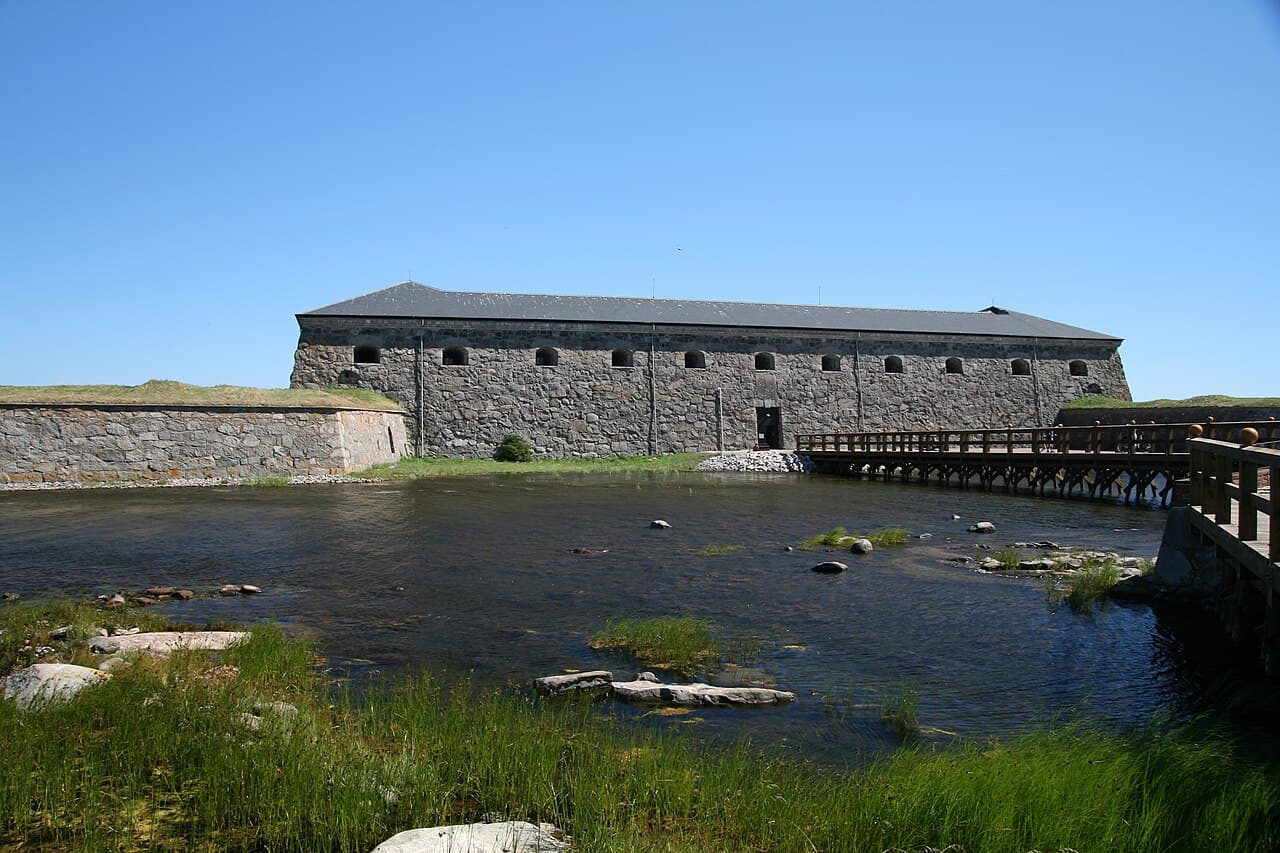
The citadel is a classic bastioned fortress, reflecting the military architectural principles of the Renaissance era, characterized by angular bastions designed to provide overlapping fields of fire and eliminate blind spots. The fortress is built with thick stone walls and features four bastions at its corners, connected by curtain walls forming a roughly square layout.
The bastions are equipped with embrasures for cannons, allowing defenders to cover all approaches effectively. Inside the walls, there is a central courtyard surrounded by various buildings, including barracks, storage facilities, and command quarters. The fortress also includes a well and cisterns to ensure a water supply during sieges.
Defensive structures
The fortress is surrounded by a dry moat, adding an extra layer of defense against attackers. The main gate is fortified and designed to withstand assaults, with a drawbridge that could be raised to prevent enemy entry. The low profile of the walls and bastions was intended to minimize damage from cannon fire, a significant advancement over medieval castle designs.
Role in military history
Throughout its active use, Drottningskär Citadel served as a key defensive point during various conflicts, including the wars between Sweden and Denmark in the late 17th and early 18th centuries. Although it never faced a major siege, its presence was a deterrent to enemy naval forces attempting to penetrate the Karlskrona naval base.
With the advancement of military technology and changes in warfare, the fortress's military significance declined in the 19th century. However, it remained maintained as a historical military site.
Preservation and current status
Today, Drottningskär Citadel is well preserved and managed as a cultural heritage site. It is open to the public, allowing visitors to explore its bastions, walls, and internal buildings. The site offers insights into Renaissance military architecture and Sweden's naval history. Guided tours and exhibitions provide detailed information about its construction, use, and historical context.
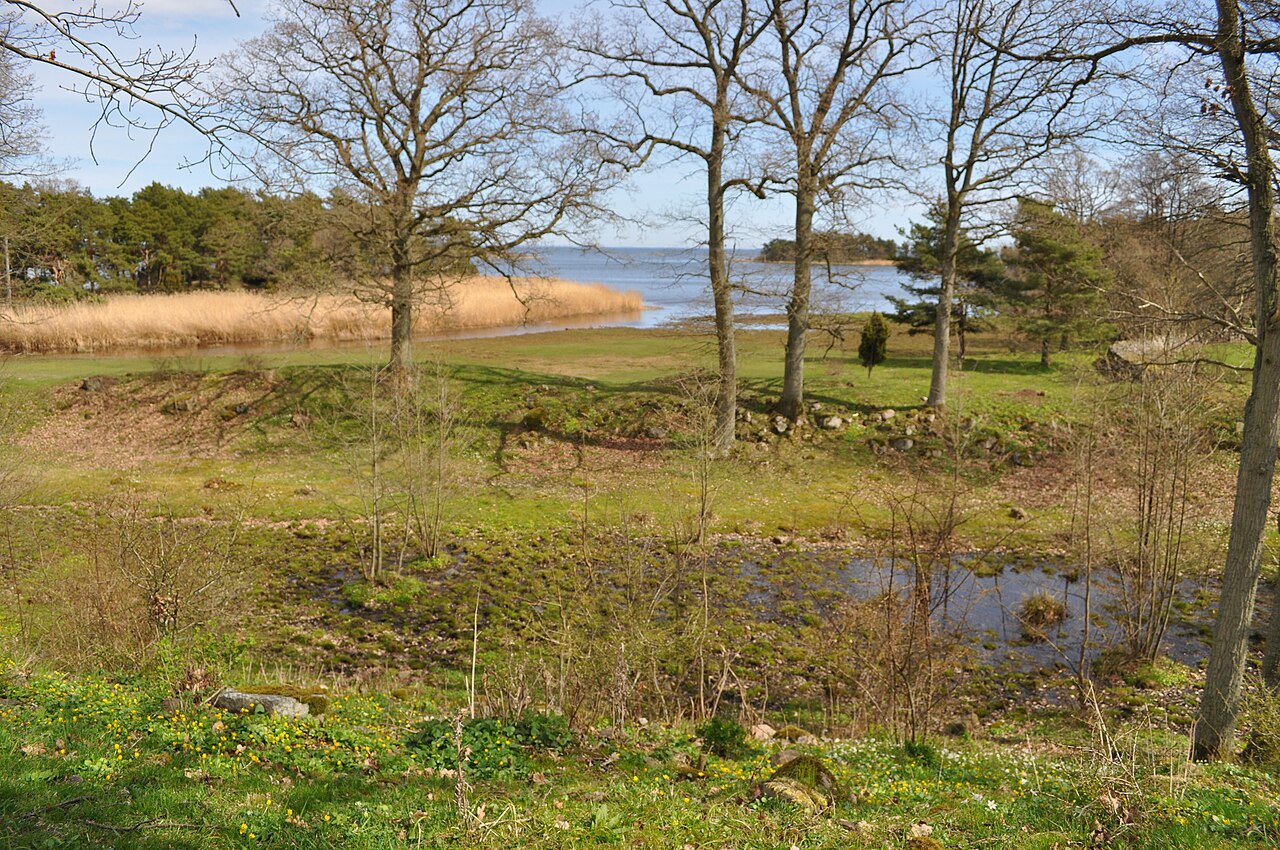
The fortress's location in the scenic Blekinge archipelago makes it a popular destination for tourists interested in history, architecture, and coastal landscapes.
Frequently asked questions (FAQ)
- What is Drottningskär Citadel?
- Drottningskär Citadel is a 17th-century bastioned fortress on Aspö island near Karlskrona, Sweden, built to protect the naval base.
- When was Drottningskär Citadel built?
- The citadel was constructed in the 17th century, during the Renaissance period, as part of Sweden's coastal defenses.
- Can I visit Drottningskär Citadel?
- Yes, the fortress is well preserved and open to the public, offering guided tours and exhibitions about its history and architecture.
- What architectural style is Drottningskär Citadel?
- It exemplifies Renaissance military architecture with bastioned walls, angled bastions, and a dry moat for defense.
- Why was Drottningskär Citadel built?
- It was built to defend the naval base at Karlskrona and control maritime traffic in the Baltic Sea after Sweden gained Blekinge from Denmark.
Photo gallery

Photo by Magnus Bäck•Public domain
Information
Address
Aspö island, Karlskrona, Blekinge, Sweden
Loading map...
Visitor reviews
No reviews yet. Been here? Write the first review and help other travelers!
Write the first reviewVisited this castle? Share your experience
Your review helps other travelers and adds first-hand knowledge to our encyclopedia.