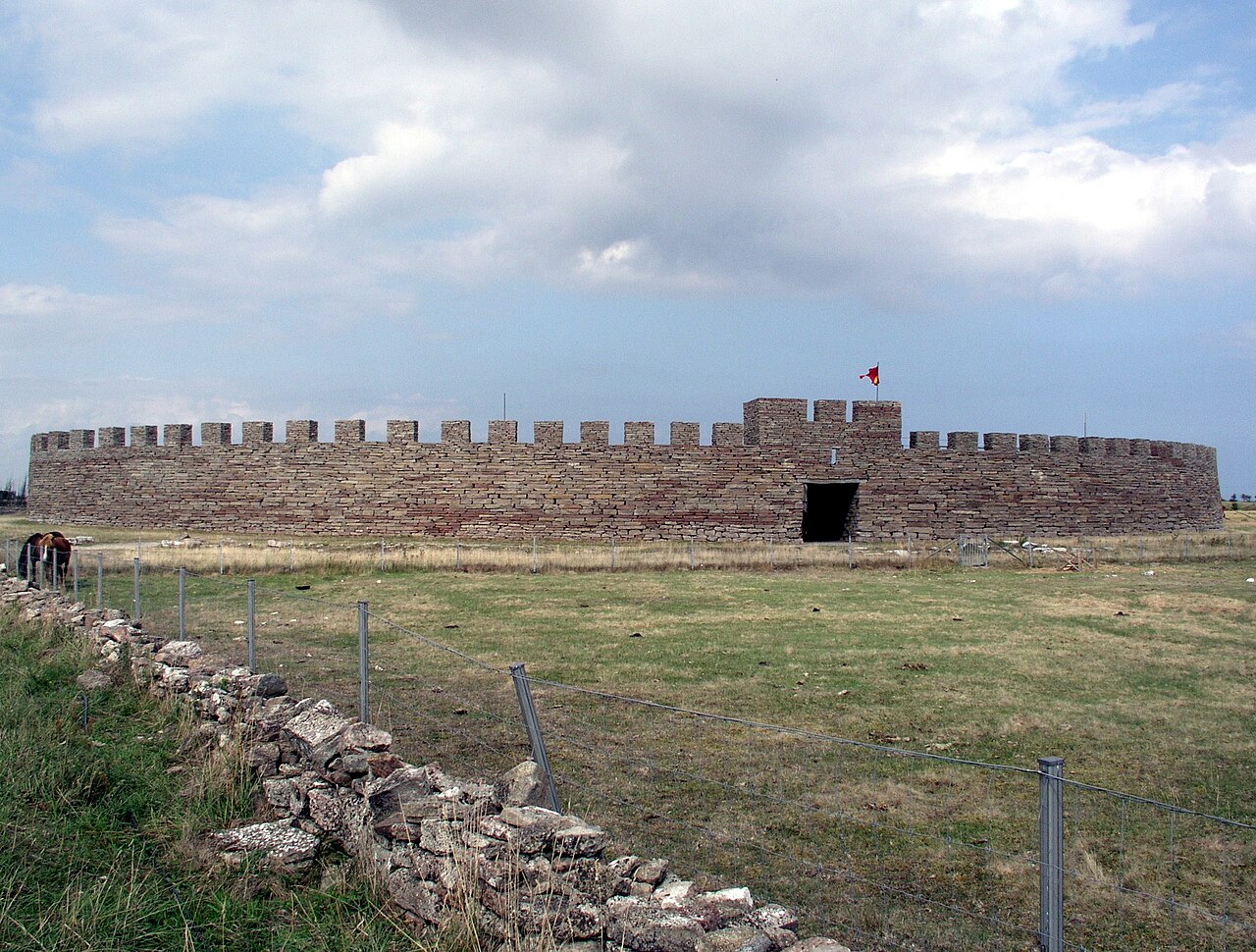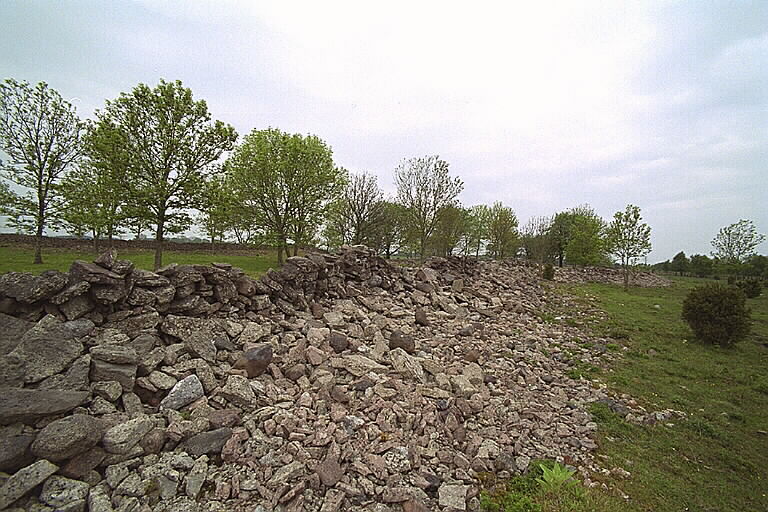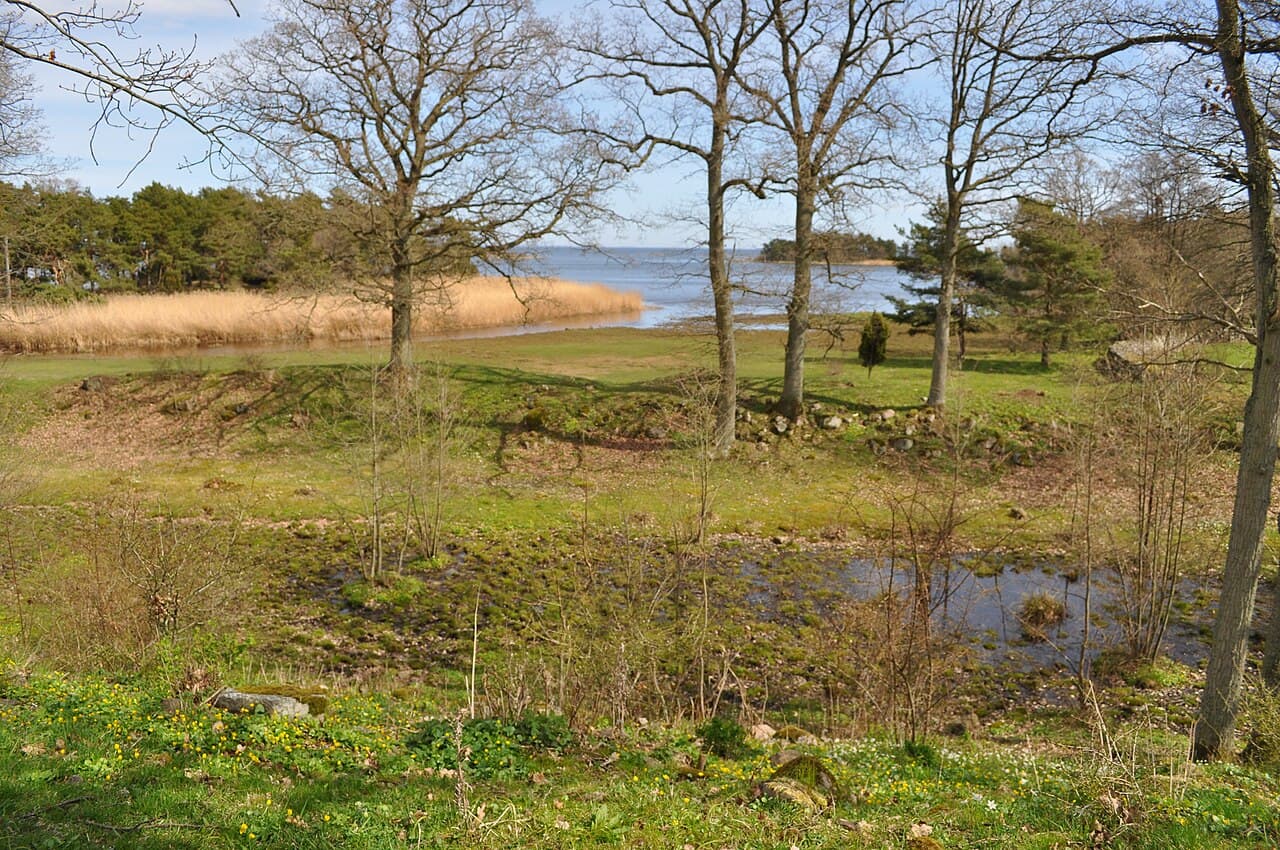
Brömsehus Castle is a historic site located in southern Sweden, known today primarily for its archaeological ruins. The castle's remains provide valuable insight into medieval fortification architecture and the turbulent history of the region. Although much of the original structure has not survived intact, the ruins at Brömsehus reveal its former importance as a defensive stronghold and noble residence.
The castle was originally constructed during the medieval period, with its earliest mentions dating back to the 14th century. It was strategically positioned to control local trade routes and assert the dominance of its noble owners in the region. Over time, Brömsehus underwent several phases of construction and modification, adapting to changing military technologies and political circumstances.
Historical context and significance
Brömsehus played a significant role in the regional conflicts that shaped southern Sweden during the Middle Ages. The castle was owned by various noble families, who used it both as a residence and a military base. Its location made it a key point of defense against rival factions and invaders, particularly during the frequent wars and skirmishes that characterized the era.
Throughout its history, Brömsehus faced sieges and attacks that contributed to its eventual decline. By the early modern period, the castle had lost much of its strategic value and fell into disrepair. Today, it stands as a reminder of the medieval feudal system and the complex history of Swedish nobility.
Architectural features and layout
The surviving ruins of Brömsehus reveal typical characteristics of medieval castle construction in Scandinavia. The castle was originally built with stone walls and defensive towers designed to withstand assaults. Although only fragments remain, archaeological studies have identified the foundations of a keep or donjon, curtain walls, and remnants of a gatehouse.
The layout likely included a central courtyard surrounded by defensive structures, with living quarters and storage facilities integrated within the walls. The castle's design reflects a balance between residential comfort and military defense, common in castles of its period.
Defensive elements
Key defensive features included thick stone walls and a moat or ditch, which would have hindered enemy advances. The towers provided vantage points for surveillance and archery. The gatehouse controlled access to the castle, often fortified with heavy doors and possibly a drawbridge.
Archaeological investigations and preservation
Modern archaeological efforts at Brömsehus have focused on uncovering the castle's layout and understanding its historical phases. Excavations have revealed artifacts such as pottery, weapon fragments, and tools, which help reconstruct the daily life of its inhabitants.
Preservation of the ruins is managed to protect the site from further degradation while allowing public access. Interpretive signage and guided tours help visitors appreciate the castle's historical context and architectural significance.
Visiting brömsehus today
Visitors to Brömsehus can explore the ruins and surrounding landscape, which offers a glimpse into medieval Swedish history. The site is accessible year-round, though facilities are limited due to its status as an archaeological site.
While there are no extensive visitor centers, the castle's remains provide a compelling destination for those interested in medieval architecture, archaeology, and Scandinavian history.
Frequently asked questions (FAQ)
- What is the historical significance of Brömsehus?
- Brömsehus is a medieval castle located in Sweden, dating back to the 13th century. It played a crucial role in the regional power dynamics during the Middle Ages and serves as a prime example of medieval fortification in Scandinavia.
- When was Brömsehus built?
- Brömsehus was constructed in the early 13th century, with its foundation believed to have been laid around 1260. The castle has undergone various renovations and restorations throughout its history, reflecting different architectural styles.
- What are the opening hours for Brömsehus?
- Brömsehus is typically open to visitors from May to September, with specific hours varying by day. It is advisable to check the official website for the most current hours before planning your visit.
- Can I visit Brömsehus year-round?
- While Brömsehus is primarily open during the summer months, it is possible to visit the site outside of this period for special events or guided tours. However, many facilities may be limited or closed during the off-season.
- Is Brömsehus accessible for visitors with disabilities?
- Brömsehus strives to be accessible for all visitors, with certain pathways and areas designed to accommodate those with mobility challenges. It’s recommended to contact the castle ahead of your visit to confirm specific accessibility options.
- What are the ticket prices for entering Brömsehus?
- Ticket prices for Brömsehus are generally affordable, with discounts available for children, students, and seniors. Group rates may also apply, so it’s best to check the official website for detailed pricing information.
- When is the best time to visit Brömsehus?
- The best time to visit Brömsehus is during the summer months, from June to August, when the weather is pleasant and most events and activities take place. Spring and early autumn can also be lovely, offering fewer crowds and beautiful scenery.
- What nearby attractions can I explore while visiting Brömsehus?
- While visiting Brömsehus, you can explore other historical sites such as the nearby church and the scenic landscape of the surrounding area. Additionally, local museums and nature trails provide a wonderful way to enrich your visit.
Photo gallery

Information
Loading map...
Visitor reviews
No reviews yet. Been here? Write the first review and help other travelers!
Write the first reviewVisited this castle? Share your experience
Your review helps other travelers and adds first-hand knowledge to our encyclopedia.