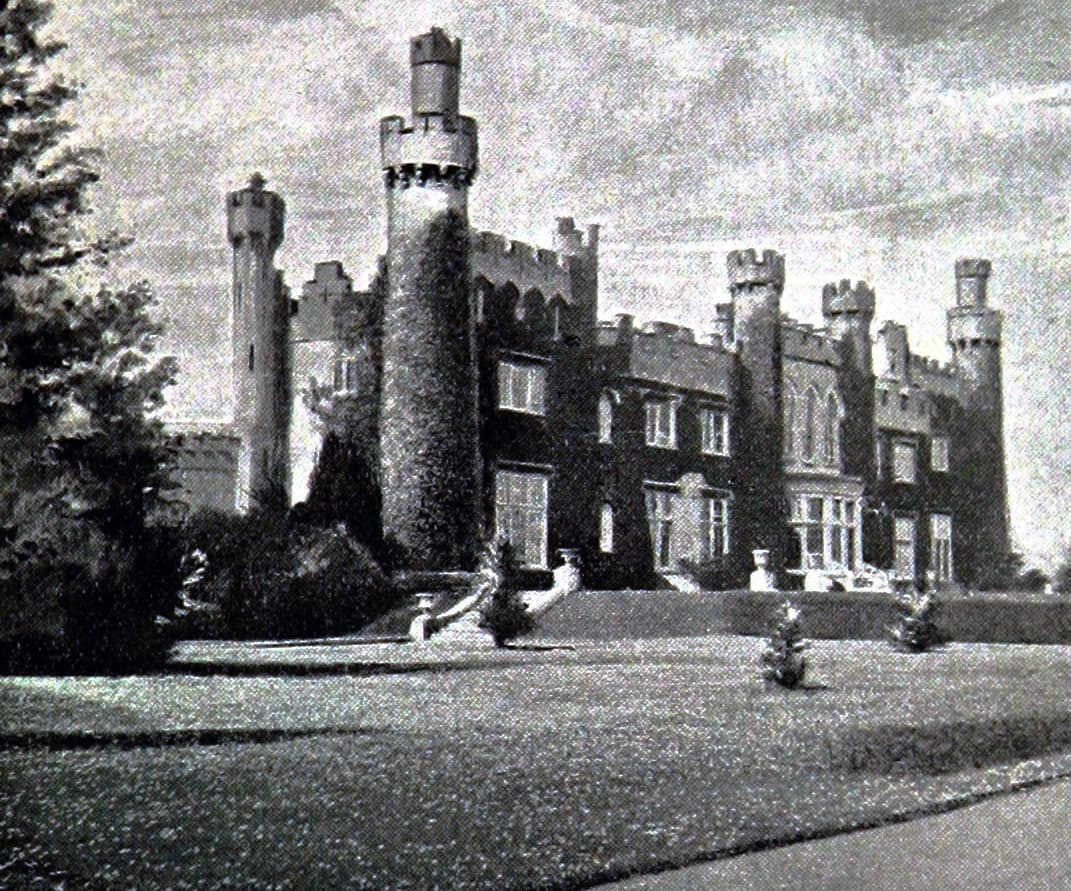
Luttrellstown Castle — Ireland castle

Luttrellstown Castle

Luttrellstown Castle in Clonsilla, Ireland
Clonsilla, Ireland
Late Medieval (14th–15th c.)
Well Preserved

Luttrellstown Castle is a prominent castellated house located in Clonsilla, on the outskirts of Dublin, Ireland. Dating from the early 15th century (circa 1420), it stands as an example of a late medieval hill castle with significant architectural and historical value. The castle's strategic position on elevated ground provided defensive advantages typical of hill castles of the period, combining fortification with residential comfort.

Architectural features and construction

The castle's original structure reflects the late medieval style with characteristic castellations and defensive elements such as battlemented walls and towers. Over the centuries, Luttrellstown Castle has undergone various modifications and expansions, blending medieval fortification with later architectural influences. The core of the castle includes a keep and curtain walls, which were designed for defense but also adapted for domestic use as the need for military defense decreased.

The castle's layout features a central courtyard surrounded by robust walls and towers, providing a secure and private space. The gatehouse is a notable feature, historically serving as the main point of entry and defense. Inside, the castle contains large halls and chambers that were used for both living quarters and administrative functions.

Historical ownership and significance

Originally owned by the Luttrell family, who were notable and sometimes notorious figures in Irish history, the castle has changed hands multiple times. Ownership passed to Luke White, a prominent bookseller and entrepreneur, whose descendants were ennobled as Baron Annaly. The estate later came into the possession of the Guinness family, renowned for their brewing empire, adding to the castle's social prominence.

In recent decades, the castle was acquired by the Primwest Group before being sold in 2006 to a consortium including JP McManus, John Magnier, and Aidan Brooks. This group has maintained the property as a private residence and venue, preserving its historical character.

Notable events and cultural impact

Luttrellstown Castle has hosted significant historical figures, including Queen Victoria, who visited the castle twice, in 1844 and again in 1900. These visits underscore the castle's importance as a social and political landmark during the 19th century.

The castle gained international media attention when it was the venue for the wedding of Victoria Adams (later known as Victoria Beckham) and David Beckham on 4 July 1999. This event brought modern celebrity status to the historic site, attracting public interest and tourism.

Landscape and surroundings

Set within extensive grounds, Luttrellstown Castle is surrounded by parkland and gardens that complement its historic architecture. The estate includes natural features such as woodlands and water bodies, enhancing its picturesque setting. The combination of the castle's elevated position and its landscaped environment contributes to its appeal as both a historic monument and a private retreat.

Current status and accessibility

Today, Luttrellstown Castle remains a well-preserved example of a late medieval hill castle adapted through centuries for residential use. While primarily a private residence and event venue, it continues to attract interest for its historical significance and architectural heritage. The castle's preservation reflects ongoing efforts to maintain Ireland's cultural landmarks.

Frequently asked questions (FAQ)

How do I get to Luttrellstown Castle?
Luttrellstown Castle is located in Clonsilla, Ireland, and can be easily accessed by car or public transport. If you are traveling by train, the nearest station is Clonsilla Station, which is a short taxi ride away from the castle.
What is the historical significance of Luttrellstown Castle?
Luttrellstown Castle dates back to the 15th century and has a rich history associated with the Luttrell family. It has played a significant role in Irish history and showcases the architectural styles of different periods through its renovations and restorations.
When was Luttrellstown Castle built?
Luttrellstown Castle was built in the year 1420, making it one of the most historic structures in Ireland. Over the centuries, it has undergone various modifications, reflecting the changing architectural trends of the times.
Can I tour the inside of Luttrellstown Castle?
Currently, Luttrellstown Castle is a private venue and is not open for public tours. However, special events and private functions may allow limited access to the interior, so it's best to check their official website for any updates regarding tours.
Why is Luttrellstown Castle popular for events?
Luttrellstown Castle is a popular venue for weddings and corporate events due to its stunning architecture and picturesque surroundings. The castle offers a unique backdrop that combines historical charm with modern amenities, making it an attractive choice for memorable occasions.
Is it possible to visit Luttrellstown Castle during the holidays?
Visiting hours may vary during holiday seasons, so it's advisable to check the official website for specific opening hours. Generally, the castle is more active during the summer months, making it a lovely time for visitors to enjoy the grounds.
What are the nearby attractions to Luttrellstown Castle?
Nearby attractions include the beautiful Phoenix Park, which offers vast green spaces and recreational activities. Additionally, the Castleknock area features local shops and dining options, providing a complete experience for visitors to the region.
What are the ticket prices for visiting Luttrellstown Castle?
As Luttrellstown Castle is primarily a private venue, there are no standard ticket prices for general admission. However, for special events, prices may vary, so it's best to consult their official site for details on any upcoming public events.
What are the opening hours for Luttrellstown Castle?
Luttrellstown Castle does not have regular public opening hours since it primarily serves as a private venue. For specific events or private viewings, it is recommended to check their official website for the most up-to-date information on accessibility and hours.

Photo gallery

Luttrellstown Castle
Click to view

Photo by The British Library•No restrictions

1 photo • Click any image to view in full screen

Information

Hill Castle

Loading map...

Visitor reviews

No reviews yet. Been here? Write the first review and help other travelers!

Write the first review

Visited this castle? Share your experience

Your review helps other travelers and adds first-hand knowledge to our encyclopedia.
Write a review

(5/5)

0/2000 characters

Your review will be visible after admin approval

Nearby castles

3.6 km
Castleknock Castle — Ireland castle

Castleknock Castle

, Ireland

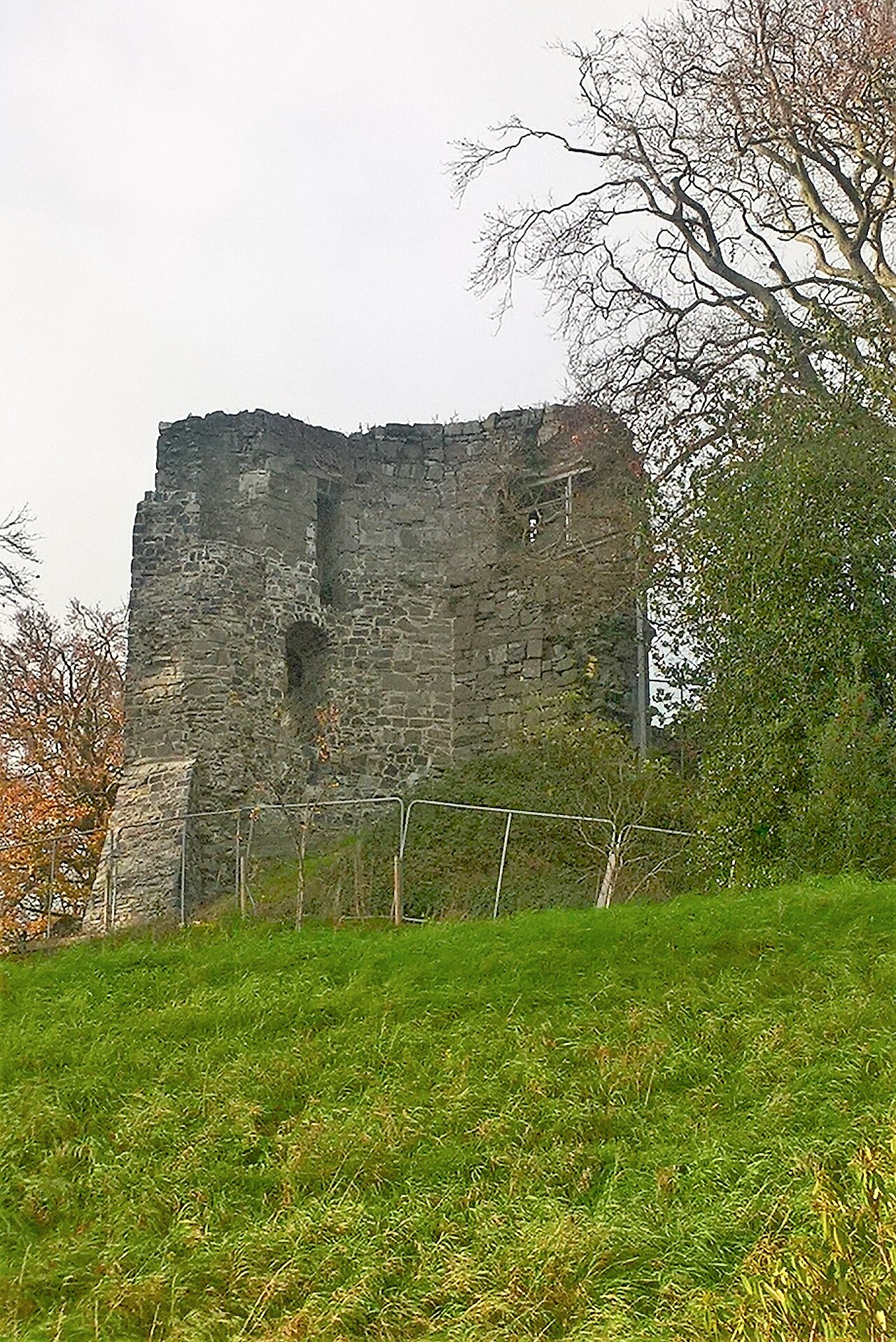
Castleknock Castle stands as a significant Norman fortress ruin located in Dublin, Ireland. Constructed in the 12th century, this castle was originally built during the High Medieval period as part of the Norman expansion into Ireland. Today, its remains lie within the grounds of St. Vincent's Castleknock College, an all-boys Catholic school, linking the site’s medieval past with modern educational use. Historical background and significance The name Castleknock derives from the Irish Caisleán Cnucha, which in turn is rooted in the older terms Cnoc and Cnucha found in medieval sources. These names reflect the castle’s location on a raised hill or knoll, which was a strategic choice for defense and surveillance during the Norman period. The castle was part of a network of fortifications established by the Normans to consolidate control over the surrounding lands. Castleknock played a role in various historical conflicts including local skirmishes and national struggles during the medieval era. Its position near Dublin made it a valuable defensive outpost. Over the centuries, the castle suffered damage from sieges, neglect, and changing political circumstances, which eventually led to its ruinous state. Architectural features and layout As a Norman castle, Castleknock originally featured typical elements of High Medieval military architecture. It would have included a keep or donjon as the main stronghold, surrounded by curtain walls and defensive battlements. The castle’s elevated position on a hill provided natural defense advantages, complemented by man-made fortifications. While much of the original structure is now in ruins, archaeological studies have revealed the castle’s footprint and some surviving stonework. The remains include sections of thick stone walls and foundations that outline the castle’s former extent. The site’s layout reflects the Norman emphasis on strongholds that combined residential and military functions. Defensive structures The castle’s defenses likely included a gatehouse, towers, and possibly a moat or ditch, common features in Norman castles to deter attackers. The use of stone masonry was a hallmark of Norman construction, replacing earlier wooden motte-and-bailey designs in favor of more durable and imposing fortifications. The castle’s role through history Throughout the medieval period, Castleknock was a focal point in the region’s power dynamics. It was held by various Norman lords and played a part in the administration and control of the surrounding lands. Its proximity to Dublin meant it was involved in the defense of the city and in conflicts between Gaelic Irish and Anglo-Norman forces. By the late medieval and early modern periods, the castle’s military importance declined as newer fortifications and political changes rendered many such castles obsolete. The structure gradually fell into disuse and ruin, with parts dismantled or repurposed over time. Modern context and preservation Today, Castleknock Castle exists as archaeological ruins within the grounds of St. Vincent's Castleknock College. The site is not fully restored but remains an important cultural and historical landmark. Efforts to preserve the ruins focus on maintaining the remaining stonework and protecting the site from further decay. The castle’s presence enriches the heritage of Castleknock and offers educational opportunities for students and visitors interested in Ireland’s medieval past. Interpretive signage and guided tours occasionally help contextualize the castle’s history and architecture. Visiting information Access to the ruins is limited due to their location within the college grounds. Visitors interested in Castleknock Castle should check for public access opportunities or special events. The castle’s setting near Dublin makes it accessible for those exploring Norman heritage sites in Ireland.

High Medieval (11th–13th c.)
Details
6 km

Dublin's Ashtown Castle Was Forgotten For Centuries

Dublin, United Kingdom

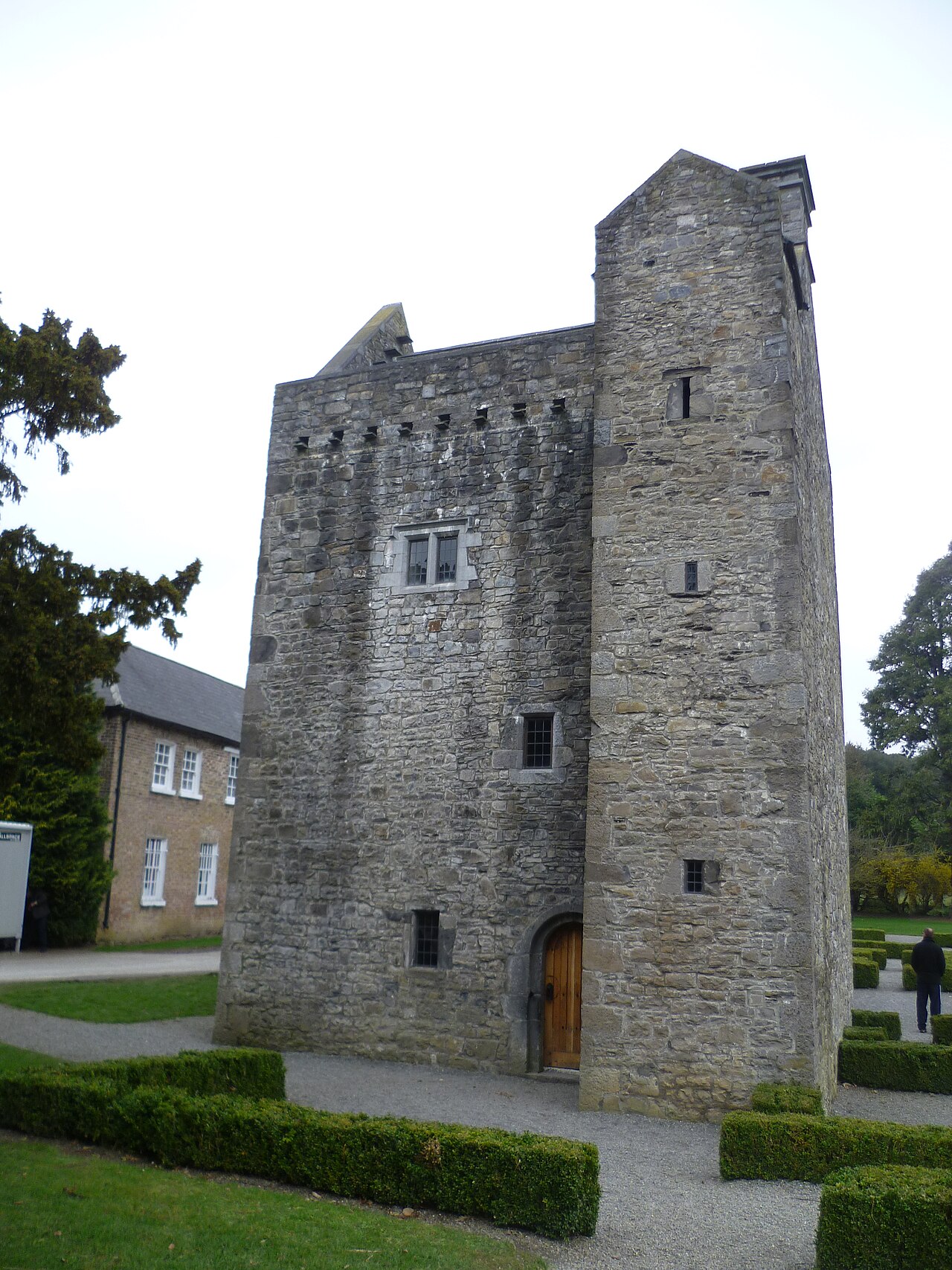
Ashtown Castle in Dublin is a remarkable example of a 15th-century medieval tower house that was long concealed within the walls of an 18th-century Georgian mansion. Its rediscovery in 1978 during the demolition of the Under Secretary's Lodge revealed a compact but historically significant fortified residence that embodies the layered history of Ireland's architectural and political evolution. The castle's origins date back to the 1430s, built by Anglo-Norman settlers during the medieval period when tower houses were common defensive homes across Ireland. Ashtown Castle's dimensions align with a royal building grant policy under King Henry VI, which rewarded the construction of fortified residences designed to provide personal security. This policy highlights the castle's original purpose as a secure dwelling for local lords amidst the turbulent political landscape of the time. Architectural features and medieval design The castle is a rectangular four-story stone tower house measuring approximately 6 by 9 meters. Its design is typical of Irish tower houses, combining compactness with defensive features. A notable element is the projecting turret at the southeast corner housing a spiral staircase, which provided both access to upper floors and an additional defensive advantage. The ground floor likely served as a kitchen and storage area, common in tower houses where the lowest level supported domestic service functions. Above it, the first floor was the lord's private living quarters, offering a secure and comfortable space. The second floor contained the great hall, a formal room used for dining, gatherings, and administrative activities, reflecting the social status of the castle's occupants. The roof was reconstructed with a pitched saddle design during restoration to reflect the castle's original appearance. The thick stone walls and narrow window openings further emphasize the defensive nature of the structure, typical of the medieval architectural style. Historical context and ownership By the early 1600s, Ashtown Castle had become an established residence and underwent alterations to its roofline. In 1641, it passed into the hands of John Connell, known as John of Ashtown, who managed an estate of 200 acres valued at approximately £200. This period reflects the castle's role within a landed estate system bridging medieval and early modern Ireland. The surrounding land saw significant development in the mid-18th century with the construction of Ashtown Lodge adjacent to the castle in 1751. This Georgian mansion was expanded and modernized from 1774 onward, eventually becoming the official residence of the Under Secretary for Ireland by 1782. This transition marked the site's shift from a fortified medieval dwelling to an administrative center within British governance. 20th-century diplomatic use and rediscovery Following Irish independence in 1922, the undersecretary position was abolished, and the property was repurposed. Between 1922 and 1929, the site housed the United States embassy, before its relocation to Deerfield. Subsequently, the Apostolic Nuncio, the Vatican's diplomatic office, occupied the mansion until 1978. During this time, the medieval tower house remained hidden within the Georgian structure, its historical significance obscured. The lodge's poor condition eventually led to its demolition in 1989, uncovering the medieval castle for the first time in centuries. Restoration efforts removed later additions, revealing the tower house's original 15th-century form and preserving it as a heritage landmark. Preservation and current status Today, Ashtown Castle is part of the Phoenix Park Visitor Centre complex, where visitors can explore its restored medieval character. The site includes gardens that trace the footprint of the former Georgian lodge, offering a visual narrative of the castle's layered history from medieval fortress to diplomatic residence. The castle's robust stone walls, spiral staircase turret, and reconstructed pitched roof exemplify the defensive and domestic architectural features of Irish tower houses. Its preservation provides valuable insight into Ireland's medieval social structure, Anglo-Norman influence, and the evolution of its built heritage through centuries of political change. Architectural significance of irish tower houses Ashtown Castle is a prime example of the Irish tower house typology, a widespread form of fortified residence built by Anglo-Norman settlers and native Irish lords from the late medieval period onward. These structures were designed to balance defense with domestic comfort, featuring thick stone walls, narrow windows, and vertical layouts with multiple floors serving distinct functions. The spiral staircase turret is a characteristic defensive element, allowing defenders to control access between floors. The great hall served as the social and administrative heart of the castle, where lords conducted business and hosted guests. Ashtown Castle's modest size contrasts with larger castles but reflects the typical scale of such tower houses, which were often the centers of rural estates. Historical layers and cultural heritage The castle's history encapsulates Ireland's complex past, from its medieval Anglo-Norman roots through the Georgian era's administrative transformations to 20th-century diplomatic uses. Its concealment within a later mansion and subsequent rediscovery highlight challenges in heritage preservation and the evolving appreciation of Ireland's medieval architecture. Ashtown Castle stands as a testament to the resilience of historical structures and the importance of careful restoration in revealing Ireland's architectural lineage. It offers visitors a tangible connection to the country's medieval past and its journey through political and social change.

Late Medieval (14th–15th c.)
Details
6 km
Ashtown Castle — Ireland castle

Ashtown Castle

Dublin, Ireland

Ashtown Castle (Irish: Caisleán Bhaile an Ásaigh) is a 15th-century tower house located within the Phoenix Park in Dublin, Ireland. This late medieval structure is a notable example of the fortified residences built during the period, reflecting the defensive needs and architectural styles of the time. Discovery and restoration within Phoenix Park The castle was hidden within the walls of a much later Georgian building known as the Under Secretary's Lodge or Ashtown Lodge. This lodge served as the official residence of the Under Secretary from 1782 and was used by the Papal Nuncio until 1978. When the lodge was declared structurally unsound due to extensive dry rot and slated for demolition, the medieval tower house was unexpectedly uncovered. Following its discovery, Ashtown Castle underwent careful restoration to preserve its historical fabric. Today, it forms an integral part of the Phoenix Park Visitor Centre, allowing visitors to explore a rare surviving example of a late medieval tower house in an urban park setting. Architectural features and historical context As a tower house, Ashtown Castle was designed primarily for defense and residential purposes. Typical of such structures, it is a multi-storey stone building with thick walls, narrow windows, and a vertical emphasis. The castle's dimensions conform to a 15th-century government policy that offered a £10 incentive to those who built fortified houses for their protection, dating the castle to approximately the 1430s. The castle would have originally featured defensive elements such as battlements, narrow slit windows for archers, and possibly a bawn or walled courtyard, although much of these features may have been lost or obscured by later construction. Its incorporation into the Georgian lodge likely preserved the tower house from complete ruin, albeit hidden from view for nearly two centuries. Construction techniques and materials The castle was constructed using locally sourced stone, typical of Irish tower houses of the period. The masonry work includes limestone blocks carefully shaped and laid to form robust walls capable of withstanding attacks. The interior would have contained vaulted chambers and wooden floors supported by stone corbels. Historical significance and use Ashtown Castle represents the late medieval defensive architecture that was common among the Anglo-Irish gentry and Gaelic lords in Ireland during the 15th century. These tower houses served as fortified homes that balanced comfort with security amidst the turbulent political climate of the time. The castle's later integration into the Georgian Under Secretary's Lodge illustrates the evolution of the site from a medieval stronghold to a symbol of administrative authority in the 18th century. This transition reflects broader changes in Irish society and governance. Visiting Ashtown Castle today Visitors to Phoenix Park can explore Ashtown Castle as part of the visitor centre experience. The restoration allows for an appreciation of medieval Irish architecture within the context of a large urban park. Interpretive displays provide insights into the castle's history, construction, and role within Dublin's heritage. The castle's location within one of Europe's largest enclosed city parks makes it accessible for tourists and locals alike, offering a unique glimpse into Ireland's medieval past amidst natural surroundings. Accessibility and visitor information The castle is open during the visitor centre's operating hours, typically from 10:00 to 16:00 daily, though visitors should check current schedules. Admission is generally free, encouraging educational visits and public engagement with Irish heritage. The site includes informational panels and guided tours at times, enhancing the visitor experience. Architectural legacy and preservation Ashtown Castle's survival beneath a Georgian lodge is a rare example of a medieval tower house preserved through adaptive reuse. Its restoration highlights the importance of protecting historical structures even when obscured by later developments. The castle contributes to the understanding of Irish late medieval architecture and offers valuable insights into construction methods, defensive strategies, and residential life of the era.

Late Medieval (14th–15th c.)
Details