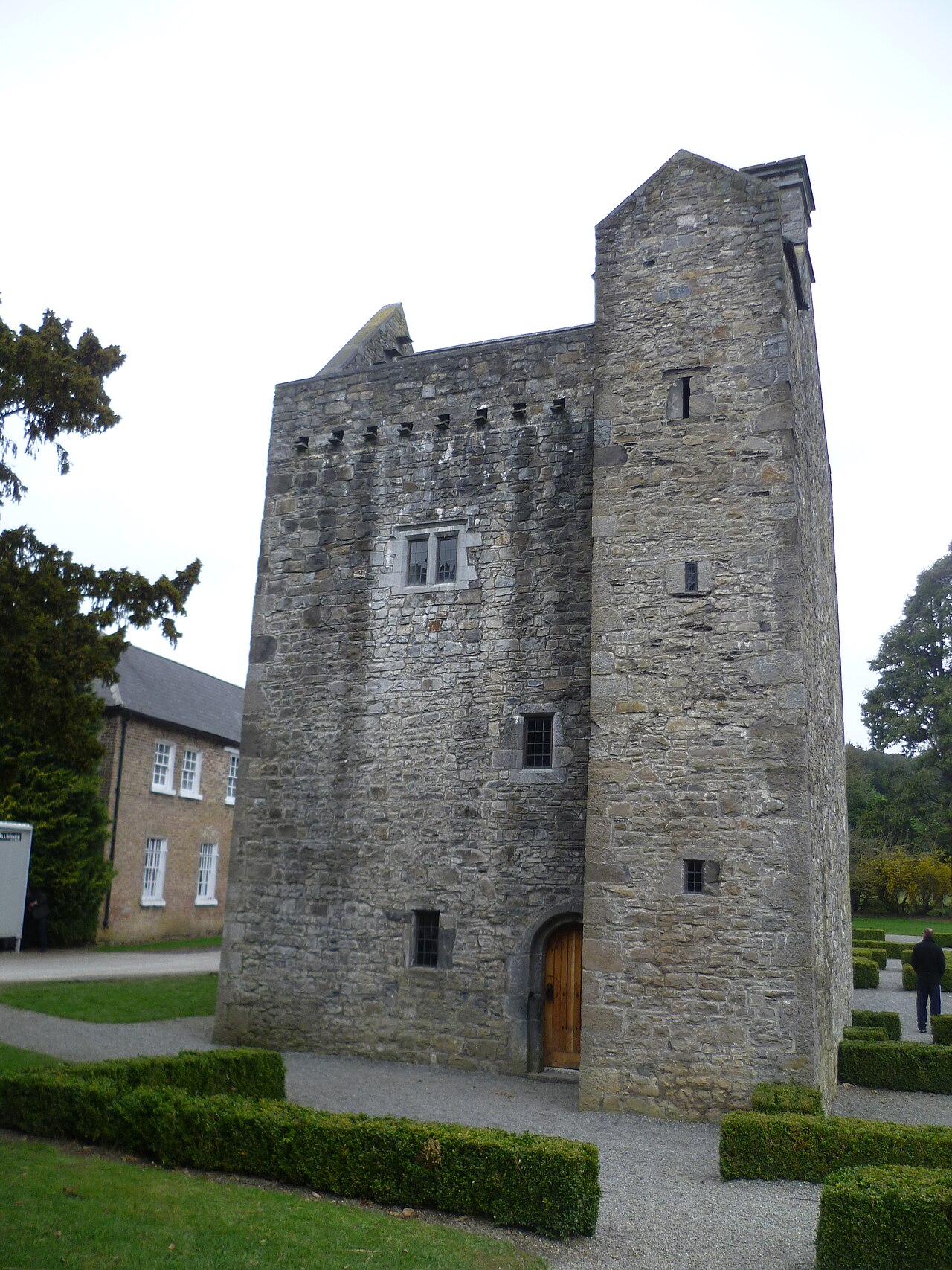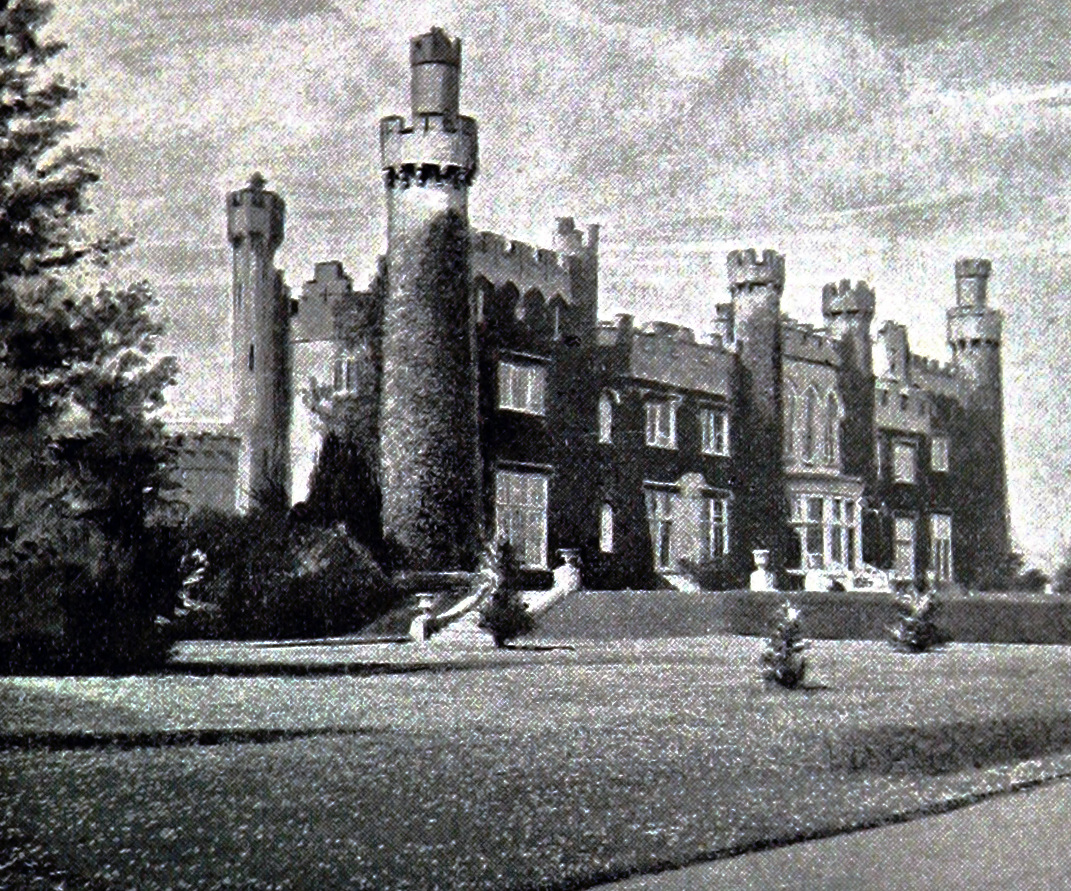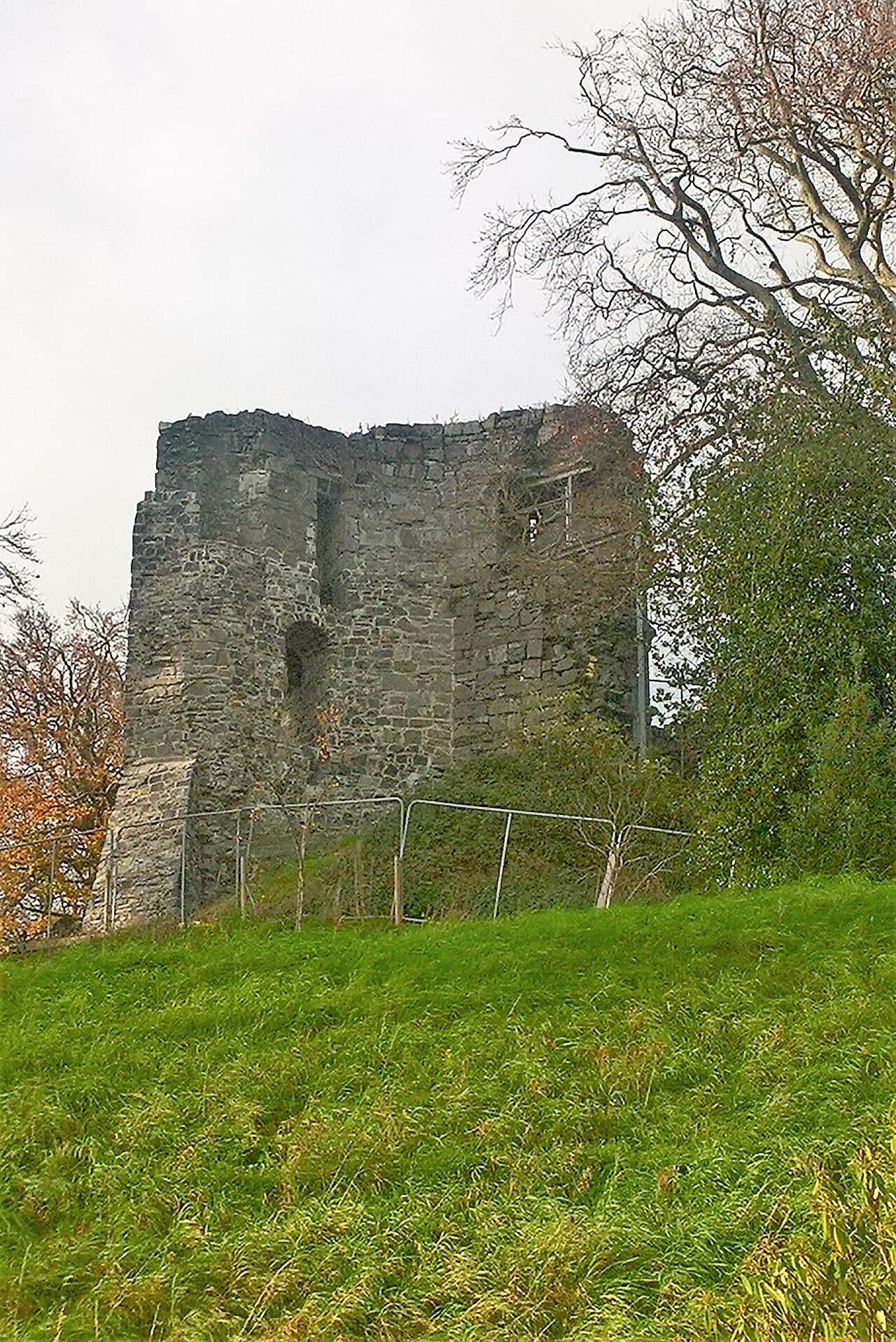
Castleknock Castle
Castleknock Castle stands as a significant Norman fortress ruin located in Dublin, Ireland. Constructed in the 12th century, this castle was originally built during the High Medieval period as part of the Norman expansion into Ireland. Today, its remains lie within the grounds of St. Vincent's Castleknock College, an all-boys Catholic school, linking the site’s medieval past with modern educational use.
Historical background and significance
The name Castleknock derives from the Irish Caisleán Cnucha, which in turn is rooted in the older terms Cnoc and Cnucha found in medieval sources. These names reflect the castle’s location on a raised hill or knoll, which was a strategic choice for defense and surveillance during the Norman period. The castle was part of a network of fortifications established by the Normans to consolidate control over the surrounding lands.
Castleknock played a role in various historical conflicts including local skirmishes and national struggles during the medieval era. Its position near Dublin made it a valuable defensive outpost. Over the centuries, the castle suffered damage from sieges, neglect, and changing political circumstances, which eventually led to its ruinous state.
Architectural features and layout
As a Norman castle, Castleknock originally featured typical elements of High Medieval military architecture. It would have included a keep or donjon as the main stronghold, surrounded by curtain walls and defensive battlements. The castle’s elevated position on a hill provided natural defense advantages, complemented by man-made fortifications.
While much of the original structure is now in ruins, archaeological studies have revealed the castle’s footprint and some surviving stonework. The remains include sections of thick stone walls and foundations that outline the castle’s former extent. The site’s layout reflects the Norman emphasis on strongholds that combined residential and military functions.
Defensive structures
The castle’s defenses likely included a gatehouse, towers, and possibly a moat or ditch, common features in Norman castles to deter attackers. The use of stone masonry was a hallmark of Norman construction, replacing earlier wooden motte-and-bailey designs in favor of more durable and imposing fortifications.
The castle’s role through history
Throughout the medieval period, Castleknock was a focal point in the region’s power dynamics. It was held by various Norman lords and played a part in the administration and control of the surrounding lands. Its proximity to Dublin meant it was involved in the defense of the city and in conflicts between Gaelic Irish and Anglo-Norman forces.
By the late medieval and early modern periods, the castle’s military importance declined as newer fortifications and political changes rendered many such castles obsolete. The structure gradually fell into disuse and ruin, with parts dismantled or repurposed over time.
Modern context and preservation
Today, Castleknock Castle exists as archaeological ruins within the grounds of St. Vincent's Castleknock College. The site is not fully restored but remains an important cultural and historical landmark. Efforts to preserve the ruins focus on maintaining the remaining stonework and protecting the site from further decay.
The castle’s presence enriches the heritage of Castleknock and offers educational opportunities for students and visitors interested in Ireland’s medieval past. Interpretive signage and guided tours occasionally help contextualize the castle’s history and architecture.
Visiting information
Access to the ruins is limited due to their location within the college grounds. Visitors interested in Castleknock Castle should check for public access opportunities or special events. The castle’s setting near Dublin makes it accessible for those exploring Norman heritage sites in Ireland.
Frequently asked questions (FAQ)
- How do I get to Castleknock Castle?
- Castleknock Castle is located just a short distance from Dublin city center, making it easily accessible by car or public transport. The nearest train station is Castleknock, and several bus routes also service the area. Visitors can enjoy a scenic drive through the countryside or take advantage of local transport options.
- What is the historical significance of Castleknock Castle?
- Castleknock Castle dates back to the 12th century and is steeped in Irish history. Originally built as a stronghold, it played a vital role in the defense of the region and has witnessed many historical events over the centuries. Today, it stands as a testament to Ireland's rich heritage and architectural evolution.
- When was Castleknock Castle built?
- Castleknock Castle was constructed in the 12th century, specifically around the year 1170. It was built by the Anglo-Normans as a strategic military outpost. Over the years, it has undergone various renovations, reflecting the architectural styles of different periods.
- Can I visit Castleknock Castle?
- Yes, Castleknock Castle is open to the public for visits. Guests can explore the castle grounds, learn about its history, and enjoy the surrounding landscape. Guided tours are available, providing an in-depth look at the castle's significance and architecture.
- Why is Castleknock Castle popular among tourists?
- Castleknock Castle is popular due to its rich history, stunning architecture, and picturesque setting. Visitors are drawn to its medieval charm and the opportunity to experience a piece of Ireland's past. The castle's proximity to Dublin also makes it an attractive destination for day trips.
- Is it possible to host events at Castleknock Castle?
- Yes, Castleknock Castle offers facilities for hosting various events, including weddings and corporate functions. The historic setting provides a unique backdrop for memorable occasions. It is recommended to contact the castle management for specific details and availability.
- What are the opening hours for Castleknock Castle?
- Castleknock Castle typically opens to visitors from 10 AM to 5 PM, but it's advisable to check the official website for any seasonal changes or special events. During peak tourist season, extended hours may be available. Always confirm before your visit to ensure a smooth experience.
- Are there any nearby attractions to visit?
- Yes, there are several attractions near Castleknock Castle, including the picturesque Phoenix Park and the historic site of the Hill of Tara. Visitors can also explore the vibrant city of Dublin, which is just a short distance away. This makes for a perfect day of sightseeing and exploration.
- What are the ticket prices for visiting Castleknock Castle?
- Ticket prices for Castleknock Castle vary depending on the type of tour and any special events. Generally, entry is affordable, making it accessible for families and groups. For the latest pricing information, including any discounts for children or seniors, it's best to check the official website.
Photo gallery

Information
Loading map...
Visitor reviews
No reviews yet. Been here? Write the first review and help other travelers!
Write the first reviewVisited this castle? Share your experience
Your review helps other travelers and adds first-hand knowledge to our encyclopedia.