Architectural design and baroque style
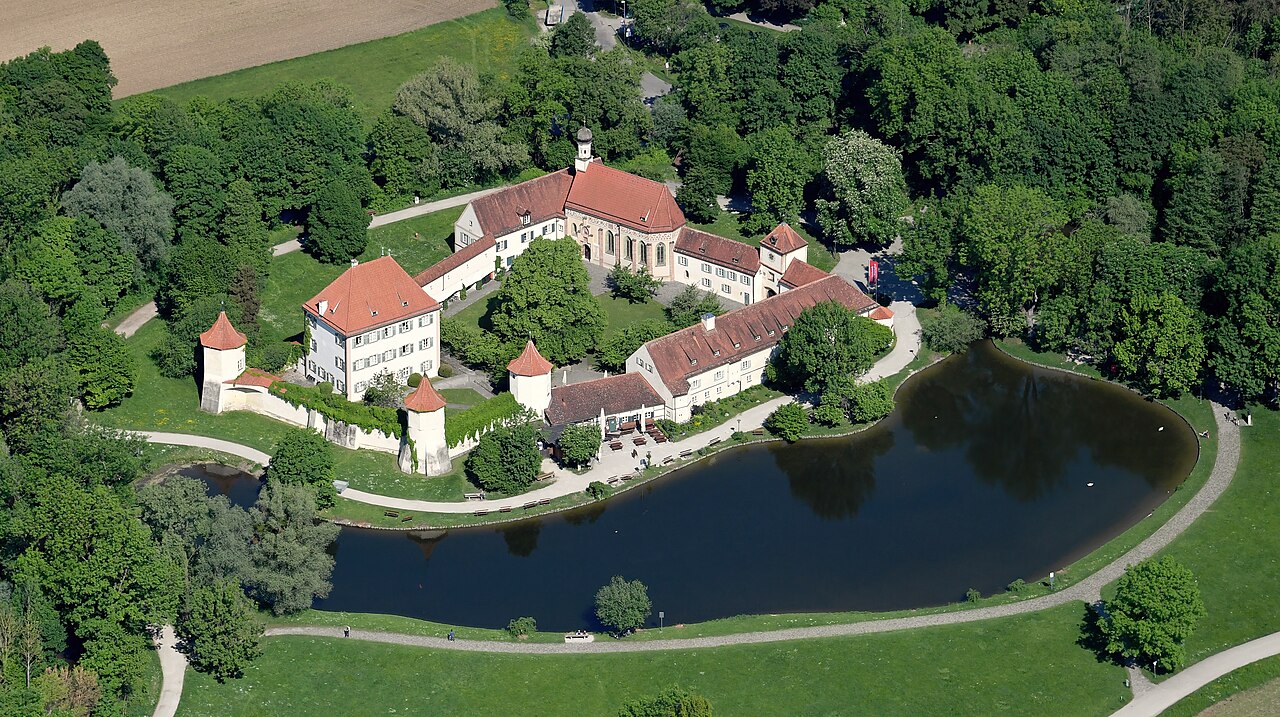
Lustheim Palace is renowned for its symmetrical layout and elegant baroque architectural style, characterized by its ornate decorations and harmonious proportions. The palace was designed by the Italian architect Enrico Zuccalli, whose work contributed significantly to the spread of Baroque aesthetics in Bavaria. The building features a distinctive three-winged structure surrounding a central courtyard, which was typical of hunting lodges and pleasure palaces of the era.
The palace's exterior showcases stucco decorations, pilasters, and ornate window frames that enhance its visual appeal. The roof is crowned with a central dome that adds grandeur to the otherwise modest scale of the building. Inside, the palace contains richly decorated rooms with elaborate frescoes, stuccowork, and period furnishings that reflect the tastes of the early 1700s Bavarian nobility.
Historical context and significance
Constructed between 1684 and 1688, Lustheim Palace was commissioned by Elector Max Emanuel as part of his grand plans to establish a network of hunting lodges and palaces around Munich. The palace served not only as a retreat for hunting parties but also as a venue for social gatherings and celebrations among the Bavarian aristocracy. Its proximity to the larger Schleissheim Palace complex underscores its role within a broader landscape of royal residences.
Although Lustheim Palace itself was not the site of major historical events or battles, its cultural importance lies in its representation of the Baroque era's emphasis on leisure, art, and architecture. The palace also houses the renowned porcelain collection of the Nymphenburg Porcelain Manufactory, making it a key destination for art and history enthusiasts.
Grounds and surrounding landscape
The palace is set within a formal garden designed in the French style, featuring geometric flower beds, gravel paths, and ornamental fountains. This garden complements the palace's architectural elegance and reflects the Baroque ideal of controlling and shaping nature to enhance aesthetic pleasure. The surrounding landscape, though relatively flat, is enriched by the presence of the nearby Schleissheim Palace parklands and the Isar River, which contribute to the area's scenic beauty.
Current status and visitor information
Today, Lustheim Palace is well preserved and functions as a museum open to the public. Visitors can explore the palace's richly decorated interiors, admire the extensive porcelain collection, and enjoy the peaceful gardens. The palace's location near Munich makes it accessible for day trips, offering a glimpse into Bavaria's Baroque heritage and royal lifestyle.
The palace operates under the management of the Bavarian Administration of State-Owned Palaces, Gardens and Lakes. It is typically open daily with varying hours depending on the season, and admission fees apply for access to the porcelain museum and palace interiors.
Architectural features and cultural legacy
Lustheim Palace exemplifies the Baroque period's architectural and artistic achievements in Bavaria. Its design balances functionality as a hunting lodge with the grandeur expected of a royal residence. The palace's harmonious proportions, decorative elements, and integration with its formal gardens highlight the era's ideals of beauty and order.
The porcelain collection housed within Lustheim Palace is one of the most important in Europe, showcasing exquisite craftsmanship and the artistic heritage of the Nymphenburg manufactory. This collection enhances the palace's cultural significance and attracts scholars and tourists alike.
Frequently asked questions (FAQ)
- What is the historical significance of Lustheim Palace?
- Lustheim Palace was built as a Baroque hunting lodge for Elector Max Emanuel in the late 17th century and reflects the leisure culture of Bavarian nobility.
- Can I visit the porcelain collection at Lustheim Palace?
- Yes, the palace houses the renowned porcelain collection of the Nymphenburg Porcelain Manufactory, which is open to the public as part of the museum.
- What architectural style is Lustheim Palace built in?
- Lustheim Palace is an excellent example of Baroque architecture, featuring symmetrical layouts, stucco decorations, and a central dome.
- Is Lustheim Palace accessible from Munich?
- Yes, Lustheim Palace is located about twelve kilometers north of Munich and is easily accessible for day trips by car or public transport.
- Are there gardens to explore at Lustheim Palace?
- The palace is surrounded by formal French-style gardens with geometric flower beds and ornamental fountains, enhancing the visitor experience.
Information
Current owner
Bavarian Administration of State-Owned Palaces, Gardens and Lakes
Website
Visit websiteSources & official resources
Verify the information above using these authoritative references.
Loading map...
Visitor reviews
No reviews yet. Been here? Write the first review and help other travelers!
Write the first reviewVisited this castle? Share your experience
Your review helps other travelers and adds first-hand knowledge to our encyclopedia.