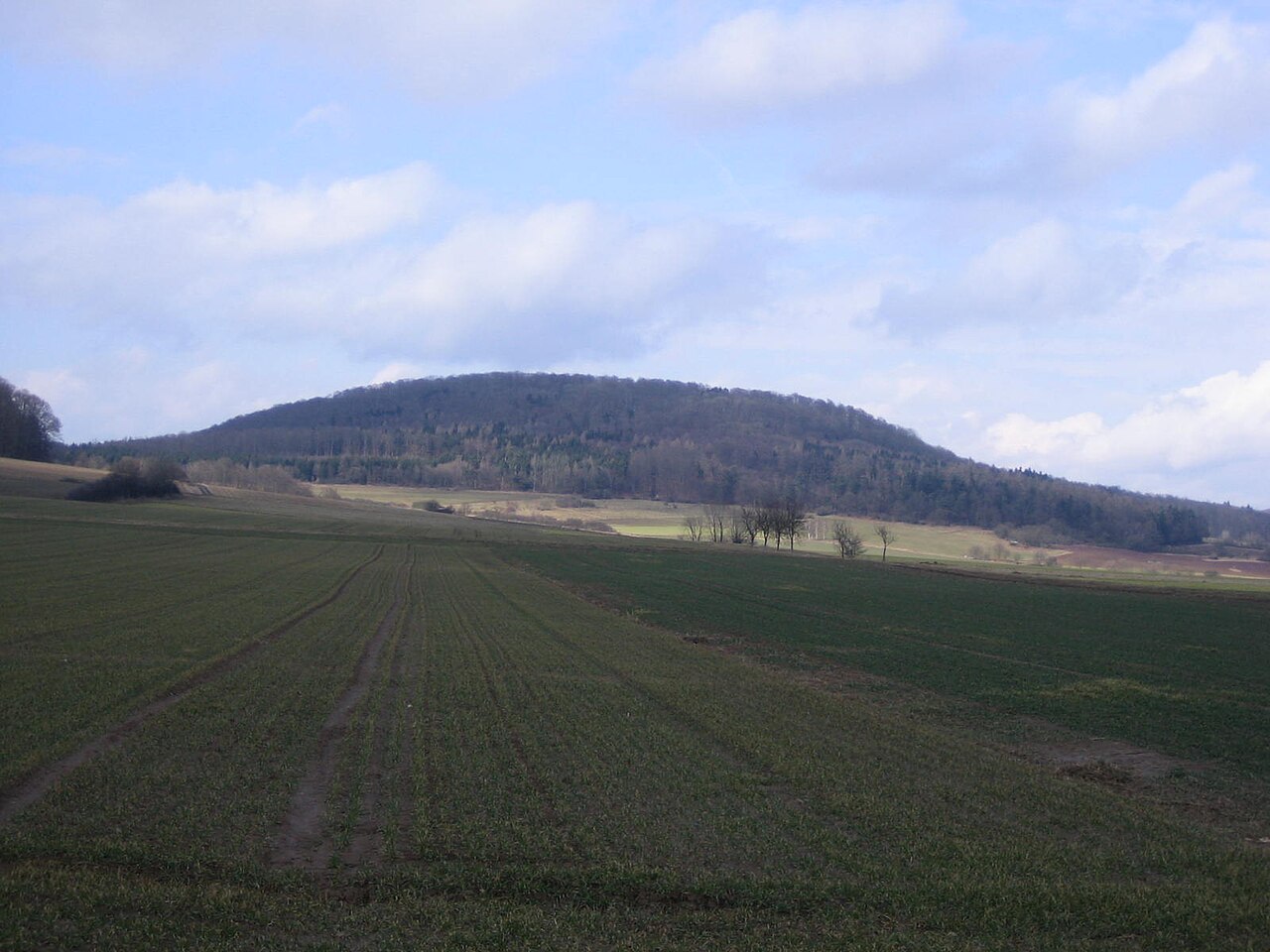
Löwenburg Castle
Löwenburg castle, located in Bad Wilhelmshöhe, Germany, stands as a remarkable example of medieval fortification with a complex history spanning several centuries. Originally constructed around 1200 by the Counts of Sayn, the castle was strategically positioned alongside the Castle of Blankenberg to secure the territory above the valley of the river Sieg. This location was of significant military and territorial importance during the High Medieval period.
Medieval origins and strategic significance
The initial construction of Löwenburg was part of a network of fortifications designed to protect the lands of the Counts of Sayn. The castle's early form included a prominent keep and defensive walls, typical of High Medieval military architecture. However, the original keep was demolished in the second half of the 13th century, after which the castle was rebuilt into the structure whose ruins are visible today. This reconstruction reflected evolving defensive needs and architectural styles of the late Middle Ages.
Architectural evolution and design features
The castle was designed as a complete fortress grouped around a central courtyard. Its layout included towers, gatehouses, and battlements that provided both defense and residential functions. The design emphasized strong fortifications to withstand sieges and military threats common in the medieval period. The castle's walls and structures were built using local stone, contributing to its imposing presence on the hill.
The 18th-century romantic revival and reconstruction
In a fascinating turn of history, between 1793 and 1800, the castle was redesigned by the architect Christoph Heinrich Jussow as part of the romantic movement's fascination with medieval ruins. This reconstruction was not a restoration in the traditional sense but rather an artistic imitation of a medieval castle, deliberately built to appear as a ruin. Initially planned as a tower with a guest house, the project expanded into a full fortress complex that evokes the medieval aesthetic.
Historical events and decline
Throughout the late Middle Ages, Löwenburg castle experienced a turbulent history, changing hands and enduring conflicts. It ultimately fell to the Counts of Berg in 1484. The castle suffered significant damage during the Thirty Years' War (1618–1648), a devastating conflict that affected much of Central Europe. The war led to the castle's destruction and eventual decline into ruin.
Modern significance and visitor experience
Today, Löwenburg castle is a popular tourist destination, offering visitors guided tours that explore its historic interiors and architectural features. The castle houses an impressive arsenal of weapons and armor from the 16th and 17th centuries, providing insight into the martial culture of the period. Visitors can explore the courtyard, towers, and other preserved structures, gaining a vivid sense of medieval life and military architecture.
Preservation and cultural heritage
The castle stands as a testament to both its medieval origins and the later romantic reinterpretation of medieval architecture. Its status as a well-preserved site, despite its partial ruinous state, allows it to serve as an educational resource and cultural landmark in the region. The blend of authentic medieval construction and 18th-century romantic design makes Löwenburg a unique example of historical layering in castle architecture.
Frequently asked questions (FAQ)
- How do I get to Löwenburg Castle?
- Löwenburg Castle is located in the beautiful Reinhardswald forest in Kassel, Germany. You can reach it by public transport; the nearest tram stop is "Wilhelmshöhe," from where you can take a short hike up to the castle. There is also parking available for those who prefer to drive.
- What are the opening hours for Löwenburg Castle?
- Löwenburg Castle is open to visitors from April to October, typically from 10 AM to 6 PM. During the off-peak season, hours may vary, so it's best to check the official website for the most current information before planning your visit.
- Can I take guided tours at Löwenburg Castle?
- Yes, guided tours are available for visitors who wish to learn more about the castle's history and architecture. These tours are usually offered in multiple languages, and it's advisable to book in advance, especially during peak tourist seasons.
- What is the historical significance of Löwenburg Castle?
- Löwenburg Castle, built in the late 18th century, was commissioned by Landgrave Wilhelm IX as a romantic ruin to evoke the medieval past. It served as a symbol of the Landgrave's power and was a part of the larger Wilhelmshöhe Park, which is now a UNESCO World Heritage site.
- Is it possible to host events at Löwenburg Castle?
- Yes, Löwenburg Castle offers facilities for hosting special events such as weddings, corporate gatherings, and cultural events. Interested parties should contact the castle's administration for details on availability, services, and bookings.
- When is the best time to visit Löwenburg Castle?
- The best time to visit Löwenburg Castle is during the spring and early autumn when the weather is mild, and the surrounding gardens are in full bloom. Additionally, visiting during weekdays can help you avoid the weekend crowds.
- What are the ticket prices for Löwenburg Castle?
- Tickets for Löwenburg Castle are reasonably priced, with discounts available for students, seniors, and children. Family tickets and group rates can also be arranged, making it an affordable destination for all visitors.
- Is Löwenburg Castle accessible for visitors with disabilities?
- Löwenburg Castle strives to be accessible to all visitors, with facilities for those with limited mobility. However, some areas may have uneven terrain, so it's recommended to check accessibility options in advance if you require special assistance.
- Are there any nearby attractions to Löwenburg Castle?
- Yes, Löwenburg Castle is located near several other attractions, including the Bergpark Wilhelmshöhe, which features stunning gardens and the impressive Hercules monument. Visitors can also explore the Wilhelmshöhe Palace and the various art collections within its museum.
Information
Loading map...
Visitor reviews
No reviews yet. Been here? Write the first review and help other travelers!
Write the first reviewVisited this castle? Share your experience
Your review helps other travelers and adds first-hand knowledge to our encyclopedia.