Los Moros Fort
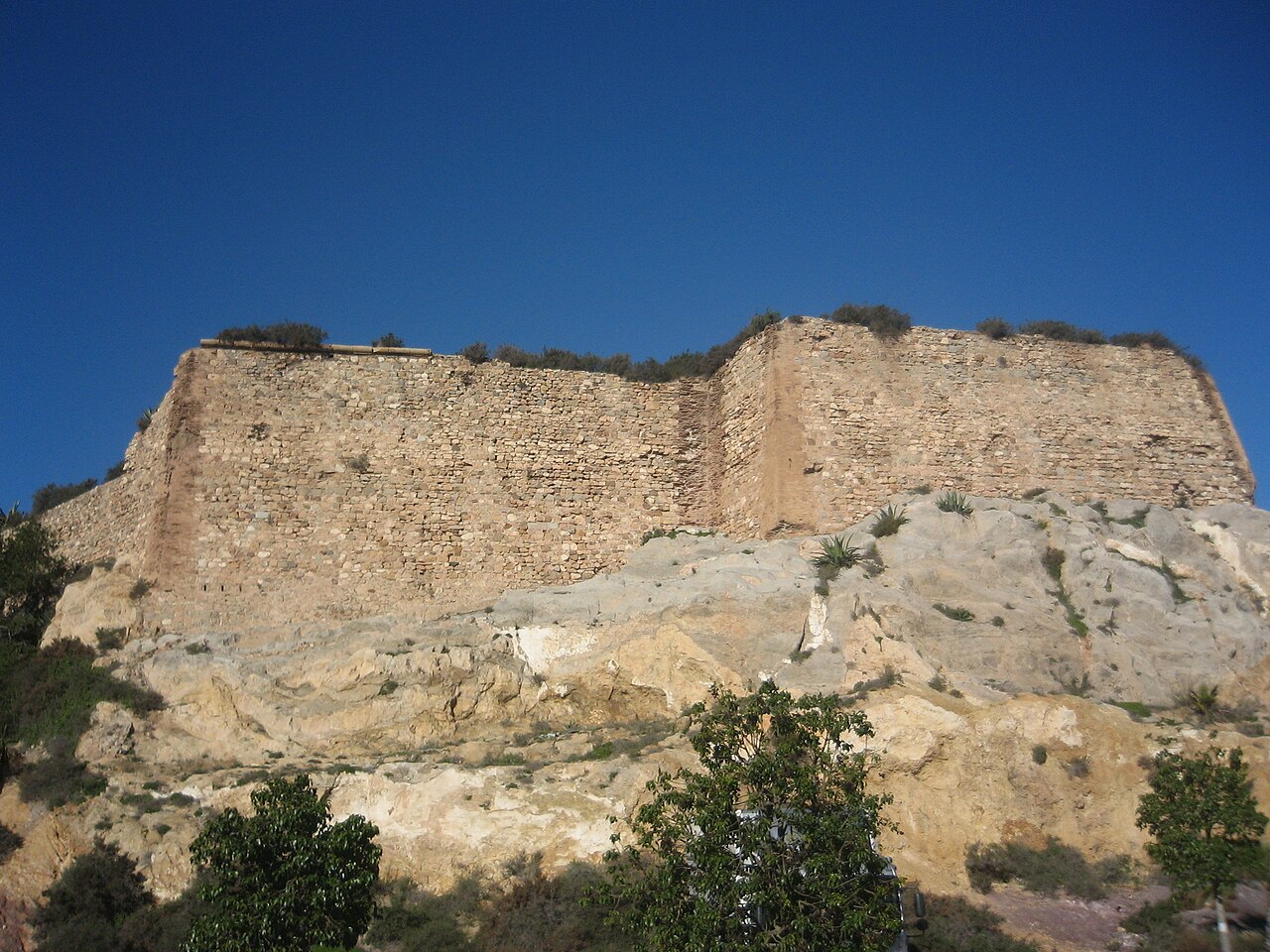
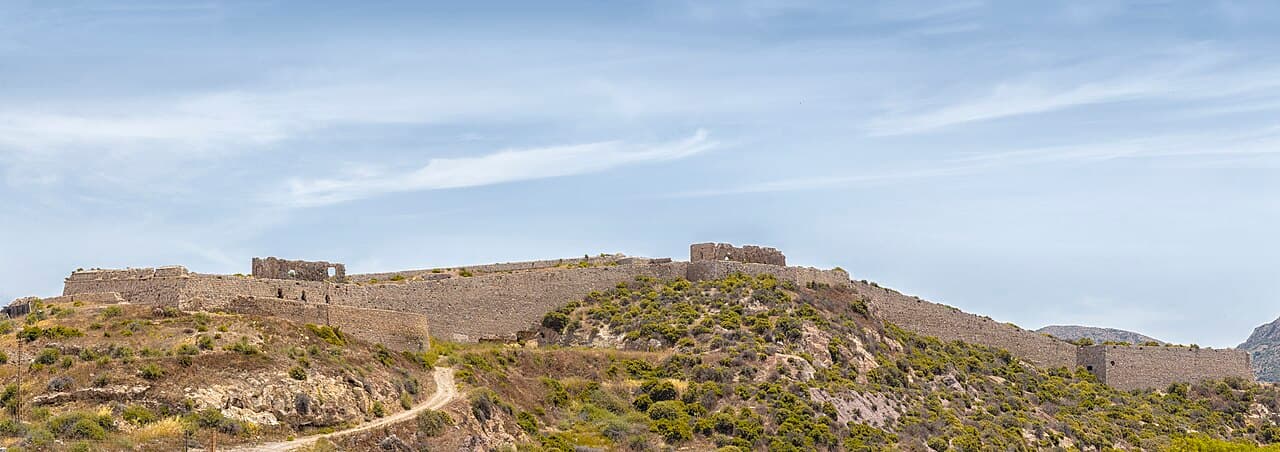
Los Moros Fort, also known as Castillo de los Moros, stands prominently on the hill of the Moors in the historic city of Cartagena, within the Murcia region of Spain. This fortification offers a commanding view of the natural harbor that has defined Cartagena's strategic importance for centuries. The fort's location atop a 56-meter-high hill has made it a key military site from the early 18th century through to modern times.
Cartagena itself was founded in the 3rd century BC by the Carthaginian general Hasdrubal the Fair. Its natural harbor quickly established it as a vital naval base, which later became one of Spain's most important naval ports by the 16th century. The city's military significance was further underscored in the 18th century when extensive fortifications were constructed around the harbor, including numerous forts and batteries on the surrounding hills and mountains.
Historical significance and military role
The hill of the Moors played a crucial role during the War of the Spanish Succession in 1706. It was used by the artillery forces loyal to Philip V of Spain, specifically the Duke of Berwick, to effectively besiege and capture the nearby Concepción Castle, which was held by Austracist forces. This strategic use of the hill demonstrated its military value, prompting the later construction of a permanent fortification on the site.
Construction and architectural design
Los Moros Fort was constructed between 1773 and 1778 as part of a broader effort to modernize and strengthen Cartagena's defenses during the reign of King Carlos III. The fort was designed by the Spanish military engineer Juan Martín Cermeño, renowned for his work on fortifications in Spain, and the construction was overseen by the Croatian military engineer Mateo Vodopich.
The fort exemplifies the principles of eclectic Neoclassicism as interpreted by the Frenchified Spanish School of military engineering. It is often mistakenly described as a hornwork, but there is consensus among historians and architects that it is in fact a crownwork. This design allowed it to provide effective protection for the Hospital Bastion and the San José Gates, which were critical points in the bastioned city walls of Cartagena.
Architectural features
- The fort's elongated and irregular shape follows the contours of the hill, maximizing defensive coverage.
- Bastioned fronts and angled walls were designed to deflect artillery fire and provide overlapping fields of fire.
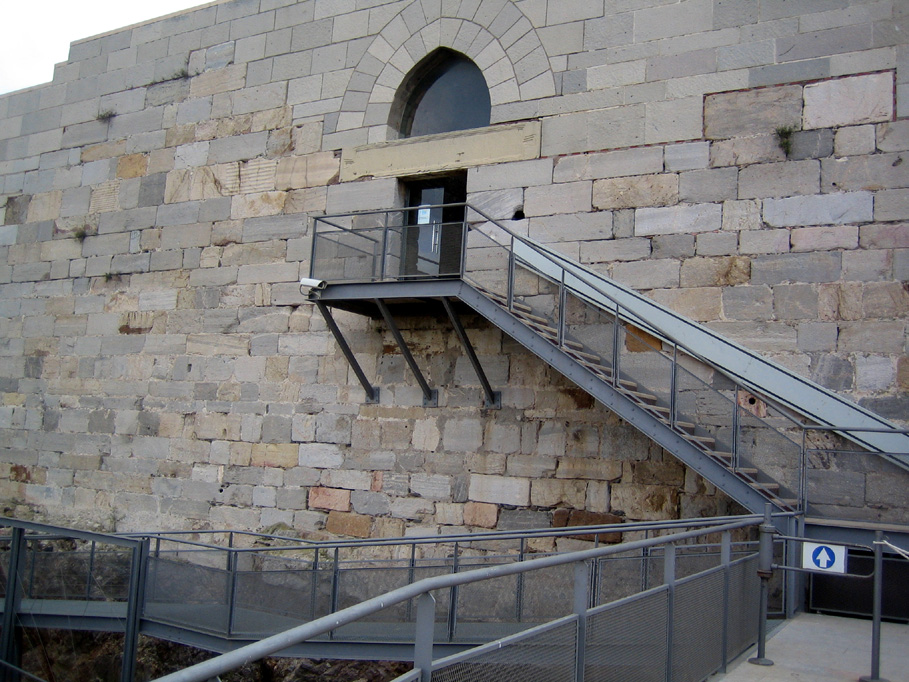
- Thick stone walls and earthworks helped absorb cannon impacts.
- Internal courtyards and chambers accommodated troops and artillery placements.
- The fort's position allowed it to control access to the San José Gates, one of the main entrances to the walled city.
Later history and current condition
After serving as a key military installation for over a century, Los Moros Fort lost its military function in 1929 when it was transferred from the Ministry of War to civilian authorities. Various proposals for adaptive reuse, including as a jail, were considered but never realized. Since then, the fort has been largely abandoned and has suffered from neglect.
Today, the fort remains freely accessible to visitors but is in a state of prolonged deterioration. Its surroundings in the Santa Lucía district are somewhat rundown, leading to issues such as illegal dumping and use by vagrants. Despite this, the fort's distinctive elongated crownwork structure and commanding views of Cartagena's harbor make it a site of historical and architectural interest.
Cartagena's fortifications and military heritage
The construction of Los Moros Fort was part of a comprehensive fortification program in Cartagena during the 18th century, driven by its designation as the capital of the Mediterranean Maritime Department in 1726. This status necessitated the strengthening of the city's defenses to protect its naval facilities and strategic harbor.
Cartagena's fortifications from this period include a network of bastions, forts, and batteries that collectively formed a formidable defensive system. The fortifications reflect the evolution of military architecture in Spain, incorporating lessons from contemporary European military engineering schools.
The fort's strategic location
Situated at an altitude of 56 meters, Los Moros Fort commands a panoramic view over the harbor and the city, allowing defenders to monitor and control maritime and land approaches. Its position was critical in conjunction with other nearby fortifications, creating overlapping fields of fire and mutual support.
Visiting los moros fort today
Visitors to Los Moros Fort can explore its unique architectural layout and enjoy sweeping views of Cartagena and the Mediterranean Sea. While the fort is not currently maintained as a formal tourist site, its accessibility offers an opportunity for those interested in military history and architecture to experience a significant piece of Cartagena's heritage.
Visitors should exercise caution due to the fort's state of disrepair and the condition of the surrounding neighborhood. Efforts to preserve and restore the fort have been limited, but its historical importance remains recognized by local authorities and heritage organizations.
Frequently asked questions (FAQ)
- What is the historical significance of Los Moros Fort?
- Los Moros Fort, built in the 18th century, played a crucial role in the defense of Cartagena against naval attacks. Its strategic location allowed it to oversee the harbor and protect the city from invasions, making it a key military structure in the region's history.
- When was Los Moros Fort constructed?
- Construction of Los Moros Fort began in 1693 and was completed in the early 18th century. The fort was part of a series of fortifications built to enhance Cartagena's defenses during a time of frequent naval conflicts.
- Is it possible to visit Los Moros Fort?
- Yes, visitors can explore Los Moros Fort throughout the year. The fort offers guided tours that provide insight into its history and architecture, making for an engaging visit.
- What are the opening hours for Los Moros Fort?
- Los Moros Fort is typically open from 10 AM to 6 PM, but it's advisable to check the official website for any seasonal changes or special events that may affect visiting hours.
- Can I buy tickets online for Los Moros Fort?
- Yes, tickets for Los Moros Fort can be purchased online through the official tourism website of Cartagena. Buying tickets in advance is recommended to avoid long lines and ensure your preferred time slot.
- What is the best time to visit Los Moros Fort?
- The best time to visit Los Moros Fort is during the spring and fall months when the weather is milder and crowds are smaller. Visiting during these seasons allows for a more enjoyable experience as you explore the fort and its surroundings.
- How accessible is Los Moros Fort for visitors with disabilities?
- Los Moros Fort has made efforts to be accessible for visitors with disabilities, including ramps and designated pathways. However, some areas may still present challenges due to the fort's historical structure, so it's best to contact the site in advance for specific accessibility information.
- Are there nearby attractions to visit after exploring Los Moros Fort?
- Yes, after visiting Los Moros Fort, you can explore other nearby attractions such as the Cartagena Naval Museum and the historic city center, which are within walking distance. These sites provide additional context to the rich history of Cartagena and enhance your overall experience.
- What architectural features can I expect to see at Los Moros Fort?
- Los Moros Fort showcases a combination of military architecture typical of the 18th century, including thick stone walls, bastions, and a moat. The fort's design reflects its utilitarian purpose while also providing stunning views of the surrounding landscape and harbor.
Photo gallery

Information
Address
Calle Sta. Bárbara, Cartagena, Spain
Loading map...
Visitor reviews
No reviews yet. Been here? Write the first review and help other travelers!
Write the first reviewVisited this castle? Share your experience
Your review helps other travelers and adds first-hand knowledge to our encyclopedia.