Lori Berd Fortress
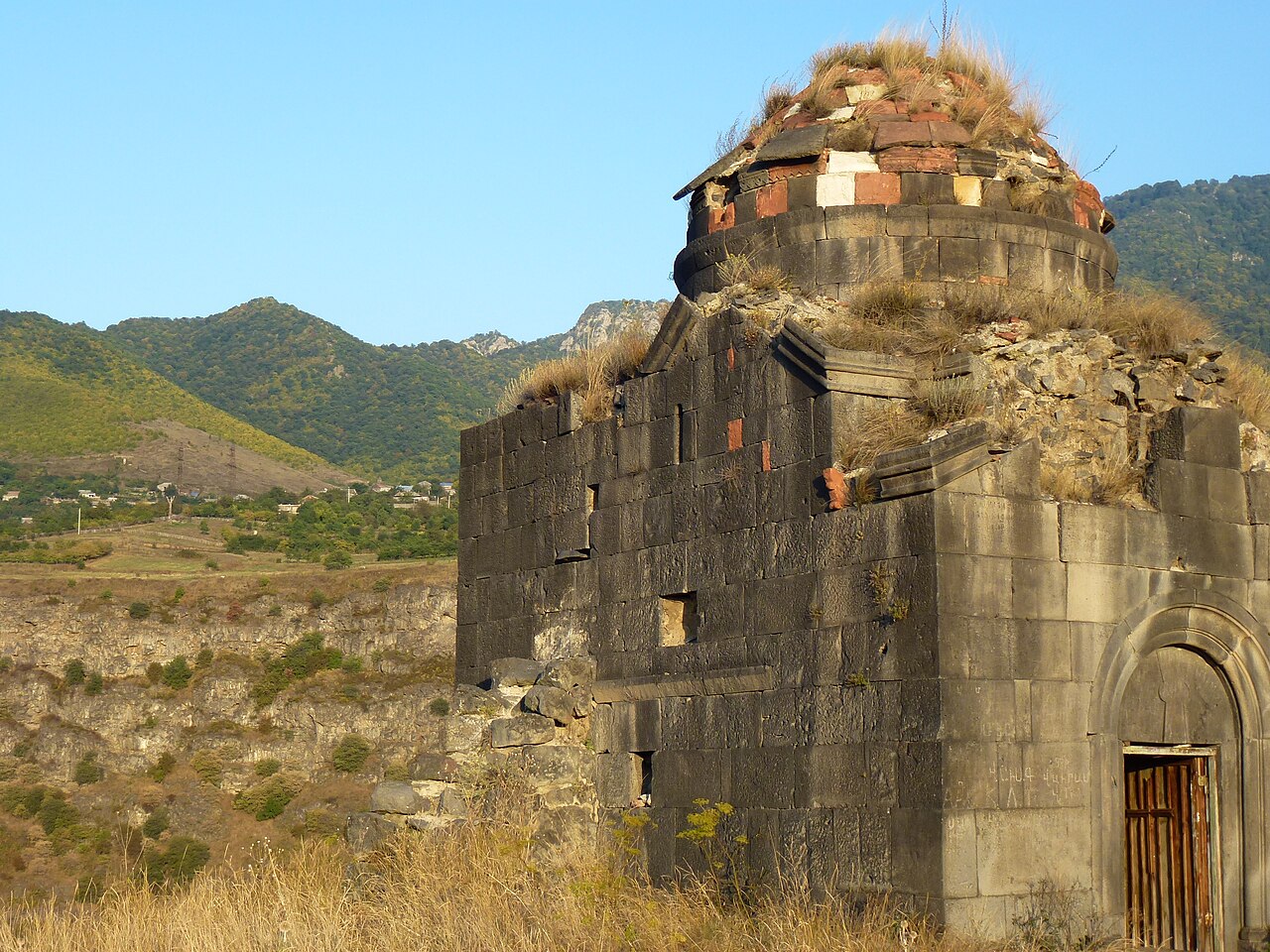
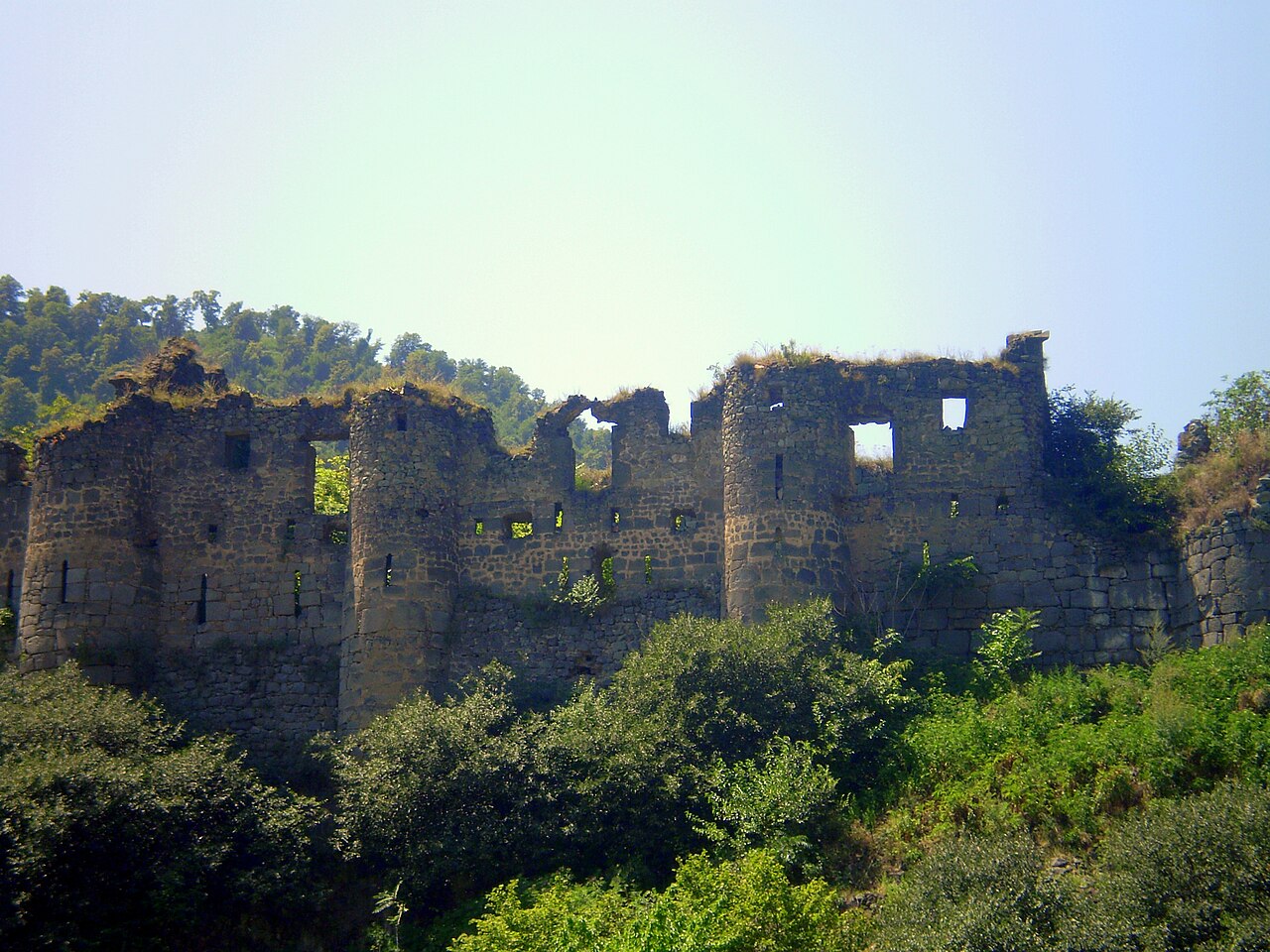
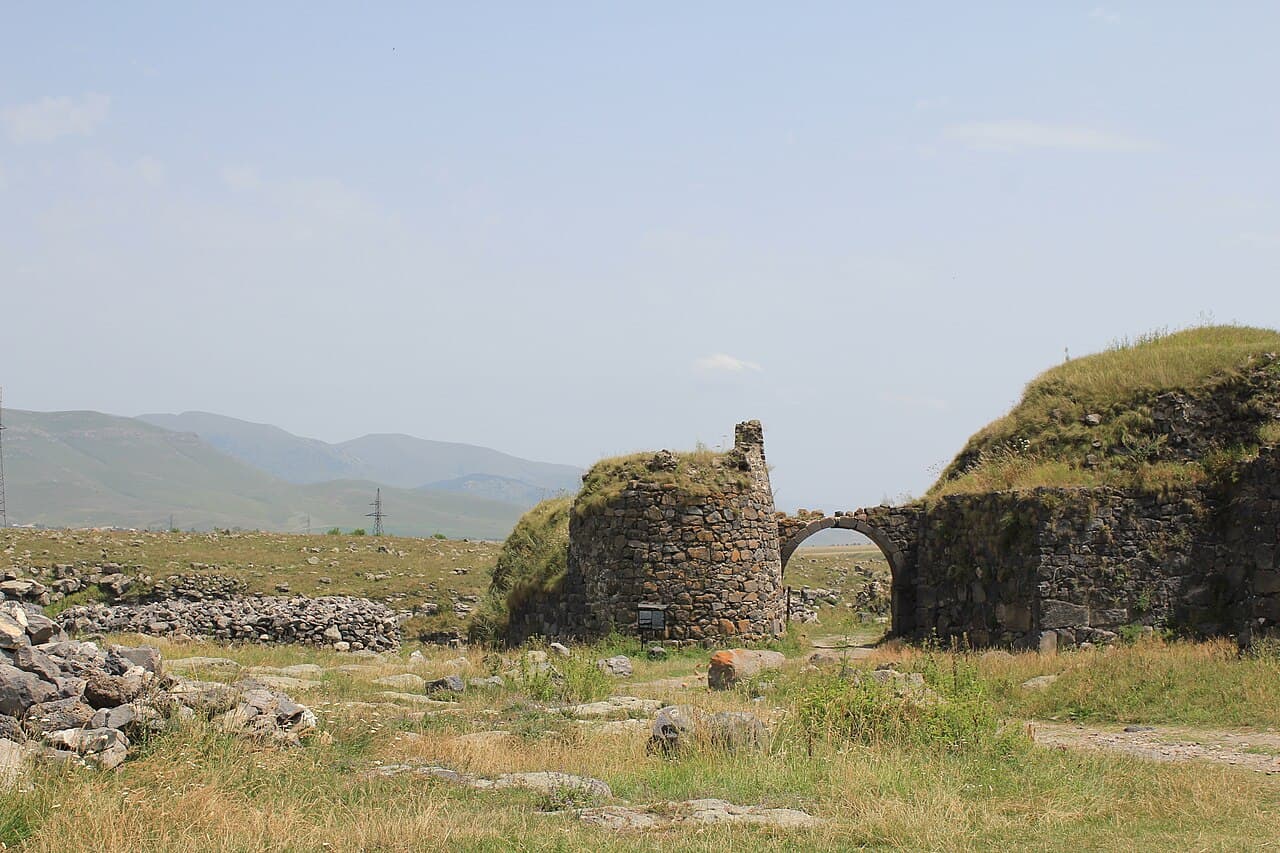
Lori Berd Fortress (Armenian: Լոռի բերդ, Georgian: ლორეს ციხე) is a prominent 11th-century bastioned fortress located near the village of Lori Berd in the Lori Province of Armenia. Constructed in 1065 by David Anhoghin, it served as the capital of the Kingdom of Tashir-Dzoraget, a significant medieval Armenian principality. The fortress's strategic position on a rocky outcrop overlooking the Debed River valley provided natural defensive advantages, which were enhanced by its robust fortifications.
Historical background and significance
The fortress was established during the High Medieval period, a time marked by numerous Armenian kingdoms vying for power and influence in the Caucasus region. Lori Berd played a pivotal role as a political and military center for the Tashir-Dzoraget Kingdom. Its construction reflected the need for strong defensive structures amid frequent conflicts involving neighboring Georgian and Seljuk forces.
One of the fortress's most notable historical episodes occurred in 1177, when King Giorgi III of Georgia besieged the fortress to trap his rebellious nephew, Demna of Georgia. This event highlights Lori Berd's importance as a military stronghold in the regional power struggles of the 12th century.
In 1239, the fortress fell to the Mongol commander Chagatai the Elder, marking a significant shift in control during the Mongol invasions of the Caucasus. Despite this, Lori Berd remained a symbol of Armenian resilience and medieval fortification architecture.
Architectural features and design
Lori Berd is classified as a bastioned fortress, a style characterized by angular bastions projecting from the curtain walls to improve defensive coverage and reduce blind spots. The fortress's walls follow the contours of the rocky hill, maximizing natural defenses. The thick stone walls are punctuated by towers and bastions designed to withstand sieges and artillery attacks.
The complex includes remnants of two bathhouses, which indicate the presence of sophisticated civic amenities within the fortress. Additionally, there is a notable civic building that once served as a church, reflecting the dual military and religious functions common in medieval Armenian fortresses.
Fortress layout
The fortress's layout is adapted to the uneven terrain, featuring multiple defensive layers including ramparts, bastions, and fortified gates. The main entrance was heavily fortified to control access, and the internal space was organized to support both military garrisons and the administrative needs of the kingdom.
Restoration and preservation efforts
As of 2024, restoration works are underway to preserve the Lori Berd Fortress. These efforts aim to stabilize and restore the fortress walls, the two bathhouses, and the civic building formerly used as a church. The restoration project is expected to span several years, reflecting the complexity of conserving a structure of this age and significance.
These preservation activities not only protect the fortress's architectural heritage but also enhance its accessibility and educational value for visitors and scholars interested in medieval Armenian history and architecture.
Visiting Lori Berd Fortress
The fortress is situated in the Lori Province, a region known for its rich cultural and historical landmarks. Visitors to Lori Berd can explore the extensive ruins, which offer insights into medieval Armenian military architecture and the historical context of the Tashir-Dzoraget Kingdom.
The site’s elevated position provides panoramic views of the surrounding landscape, making it a compelling destination for both history enthusiasts and nature lovers.
Frequently asked questions (FAQ)
- When was Lori Berd Fortress built and by whom?
- Lori Berd Fortress was built in 1065 by David Anhoghin as the capital of the Kingdom of Tashir-Dzoraget.
- What historical events took place at Lori Berd Fortress?
- Notable events include the 1177 siege by King Giorgi III of Georgia against his nephew Demna, and the fortress's capture by Mongol commander Chagatai the Elder in 1239.
- What architectural features characterize Lori Berd Fortress?
- It is a bastioned fortress with thick stone walls, angular bastions, two bathhouses, and a civic building that served as a church.
- Is Lori Berd Fortress currently accessible to visitors?
- Restoration works are ongoing as of 2024, but the site remains an important historical landmark in Lori Province and can be visited.
- What restoration efforts are being made at Lori Berd Fortress?
- Restoration focuses on preserving fortress walls, bathhouses, and the former church building, aiming to complete the work over several years.

Information
Loading map...
Visitor reviews
No reviews yet. Been here? Write the first review and help other travelers!
Write the first reviewVisited this castle? Share your experience
Your review helps other travelers and adds first-hand knowledge to our encyclopedia.