Kayan Berd
Kayan Berd, also known as Kayanberd or Dsevank (Կայանբերդ or Դսեվանք), is a significant 13th-century fortress and former monastery situated in the Lori province of Northern Armenia. This site represents a unique blend of military and religious architecture from the High Medieval period, reflecting the turbulent history and spiritual heritage of medieval Armenia.
Historical background and significance
The fortress was constructed during the 13th century, a time marked by frequent invasions and political instability in the region. Kayan Berd served both as a defensive stronghold and a religious center, evidencing the dual role of many Armenian fortifications of the era. The name Dsevank indicates its monastic function, as it was once home to an Armenian Apostolic Church monastery.
Located strategically in the Lori region, the fortress was part of a network of fortifications that protected the Armenian highlands from external threats. Its position allowed control over important trade routes and local settlements, making it a vital military and administrative site.
Architectural features and layout
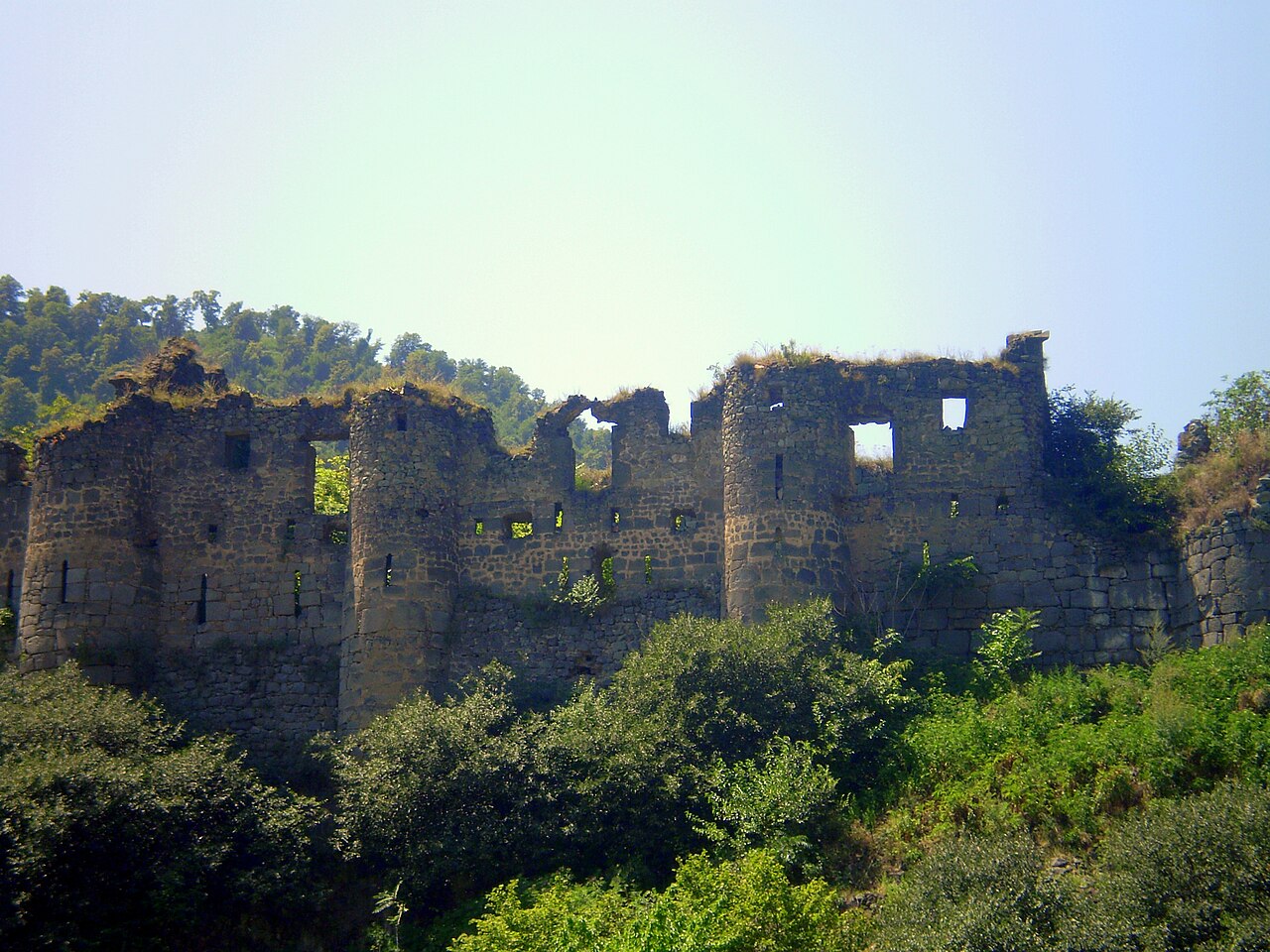
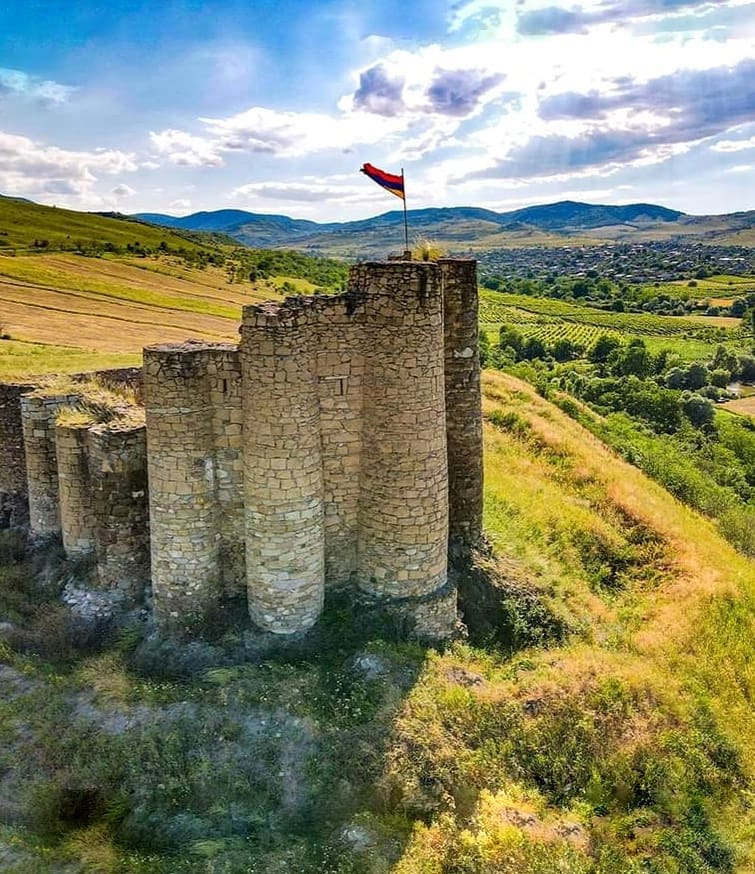
Kayan Berd is primarily recognized today as archaeological ruins, but its remaining structures reveal important aspects of medieval Armenian fortress design. The fortress was built using local stone, with thick defensive walls that once enclosed the complex. The walls were likely equipped with battlements and towers, common features designed to enhance defense capabilities.
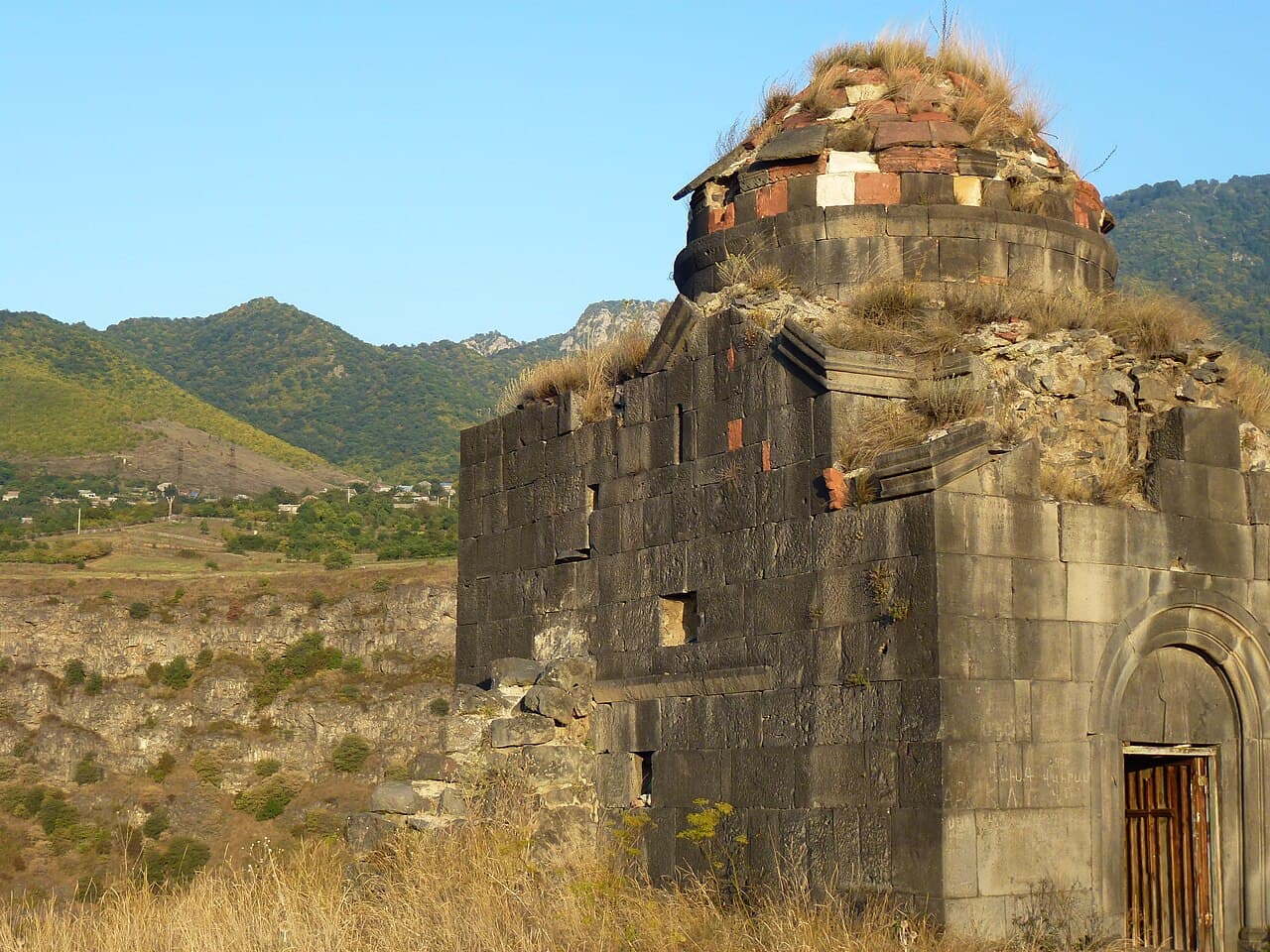
The monastic buildings within the fortress included a church, living quarters, and ancillary structures typical of Armenian monastic complexes. The church would have featured characteristic Armenian architectural elements such as a central dome, stone carvings, and khachkars (cross-stones) which are emblematic of Armenian religious art.
Defensive structures
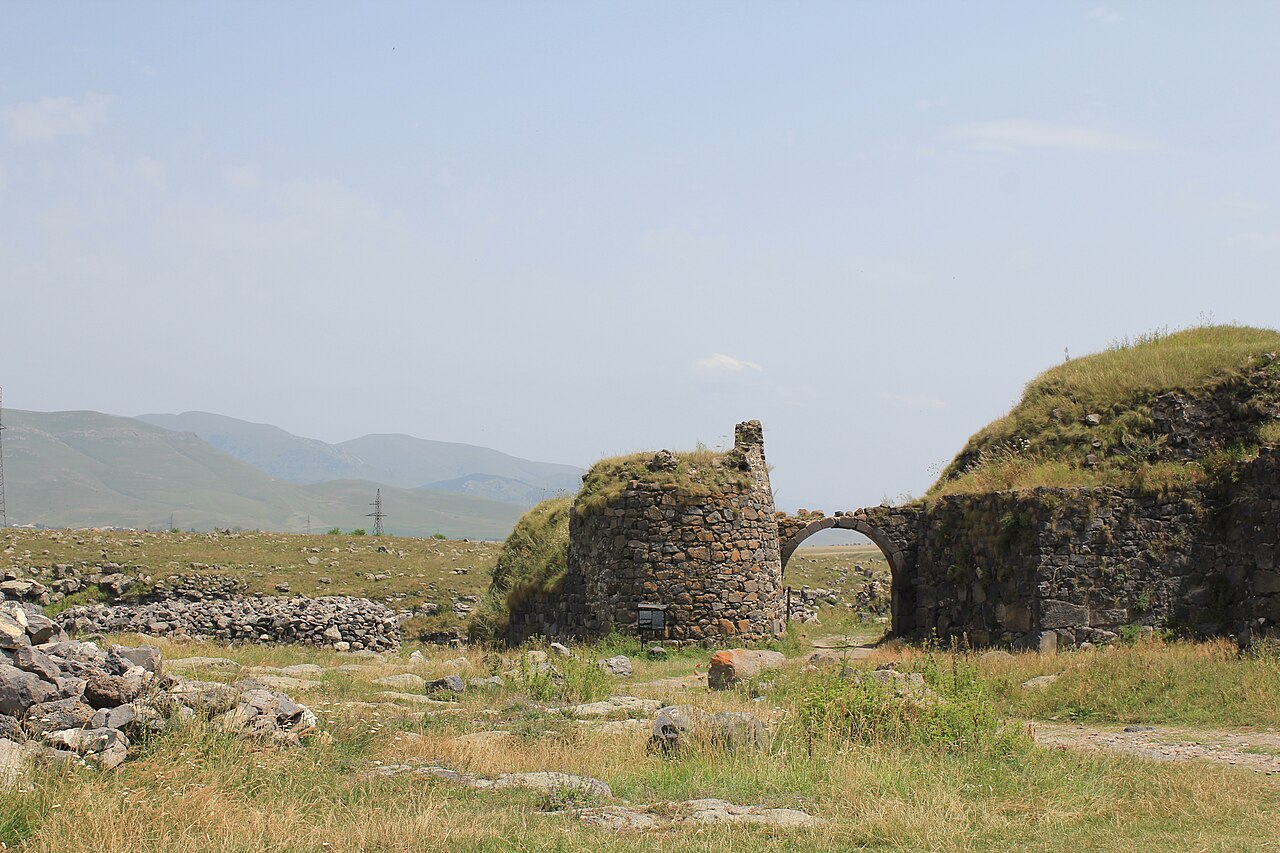
The fortress walls were constructed to withstand sieges, with narrow arrow slits and possibly machicolations for dropping projectiles on attackers. The entrance would have been fortified with a gatehouse, possibly including a portcullis and defensive towers flanking the main gate to control access.
Monastic architecture
The church within Kayan Berd likely followed the traditional Armenian style, with a cruciform plan and a dome resting on a drum. The monastery would have served as a religious center for the local community and the garrison stationed at the fortress. The presence of khachkars and inscriptions would have provided spiritual and cultural significance to the site.
Current condition and archaeological importance
Today, Kayan Berd stands as ruins, with much of the original structure lost to time and natural decay. Despite this, the site remains an important archaeological and cultural landmark in Armenia. Excavations and studies have helped to uncover its layout and historical context, contributing valuable insights into medieval Armenian fortifications and monastic life.
The ruins attract historians, archaeologists, and visitors interested in Armenia's medieval heritage and the intersection of military and religious architecture. Preservation efforts focus on stabilizing the remaining structures and promoting awareness of the site's historical value.
Visiting Kayan Berd
The fortress is accessible to visitors interested in exploring Armenia's rich medieval past. While facilities may be limited due to its ruinous state, the site offers a compelling glimpse into the architectural and historical legacy of the Armenian Apostolic Church and medieval Armenian fortresses.
Visitors should prepare for rugged terrain and bring appropriate gear for exploring archaeological ruins. The surrounding Lori region also offers natural beauty and other historical sites, making it a rewarding destination for cultural tourism.
Frequently asked questions (FAQ)
- When was Kayan Berd built and what was its purpose?
- Kayan Berd was built in the 13th century as a fortress and monastery, serving both defensive and religious functions during the High Medieval period.
- What architectural features are notable at Kayan Berd?
- The fortress featured thick defensive walls, battlements, towers, and a monastic church with a central dome, stone carvings, and khachkars typical of Armenian architecture.
- Is Kayan Berd accessible to visitors today?
- Yes, Kayan Berd is accessible to visitors as an archaeological ruin. Visitors should be prepared for uneven terrain and limited facilities.
- Why is Kayan Berd historically significant?
- Kayan Berd is significant for its combination of military and religious architecture, reflecting the strategic and spiritual importance of fortresses in medieval Armenia.
- What can visitors expect when exploring Kayan Berd?
- Visitors can explore the ruins of the fortress and monastery, gaining insight into medieval Armenian fortification and monastic life, set within the scenic Lori region.
Photo gallery

Information
Loading map...
Visitor reviews
No reviews yet. Been here? Write the first review and help other travelers!
Write the first reviewVisited this castle? Share your experience
Your review helps other travelers and adds first-hand knowledge to our encyclopedia.