Loches Castle
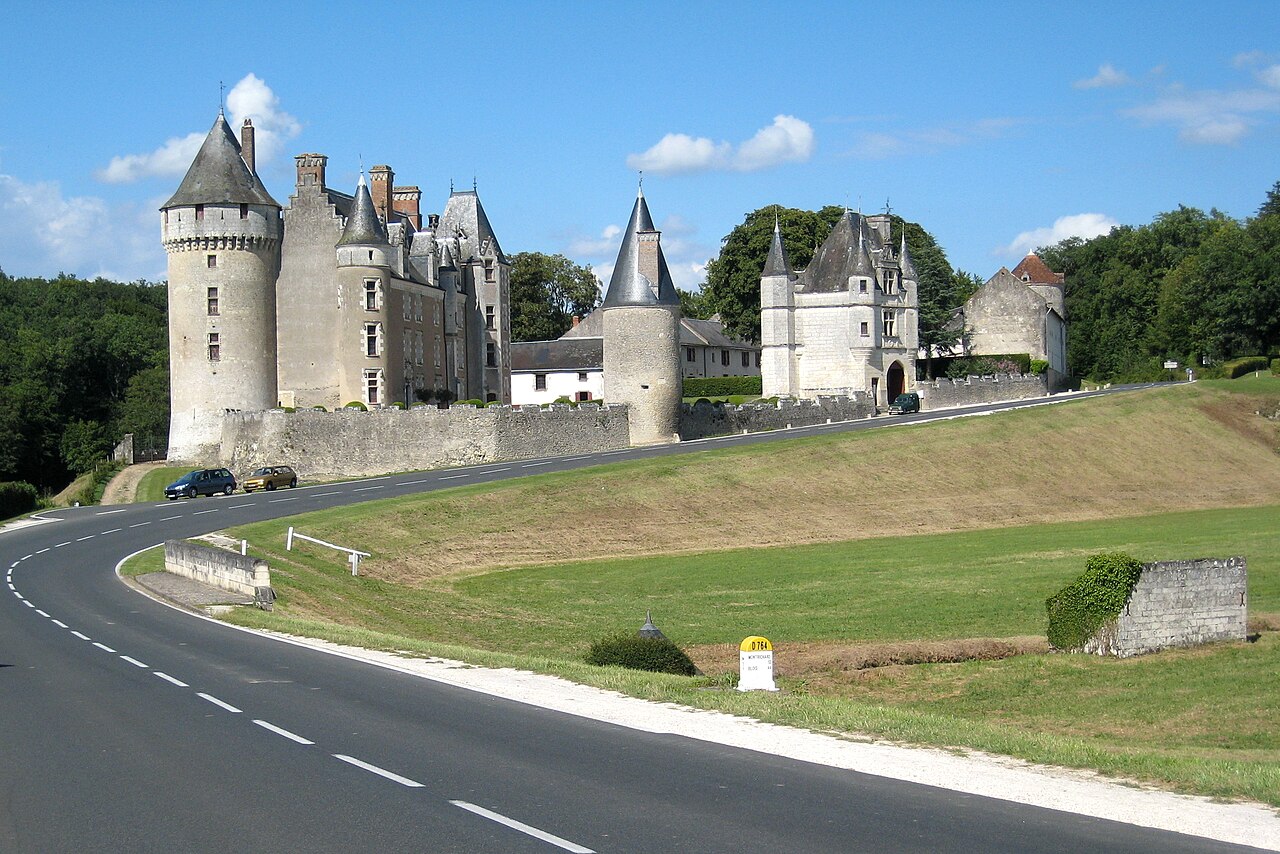
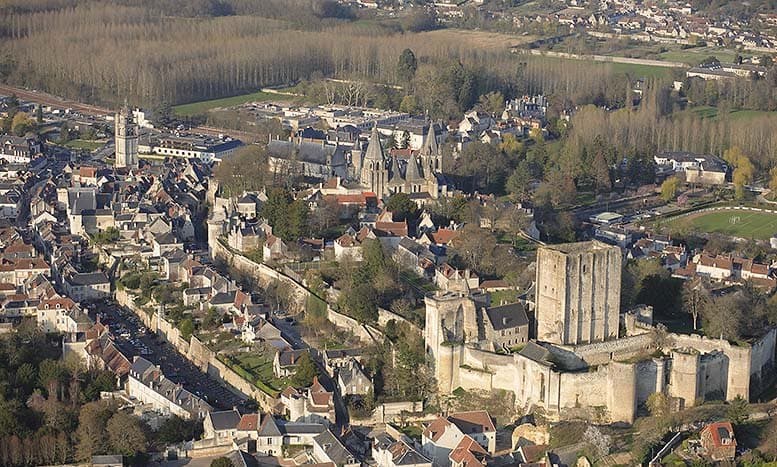
Loches Castle is a monumental medieval fortress located in the historic town of Loches, in the Centre-Val de Loire region of France. Perched approximately 500 meters above the Indre River, this imposing castle is renowned for its massive square keep (donjon), one of the finest examples of medieval military architecture in the Loire Valley. The castle complex also includes a royal residence, a collegiate church, and extensive gardens, forming a rich heritage site that reflects centuries of French history and architectural evolution.
The origins of Loches Castle date back to the 9th century, with its initial fortifications established to control the strategic valley. The castle's most significant construction phase occurred during the High Medieval period, especially in the 12th and 13th centuries, when it was extensively developed under the reign of Henry II of England and his son, Richard the Lionheart. The fortress played a crucial role in the Angevin Empire's defense during the conflicts with the French crown, notably resisting assaults by King Philip II of France until its capture in 1204. Following this, the castle was upgraded into a formidable military stronghold under French control.
Architectural features and military significance
The massive donjon and fortifications
The centerpiece of Loches Castle is its massive square donjon, which stands as a testament to medieval military engineering. Constructed over several centuries, from the 11th to the 15th century, the keep was designed to serve both as a final defensive refuge and as a symbol of feudal power. Its thick walls, narrow arrow slits, and elevated position made it nearly impregnable. Surrounding the keep are extensive fortifications including curtain walls, towers, and a moat, which were progressively enhanced to adapt to evolving siege warfare techniques.
The royal residence and its historical importance
Adjacent to the military structures is the royal residence, a remarkable example of Middle Ages and pre-Renaissance architecture. This residence became a favored home of the Valois dynasty. It holds a special place in French history as the site where Joan of Arc met Charles VII before his coronation, marking a pivotal moment in the Hundred Years' War. The residence features a front terrace offering breathtaking views over the town of Loches and the Indre valley, emphasizing the castle's strategic and symbolic prominence.
The dungeon and its evolution
The dungeon or keep of Loches Castle was not only a military bastion but also served as a prison for several centuries. Initially completed in the 11th century, the dungeon underwent continuous modifications until the 15th century. Under King Louis XI, the castle was converted into a state prison, a function it retained until 1926. During this period, the castle housed notable prisoners, reflecting its importance in the judicial and political history of France.
The collegiate church of saint-ours
Within the castle complex lies the Collegiate Church of Saint-Ours, an architectural gem dating back to between 963 and 985. The church is distinguished by its two unusual octagonal hollow pyramids or "dubes" from the 12th century, which contribute to its unique silhouette. It was originally built to house a revered relic, one half of the belt of the Virgin Mary, brought from Constantinople. The church also contains the marble tomb of Agnès Sorel, the mistress of Charles VII, adding to its historical significance.
The medieval garden and cultural heritage
The castle grounds include a meticulously recreated medieval garden of approximately 700 square meters. This garden reflects the three main types of medieval gardens: the manorial garden, monastery garden, and farmer's garden. It also features a secret garden with plants believed to have special virtues, such as joubarbe, traditionally thought to protect against lightning. The garden enhances the cultural and historical ambiance of the site, offering visitors a sensory connection to the medieval period.
The lansyer museum and artistic legacy
Located within the royal city of Loches, the Lansyer Museum is housed in the former mansion of Emmanuel Lansyer, a celebrated 19th-century landscape painter. Lansyer's extensive oeuvre, including over 1,500 paintings and a significant collection of Japanese art, is showcased here. The museum also features original etchings by renowned artists such as Piranesi and Canaletto. This artistic heritage adds a rich cultural layer to the historical significance of Loches Castle and its surroundings.
Historical events and restoration efforts
Loches Castle has witnessed numerous significant historical events. After its capture by Philip II in 1204, it became a strategic royal fortress. It was favored by Charles VII, who gifted it to Agnès Sorel. During the American Revolution, the castle served as a prison for captured English soldiers, reflecting France's role in the conflict. The French Revolution brought damage and ransacking to the castle, but restoration efforts began in 1806 to preserve its legacy. Today, parts of the castle remain in ruins, while others are well-preserved or restored, allowing visitors to explore its rich past.
Owned by the Commune of Loches, the castle and the adjacent Collegiate Church of Saint-Ours are open to the public. Recognized as a monument historique since 1861, Loches Castle is a key part of the Châteaux of the Loire and a testament to the region's medieval and Renaissance heritage.
Frequently asked questions (FAQ)
- What are the main attractions to see at Loches Castle?
- Visitors can explore the massive square donjon, the royal residence, the Collegiate Church of Saint-Ours with its unique octagonal towers, and the medieval garden. The Lansyer Museum nearby also offers an impressive collection of art.
- When was Loches Castle built and who were its original builders?
- Loches Castle was originally constructed in the 9th century, with major expansions during the 12th and 13th centuries under Henry II of England and Richard the Lionheart.
- Is Loches Castle accessible to the public and what are the visiting hours?
- Yes, Loches Castle is open to the public. Visiting hours typically vary seasonally, so it is recommended to check the official site or local tourist information before planning your visit.
- What historical events is Loches Castle known for?
- The castle played a key role in the conflicts between England and France during the Middle Ages, was a favorite residence of Charles VII, and served as a state prison until the 20th century.
- Can I visit the medieval garden at Loches Castle?
- Yes, the medieval garden is open to visitors and features plants typical of the period, including a secret garden with plants believed to have special protective properties.
Photo gallery

Information
Sources & official resources
Verify the information above using these authoritative references.
Loading map...
Visitor reviews
No reviews yet. Been here? Write the first review and help other travelers!
Write the first reviewVisited this castle? Share your experience
Your review helps other travelers and adds first-hand knowledge to our encyclopedia.