Liptovský Hrádok Castle
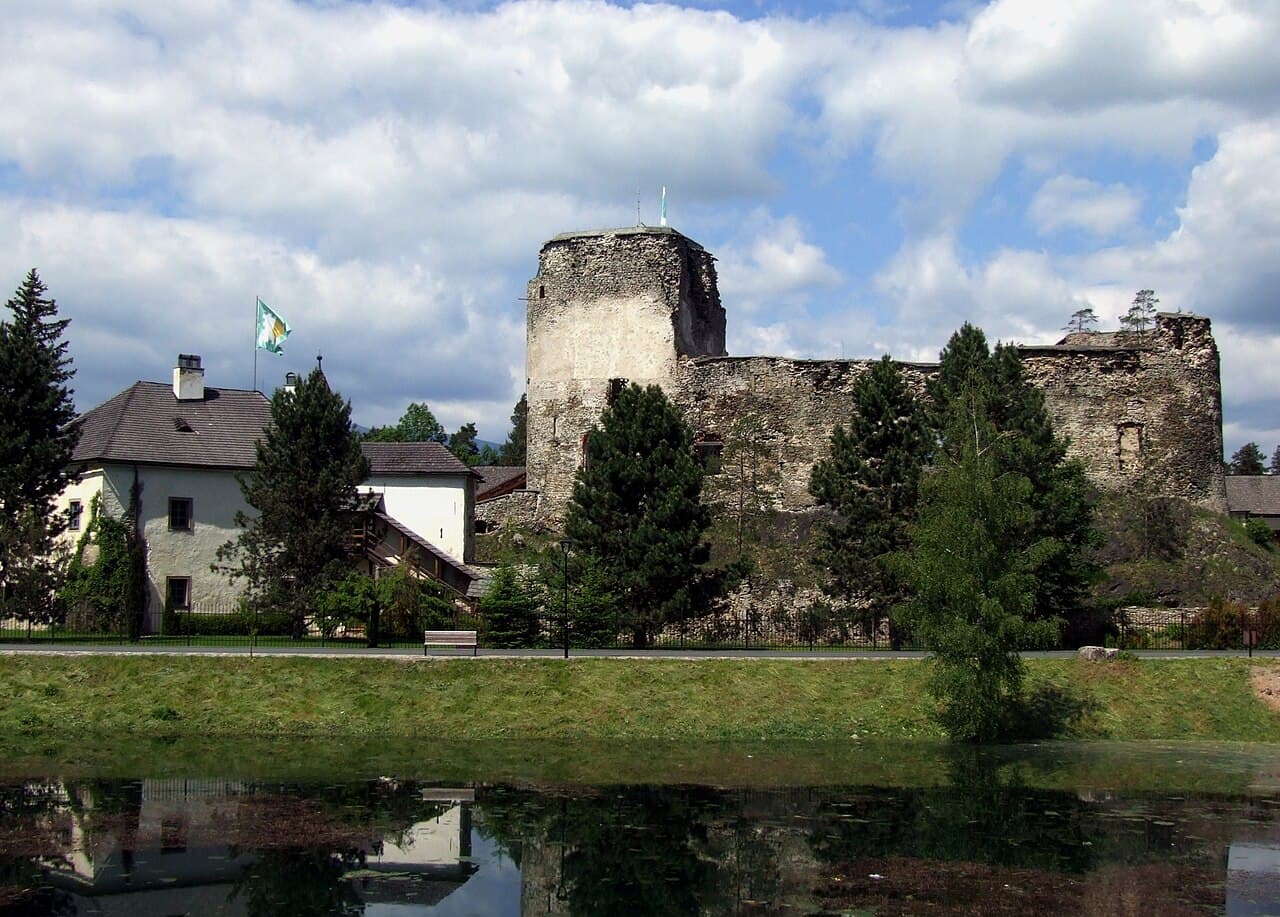
Liptovský Hrádok Castle was originally constructed in the early 14th century by Magister Donč, the head of Zvolen county, as a Gothic stone fortress perched on a small dolomite rock. This strategic location allowed it to oversee the important Via Magna trade route, which connected central Europe with the southeast, serving emperors, kings, and Transylvanian princes. The castle's defensive design included a surrounding moat, now reduced to a small romantic lake, reflecting its medieval military architecture.
The first written record of the castle dates to 1341, where it was called Wywar, and later documents refer to it as Novum Castrum or Hradek, meaning "New Castle." Throughout its history, the castle changed hands multiple times, reflecting the turbulent political landscape of the region. In 1399, King Žigmund entrusted the castle's administration to M. Gorjanský. It was seized by the Hussites in 1433 and later by the forces of Jiskra, highlighting its military significance during the Late Medieval period.
Architectural features and construction
The castle was built in the Gothic style typical of the Late Medieval period, featuring robust stone walls and defensive elements designed to withstand sieges and attacks. Its position on a dolomite rock provided natural fortification, while the moat enhanced its defense. The castle complex included residential quarters, defensive towers, and storage areas, all arranged to support both military and administrative functions.
Renovations and expansions
Between 1554 and 1600, the castle was owned by the prominent Balassa family, who undertook significant renovations. Valentín Balaši, a notable member of this family, along with his brother František, invested over 3,000 gold coins in 1579 to build new castle walls and renovate existing structures. These enhancements reflected Renaissance influences and aimed to modernize the fortress for both defense and residential comfort.
Historical significance and notable figures
Valentín Balaši was a key figure associated with Liptovský Hrádok Castle. Born into the aristocratic Balassa family, he was educated in multiple languages and cultures, including Slovak, Hungarian, and Turkish. Balaši was a respected soldier who fought in Transylvania and Poland against the Turks. His cultural contributions include being the first great Renaissance poet in Hungary, writing in several languages and pioneering Hungarian lyrical and erotic poetry. He also authored the oldest secular love poem in Slovak, preserved in the Codex of J. J. Fanchali.
During the 16th century, the castle was strategically important as part of the Imperial-Royal postal road system established by King Ferdinand I. This road, completed in 1558, extended over a thousand kilometers, with over 500 kilometers passing through Slovakia, including near Liptovský Hrádok. The castle thus played a vital role in communication and transport across the region.
Later ownership and events
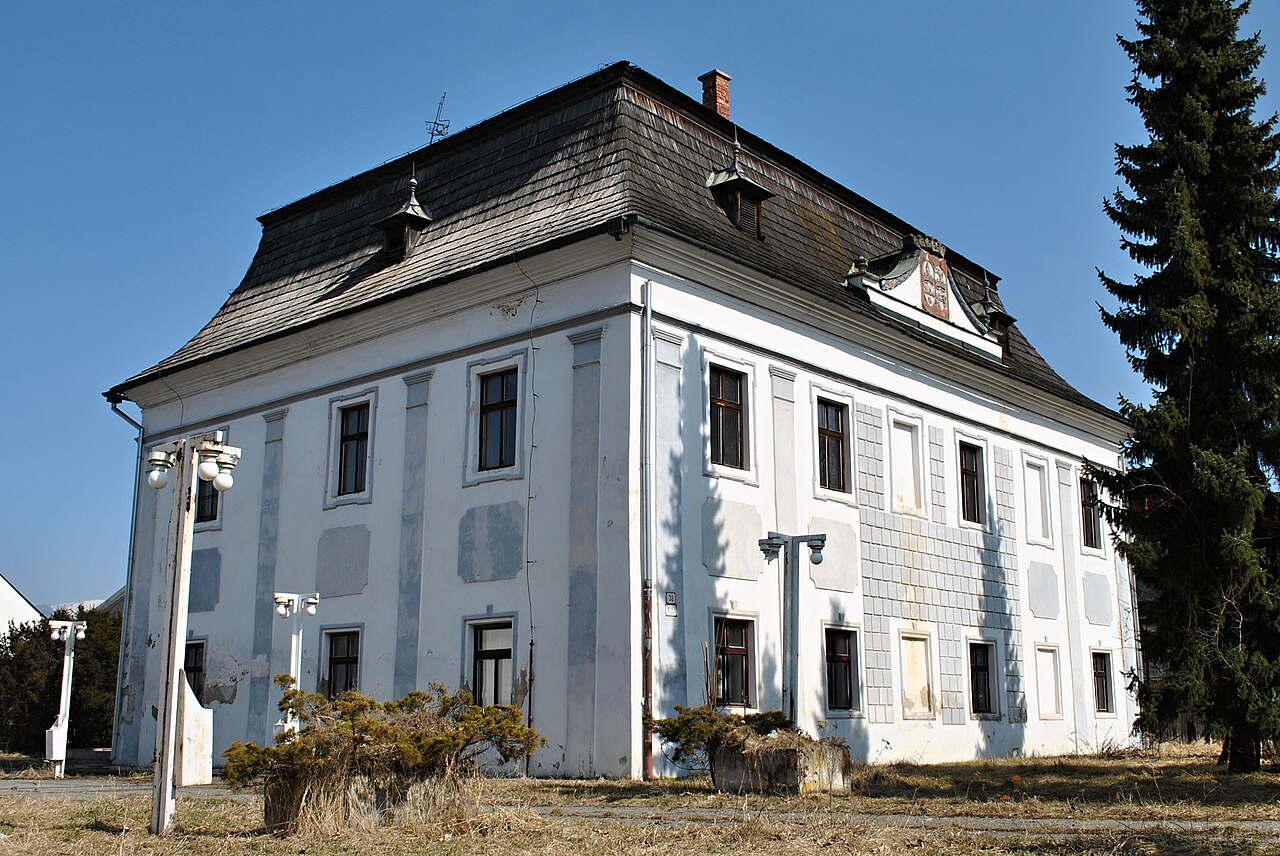
In 1600, ownership passed to Mikuláš Sándorfi through marriage to Magdalena Zai, herself a widow of a Balassa family member. They built a Renaissance manor house adjacent to the castle between 1601 and 1603, utilizing stones from the old castle walls. The manor served as residential quarters with storage and servant housing on the ground floor and noble accommodations above.
Magdalena Zai was notable for her multiple marriages, which helped secure her ownership of the castle through turbulent times. The castle was a refuge during the early 17th century, notably safeguarding the Crown of St Stephen in 1622. It withstood various anti-Habsburg uprisings and was fortified against rebel forces led by František Rákoczi.
The castle in conflict and decline
The Battle of Švihrová in 1709 saw rebel forces attacking the castle, causing significant damage despite the defenders' success. Ownership transferred to the Prince of Lichtenstein and later to the Royal Chamber in 1731. The castle's military importance waned, and it gradually fell into decline.
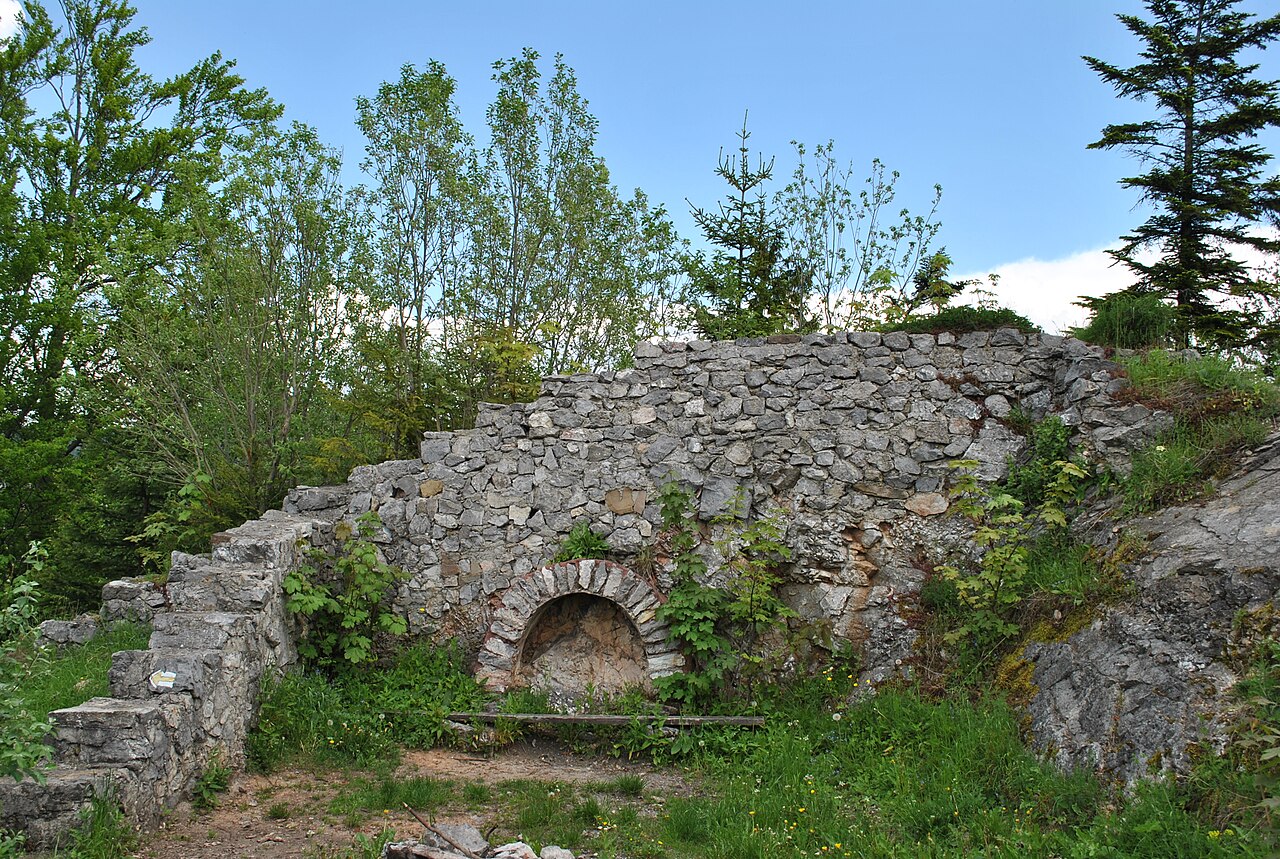
A devastating fire in 1803 destroyed much of the castle and manor house. Only the manor house was restored, while the castle itself became a ruin. Floods in 1813 further damaged the site. In the 19th and early 20th centuries, the manor house served various administrative functions, including housing the district court and the Hungarian royal forest office.
Preservation and modern use
By the 20th century, the castle ruins and manor house had become a prominent landmark in Liptovský Hrádok and the upper Liptov region. Despite concerns about deterioration, no major restorations occurred before the late 20th century. The manor house functioned as the Ethnographic Museum of the Liptov Region from 1960 until the Velvet Revolution.
After years of neglect, reconstruction efforts began in 2002 and were completed in 2011. Today, the site combines historical preservation with modern hospitality, hosting a hotel and restaurant within the restored manor house. The castle ruins remain a significant cultural heritage site, attracting visitors interested in medieval architecture and Slovak history.
Legacy and cultural importance
Liptovský Hrádok Castle’s history reflects the complex political and cultural shifts in Slovakia from the Late Medieval period through the Renaissance and into modern times. Its association with the Balassa family and Valentín Balaši highlights the castle’s role not only as a military fortress but also as a center of cultural and intellectual activity. The castle’s strategic position on the Via Magna and later the Imperial postal road underscores its importance in European trade and communication networks.
Today, the castle ruins and manor house stand as a testament to centuries of Slovak history, offering insights into medieval fortification techniques, Renaissance architecture, and the region’s aristocratic heritage. Visitors can explore the preserved structures and enjoy the surrounding landscape, which continues to evoke the castle’s historical significance.
Frequently asked questions (FAQ)
- How do I get to Liptovský Hrádok Castle?
- Liptovský Hrádok Castle is easily accessible by car and public transport. If you're traveling by train, the nearest station is in Liptovský Hrádok, which is a short walk from the castle. Additionally, there are local buses that connect the castle with nearby towns.
- What is the historical significance of Liptovský Hrádok Castle?
- Liptovský Hrádok Castle dates back to the 13th century and played a crucial role in the defense of the region against various invasions. It has been a witness to numerous historical events, including battles and political changes, making it an important landmark in Slovak history. Today, it serves as a reminder of the medieval era and the architectural style of that time.
- When was Liptovský Hrádok Castle built?
- Construction of Liptovský Hrádok Castle began in the 13th century, with significant modifications and expansions occurring in subsequent centuries. The castle's architecture reflects various styles due to these changes, including Gothic and Renaissance elements. Its long history adds to its charm and attraction.
- Can I take guided tours of the castle?
- Yes, guided tours are available at Liptovský Hrádok Castle, providing visitors with in-depth knowledge about its history and architecture. Tours typically run at scheduled times throughout the day, and it's advisable to check the official website for current availability and to book in advance during peak season.
- Why is Liptovský Hrádok Castle popular among tourists?
- Liptovský Hrádok Castle is popular due to its stunning architecture, rich history, and picturesque setting in the Liptov region. Visitors appreciate the chance to explore the beautifully preserved interiors and enjoy panoramic views of the surrounding countryside. Its proximity to other attractions, such as the Low Tatras National Park, also makes it a great stop for tourists.
- Is it possible to visit Liptovský Hrádok Castle year-round?
- Yes, Liptovský Hrádok Castle is open for visitors year-round, although hours may vary seasonally. During the winter months, it's advisable to check for any weather-related closures or reduced hours. The castle offers a unique experience in each season, making it worthwhile to visit at different times of the year.
- What are the ticket prices for visiting Liptovský Hrádok Castle?
- Ticket prices for Liptovský Hrádok Castle vary depending on the season and the type of tour you choose. Generally, adult tickets range from a small fee for self-guided tours to a higher price for guided tours. Discounts are often available for children, seniors, and groups, so be sure to check the official website for the most current pricing.
- What are the opening hours for Liptovský Hrádok Castle?
- Liptovský Hrádok Castle typically opens at 10 AM and closes at 6 PM during the tourist season, with shorter hours in the off-peak months. It's recommended to verify the exact hours on the castle's website before your visit, as they may change due to special events or holidays. Planning your visit around the opening hours ensures you have ample time to explore the site.
- Are there any nearby attractions to visit while at Liptovský Hrádok Castle?
- Yes, there are several nearby attractions that complement a visit to Liptovský Hrádok Castle. The beautiful Liptovská Mara reservoir offers recreational activities, while the charming town of Liptovský Mikuláš is known for its cultural sites and winter sports. The Low Tatras National Park, with its hiking and skiing opportunities, is also just a short drive away.
Photo gallery

Information
Website
Visit websiteSources & official resources
Verify the information above using these authoritative references.
Loading map...
Visitor reviews
No reviews yet. Been here? Write the first review and help other travelers!
Write the first reviewVisited this castle? Share your experience
Your review helps other travelers and adds first-hand knowledge to our encyclopedia.