Lierna Castle
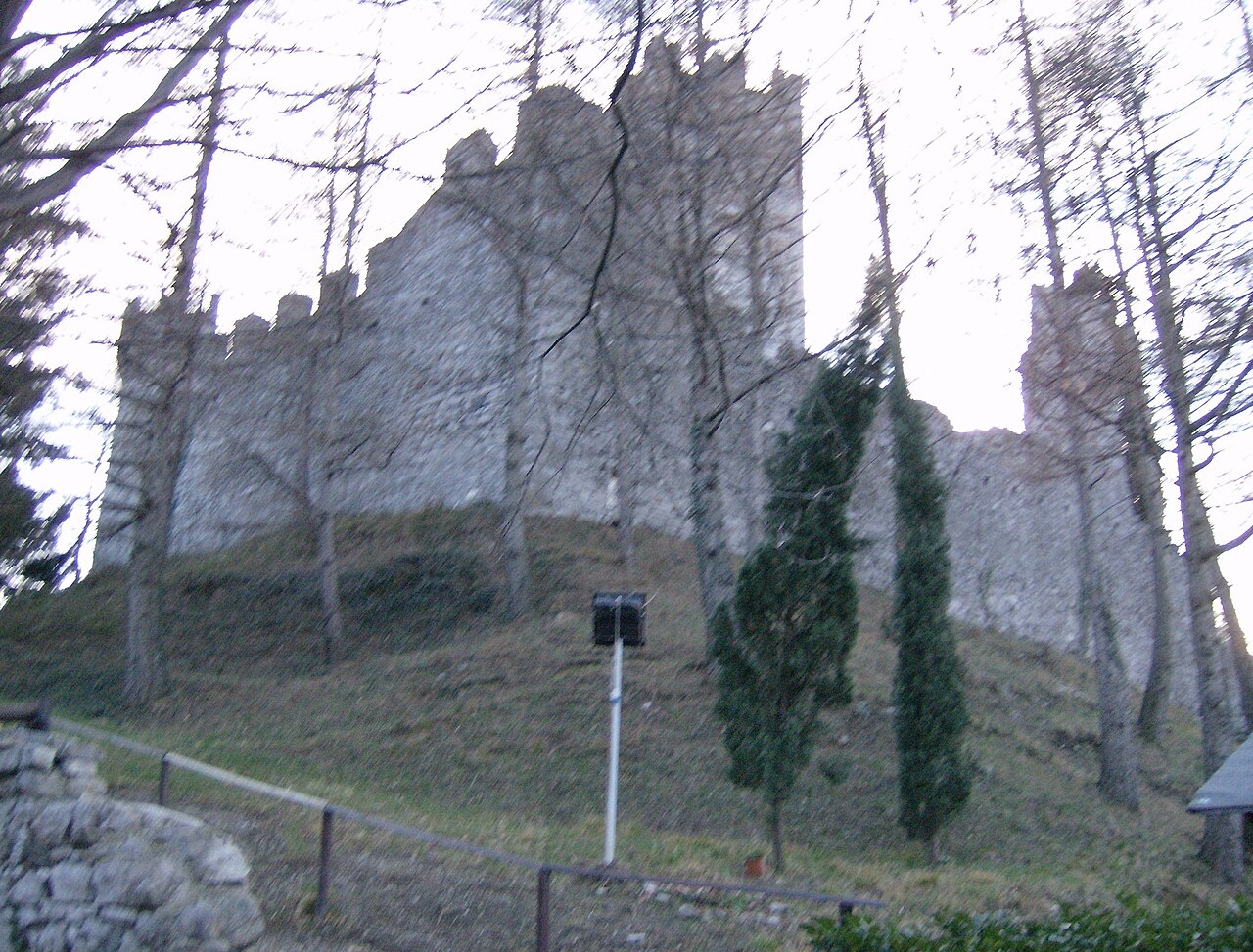
Lierna Castle is a remarkable example of a Romanesque hill castle situated on a strategic peninsula that extends into Lake Como in the northern Italian region of Lombardy. Its unique location on this natural promontory provided a defensible position that shaped its military and residential history from the early medieval period through the Renaissance and beyond. The castle complex today consists of a series of interconnected buildings rather than a single monolithic structure, reflecting centuries of architectural evolution and adaptation.
The origins and early history of Lierna Castle
The site of Lierna Castle has a deep historical lineage dating back to Roman times, as it was originally built upon the foundations of earlier Roman ruins. The main phase of construction that defines the castle’s current form began in the 10th century, during the early medieval period, when the Romanesque architectural style was prevalent. This era saw the establishment of the castle as a fortified settlement designed to control the vital waterways and land routes along Lake Como.
One of the earliest notable historical associations of the castle is with Queen Theodolinda, the Lombard queen who ruled from 589 to 616. Tradition holds that she resided at the site, underscoring the castle’s significance during the Lombard kingdom in northern Italy. This connection situates Lierna Castle within the broader narrative of early medieval power struggles and territorial control in the region.
Architectural features and layout
The castle’s architecture is characterized by its Romanesque style, evident in the robust masonry, rounded arches, and thick defensive walls that form the core of the surviving structures. The complex is not a single fortress but rather a cluster of buildings linked together, which includes residential quarters, defensive walls, and religious structures, all integrated into the natural topography of the peninsula.
The church of Saints Maurice and Lazarus
A central feature of the castle complex is the 11th-century church of Saints Maurice and Lazarus (Chiesa dei Santi Maurizio e Lazzaro), which holds both religious and military significance. This church was constructed during the Romanesque period atop Roman foundations and was designed to serve as a sanctuary during sieges. Its apse faces the lake, providing a protective bastion, while the entrance is secured within the castle walls. The interior contains 15th-century frescoes that add artistic and cultural value to the site.
The church is also historically linked to the Order of Saints Maurice and Lazarus, a chivalric order founded in the 16th century. A bronze bell within the church bears the emblem of this order, symbolizing the castle’s ongoing religious and dynastic importance during the Renaissance.
Military history and strategic importance
Lierna Castle’s location on Lake Como made it a key military asset throughout its history. In the 12th century, the castle was embroiled in the conflicts between the rival city-states of Milan and Como. Its position allowed control over naval traffic and land access, making it a valuable stronghold in regional power struggles.
During the mid-16th century, the castle was a military base for the mercenary leader Gian Giacomo Medici, known as "Medeghino." His use of the castle marked a period of intense martial activity, culminating in its capture in 1532 by forces from the Grisons after heavy fighting. This event effectively ended the castle’s role as a military fortress and initiated its transition toward a residential and commercial settlement.
The cultural and religious significance
On January 22, 1573, Lierna Castle’s church was the site where Emmanuel Philibert of Savoy established the Order of Saints Maurice and Lazarus, following papal approval by Pope Gregory XIII. This event underscores the castle’s enduring religious and cultural role beyond its military functions. The order combined the traditions of two older chivalric groups and became an important dynastic institution in the House of Savoy.
The presence of the bronze bell with the order’s emblem within the church remains a tangible link to this 16th-century foundation, highlighting the castle’s layered historical identity.
Preservation and current status
Today, Lierna Castle is not a ruin but a well-preserved and inhabited site. It forms part of the local frazione called Castello, which is the northwesternmost of Lierna’s eleven subdivisions. The castle’s buildings have been continuously adapted over the centuries, incorporating Roman foundations into medieval and later structures. This continuous occupation has helped preserve the castle’s architectural integrity and historical ambiance.
The castle’s integration into the modern community reflects its evolution from a strategic military fortress to a residential and cultural landmark. Visitors can observe the blend of ancient Roman elements, Romanesque architecture, and Renaissance religious art within the castle complex, providing a rich historical experience.
Architectural details and notable features
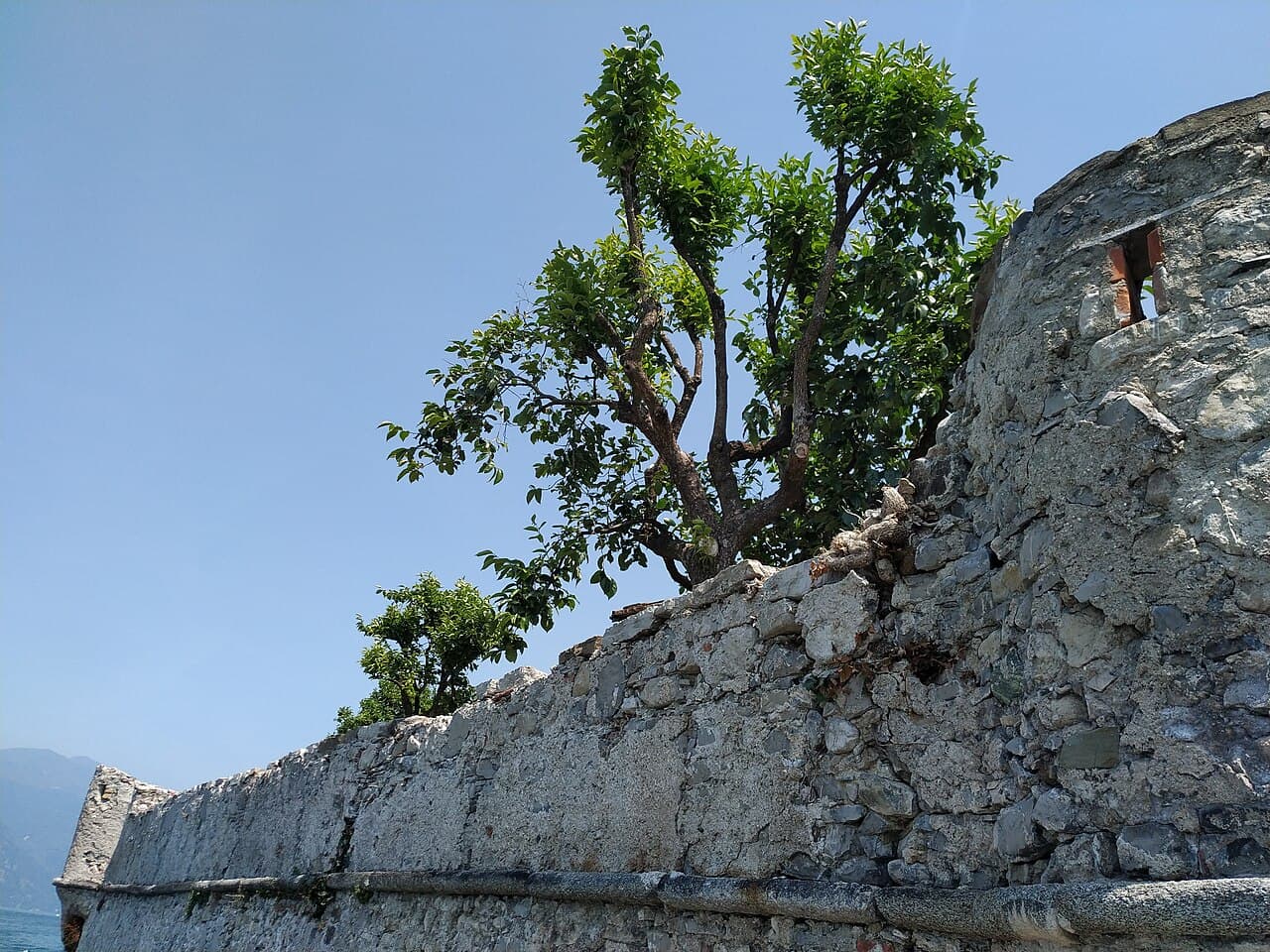
The castle’s defensive structures include thick stone walls that capitalize on the peninsula’s natural defensibility. The layout includes interconnected buildings forming a compact fortified settlement rather than an isolated keep. The use of Roman masonry techniques in the foundations is visible in parts of the complex, demonstrating the continuity of building traditions.
The church of Saints Maurice and Lazarus stands out for its dual function as a place of worship and a defensive bastion. Its apse facing the lake was strategically designed to resist attacks from the water, while the entrance’s location within the castle walls ensured protection. The frescoes inside add a layer of artistic heritage, dating from the 15th century, illustrating religious themes and enhancing the cultural value of the site.
The bronze bell bearing the emblem of the Order of Saints Maurice and Lazarus is a rare surviving artifact that connects the castle to its Renaissance-era religious significance.
Visiting Lierna Castle and its surroundings
Lierna Castle is accessible to visitors who wish to explore its historical and architectural heritage. The castle’s location on Lake Como offers picturesque views and a unique setting for understanding medieval fortifications in northern Italy. Visitors can appreciate the castle’s layered history, from Roman origins through medieval military use to Renaissance cultural importance.
The nearby town of Lierna and the broader Lake Como area provide additional attractions, including natural landscapes, historic churches, and charming villages. Exploring Lierna Castle offers insights into the complex history of Lombardy and the strategic significance of Lake Como in Italy’s past.
Frequently asked questions (FAQ)
- How do I visit Lierna Castle?
- Lierna Castle is located in the municipality of Lierna on Lake Como and can be visited by arranging access through local tourism offices or private owners. The castle is part of the inhabited frazione Castello, so visitors should check for guided tours or visiting hours in advance.
- What is the historical significance of Lierna Castle?
- Lierna Castle has a rich history dating back to the 10th century, built on Roman ruins and associated with Queen Theodolinda of the Lombards. It played a strategic military role in medieval conflicts and was the founding site of the Order of Saints Maurice and Lazarus in 1573.
- What architectural style is Lierna Castle?
- Lierna Castle is primarily Romanesque in style, characterized by thick stone walls, rounded arches, and robust defensive structures. The castle complex includes an 11th-century church with 15th-century frescoes, reflecting its religious and military functions.
- Is Lierna Castle accessible for visitors with mobility issues?
- Due to its medieval construction and hillside location, Lierna Castle has uneven terrain and limited accessibility for visitors with mobility impairments. It is advisable to contact the local tourism office for specific accessibility information before planning a visit.
- When was the Order of Saints Maurice and Lazarus founded at Lierna Castle?
- The Order of Saints Maurice and Lazarus was founded on January 22, 1573, at Lierna Castle by Emmanuel Philibert of Savoy, following approval from Pope Gregory XIII. This event marked the castle's continued religious and dynastic importance.
Photo gallery

Information
Sources & official resources
Verify the information above using these authoritative references.
Loading map...
Visitor reviews
No reviews yet. Been here? Write the first review and help other travelers!
Write the first reviewVisited this castle? Share your experience
Your review helps other travelers and adds first-hand knowledge to our encyclopedia.