Liahavichy Castle
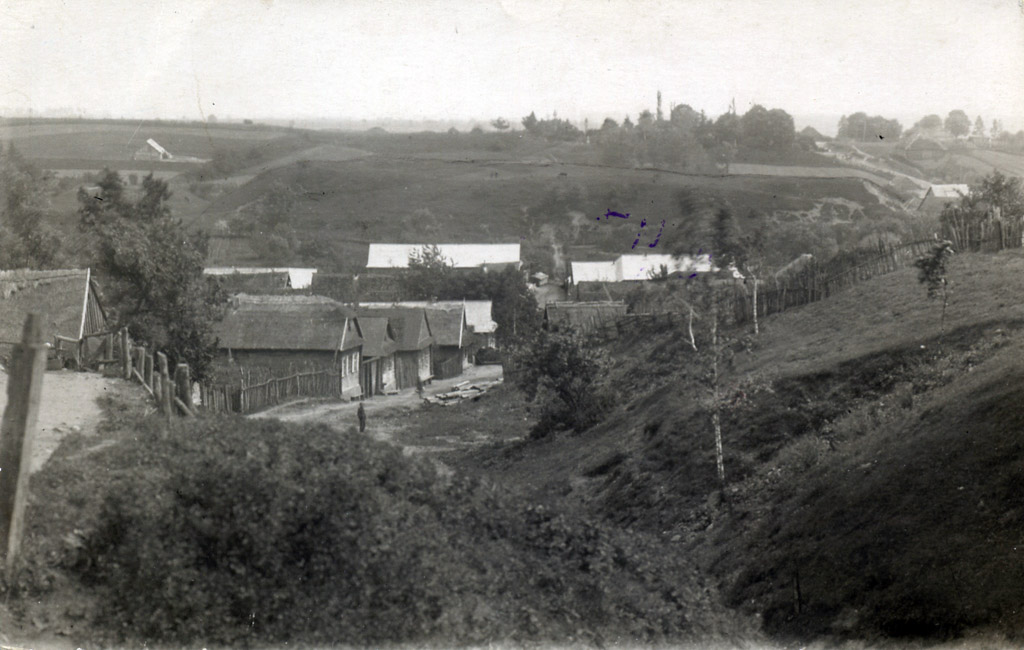
Liahavichy Castle was a prominent Renaissance hill castle located in what is now Belarus, historically significant for its military resilience and architectural features. The castle's origins likely trace back to a hill fort from the 11th or 12th century, suggesting a long-standing strategic importance of the site. Situated on a hill overlooking the Vedz'ma River, the castle utilized natural topography for defense, enhanced by a surrounding moat controlled by a dam, a common defensive feature in Renaissance fortifications.
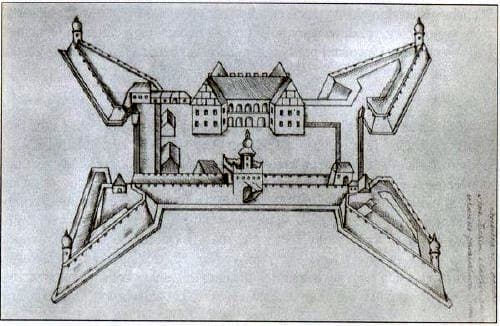
The main structure included a two-storey palace at its center, constructed at the end of the 16th century by Hetman Yan Eromin Hadkevich. This initial build reflected Renaissance architectural principles adapted to military needs, balancing residential comfort with defensive capabilities. The castle was further fortified by Yan Eromin's son, Hetman Yan Korol, who enhanced its defenses to withstand the increasing military threats of the period.
The strategic role and fortifications of Liahavichy Castle
During the 17th century, the castle was under the ownership of the powerful Sapieha family, who reinforced it extensively. These fortifications were crucial during the turbulent times of the Cossack Khmelnitzky uprisings and the Russo-Polish War (1654–1667). Remarkably, Liahavichy Castle was the only fortress in the Grand Duchy of Lithuania that resisted capture during the siege of 1660, demonstrating the effectiveness of its defenses and strategic location.
Architectural features enhancing defense
The castle's defenses included strong stone walls, a water moat regulated by a dam, and a fortified gatehouse. The moat not only hindered direct assaults but also controlled water levels to flood the surrounding area if necessary, a defensive tactic typical of Renaissance military architecture. The two-storey palace within the walls served both as a residence and a command center, combining comfort with functionality.
Destruction and legacy
The castle's military importance declined during the Great Northern War (1700–1721). The Radziwiłł family had the crown requisition the castle's cannons for the defense of Słuck, weakening its ability to resist attack. In 1706, the Swedish army burned down Liahavichy Castle along with a nearby Catholic church, leading to its destruction and eventual ruin.
Today, the site of Liahavichy Castle remains significant for its historical and cultural value, representing the military architecture and turbulent history of the region. Although only ruins remain, the castle's story reflects the broader conflicts and shifting powers in Eastern Europe during the Renaissance and early modern periods.
Historical context and significance
Liahavichy Castle's survival through the 17th century conflicts marks it as a rare example of a fortress that withstood the destructive campaigns of the Khmelnytsky Uprising and the Russo-Polish War. Its fortifications were a testament to the military engineering advancements of the Renaissance period in Eastern Europe, blending traditional defensive elements with innovations such as regulated moats and reinforced stone structures.
The castle's destruction during the Great Northern War symbolizes the shifting tides of power in the region, as the Swedish army's campaign devastated many such fortresses. The loss of the castle also reflects the strategic reallocations by noble families like the Radziwiłłs, who prioritized defense of other key locations over maintaining Liahavichy.
Architectural and archaeological insights
Archaeological studies of the site have revealed the layout of the castle's fortifications, including remnants of the moat and foundations of the central palace. These findings contribute to understanding the adaptation of Renaissance military architecture in Belarus, characterized by the integration of natural landscape features and man-made defenses.
The castle's hilltop location provided commanding views of the surrounding area, essential for early warning against invading forces. The combination of natural and constructed defenses exemplifies the strategic planning typical of hill castles in the region during the Renaissance.
Visiting Liahavichy Castle today
Although the castle is now in ruins, the site remains accessible to visitors interested in Belarusian history and military architecture. The ruins offer a glimpse into the past defensive strategies and the turbulent history of the Grand Duchy of Lithuania and its successor states. Visitors can explore the remains of the moat and the castle's footprint, appreciating the scale and strategic design of this once formidable fortress.
Frequently asked questions (FAQ)
- When was Liahavichy Castle built and by whom?
- Liahavichy Castle was built at the end of the 16th century by Hetman Yan Eromin of the Hadkevich family on a hill in the town of Liahavichy, Belarus.
- What made Liahavichy Castle significant in the 17th century?
- The castle was the only fortress in the Grand Duchy of Lithuania to survive the Cossack Khmelnitzky massacres and the Russo-Polish War, notably resisting a siege in 1660.
- How was the castle fortified to withstand sieges?
- It featured strong stone walls, a moat regulated by a dam, and a two-storey palace at the center, with fortifications enhanced by the Sapieha family in the 17th century.
- What led to the destruction of Liahavichy Castle?
- The castle was destroyed during the Great Northern War when the Swedish army burned it down in 1706 after its cannons were requisitioned for the defense of Słuck.
- Can visitors access the castle ruins today?
- Yes, although in ruins, the site is accessible to visitors who can explore the remains of the moat and foundations, offering insights into its historical significance.
Photo gallery

Public domain
Information
Loading map...
Visitor reviews
No reviews yet. Been here? Write the first review and help other travelers!
Write the first reviewVisited this castle? Share your experience
Your review helps other travelers and adds first-hand knowledge to our encyclopedia.