Lemenagh Castle
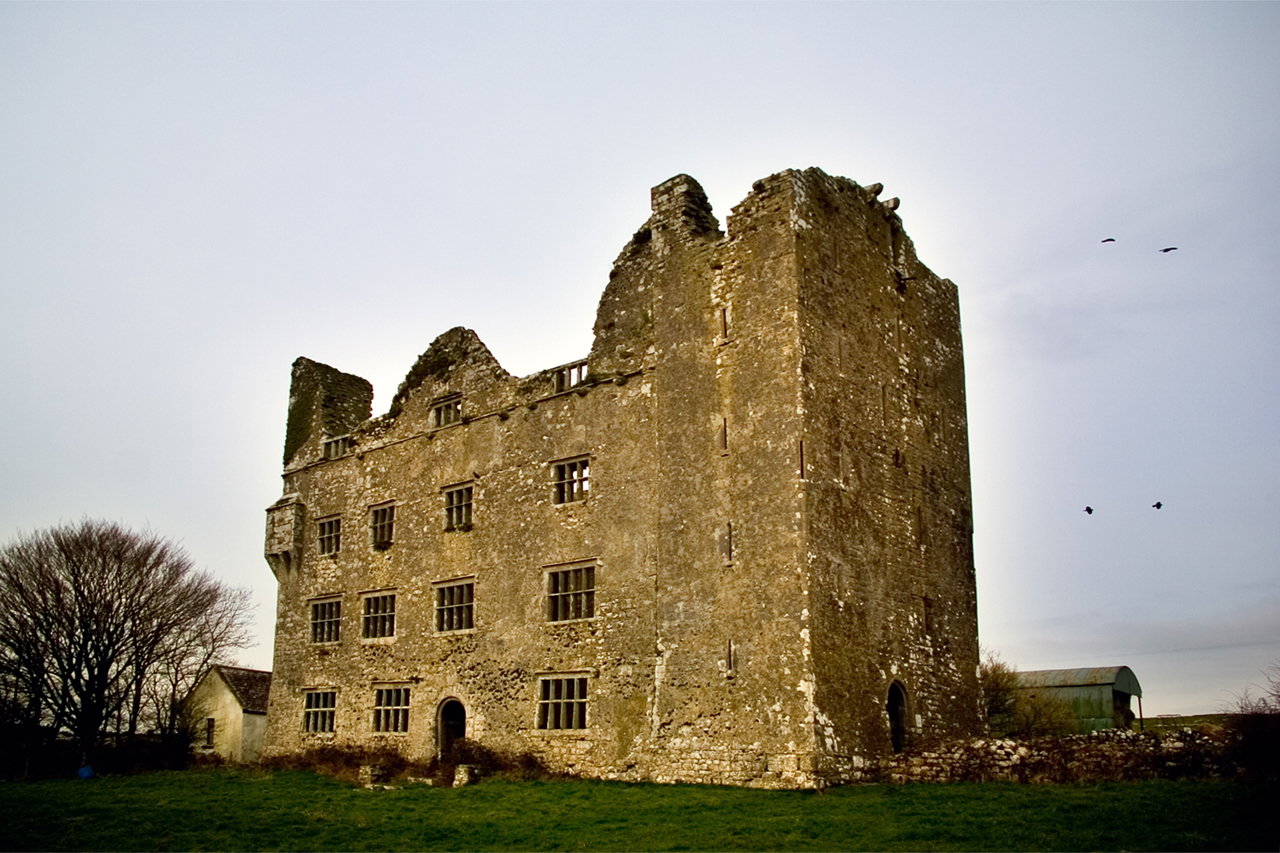
Lemenagh Castle stands as a remarkable example of medieval fortification nestled in the scenic landscape of Lemenagh, United Kingdom. This hill castle is notable for its strategic location atop elevated terrain, which historically provided commanding views over the surrounding countryside and enhanced its defensive capabilities. Though now in ruins, the castle's remains offer invaluable insights into the architectural and military practices of the medieval period.
Historical significance and origins
The origins of Lemenagh Castle trace back to the High Medieval period, a time when fortified structures were essential for controlling territories and asserting noble power. While exact construction dates remain uncertain, the castle likely dates from the 12th or 13th century, aligning with the widespread castle-building movement across the British Isles. Its placement on a hilltop reflects typical medieval military strategy, utilizing natural topography to bolster defense against invaders.
Throughout its active use, Lemenagh Castle would have served as both a military stronghold and a residence for local lords or knights. The castle’s position allowed control over nearby routes and lands, making it a key asset in regional power dynamics. Over centuries, it witnessed various historical events, including local skirmishes and shifts in territorial control, although detailed records are scarce.
Architectural features and layout
Though much of Lemenagh Castle lies in ruins today, archaeological studies and remaining structures reveal key aspects of its design. The castle was constructed primarily from local stone, with thick defensive walls that once enclosed a courtyard and living quarters. The elevated site provided natural protection, complemented by man-made fortifications such as ramparts and possibly a moat or ditch.
Typical of hill castles, the layout likely included a central keep or tower serving as the last line of defense and the lord’s residence. Surrounding this core would have been ancillary buildings including storerooms, barracks, and perhaps a chapel. Defensive features such as battlements, arrow slits, and gatehouses would have been integral to the castle’s fortification system.
Defensive structures
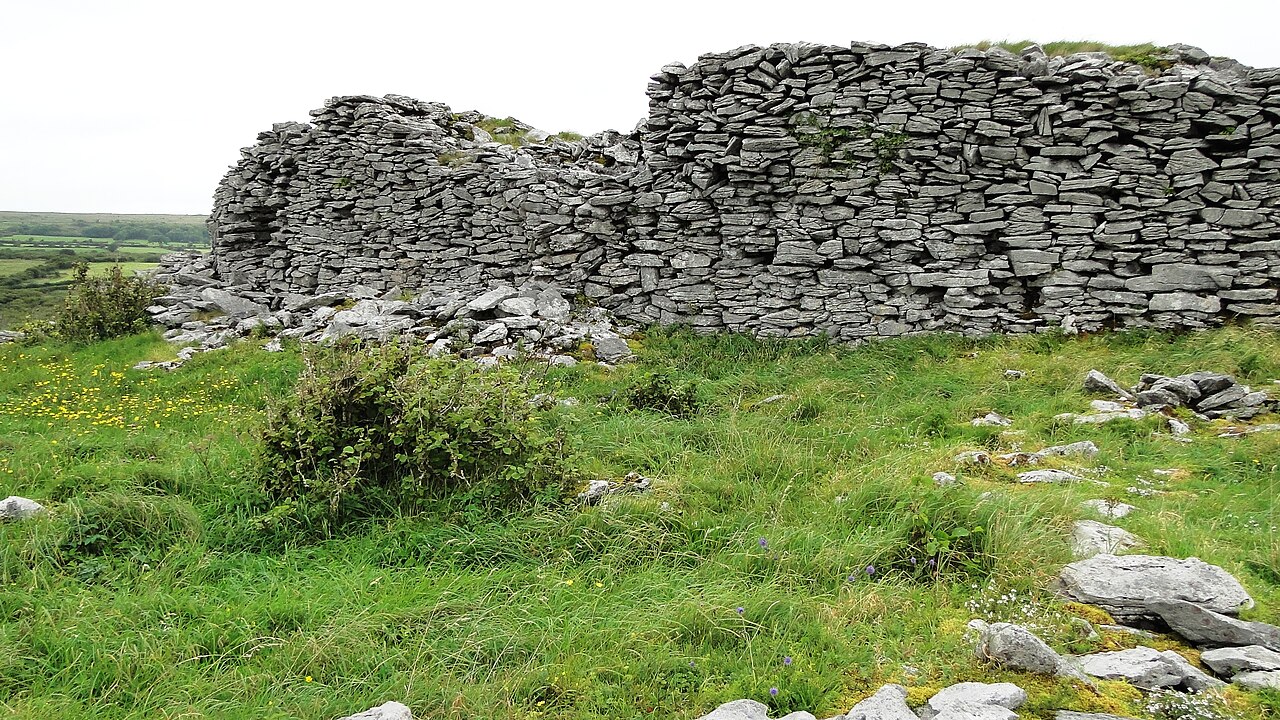
The castle’s walls, though now partially collapsed, exhibit the robust masonry techniques characteristic of the medieval period. The use of thick stone walls and narrow windows or arrow slits provided protection while allowing defenders to repel attackers effectively. The entrance would have been fortified with a gatehouse, possibly equipped with a portcullis and murder holes to defend against sieges.
Residential and functional spaces
Within the castle’s enclosure, the remains suggest spaces dedicated to daily living and administration. The lord’s hall would have been the focal point for gatherings and governance, while chambers and service rooms supported the castle’s self-sufficiency. The presence of a well or cistern would have been crucial for water supply during sieges.
Decline and current condition
Like many medieval castles, Lemenagh Castle fell into decline as military technology and political structures evolved. The advent of gunpowder artillery and changes in warfare rendered hilltop castles less effective as defensive strongholds. Over time, the castle was abandoned and gradually deteriorated, leaving the ruins visible today.
Currently, the castle remains a ruin with significant portions of walls and foundations still standing. It serves as a cultural and historical landmark, attracting visitors interested in medieval architecture and history. Preservation efforts focus on stabilizing the ruins to prevent further decay while maintaining the site’s authenticity.
Visiting Lemenagh Castle
Visitors to Lemenagh Castle can explore the evocative ruins set within a picturesque hilltop environment. The site offers opportunities for hiking, photography, and learning about medieval castle construction and feudal history. While facilities may be limited due to its ruinous state, the castle’s dramatic setting and historical ambiance provide a compelling experience for history enthusiasts and tourists alike.
Accessibility and visitor information
The castle is accessible via local roads leading to Lemenagh village, with walking paths guiding visitors to the hilltop site. Due to the uneven terrain and ruinous condition, caution is advised when exploring the remains. Visitors should wear appropriate footwear and be prepared for outdoor conditions.
Architectural legacy and cultural importance
Lemenagh Castle exemplifies the medieval hill castle typology, reflecting the military, residential, and administrative functions of such fortifications. Its ruins contribute to the understanding of regional history and medieval architecture in the United Kingdom. The castle remains an important heritage site, symbolizing the feudal past and the evolution of defensive architecture.
As a historic monument, it offers educational value and inspires preservation efforts that aim to protect and interpret medieval castles for future generations. The castle’s enduring presence on the landscape continues to evoke the era of knights, lords, and fortified strongholds that shaped the history of the British Isles.
Frequently asked questions (FAQ)
- How do I get to Lemenagh Castle?
- Lemenagh Castle is located in Lemenagh, United Kingdom of Great Britain and Northern Ireland. You can reach the castle by car, and there are public transport options available from nearby towns. Parking facilities are available on-site for visitors.
- What is the historical significance of Lemenagh Castle?
- Lemenagh Castle has a rich history dating back to the 15th century, showcasing the architectural styles of that era. It served as a stronghold for local lords and has witnessed numerous historical events throughout the centuries. The castle is an important part of the local heritage and offers insights into medieval life.
- When was Lemenagh Castle built?
- Lemenagh Castle was constructed in the late 1400s, making it a fine example of medieval architecture. Its construction reflects the defensive needs and the feudal system of the time. The castle has since become a symbol of local history and culture.
- Can I visit Lemenagh Castle during the winter?
- Yes, Lemenagh Castle is open for visitors throughout the year, including the winter months. However, it is advisable to check the opening hours and any seasonal events that may affect access. Dress warmly, as the castle grounds can be chilly during this season.
- Why is Lemenagh Castle popular among tourists?
- Lemenagh Castle attracts tourists for its stunning architecture and rich history, offering a glimpse into medieval life. Visitors enjoy exploring the castle grounds and learning about its historical significance through guided tours. Its picturesque setting also makes it a favorite for photography enthusiasts.
- Is it possible to book a guided tour of Lemenagh Castle?
- Yes, guided tours are available at Lemenagh Castle, providing an in-depth look at its history and architecture. It is recommended to book your tour in advance, especially during peak tourist seasons, to ensure availability. Tour guides are knowledgeable and can answer any questions you may have.
- What are the opening hours for Lemenagh Castle?
- Lemenagh Castle typically opens from 9 AM to 5 PM, but hours may vary by season or for special events. It is best to check the official website or contact the castle directly for the most current information. Planning your visit around these hours will help you make the most of your experience.
- Are there any nearby attractions to Lemenagh Castle?
- Yes, there are several attractions near Lemenagh Castle, including beautiful walking trails and other historical sites. Visitors often explore the surrounding countryside and local villages to experience the culture and natural beauty of the region. These nearby attractions can enhance your visit to the castle.
- What are the ticket prices for Lemenagh Castle?
- Ticket prices for Lemenagh Castle vary depending on age and whether you are part of a group. Discounts may be available for children, seniors, and families. Check the castle's official website for the latest pricing information and any special offers.
Information
Loading map...
Visitor reviews
No reviews yet. Been here? Write the first review and help other travelers!
Write the first reviewVisited this castle? Share your experience
Your review helps other travelers and adds first-hand knowledge to our encyclopedia.