Lednice Castle
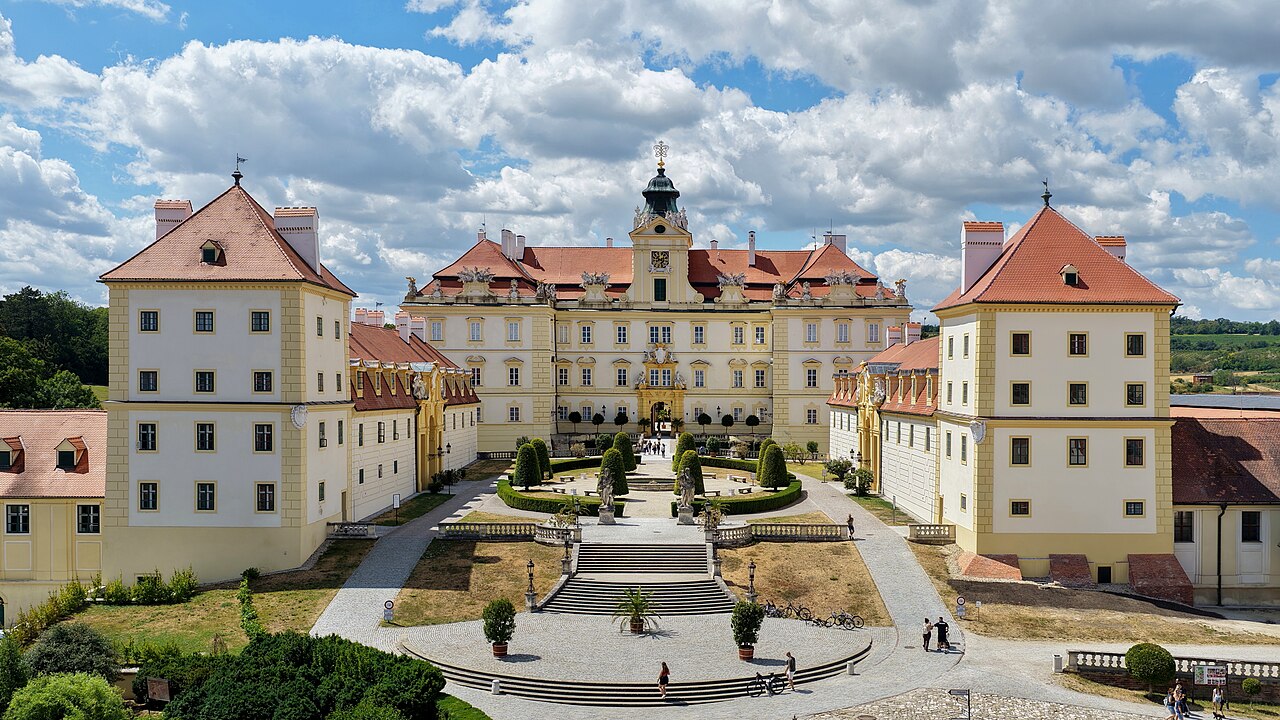
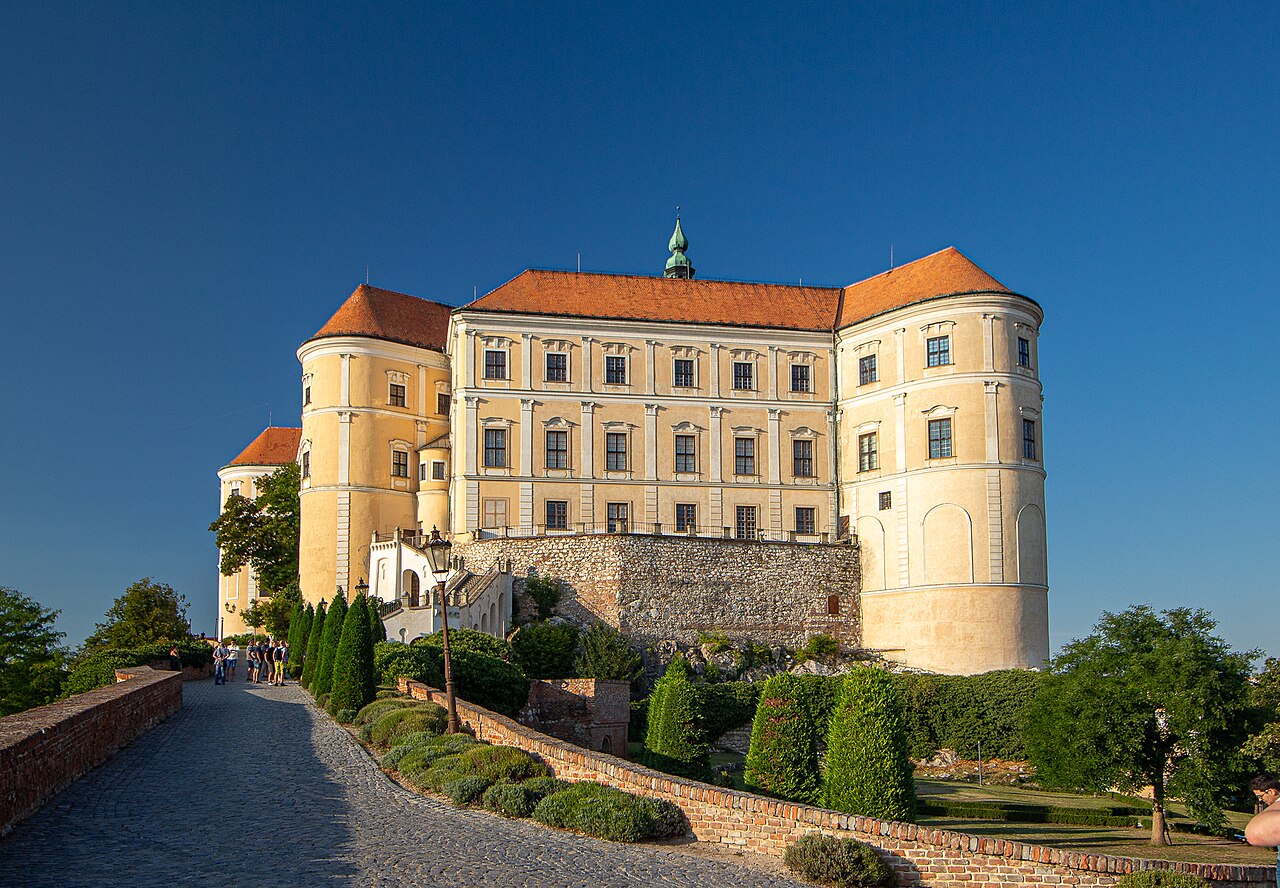
Lednice Castle is a remarkable example of neo-Gothic architecture situated in the South Moravian region of Czechia. The site’s history dates back to the early 13th century, with the first documented mention in 1222. Originally, a Gothic fort with a courtyard stood here, which was lent in 1249 by Czech King Václav I to the Austrian nobleman Sigfried Sirotek. The castle’s long history is closely tied to the influential Liechtenstein family, who acquired the estate in the late 13th century and shaped its development over several centuries.
Historical background and ownership
The Liechtensteins, originally from Styria, became the owners of Lednice and the nearby town of Mikulov at the end of the 13th century. Their presence in the region extended across both sides of the Moravian-Austrian border. Members of the family gained prominence primarily through military service and expanded their estates during the Renaissance through economic ventures. By the mid-15th century, the Liechtensteins held some of the highest offices in Moravia, but their influence grew substantially under brothers Karel, Maximilian, and Gundakar of Liechtenstein.
Through strategic marriage alliances, Karel and Maximilian inherited the wealth of the Černohorskýs of Boskovice, an old Moravian dynasty. Originally Lutherans, the brothers converted to Catholicism, aligning themselves with the Habsburgs and paving the way for their political ascent. Karel served at the court of Emperor Rudolf II and became the hetman of Moravia in 1608. Later, King Matyas II elevated him to princely status and granted him the Duchy of Opava. During the Czech nobility revolt, Karel sided with the Habsburgs and participated in the Battle of White Mountain in 1620. Following the defeat of the uprising, the Liechtensteins acquired confiscated rebel properties, becoming the wealthiest family in Moravia and surpassing the Žerotíns in status.
Architectural evolution of Lednice Castle
From medieval fort to Renaissance chateau
The original medieval water castle was likely demolished in the 16th century by Hartmann II of Liechtenstein, who replaced it with a Renaissance chateau. This transition marked a shift from purely defensive architecture to a more residential and representational style, reflecting the changing needs and tastes of the nobility.
Baroque transformation and additions
At the end of the 17th century, the Renaissance chateau was torn down and replaced by a grand Baroque palace. This new construction included extensive formal gardens and a massive riding hall designed by the renowned architect Johann Bernard Fischer von Erlach. The riding hall remains one of the best-preserved Baroque structures on the estate, showcasing Fischer von Erlach’s mastery of spatial design and grandeur.
19th-century neo-Gothic reconstruction
In the mid-18th century, the palace underwent renovations, but it was between 1846 and 1858 that the most significant transformation occurred. Prince Alois II of Liechtenstein chose to rebuild Lednice Castle as a summer palace in the English neo-Gothic style. This architectural style was part of a broader 19th-century romantic revival that idealized medieval forms and craftsmanship.
The reconstruction involved removing the front tracts from the earlier Baroque palace (which had been altered in 1815) and creating a design that emphasized decorative Gothic elements such as pointed arches, ornate tracery, and steeply pitched roofs. The ground floor hall was designed for entertaining European aristocracy with sumptuous banquets. It featured intricately carved wood ceilings, wooden paneling, and select furniture, making it one of the most lavish interiors of its kind in Europe.
Architectural features and estate layout
Lednice Castle is set within an extensive landscape park that complements its architectural grandeur. The estate includes formal gardens, water features, and a network of paths designed for leisure and display. The castle itself combines elements typical of a palace castle with the stylistic flourishes of the neo-Gothic movement.
The castle’s façade is characterized by its ornate stonework, pointed windows, and decorative battlements. Towers and turrets punctuate the silhouette, enhancing the romantic medieval appearance. Inside, the rooms are arranged to facilitate both private residence and public functions, with richly decorated reception halls, private chambers, and service areas.
Significance and preservation
Lednice Castle remains one of the most important cultural landmarks in Czechia. It represents the architectural and historical legacy of the Liechtenstein family and their influence in Central Europe. The castle’s neo-Gothic design is a prime example of 19th-century historicism and reflects the aristocratic lifestyle of the period.
Today, the castle is well preserved and serves as a major tourist attraction. Its interiors and grounds are maintained to reflect the grandeur of its heyday, offering visitors a glimpse into aristocratic life and architectural trends of the 19th century. The estate is part of the Lednice-Valtice Cultural Landscape, a UNESCO World Heritage site, recognized for its harmonious integration of architecture and landscape design.
Visiting lednice castle
Visitors to Lednice Castle can explore its richly decorated interiors, including the grand banquet hall and private chambers. The surrounding parkland offers scenic walks, water features, and additional architectural follies such as the Minaret and the Temple of Apollo. Guided tours provide detailed insights into the castle’s history, architecture, and the Liechtenstein family’s role in the region.
Frequently asked questions (FAQ)
- When was Lednice Castle originally built?
- The earliest record of a fort at Lednice dates back to 1222, but the current castle structure was rebuilt between 1846 and 1858 in the neo-Gothic style.
- What architectural styles are present at Lednice Castle?
- Lednice Castle features a blend of Renaissance, Baroque, and predominantly neo-Gothic architecture following its 19th-century reconstruction.
- Can visitors tour the interiors of Lednice Castle?
- Yes, visitors can explore the richly decorated interiors, including the grand banquet hall, wooden paneling, and private chambers during guided tours.
- Is Lednice Castle part of a UNESCO World Heritage site?
- Yes, Lednice Castle is part of the Lednice-Valtice Cultural Landscape, a UNESCO World Heritage site known for its integration of architecture and landscape design.
- What are the opening hours and ticket prices for Lednice Castle?
- The castle is open daily from 9:00 to 17:00. Tickets cost €8 for adults and €4 for children.
Information
Opening hours
9:00-17:00, daily
Ticket prices
€8 adult, €4 child
Current owner
State museum
Website
Visit websiteSources & official resources
Verify the information above using these authoritative references.
Loading map...
Visitor reviews
No reviews yet. Been here? Write the first review and help other travelers!
Write the first reviewVisited this castle? Share your experience
Your review helps other travelers and adds first-hand knowledge to our encyclopedia.