Le Rivau Castle
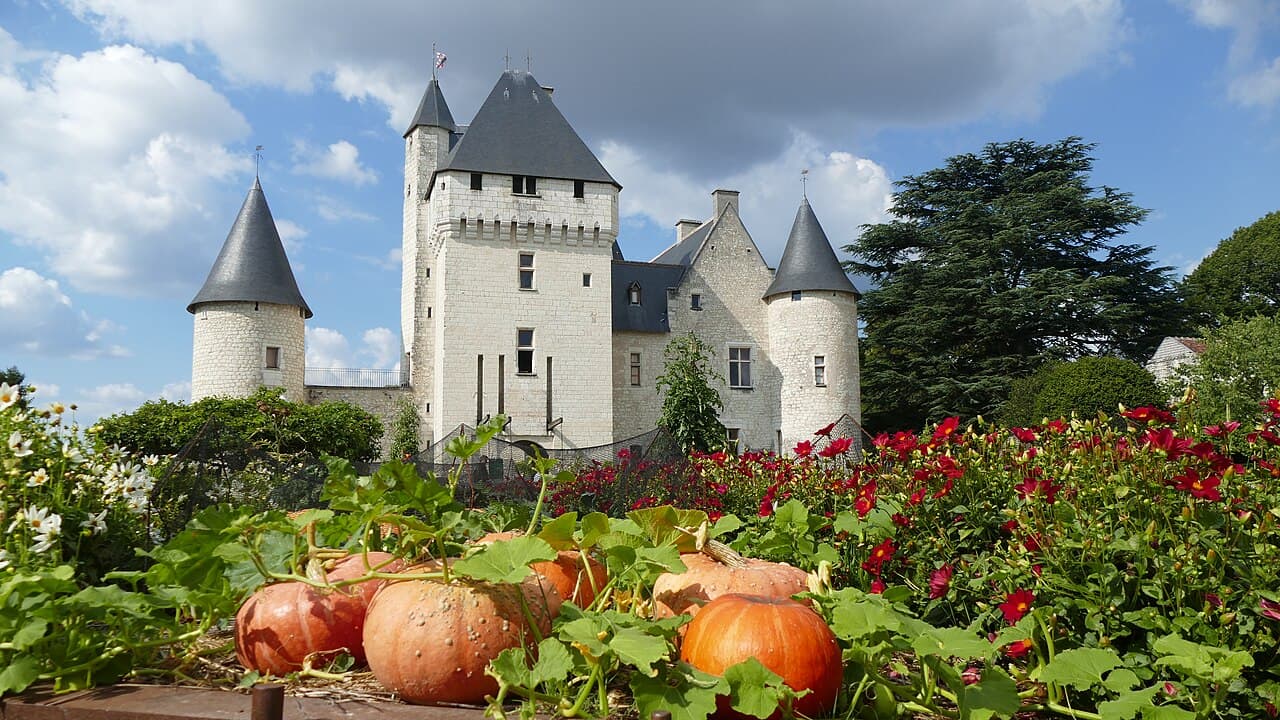
Le Rivau Castle stands as a remarkable example of a late medieval fortified manor that evolved into a harmonious blend of military strength and Renaissance elegance. Located in Lémeré, Centre-Val de Loire, France, this castle is nestled within the famed Loire Valley, a UNESCO World Heritage site celebrated for its rich history, stunning landscapes, and cultural monuments. The castle's architecture and grounds vividly illustrate the transition from medieval fortification ideals to Renaissance aesthetics, making it a unique heritage site in the region.
Originally constructed in the 13th century as a fortified manor house, Le Rivau was strategically positioned to control the surrounding valleys of the Vienne and Veude rivers. This location was critical during the frequent medieval conflicts, including the Hundred Years' War between England and France. The castle's defensive features were enhanced significantly in the mid-15th century, transforming it into a resilient fortress while maintaining residential comfort.
Historical significance and lineage
The castle's history is deeply intertwined with the illustrious Beauvau family, who were closely allied with the French crown. In 1438, Le Rivau entered the possession of Pierre de Beauvau, chamberlain to the future King Charles VII. The Beauvau family fortified the castle with a donjon, dry moat, machicolations, a working drawbridge, and cannon embrasures, reflecting the military architectural advances of the late medieval period. These enhancements balanced defense and comfort, as evidenced by the inclusion of large windows and ornate chimneys.
A pivotal moment in the castle's history occurred in 1429 when Joan of Arc visited Le Rivau to acquire horses for the Siege of Orléans, underscoring the estate's longstanding reputation for horse breeding. The Beauvau family continued to develop the property through the 15th and 16th centuries, incorporating Renaissance architectural elements inspired by Italian influences, particularly in the design of the stables built by François de Beauvau in 1510.
Architectural features and fortifications
Medieval defensive structures
Le Rivau retains its original 13th-century quadrilateral layout, characterized by four corner towers connected by curtain walls, typical of medieval fortifications. The square-shaped keep served as the fortress's heart, fortified to withstand sieges. The castle is protected by a dry moat and a fully operational drawbridge, which remain integral to its defense system. Above the main entrance, the Beauvau family coat of arms and motto "Beauvau sans départir" are prominently displayed, symbolizing the family's enduring legacy.
Residential and decorative elements
While maintaining its defensive purpose, Le Rivau was also designed for comfortable habitation. The interior features large Gothic fireplaces and limewashed walls reminiscent of Tuscan styles, creating a bright and welcoming atmosphere. The mullioned windows include cushioned window seats called "coussièges", providing cozy niches within the thick stone walls.
The great hall served multiple functions, including as a courtroom and banquet room. It was adorned with family trophies and animal motifs contemporary to its period of use. A notable chamber features sexpartite vaults linked to the Plantagenet period, with remnants of Renaissance frescoes depicting decorative vine trellises. Above the fireplace hangs a Flemish painting of the Feast of Belshazzar, adding artistic richness to the space.
Renaissance stables and outbuildings
One of Le Rivau's architectural highlights is its Renaissance stables, constructed in 1510 by François de Beauvau. These stables represent a pioneering example of equestrian architecture, designed by an architect influenced by Italian Renaissance styles, possibly reflecting the work of Philibert Delorme. The L-shaped building, made of tuffeau stone with dressed limestone bands, housed around thirty horses on the ground floor. It features vaulted barrel ceilings with sculpted cartouches, glazed windows for ventilation, and stone troughs for watering horses. The upper floor served as storage and groom quarters, accessible via a turret staircase.
Additional outbuildings historically formed the estate's commons, including a tithe barn and a wine press, essential for managing agricultural production. Though separated from the château in the 20th century, these structures have been restored and reintegrated into the site, preserving the estate's agricultural heritage.
Gardens and cultural heritage
The château's grounds encompass fourteen themed gardens inspired by fairy tales and legends. These gardens are renowned for their collection of over 400 rose varieties from famous breeders such as André Eve and David Austin. The gardens also feature rare plants and a selection of contemporary sculptures by artists including Fabien Verschaere and Philippe Ramette, blending natural beauty with modern artistic expression.
Recognized as a Jardin Remarquable by the French Ministry of Culture, the gardens offer visitors a fantastical journey through history and art, complementing the château's architectural grandeur. The estate serves as both a botanical conservatory and an open-air museum, attracting rose enthusiasts, gardeners, and art lovers alike.
Restoration and modern significance
Le Rivau underwent an extensive restoration campaign beginning in 1992, lasting eighteen years. The project involved replacing over 5,000 square meters of roofing, reconstructing 73 cubic meters of oak frame structures, and replicating 148 windows to their original designs. These meticulous efforts restored the château's original splendor and earned heritage awards in 1996 and 2001, highlighting the quality and authenticity of the work.
Today, Le Rivau is a private property open to the public, offering guided tours, regional culinary experiences, cooking classes in French and Italian, and wine tastings featuring Chinon wines and Saint Maure goat cheese. Its proximity to Paris and Tours makes it accessible for visitors interested in exploring the rich cultural and architectural heritage of the Loire Valley.
Frequently asked questions (FAQ)
- How do I get to Le Rivau Castle?
- Le Rivau Castle is located in Lémeré, France, and is easily accessible by car. If you're using public transport, the nearest train station is in Chinon, from where you can take a taxi or enjoy a scenic bike ride to the castle.
- What are the opening hours for Le Rivau Castle?
- Le Rivau Castle is open to visitors from 10 AM to 7 PM during the peak season, which typically runs from April to October. In the off-season, the hours may vary, so it's best to check the official website before planning your visit.
- Can I bring my dog to Le Rivau Castle?
- Yes, dogs are welcome at Le Rivau Castle as long as they are kept on a leash. The castle grounds provide a beautiful setting for a walk with your furry friend, but please ensure you clean up after them.
- When was Le Rivau Castle built?
- Le Rivau Castle dates back to the late 15th century, showcasing the transition from medieval to Renaissance architecture. It has a rich history and has been beautifully preserved, offering visitors a glimpse into its storied past.
- Is it possible to host events at Le Rivau Castle?
- Yes, Le Rivau Castle offers facilities for hosting private events, including weddings and corporate gatherings. The enchanting surroundings and stunning architecture make it a unique location for memorable celebrations.
- What is the historical significance of Le Rivau Castle?
- Le Rivau Castle is significant for its architectural blend of medieval and Renaissance styles and its historical ties to the French royal family. The castle has been a witness to many historical events and has been carefully restored to maintain its cultural heritage.
- What are the ticket prices for visiting Le Rivau Castle?
- Ticket prices for Le Rivau Castle vary, with adults typically paying around €10 and discounts available for children and seniors. Family tickets and group rates are also offered, making it an affordable destination for visitors of all ages.
- When is the best time to visit Le Rivau Castle?
- The best time to visit Le Rivau Castle is during the spring and early autumn months when the gardens are in full bloom and the weather is pleasant. Visiting during these times allows you to fully enjoy the outdoor spaces and seasonal events that the castle hosts.
- Are there nearby attractions to visit after Le Rivau Castle?
- Yes, after visiting Le Rivau Castle, you can explore nearby attractions such as the historic town of Chinon and the stunning vineyards of the Loire Valley. The area is rich in history and offers plenty of opportunities for wine tasting and scenic walks.
Photo gallery

Information
Website
Visit websiteSources & official resources
Verify the information above using these authoritative references.
Loading map...
Visitor reviews
No reviews yet. Been here? Write the first review and help other travelers!
Write the first reviewVisited this castle? Share your experience
Your review helps other travelers and adds first-hand knowledge to our encyclopedia.