Lauterbach Castle
Lauterbach Castle is a historic medieval fortress located on a moraine hill in the eastern part of the village of Lauterbach, Germany. Established in the first half of the 13th century, it served as a strategic and noble seat through various centuries, reflecting the architectural and historical developments typical of High Medieval castles in Bavaria.
Early history and establishment
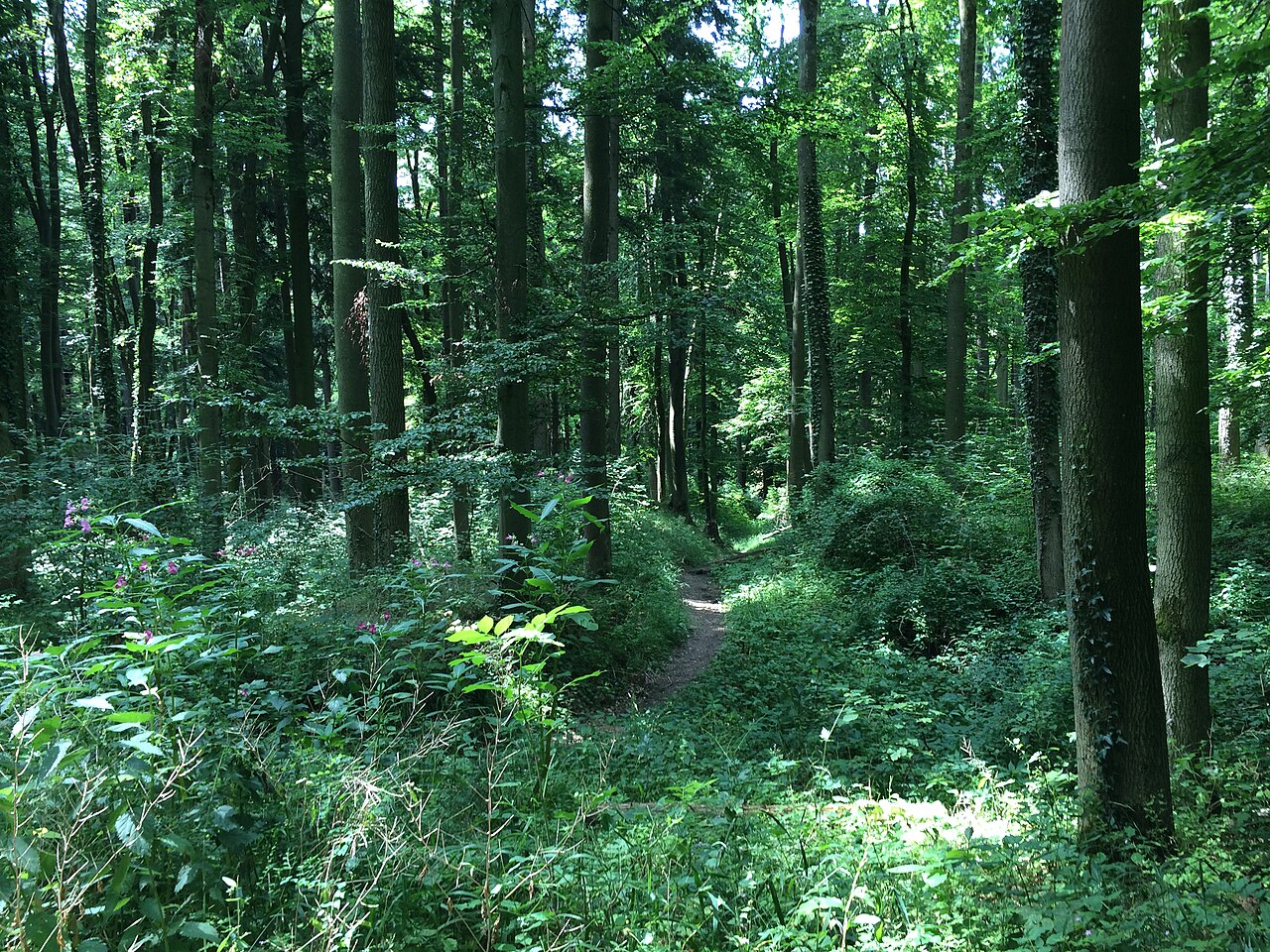
The origins of Lauterbach Castle trace back to the 13th century, with the estate firmly established by this period. The castle's position atop a moraine hill provided a natural defensive advantage, complemented by a moat surrounding the main complex on the south and west sides. This moat, although now mostly dry and obscured by woodland growth, was originally a crucial defensive feature. The Dachau family made Lauterbach their seat from around 1250 until 1437, underscoring the castle's importance as a noble residence and administrative center during the High Medieval period.
Ownership transitions and architectural evolution
Following the Dachau tenure, Lauterbach Castle passed through marriage to Veit von Eglofstein, who, along with his wife, sold the property in 1449. The next century saw a series of ownership changes, reflecting the shifting political and social landscape of the region. In 1550, Jörg (or Georg) Hundt zu Lauterbach und Valkenstein acquired the castle and initiated significant restoration efforts. At this time, the castle was characterized by a tall rectangular main building encircled by a thick ring wall with defensive towers at each of the four corners, a typical layout for fortifications of the period aimed at maximizing defense and control.
Impact of the Thirty Years' War and subsequent restoration
The castle suffered extensive damage during the Thirty Years' War (1618–1648), a devastating conflict that affected much of Central Europe. By the war's end, Lauterbach Castle had been burned down, leaving it in ruins. However, in the latter half of the 17th century, Johann Franz Maximilian Servatius von Hundt undertook a major restoration project. These efforts are well documented in engravings by Michael Wening, a notable Bavarian engraver whose works provide valuable visual records of the castle's appearance and architectural features during this period.
Architectural features and historical depictions
The earliest known depiction of Schloss Lauterbach appears on a map by Philipp Apian from 1568. Although a rough drawing, it clearly shows the remains of a fortification with four corner towers, confirming the castle's strategic design. Around 1700, Wening's engravings illustrate the castle complex in greater detail, including a French parterre garden to the east, the original main structure, a chapel with a rounded apse, and an adjoining wing connecting to a now-lost three-story building. These engravings may represent different stages of construction or restoration, highlighting the castle's evolution over time.
A 1729 depiction shows the castle in essentially its present form, including a hexagonal fountain in the courtyard, also documented by Wening. By around 1800, some structures had been removed, such as the northern building within the courtyard and much of the southern farm buildings visible in earlier views. The courtyard fountain was also removed by this time. Later images indicate no significant architectural changes, suggesting the castle's form stabilized in the 18th century.
Current condition and heritage significance
Today, Lauterbach Castle remains a prominent example of a High Medieval hill castle with significant post-war restoration and Baroque-era modifications. Its moat, although mostly dry and overgrown, still marks the defensive perimeter. The castle's layout, including the surviving main building, chapel, and defensive walls with corner towers, offers insights into medieval defensive architecture and noble residence design in Bavaria. The engravings by Michael Wening remain invaluable for understanding the castle's historical appearance and changes over centuries.
Architectural style and classification
Lauterbach Castle is primarily a hill castle built in the High Medieval period, featuring architectural elements typical of the era such as ring walls and corner towers. Its style reflects functional medieval military architecture with later additions that incorporate Baroque influences, particularly evident in the chapel and garden layouts documented in 17th and 18th-century engravings.
Visiting Lauterbach Castle
While the castle is not widely commercialized as a tourist site, its historical significance and preserved structures attract visitors interested in medieval architecture and Bavarian heritage. The surrounding woodland and remnants of the moat offer a scenic setting for exploration. Visitors can appreciate the castle's layered history through its surviving architectural features and the detailed historical engravings available in regional archives and museums.
Frequently asked questions (FAQ)
- What are the opening hours of Lauterbach Castle?
- Lauterbach Castle is open to visitors from 10 AM to 6 PM daily. During the peak summer months, the castle may extend its hours, so it's a good idea to check the official website for any seasonal changes.
- Is it possible to take guided tours of Lauterbach Castle?
- Yes, guided tours are available at Lauterbach Castle, providing visitors with in-depth insights into its rich history and architectural features. Tours typically run several times a day, and it's recommended to book in advance during busy seasons.
- When was Lauterbach Castle built?
- Lauterbach Castle was originally constructed in the late 13th century, showcasing the architectural styles of its time. Over the centuries, it has undergone various renovations, preserving its historical significance while adapting to modern visitor needs.
- Can I bring my children to Lauterbach Castle?
- Absolutely! Lauterbach Castle is family-friendly and offers various activities for children. The castle grounds are spacious, and there are often special events designed for younger visitors.
- What is the historical significance of Lauterbach Castle?
- Lauterbach Castle has played a crucial role in the region's history, serving as a fortified residence and a symbol of local power during the medieval period. Its well-preserved architecture and historical artifacts offer a glimpse into the life of nobility in Germany.
- How do I get to Lauterbach Castle?
- Lauterbach Castle is easily accessible by public transport and car. If you are traveling by train, the nearest station is Lauterbach Bahnhof, from which you can take a short bus ride or walk to the castle.
- What are the ticket prices for Lauterbach Castle?
- Tickets for Lauterbach Castle are reasonably priced, with discounts available for children, students, and seniors. Family tickets are also offered to make visiting more affordable for groups.
- When is the best time to visit Lauterbach Castle?
- The best time to visit Lauterbach Castle is during the spring and early fall when the weather is mild and the gardens are in bloom. Additionally, visiting during weekdays can help you avoid larger crowds typically seen on weekends.
- Are there any nearby attractions to Lauterbach Castle?
- Yes, there are several attractions near Lauterbach Castle, including beautiful hiking trails and picturesque villages. The surrounding area is rich in natural beauty and offers opportunities for outdoor activities, making it a great destination for a full day of exploration.
Information
Loading map...
Visitor reviews
No reviews yet. Been here? Write the first review and help other travelers!
Write the first reviewVisited this castle? Share your experience
Your review helps other travelers and adds first-hand knowledge to our encyclopedia.