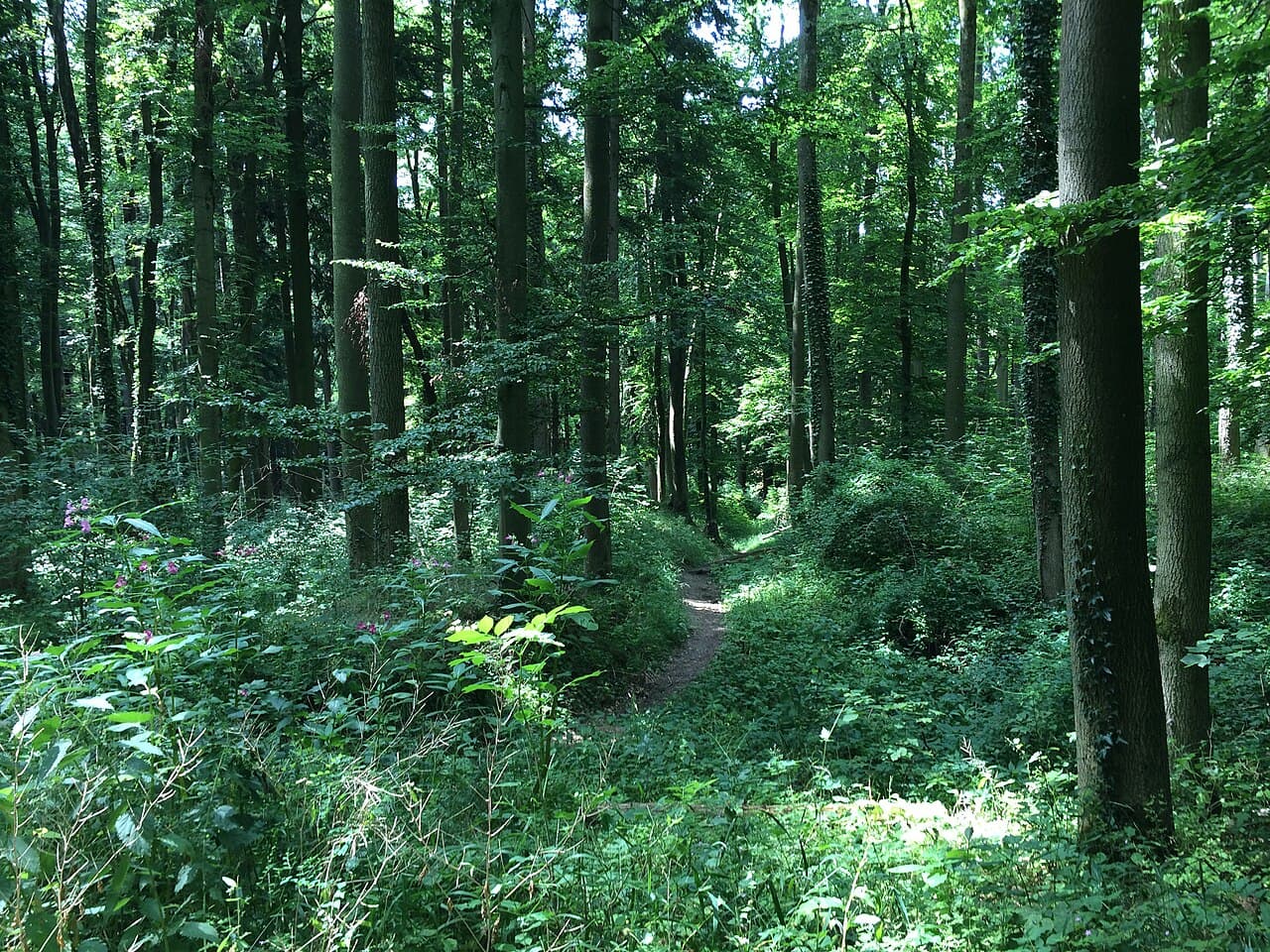
Burgstall Gegenpoint
Burgstall Gegenpoint is the archaeological site of a high medieval spur castle located near Fürstenfeldbruck in Bavaria, Germany. The castle, also known by various historical spellings such as Geggenpoint, Kekenpoint, Kekkepiunt, and Geckenpoint, was strategically positioned about 2 kilometers east of the Fürstenfeld Abbey. This location provided a commanding view over the surrounding landscape, typical of spur castles built during the high medieval period.
Historical background and significance
The castle was constructed during the high medieval period, a time characterized by the proliferation of fortified sites designed to exert control over territories and protect important monastic institutions like Fürstenfeld Abbey. Burgstall Gegenpoint served as a defensive and administrative center for local lords who managed the surrounding lands. Its proximity to the abbey suggests a close relationship, possibly providing protection or overseeing trade routes in the region.
By the 15th century, the castle was abandoned. The reasons for its desertion are not fully documented, but it likely relates to changes in military technology, political shifts, or economic decline that rendered such small spur castles obsolete. Following abandonment, the castle's walls were systematically dismantled, and the stone was repurposed for other construction projects in the area, a common fate for many medieval castles no longer in use.
Architectural features and layout
As a spur castle, Burgstall Gegenpoint was built on a prominent ridge or spur, utilizing natural topography for defense. While only the foundations remain today, archaeological investigations have revealed the typical layout of such castles, including a central courtyard surrounded by defensive walls and towers. The castle's design would have included a gatehouse controlling access, residential quarters, and possibly a chapel, reflecting the multifunctional nature of medieval castles as both military and domestic structures.
The castle's walls were constructed from locally sourced stone, and the foundations indicate robust defensive measures suitable for the era. The spur location provided natural protection on several sides, reducing the need for extensive man-made fortifications on those slopes.
Current condition and archaeological importance
Today, Burgstall Gegenpoint exists as an archaeological ruin. The site is classified as a burgstall, meaning that above-ground structures no longer stand, and only foundational remains are visible. Despite this, the site holds significant archaeological value, offering insights into high medieval castle construction and the regional history of Bavaria.
Excavations and surveys have helped document the castle's footprint and construction techniques, contributing to the understanding of spur castles in southern Germany. The site serves as an important cultural heritage location, illustrating the transition from medieval fortifications to later architectural developments.
Visiting and preservation
As an archaeological site, Burgstall Gegenpoint does not feature standing buildings or extensive visitor facilities. It is accessible for those interested in medieval history and archaeology, particularly scholars and enthusiasts who appreciate the study of castle ruins and medieval landscapes. Preservation efforts focus on protecting the remaining foundations from natural degradation and unauthorized excavation.
Visitors are encouraged to respect the site as a protected heritage area. Interpretive signage may be limited, so prior research or guided tours in the region can enhance the experience.
Context within Bavarian medieval castles
Burgstall Gegenpoint is one of several medieval castles in Bavaria that illustrate the region's rich feudal past. Its location near Fürstenfeld Abbey highlights the interplay between religious institutions and secular powers during the Middle Ages. While it does not survive as a fully intact castle, its remains contribute to the broader understanding of castle typologies, military strategy, and settlement patterns in the area.
The site complements other nearby historical landmarks, offering a glimpse into the medieval landscape shaped by both ecclesiastical and noble influences.
Frequently asked questions (FAQ)
- What is the historical significance of Burgstall Gegenpoint?
- Burgstall Gegenpoint is a fascinating historical site that dates back to the medieval period, showcasing the architectural style and defensive features of its time. It served as a strategic point in the region, reflecting the turbulent history of Bavaria. Today, it stands as a testament to the area's rich heritage and offers visitors insight into the past.
- When was Burgstall Gegenpoint built?
- Burgstall Gegenpoint was constructed in the late 12th century, making it one of the older structures in the Fürstenfeldbruck area. Its construction reflects the feudal system of the time and the necessity for fortified structures in Bavaria. The castle has undergone various changes throughout the centuries, contributing to its historical narrative.
- What are the opening hours for visiting Burgstall Gegenpoint?
- Burgstall Gegenpoint is typically open to visitors from 10 AM to 5 PM during the spring and summer months, while the hours may vary in the fall and winter. It is advisable to check the official website or contact local tourism information for the most current visiting hours before planning your trip. Special events may also affect the schedule.
- Can I access Burgstall Gegenpoint with a wheelchair?
- Access to Burgstall Gegenpoint may be challenging for visitors with mobility impairments due to the uneven terrain and the castle's historical structure. However, some areas may be accessible with assistance. It is recommended to contact the site in advance to inquire about specific accessibility options available for visitors.
- What is the best time to visit Burgstall Gegenpoint?
- The best time to visit Burgstall Gegenpoint is during the spring and early fall when the weather is mild and the surrounding landscape is particularly beautiful. Additionally, visiting during weekdays can help avoid larger crowds, allowing for a more peaceful experience. Special events throughout the year may also enhance your visit.
- Are there any nearby attractions to see while visiting Burgstall Gegenpoint?
- Yes, there are several nearby attractions, including the historic town of Fürstenfeldbruck with its charming streets and local shops. The picturesque Amper River is also close by, offering opportunities for outdoor activities such as walking and cycling. Visitors can easily spend a whole day exploring the area.
- What are the ticket prices for entering Burgstall Gegenpoint?
- Ticket prices for Burgstall Gegenpoint are generally affordable, with discounts available for students and seniors. Children under a certain age may enter for free or at a reduced rate. It is advisable to check the official website for the latest pricing information and any special offers that may be available during your visit.
Photo gallery

Information
Loading map...
Visitor reviews
No reviews yet. Been here? Write the first review and help other travelers!
Write the first reviewVisited this castle? Share your experience
Your review helps other travelers and adds first-hand knowledge to our encyclopedia.



