Landsberg Castle
Landsberg Castle is a striking example of a high medieval hill castle located on the hill of Moschellandsberg near Obermoschel in the German state of Rhineland-Palatinate. Its origins trace back to the 12th century, with the first recorded mention in 1130 when Count Emicho of Schmidburg bequeathed it to Gerlach I of Veldenz. This castle has witnessed a complex history of noble ownership, military conflicts, and architectural evolution, making it a significant heritage site in the region.
Historical significance and ownership lineage
The castle initially served as the seat of the Counts of Veldenz, a noble family influential in the region during the high medieval period. Upon the death of Frederick III, Count of Veldenz, in 1444, the male line ended, and the castle passed to Stephen, Count Palatine of Simmern-Zweibrücken through marriage. Stephen then assigned the castle and county to his younger son, Louis I, who notably expanded the fortress, enhancing its defensive capabilities.
Throughout its history, Landsberg Castle endured significant military action, particularly during the Thirty Years' War. In 1620, it was transferred to Spanish forces and subsequently taken over by Croatian troops in 1622. The Swedish army occupied it in 1631, using the castle as barracks. The castle suffered destruction in 1689 during the War of the Palatine Succession by the troops of King Louis XIV. Post-war, the ruins were returned to the original owners in 1693, but the castle never fully recovered its former prominence.
During the French Revolution, the castle was seized as national property, reflecting the widespread confiscations of aristocratic estates. In the 20th and 21st centuries, the town of Obermoschel has taken stewardship of the ruins, undertaking maintenance and restoration efforts to preserve this historic monument.
Architectural features and layout
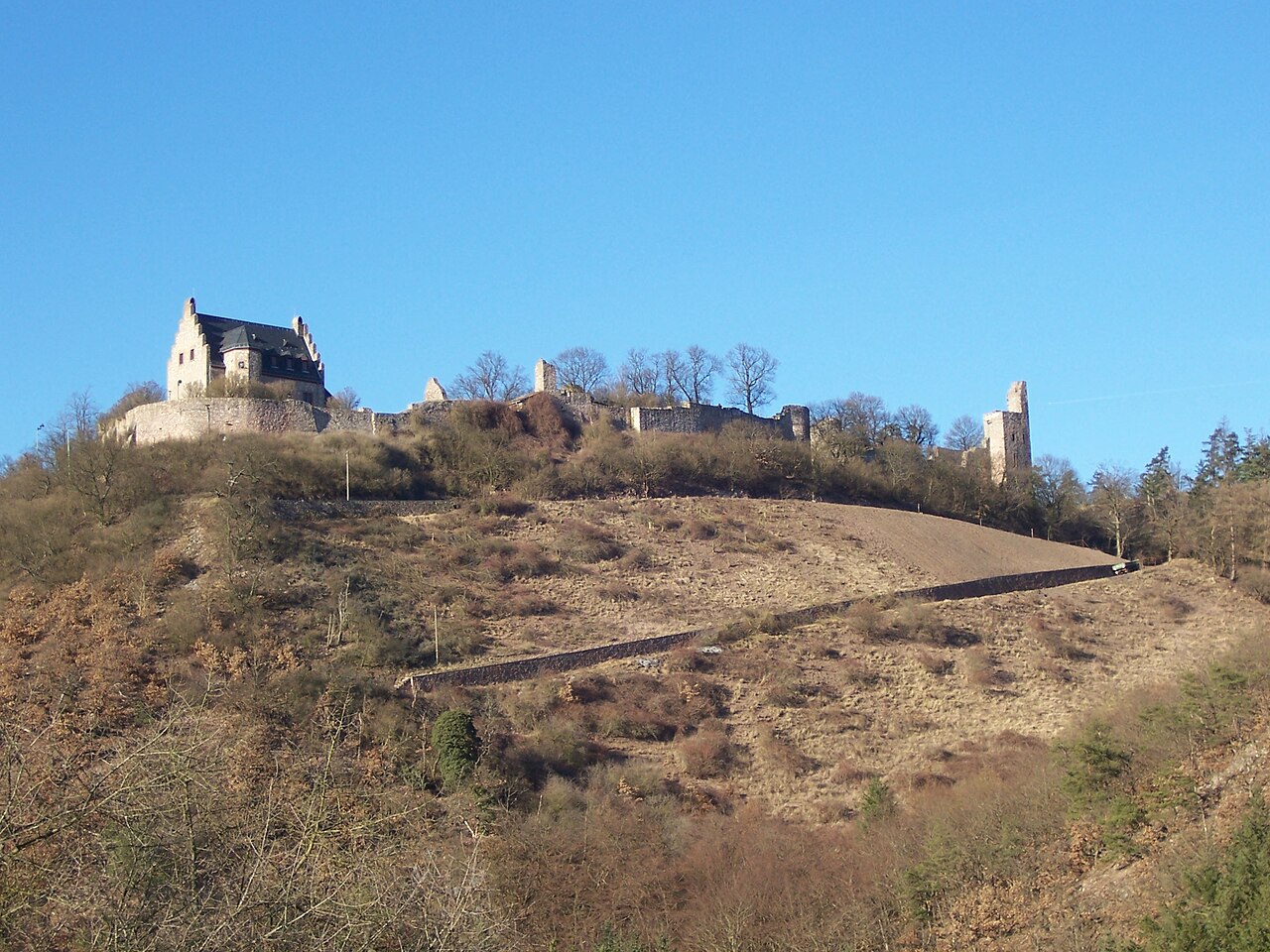
The castle is a classic hill castle with a commanding position atop Moschellandsberg, offering strategic views over the surrounding landscape. The most prominent feature is its bergfried, a tall defensive tower visible from afar, symbolizing the castle's medieval military function. The bergfried, along with a substantial shield wall made of rusticated ashlar from the 12th and 13th centuries, has survived the centuries, providing insight into the castle's original fortifications.
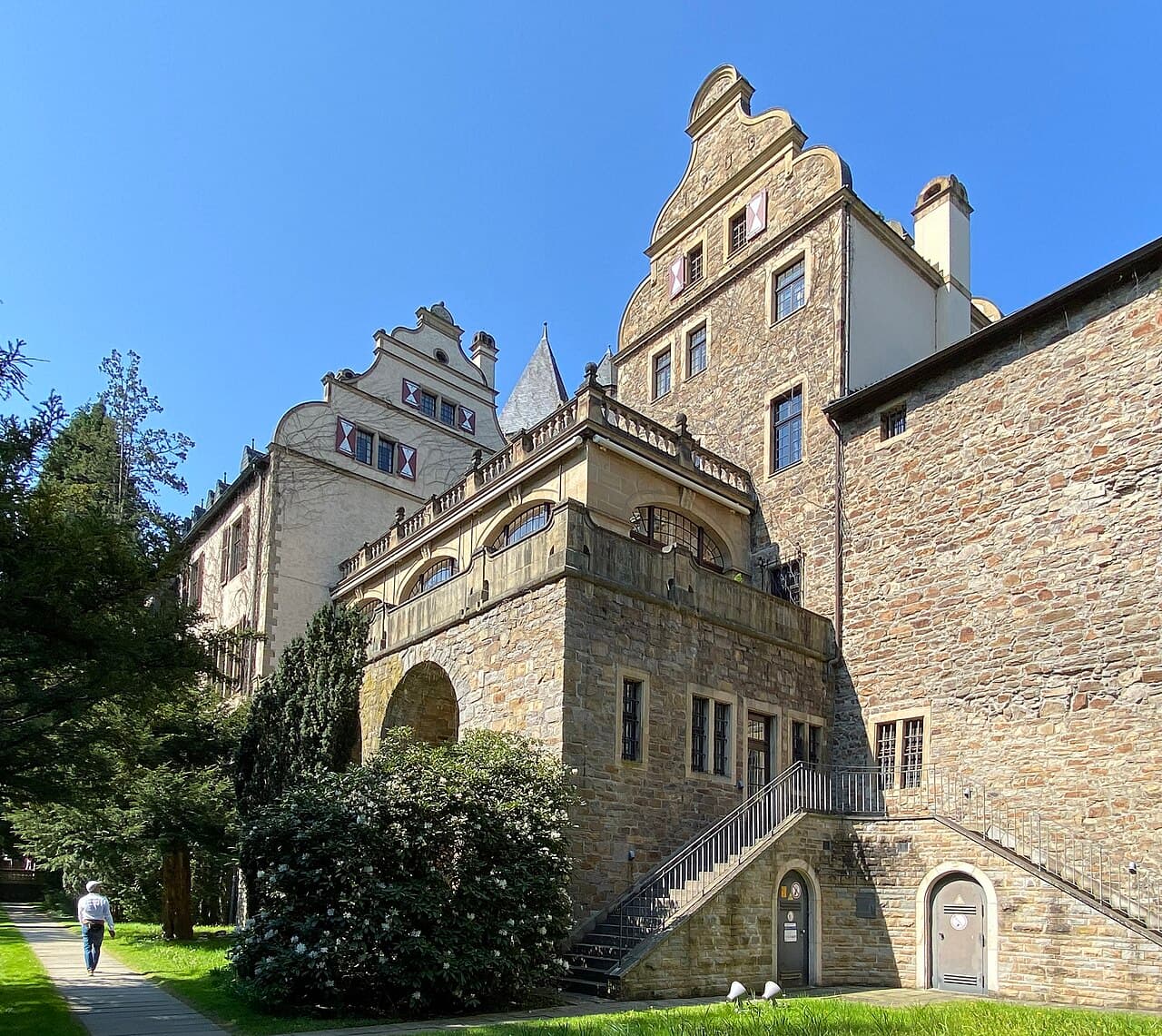
Additional surviving structures include the remains of the palas (the main residential building), a gate tower, the enceinte (curtain walls), stables, and a deep castle well. In the 16th century, the castle underwent a transformation into a Renaissance schloß, reflecting architectural trends of the period and shifting functions from purely military to residential and administrative.
Bergfried and defensive structures
The bergfried is a massive tower that served as a last refuge during sieges and as a lookout point. Its robust construction and height made it a formidable defensive element. The shield wall provided additional protection, shielding the castle's vulnerable side from attack. The gate tower controlled access, and the enceinte enclosed the castle complex, creating a secure perimeter.
Damage, restoration, and current status
The castle endured considerable damage during the Thirty Years' War and was further destroyed in 1689. Despite these setbacks, the ruins have been subject to conservation efforts since the late 20th century. Significant renovation work occurred in 1977 and 1978, followed by the construction of a refuge hut over the cellar vaulting in the early 1980s. Since 2005, the town of Obermoschel has actively maintained and improved the site, including planting historic rose varieties and fruit trees, enhancing the castle's cultural landscape.
Today, Landsberg Castle stands as a well-preserved ruin that offers visitors a glimpse into medieval fortification architecture and Renaissance adaptations. It is also available for private events, blending heritage preservation with contemporary use.
Cultural and regional importance
Situated in the Nordpfälzer Land, the castle is an important cultural landmark within the region. Its history reflects the broader political and military upheavals of the Rhineland-Palatinate area, including noble family dynamics, territorial conflicts, and the impact of European wars. The castle's preservation contributes to local identity and tourism, serving as a tangible connection to the medieval and Renaissance past.
Visitor experience and accessibility
Visitors to Landsberg Castle can explore the dramatic ruins, including the bergfried and shield wall, while enjoying panoramic views of the surrounding countryside. The site is accessible for private events, offering a unique historical ambiance. Ongoing maintenance ensures safety and enhances the visitor experience, making it a valued destination for history enthusiasts and cultural tourists.
Frequently asked questions (FAQ)
- How do I get to Landsberg Castle?
- Landsberg Castle is located in Obermoschel, Germany, easily accessible by car or public transport. If you are driving, follow the signs to Obermoschel and look for parking near the castle entrance. For public transport, check local bus routes that connect to the nearest station.
- What is the historical significance of Landsberg Castle?
- Landsberg Castle dates back to the 12th century and played a crucial role in the region's defense during the Middle Ages. It served as a strategic stronghold and residence for various noble families over the centuries. Today, it stands as a testament to the rich history and architectural evolution of the area.
- When was Landsberg Castle built?
- Construction of Landsberg Castle began in the early 12th century, with significant modifications made in subsequent centuries. The castle reflects various architectural styles due to these changes, showcasing the history of the region through its design. It has remained a significant historical landmark ever since.
- Can I visit Landsberg Castle year-round?
- Yes, Landsberg Castle is open for visitors throughout the year, although specific opening hours may vary by season. It is advisable to check the official website or local tourism office for current visiting hours and any seasonal events. Guided tours are often available to enhance your experience.
- Why is Landsberg Castle considered an architectural gem?
- Landsberg Castle features a blend of Romanesque and Gothic architectural styles, making it a fascinating site for history and architecture enthusiasts. The castle's well-preserved towers, walls, and decorative elements provide insight into medieval construction techniques and aesthetic values. Its picturesque setting adds to its charm and appeal.
- Is it possible to take guided tours of Landsberg Castle?
- Yes, guided tours are available at Landsberg Castle, offering visitors a deeper understanding of its history and architecture. These tours are led by knowledgeable guides who share fascinating stories and insights about the castle's past. Check the castle's official website for tour schedules and booking information.
- What are the ticket prices for visiting Landsberg Castle?
- Ticket prices for Landsberg Castle are generally affordable, with discounts available for students and seniors. Children often have reduced admission or can enter for free. It's best to check the official website for the most current pricing and any special promotions.
- What are the best times to visit Landsberg Castle?
- The best times to visit Landsberg Castle are during the spring and fall when the weather is mild, and the surrounding landscape is particularly beautiful. Weekdays tend to be less crowded than weekends, allowing for a more enjoyable experience. Special events and festivals may also occur during peak tourist seasons.
- Are there any nearby attractions to visit after Landsberg Castle?
- Yes, there are several nearby attractions to explore after visiting Landsberg Castle, including local museums and scenic hiking trails. The charming town of Obermoschel offers quaint shops and eateries that provide a taste of local culture. Additionally, the picturesque countryside surrounding the castle is perfect for leisurely walks and photography.
Photo gallery

Information
Website
Visit websiteSources & official resources
Verify the information above using these authoritative references.
Loading map...
Visitor reviews
No reviews yet. Been here? Write the first review and help other travelers!
Write the first reviewVisited this castle? Share your experience
Your review helps other travelers and adds first-hand knowledge to our encyclopedia.