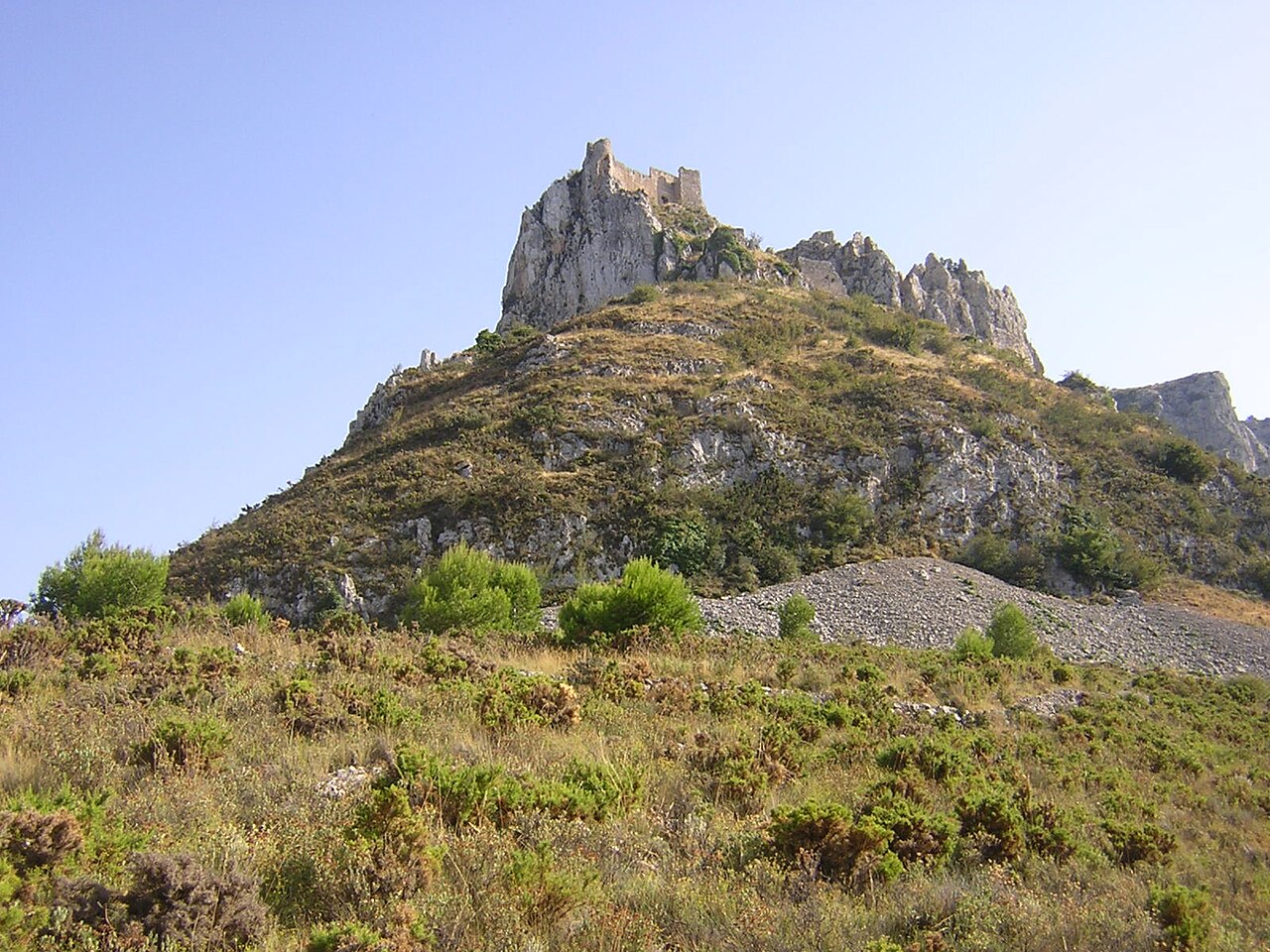
La Illeta Tower
La Illeta Tower, also known locally as Torre de la Illeta or Torre de la Isleta, is a prominent Renaissance-era coastal watchtower situated next to the harbor of El Campello in the province of Alicante, Spain. Constructed in the mid-16th century, this tower played a key role in the extensive network of defensive fortifications established along the Spanish Mediterranean coast to protect against the persistent threat of Barbary pirate raids.
The historical context of La Illeta Tower is closely tied to the rise of the Ottoman-backed pirate activity following the establishment of the Turkish settlement in Algiers in 1516. This event significantly increased the frequency and severity of coastal attacks, prompting the Spanish crown under Charles V, the Holy Roman Emperor, to initiate a comprehensive coastal defense strategy. Starting in 1552, a series of watchtowers were constructed from Alicante to Cádiz to monitor and warn against pirate incursions. Many of these towers were completed or enhanced during the reign of his son, Philip II of Spain, in the latter half of the 16th century.
Construction and architectural features
La Illeta Tower was built between 1554 and 1557 under the orders of the Viceroy of Valencia, Bernardino de Cárdenas y Pacheco, Duke of Maqueda. The tower exemplifies the typical Renaissance military architecture adapted for coastal defense. It is a round tower with a tapering body, designed to deflect cannonballs and reduce the impact of artillery fire. The tower is crowned by a series of corbels, which supported machicolations or platforms from which defenders could observe and repel attackers.
The base of the tower is solid masonry, providing a strong foundation and resistance to undermining. The original entrance was located at the first floor level, accessible only by ladder or removable stairs, a common defensive feature to prevent easy access by attackers. Inside, the tower was designed to house a small garrison of four men: two guards stationed within the tower and two men on horseback, who could quickly respond to threats along the coast.
Role in coastal defense and historical significance
La Illeta Tower formed part of a strategic system of watchtowers along the Mediterranean coast of Spain. These towers were spaced so that signals, typically smoke by day and fire by night, could be relayed rapidly from one tower to the next, providing early warning of pirate or Ottoman naval movements. This network was vital in protecting coastal towns, agricultural lands, and trade routes from frequent raids and kidnappings.
The tower’s location next to the harbor of El Campello was particularly important, as the town was vulnerable to seaborne attacks. The presence of the tower helped secure the harbor and surrounding settlements, contributing to the region’s economic and social stability during a turbulent period marked by maritime conflict.
Current condition and visitor information
Today, La Illeta Tower stands as a well-preserved example of Renaissance military architecture. The exterior of the tower is freely accessible to visitors, allowing for close inspection of its robust masonry and defensive features. However, the interior is generally closed to the public, with limited or no access reported during recent visits.
The tower remains an important cultural and historical landmark in the province of Alicante. Its preservation provides insight into the coastal defense strategies of 16th-century Spain and the ongoing struggle against piracy in the Mediterranean. Visitors can enjoy views of the harbor and the surrounding coastline from the tower’s vicinity, appreciating its role in Spain’s maritime heritage.
Architectural details and defensive design elements
The tower’s round shape was a deliberate design to minimize blind spots and enhance the defenders’ field of vision. This geometry also helped to better resist the impact of cannon fire compared to square or rectangular towers, which were more vulnerable at their corners.
The tapering profile of the tower, wider at the base and narrowing upwards, increased stability and made scaling the walls more difficult for attackers. The corbels at the top supported a defensive platform, likely equipped with battlements and possibly small artillery pieces or arquebuses for the garrison.
The elevated entrance, typical of watchtowers of this era, was a key security feature. It prevented direct access to the interior and forced attackers to use ladders, which defenders could easily remove or destroy in case of an assault. Inside, the tower likely contained storage for weapons and provisions necessary for the garrison to maintain a prolonged watch.
The garrison and operational use
The small garrison of four men was sufficient for the tower’s role as a lookout and early warning post rather than a full defensive fortress. Two men remained stationed inside the tower, maintaining vigilance and managing signals, while the other two patrolled the surrounding area on horseback, providing mobile response capability.
This combination of static observation and mobile patrols was a common defense tactic along the Spanish coast, allowing for rapid communication and reaction to pirate threats.
La Illeta Tower in the context of Spanish Renaissance military architecture
La Illeta Tower is representative of the Renaissance period military architecture in Spain, which combined traditional medieval defensive principles with innovations responding to the advent of gunpowder artillery. The use of rounded towers, thick masonry walls, and elevated entrances reflected a shift towards more resilient and strategically designed coastal defenses.
The tower’s construction under the direction of the Viceroy of Valencia illustrates the centralized efforts by the Spanish monarchy to secure its extensive coastline. This was part of a broader military and political strategy during the 16th century to maintain Spanish dominance in the Mediterranean against Ottoman expansion and piracy.
Visiting La Illeta Tower and surrounding attractions
Visitors to La Illeta Tower can explore the exterior freely, enjoying views of the Mediterranean Sea and the harbor of El Campello. The tower’s proximity to the Puerto Deportivo 174 marina makes it easily accessible for tourists and locals alike.
While the interior is typically closed, the site offers an informative glimpse into the coastal defense systems of Renaissance Spain. Nearby, visitors can also explore the town of El Campello with its beaches, restaurants, and cultural sites, enriching the historical experience of the region.
Frequently asked questions (FAQ)
- How do I get to La Illeta Tower?
- La Illeta Tower is located in El Campello, Spain, easily accessible by public transport or car. If you're using public transport, the nearest tram station is just a short walk away, making it convenient for visitors. Parking facilities are also available nearby for those driving.
- What is the historical significance of La Illeta Tower?
- La Illeta Tower dates back to the 16th century and served as a watchtower to protect against pirate invasions along the Mediterranean coast. It is an important monument that reflects the rich maritime history of the region. Today, it stands as a symbol of El Campello's heritage and attracts history enthusiasts.
- When was La Illeta Tower built?
- La Illeta Tower was constructed in the late 1500s, specifically around 1580. It was part of a series of coastal fortifications established to safeguard the area from maritime threats. The tower has since been restored and remains an important historical landmark.
- Can I enter La Illeta Tower?
- Visitors can access the exterior of La Illeta Tower, but interior access may vary due to preservation efforts. Guided tours are sometimes offered, providing insights into the tower's history and architecture. Be sure to check local resources for the latest visitor information.
- Is it possible to take guided tours of La Illeta Tower?
- Yes, guided tours of La Illeta Tower are available, offering a deeper understanding of its historical context and architectural features. These tours typically include informative commentary from knowledgeable guides. It's recommended to book in advance, especially during peak tourist seasons.
- What are the opening hours for La Illeta Tower?
- La Illeta Tower is generally open to visitors from late morning to early evening, but hours may vary based on the season. It is advisable to check the official website or local tourist information for the most accurate and current opening times. Planning your visit accordingly can enhance your experience.
- What is the best time to visit La Illeta Tower?
- The best time to visit La Illeta Tower is during the spring and early fall when the weather is mild and pleasant. These seasons allow for comfortable exploration and stunning views of the coastline. Summer can be quite hot, and winter may bring occasional rain, so plan your visit accordingly.
- Are there any nearby attractions to La Illeta Tower?
- Yes, La Illeta Tower is situated near several attractions, including beautiful beaches and the charming town of El Campello. Visitors can explore local shops, eateries, and other historical sites in the vicinity. It's a great opportunity to enjoy the rich culture and scenic beauty of the area.
- What are the ticket prices for La Illeta Tower?
- Entry to La Illeta Tower may have a nominal fee, particularly for guided tours. Prices can vary based on the type of tour and any special events taking place. Check the official website or local tourist information for the most up-to-date pricing details before your visit.
Information
Address
Next to Puerto Deportivo 174, El Campello, Alicante, Spain
Loading map...
Visitor reviews
No reviews yet. Been here? Write the first review and help other travelers!
Write the first reviewVisited this castle? Share your experience
Your review helps other travelers and adds first-hand knowledge to our encyclopedia.