Kızıl Kule
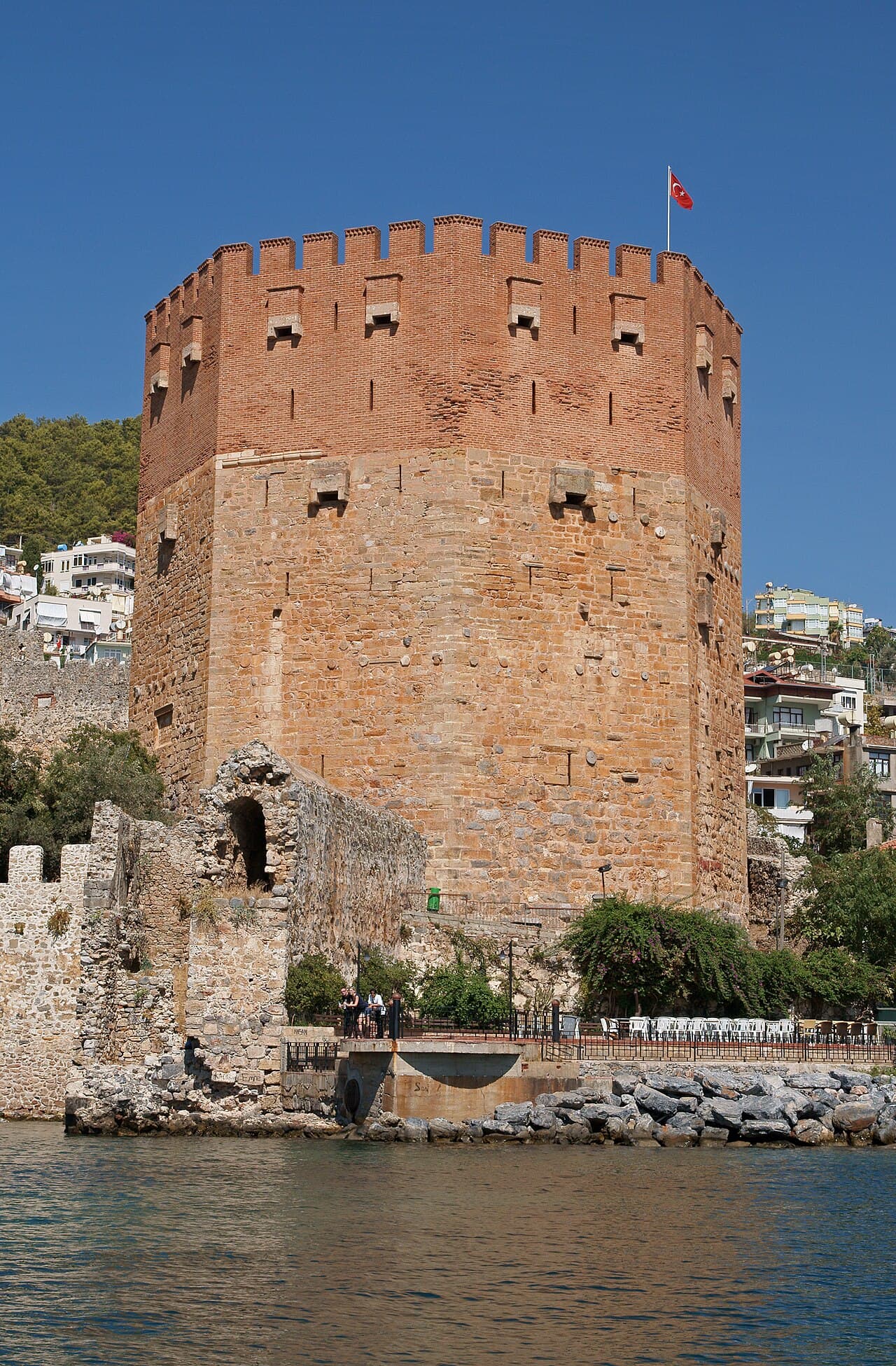
Kızıl Kule, known as the "Red Tower," is a remarkable example of Seljuk military architecture situated in the coastal city of Alanya, Turkey. Constructed in the early 13th century, it stands as a symbol of the city's medieval heritage and strategic maritime importance. This octagonal tower dominates the skyline at 33 meters tall and 12.5 meters in diameter, built primarily of striking red bricks that give the tower its name. It remains one of the best-preserved Seljuk structures in the region and a key monument in the larger Alanya fortress complex.
The tower's construction began under the reign of Sultan Alaeddin Keykubad I, a prominent ruler of the Anatolian Seljuk Sultanate, and was completed in 1226. The Sultan commissioned the experienced architect Ebu Ali Reha from Aleppo to oversee the project, ensuring the tower's robust design and strategic placement. Kızıl Kule was built primarily to protect the nearby Tarsana shipyard, established in 1221, which was vital for the Seljuks' naval power in the Mediterranean. Its location was carefully chosen to provide optimal defense of the harbor and shipbuilding facilities from potential naval attacks.
Architectural features and military significance
The tower's octagonal shape is distinctive among medieval fortifications, offering both aesthetic appeal and practical defensive advantages. The thick brick walls were constructed with high craftsmanship, enabling the tower to withstand sieges and the test of time. The height and diameter of the tower allowed for extensive visibility over the surrounding sea and land, making it an effective lookout and stronghold.
Kızıl Kule was integrated into the city's defensive system, which included walls and other fortifications encircling Alanya. Its position near the harbor meant it was pivotal in controlling access to the port, deterring enemy fleets, and safeguarding the Seljuk naval fleet's shipbuilding operations. The tower's battlements and embrasures were designed for archers and artillery, reflecting the military technologies of the High Medieval period.
Materials and construction techniques
The use of red brick as the primary building material is a notable feature, contributing not only to the tower's distinctive appearance but also to its durability. The bricks were laid with precision, and the mortar used was of high quality, ensuring the tower's longevity. This construction technique was typical of Seljuk architecture, which often combined functionality with aesthetic considerations.
Historical context and cultural legacy
Kızıl Kule was constructed during a period of Seljuk expansion and consolidation in Anatolia. Sultan Alaeddin Keykubad I's reign (1220-1237) marked a high point in Seljuk power, with significant developments in architecture, trade, and military strength. The tower symbolizes this era of prosperity and strategic importance, particularly in maritime defense.
Over the centuries, the tower remained a vital military asset, protecting Alanya's harbor and shipyard through various political changes, including the transition from Seljuk to Ottoman control. Its enduring presence made it a symbol of the city, deeply embedded in local identity. The tower appears on Alanya's flag alongside the Seljuk double-headed eagle, a heraldic emblem representing power and sovereignty.
Between 1992 and 2005, Kızıl Kule was featured on the reverse side of the Turkish 250,000 lira banknote, highlighting its national cultural significance. This recognition reflects the tower's importance not only as a historical monument but also as a symbol of Turkish heritage.
Preservation and modern use
After centuries of use and exposure, Kızıl Kule underwent significant restoration in the 1950s to stabilize and preserve the structure. These efforts ensured the tower's survival and prepared it for public access. In 1979, the tower's first floor was converted into the Alanya Ethnographic Museum, which showcases exhibits related to the tower's history, Seljuk culture, and the maritime heritage of the region.
The museum's displays include artifacts, historical documents, and interpretive materials that help visitors understand the tower's role in the city's development and defense. Today, the tower remains open to the public, with the Turkish flag proudly flying from its battlements, symbolizing continuity between past and present.
Integration within the Alanya fortress complex
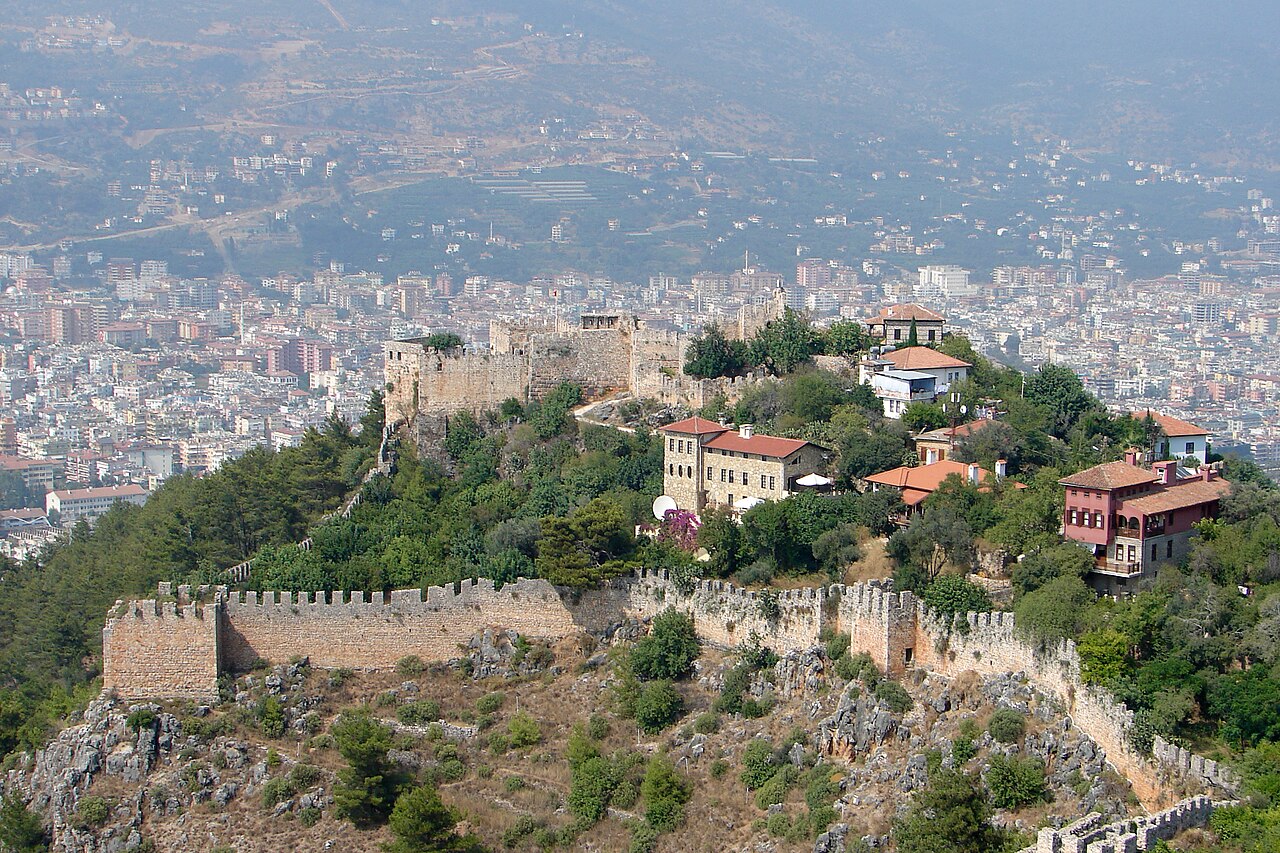
Kızıl Kule is a key component of the extensive Alanya fortress, which includes walls, gates, and other defensive structures dating from the Seljuk period and later. The fortress complex protected the city from both land and sea threats and is an important archaeological and tourist site.
Visitors to the tower can explore the surrounding fortress walls and gain insight into medieval military architecture and urban defense strategies. The site offers panoramic views of the Mediterranean Sea and the city of Alanya, enhancing its appeal as a cultural and historical destination.
Visitor information and cultural significance
Kızıl Kule is not only a historical monument but also a living symbol of Alanya's rich past. Its preservation and adaptive reuse as a museum allow it to educate visitors about the Seljuk era and the city's maritime heritage. The tower is accessible to tourists year-round, providing a unique opportunity to experience a well-preserved example of medieval Anatolian fortification.
The tower's association with the Seljuk double-headed eagle and its prominent place on local flags and currency underscore its cultural importance. It serves as a focal point for understanding the region's history and architectural achievements during the High Medieval period.
Overall, Kızıl Kule stands as a testament to the ingenuity and strategic foresight of the Seljuk architects and rulers. Its enduring presence continues to inspire appreciation for Turkey's medieval heritage and offers valuable insights into the military, cultural, and architectural history of Anatolia.
Frequently asked questions (FAQ)
- What is the historical significance of Kızıl Kule?
- Kızıl Kule was built in 1226 by the Anatolian Seljuks to protect Alanya's shipyard and harbor, symbolizing Seljuk maritime power and medieval military architecture.
- How can I visit Kızıl Kule?
- Kızıl Kule is open daily from 9:00 to 18:00. Visitors can explore the tower and the ethnographic museum on the first floor, with an entrance fee of €3 for adults and €1.5 for children.
- What architectural features make Kızıl Kule unique?
- Its octagonal shape, red brick construction, and integration into the Alanya fortress complex make Kızıl Kule a distinctive example of Seljuk military architecture.
- Is Kızıl Kule accessible for visitors with mobility issues?
- The tower has some uneven surfaces and stairs, which may limit accessibility for visitors with mobility impairments. Assistance is recommended.
- Why is Kızıl Kule called the Red Tower?
- The tower's name derives from its striking red brick construction, which is both a visual hallmark and a durable building material characteristic of Seljuk architecture.
Photo gallery

Information
Opening hours
9:00-18:00, daily
Ticket prices
€3 adult, €1.5 child
Current owner
Municipality of Alanya
Website
Visit websiteSources & official resources
Verify the information above using these authoritative references.
Loading map...
Visitor reviews
No reviews yet. Been here? Write the first review and help other travelers!
Write the first reviewVisited this castle? Share your experience
Your review helps other travelers and adds first-hand knowledge to our encyclopedia.