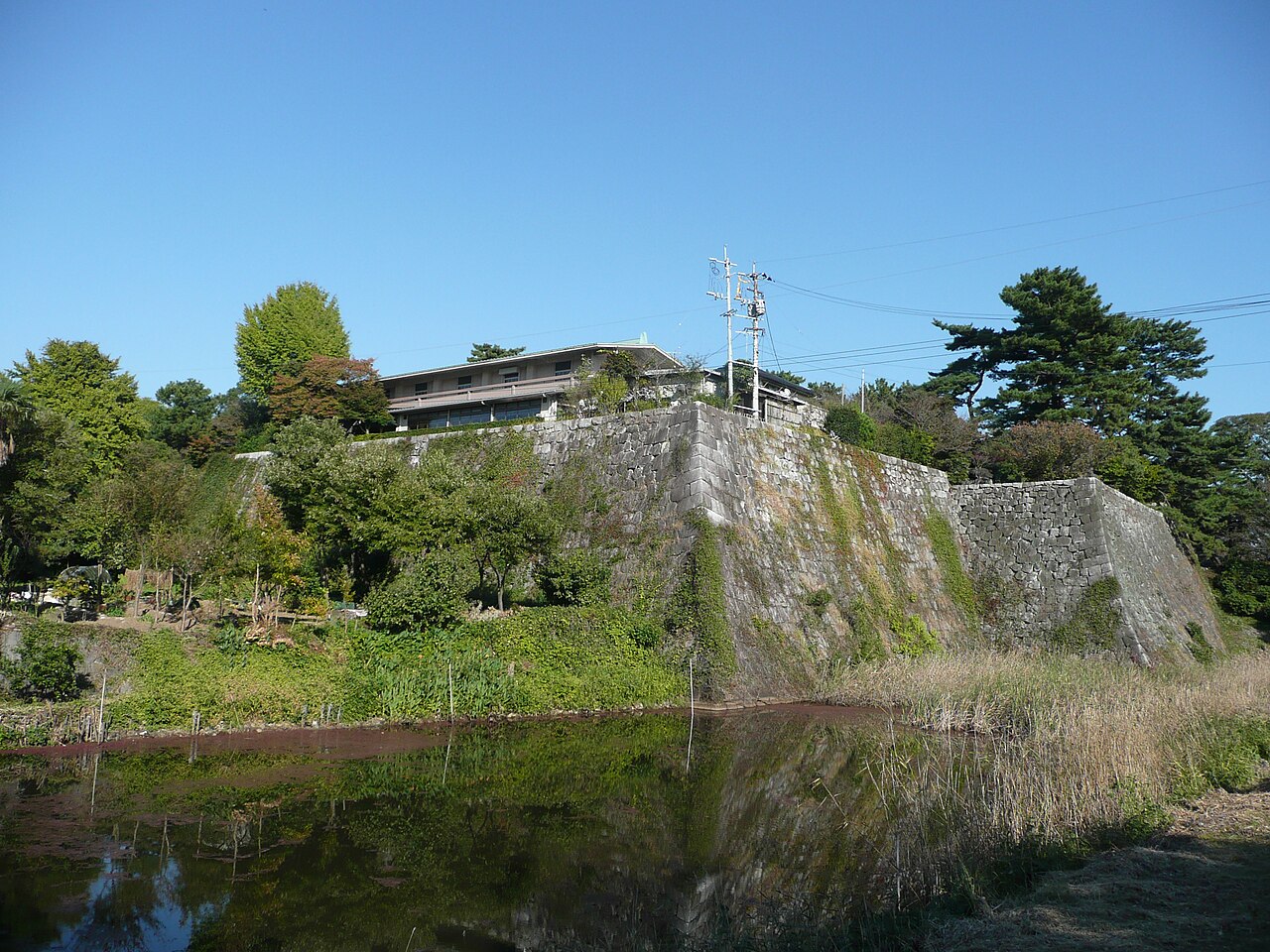
Kikuchi Castle — Japan castle

Kikuchi Castle

Kikuchi castle: ancient korean-style fortress ruins in kumamoto
Kikuchi, Japan
Early Medieval (5th–10th c.)
Ruins

Kikuchi Castle (鞠智城, Kikuchi-jo) is a significant early medieval fortress located in Kikuchi, Kumamoto Prefecture, Japan. Constructed in the 7th century, it is classified as a Korean-style mountain fortress (朝鮮式山城, Chōsen-shiki yamajiro), reflecting the influence of continental fortification techniques during Japan's Asuka period. The castle's ruins have been designated a National Historic Site since 2004, underscoring its cultural and historical importance.

Historical context and strategic significance

The construction of Kikuchi Castle occurred during a period when Japan was consolidating its defenses against potential invasions and internal conflicts. The 7th century was marked by the Taika Reforms and increased centralization under the imperial court, alongside concerns about threats from neighboring states such as the Korean kingdoms and Tang China. This fortress was part of a network of defensive structures built to secure the western regions of Japan, particularly Kyushu, which was the closest island to the Asian mainland.

Kikuchi Castle's strategic location in Kumamoto Prefecture allowed it to oversee important routes and act as a military stronghold. Its design incorporated elements typical of Korean mountain fortresses, which were adapted to the local terrain to maximize defensive capabilities.

Architectural features and design

The castle exemplifies the Korean-style mountain fortress architecture, characterized by extensive stone walls built along ridges and hillsides. Unlike the later Japanese castles known for their tall keeps and wooden structures, Kikuchi Castle was primarily a stone fortification integrated with the natural landscape.

The walls are constructed with large, roughly hewn stones fitted together without mortar, a technique influenced by Korean fortification methods. These walls formed enclosures that protected the inner compounds, which likely contained military barracks, watchtowers, and storage facilities, although much of the superstructure has not survived.

The layout of the fortress was designed to take advantage of the mountainous terrain, with walls following the contours of the hills to create multiple defensive layers. This made it difficult for attackers to mount a direct assault and allowed defenders to utilize the high ground effectively.

Archaeological significance and preservation

Today, Kikuchi Castle stands as archaeological ruins, with remnants of its stone walls and earthworks visible to visitors. Excavations have revealed the scale and complexity of the fortress, providing insights into early Japanese military architecture and the cultural exchanges between Japan and the Korean peninsula during the 7th century.

The site has been carefully preserved, with efforts to maintain the integrity of the remaining structures and to provide educational information for visitors. The designation as a National Historic Site highlights the castle's importance in understanding Japan's early medieval history and its defensive strategies.

Visiting kikuchi castle today

Visitors to the site can explore the ruins and enjoy panoramic views of the surrounding landscape, which remains largely rural and mountainous. While no reconstructed buildings stand on the site, the stone walls and earthworks convey the scale and defensive nature of the fortress.

The site is accessible year-round, though facilities are limited due to its status as an archaeological site rather than a fully restored castle. Interpretive signage provides historical context, making it a valuable destination for those interested in Japan's ancient military history and fortification architecture.

Frequently asked questions (FAQ)

How do I get to Kikuchi Castle?
Kikuchi Castle is accessible by public transport, with frequent bus services from Kumamoto City. If you prefer driving, there is parking available near the castle grounds.
What is the historical significance of Kikuchi Castle?
Kikuchi Castle, built in the 16th century, played a crucial role during the Sengoku period as a military stronghold. It is renowned for its strategic location and was an important site for various samurai clans.
When was Kikuchi Castle constructed?
The construction of Kikuchi Castle began in 1530 and was completed by the end of the 16th century. It has undergone numerous renovations and restorations throughout its history.
Can I visit Kikuchi Castle year-round?
Yes, Kikuchi Castle is open to visitors throughout the year, but it’s best to check for any special events or maintenance closures. The castle is particularly beautiful during cherry blossom season in spring.
Why is Kikuchi Castle known for its unique architecture?
Kikuchi Castle features a blend of traditional Japanese castle architecture with distinctive stone walls and moats, reflecting the military needs of its time. The design is also notable for its scenic views of the surrounding landscape.
Is it possible to take guided tours of Kikuchi Castle?
Yes, guided tours are available at Kikuchi Castle, providing visitors with in-depth historical insights and stories about the castle's significance. It’s a great way to enhance your experience and learn more about the site.
What are the opening hours of Kikuchi Castle?
Kikuchi Castle is typically open from 9 AM to 5 PM daily, but hours may vary by season. It is advisable to check the official website or local visitor information before your visit.
Are there any nearby attractions to visit while at Kikuchi Castle?
Yes, nearby attractions include the Kikuchi Nature Park and the Kikuchi Onsen hot springs, both offering beautiful scenery and relaxation options. These sites complement your visit to the castle, providing additional cultural and natural experiences.
What are the ticket prices for visiting Kikuchi Castle?
Admission to Kikuchi Castle is generally free, making it an accessible destination for all visitors. However, there may be fees for special exhibitions or guided tours, so it's best to check in advance.

Photo gallery

Kikuchi Castle
Click to view

Photo by 小池 隆•CC BY 3.0

1 photo • Click any image to view in full screen

Information

Archaeological Site / Ruins

Loading map...

Visitor reviews

No reviews yet. Been here? Write the first review and help other travelers!

Write the first review

Visited this castle? Share your experience

Your review helps other travelers and adds first-hand knowledge to our encyclopedia.
Write a review

(5/5)

0/2000 characters

Your review will be visible after admin approval

Nearby castles

23 km
Kumamoto Castle — Japan castle

Kumamoto Castle

Kumamoto, Japan

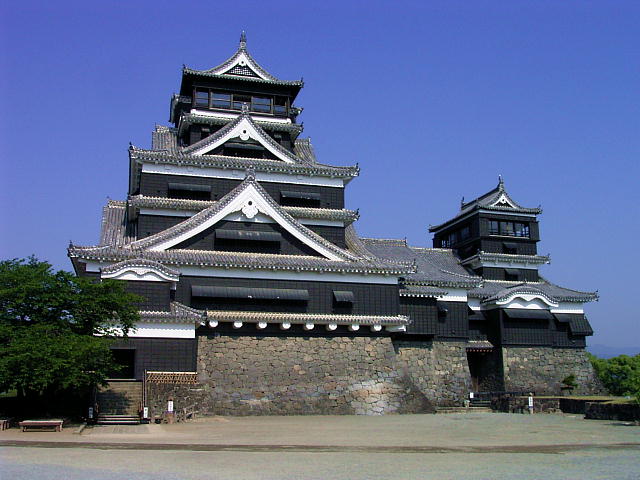
Kumamoto Castle stands as one of Japan's most iconic and historically significant hill castles, located in the heart of Kumamoto city, Kumamoto Prefecture. Constructed in 1607 by the famed warlord Kato Kiyomasa, this fortress is celebrated for its ingenious use of natural geography and advanced defensive architecture, making it one of the most impregnable castles in Japanese history. The castle's strategic placement on a hill provided commanding views of the surrounding plains, allowing defenders to monitor and control access effectively. The architectural mastery of kumamoto castle The castle's design reflects the pinnacle of early 17th-century Japanese castle architecture, blending formidable defensive features with aesthetic elegance. Kumamoto Castle's extensive stone walls are renowned for their steep, sloping construction known as musha-gaeshi, designed to prevent scaling by attackers. These walls, combined with a complex system of turrets, gates, and moats, created multiple layers of defense. Main keep and towers The main keep (tenshu) was an imposing multi-storied structure, serving both as a last line of defense and a symbol of the lord's power. Adjacent to the main keep was a smaller connected tower, enhancing the castle's defensive capabilities and providing additional vantage points. The castle complex also included numerous watchtowers and corner turrets (yagura), which were strategically placed to cover blind spots and protect the walls. Innovative defensive features Kumamoto Castle's defensive design incorporated curved stone walls and steep slopes that made it difficult for enemies to use ladders or siege equipment effectively. The castle also featured hidden corridors and trapdoors to surprise invaders. Its moats were wide and deep, further complicating any assault. The use of shachihoko ornaments—mythical fish-shaped roof decorations—was both symbolic and functional, believed to protect the castle from fire. Historical significance and ownership Kato Kiyomasa, a prominent daimyo and military commander, built Kumamoto Castle shortly after the decisive Battle of Sekigahara (1600), which established the Tokugawa shogunate. His construction of the castle was part of consolidating power in Kyushu and securing the region against potential uprisings. The Kato family's control lasted only two generations, ending when Hosokawa Tadatoshi replaced Kiyomasa's son in 1632. The Hosokawa clan then ruled Kumamoto for approximately 240 years, through the Edo period, maintaining and enhancing the castle's structures and grounds. Damage, restoration, and resilience During the Satsuma Rebellion of 1877, Kumamoto Castle suffered significant damage when the main keep and connected smaller tower, along with other buildings, were burned to the ground. Despite this destruction, many of the castle's stone walls and fortifications survived, preserving the castle's silhouette and historical footprint. In the modern era, Kumamoto Castle has undergone various phases of restoration. It is currently partially restored, with ongoing efforts to repair and reconstruct damaged sections while maintaining historical accuracy. The castle remains a beloved cultural symbol and a popular tourist destination. Impact of the 2016 earthquake In April 2016, a powerful magnitude 6.2 earthquake struck Kumamoto, causing extensive damage to the castle. Numerous stone walls collapsed, turrets were destroyed, and roof tiles along with shachihoko ornaments fell from the roofs. Many walls and roofs sustained severe damage, yet the castle's core structure remained upright, symbolizing resilience and hope for the local community. The earthquake damage led to intensified restoration efforts, highlighting the castle's importance as a cultural heritage site and its role in the identity of Kumamoto's residents. Visitor experience and cultural importance Today, Kumamoto Castle offers visitors a rich historical experience, with access to reconstructed castle grounds, gardens, and select preserved buildings. The castle's museum exhibits artifacts related to its history, architecture, and the samurai culture of the region. The castle is also a venue for cultural events and festivals, celebrating Kumamoto's heritage. Its impressive stone walls, turrets, and panoramic views from the hilltop continue to attract history enthusiasts, architects, and tourists from around the world. Architecture and design influence Kumamoto Castle's architectural features have influenced Japanese castle design and preservation practices. Its innovative defensive structures and aesthetic qualities exemplify the sophistication of early Edo-period castle construction. The castle remains a key study subject for historians and architects interested in feudal Japan's military and cultural history.

Renaissance (15th–17th c.)
Details
44.8 km
Kurume Castle — Japan castle

Kurume Castle

Kurume, Japan

Kurume Castle (久留米城, Kurume-jō) stands as a significant historical site in Japan, reflecting the turbulent era of the late 16th century. Constructed in 1587 by Kobayakawa Hidekane, the ninth son of the renowned warlord Mōri Motonari, the castle played a strategic role during Japan's Sengoku period, a time marked by continuous military conflict and social upheaval. Historical background and construction The castle was established as a stronghold in the region of Kurume, which is located on the island of Kyushu. This period in Japanese history was characterized by the rise of powerful daimyo (feudal lords) who built castles to consolidate their power and defend their territories. Kurume Castle was built as part of this broader movement of castle construction that helped shape the political landscape of the era. Kobayakawa Hidekane, a member of the influential Kobayakawa clan, was entrusted with the construction and governance of the castle. The Kobayakawa family was closely allied with the Mōri clan, one of the dominant forces in western Japan. Kurume Castle's establishment in 1587 coincided with the final years of the Sengoku period, just before the unification of Japan under the Tokugawa shogunate. Architecture and castle features Though today Kurume Castle remains primarily as archaeological ruins, its original design reflected typical features of Japanese castles of the late 16th century. The castle was built with stone walls and surrounded by a water moat, elements that were essential for defense against sieges and attacks. The stone walls were constructed using traditional Japanese techniques that emphasized both strength and aesthetic harmony with the natural landscape. The castle's layout likely included multiple baileys (courtyards) and defensive structures such as gates and watchtowers, although much of this has not survived. The presence of the moat indicates the strategic use of water defenses, common in Japanese castle architecture to impede enemy advances and protect the inner keep. Current condition and preservation Today, Kurume Castle is classified as ruins, with only portions of its stone walls and the moat remaining visible. Despite the loss of its main structures, the site remains an important cultural and historical landmark. It was recognized in 2017 as one of the Continued Top 100 Japanese Castles, a list that highlights castles of significant heritage value that may not be as well preserved as others but are crucial for understanding Japan's feudal past. The ruins offer visitors a glimpse into the castle's original defensive features and the landscape it once dominated. Archaeological efforts and local preservation initiatives aim to maintain the site for educational and cultural purposes, allowing people to connect with Japan's rich history. Kurume castle in regional context Located in the Kyushu region, Kurume Castle was part of a network of fortifications that controlled key routes and territories during the Sengoku period. The castle's position would have been strategically chosen to oversee important transportation and communication lines. The surrounding area has evolved significantly since the castle's active use, but the ruins remain a testament to the region's feudal heritage. Visiting Kurume castle ruins Visitors to Kurume Castle today can explore the remnants of the stone walls and the moat, which provide a tangible connection to the castle's past. The site is accessible and offers opportunities for historical education and appreciation of traditional Japanese castle architecture. While the original buildings no longer stand, the ruins evoke the military and political significance of the castle during a pivotal era in Japanese history.

Late Medieval (14th–15th c.)
Details
45.9 km
Shimabara Castle — Japan castle

Shimabara Castle

Shimabara, Japan

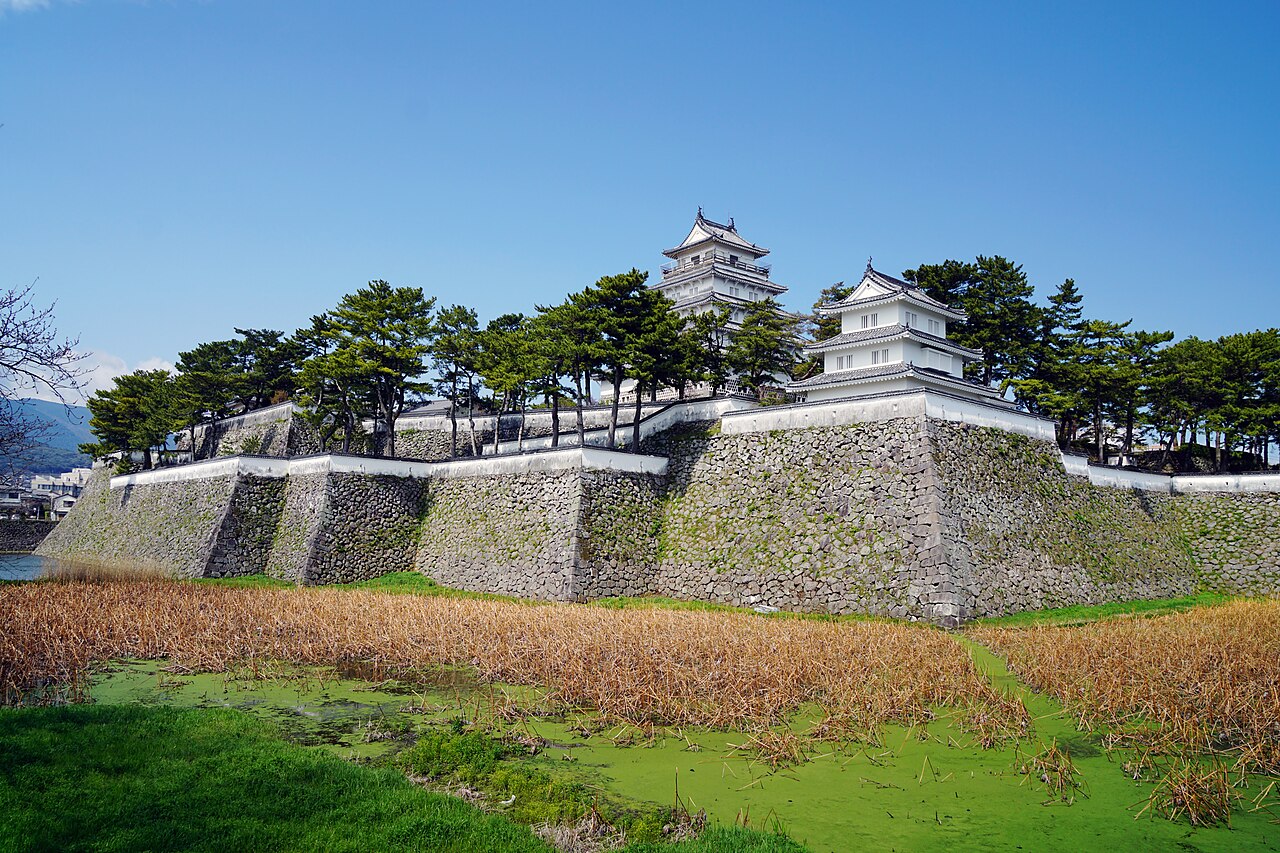
Shimabara Castle stands as a significant historical monument on the Shimabara Peninsula in Nagasaki Prefecture, Japan. Constructed in 1616 during the early Edo period, this lowland castle was built under the orders of Matsukura Shigemasa, replacing earlier fortifications such as Hinoe Castle and Hara Castle. The castle's construction marked a pivotal moment in the region's history, reflecting the shifting political and religious landscape of Japan in the early 17th century. Historical context and the rise of shimabara castle The Shimabara Peninsula was initially governed by the Arima clan, Christian lords who ruled from Hinoe Castle and Hara Castle. During the late 16th and early 17th centuries, Christianity had gained a foothold in the region, with missionaries actively spreading the faith. However, the Tokugawa shogunate, which had initially tolerated Christianity, reversed its policy in 1614, issuing edicts that banned the religion and expelled missionaries from Japan. As part of this policy shift, the ruling lord of Shimabara, Arima Naozumi, was relocated, and Matsukura Shigemasa was appointed as the new lord. Matsukura was known for his harsh enforcement of the anti-Christian laws and imposed heavy taxes on the local peasants to fund the construction of a new castle rather than utilizing the existing Arima castles. This oppressive taxation and religious persecution sowed deep resentment among the local populace. Construction and architectural features Shimabara Castle was built as a lowland castle (hirajiro), situated on flat terrain rather than a hill or mountain, which was somewhat unusual for Japanese castles that often favored elevated positions for defense. The castle complex was designed with multiple concentric baileys surrounded by stone walls and moats, providing layered defense. Its main keep (tenshu) was a multi-storied structure combining both residential and defensive purposes, featuring traditional Japanese castle architectural elements such as curved tiled roofs, white plaster walls, and wooden interiors. The castle grounds included various functional buildings such as gates, watchtowers, and storehouses, all enclosed within the fortified walls. The extensive use of stone in the walls and moats was characteristic of castle construction during the early Edo period, reflecting advances in military architecture and the need for robust defenses against potential uprisings or invasions. The shimabara rebellion and its impact The oppressive governance and religious persecution under Matsukura Shigemasa culminated in the Shimabara Rebellion of 1637-1638, a major uprising of mostly Christian peasants and ronin (masterless samurai). The rebels sought refuge in the abandoned Hara Castle, which, although stripped of buildings, still retained its moats and walls, providing a defensible stronghold. The rebellion was brutally suppressed by Tokugawa forces after a protracted siege. The aftermath of the rebellion led to even stricter enforcement of anti-Christian policies throughout Japan and reinforced the shogunate's control over the region. Later history and preservation Following the rebellion, Shimabara Castle remained under the control of various ruling families until the Meiji Restoration in the late 19th century, when many feudal castles were dismantled as symbols of the old regime. The castle was largely dismantled during this period, but parts of its walls, moats, and some structures survived. In the 20th century, efforts were made to partially restore Shimabara Castle, preserving its historical and cultural significance. Today, the castle stands as a partially restored site, featuring reconstructed buildings and preserved stone walls and moats that attract visitors interested in Japan's feudal history and castle architecture. Architectural significance and cultural legacy Shimabara Castle exemplifies the early Edo period castle architecture with its combination of defensive features and residential functions. Its construction reflects the political tensions of the time, especially the shogunate's efforts to consolidate power and suppress Christianity. The castle is a valuable cultural asset that offers insights into the lowland castle design, contrasting with the more common hilltop castles in Japan. Its history is deeply intertwined with the Shimabara Rebellion, making it a poignant symbol of resistance and religious persecution in Japanese history. Visitors to Shimabara Castle can explore the reconstructed main keep, stone walls, moats, and surrounding gardens, which provide a tangible connection to Japan's feudal past and the complex history of the Shimabara Peninsula. Visiting shimabara castle today The castle is accessible to visitors and offers a museum inside the reconstructed main keep, showcasing artifacts and exhibits related to the castle's history, the Arima clan, the Shimabara Rebellion, and the broader context of Christianity in Japan during the Edo period. The surrounding area also features scenic views of the Shimabara Peninsula and nearby Mount Unzen, enhancing the visitor experience with natural beauty and historical ambiance.

Renaissance (15th–17th c.)
Details