Thury Castle
Thury Castle, also known historically as Palota Castle or Újlaki Castle, is a prominent medieval fortress located near Várpalota in Hungary. This hill castle was originally constructed in the 13th century by Hungarian nobility as a modest stronghold nestled within the Bakony hills, serving both military and residential purposes. Over the centuries, it evolved into a complex fortification reflecting the turbulent history of the region, particularly during the Ottoman wars.
Early history and medieval development
The earliest documentary evidence of the castle dates back to 1397, when it was referred to as "Palota," a term signifying a building larger than a manor house but smaller and less fortified than a full-scale castle. Initially owned by the noble Újlaki family, the fortress underwent significant expansions throughout the 14th and 15th centuries. These developments included the addition of towers and defensive walls that enhanced both its military strength and residential capacity.
The castle's layout was adapted to the natural terrain, beginning as a compact structure. Due to limited space, the expansions resulted in a U-shaped residential block with a northeast corner tower, enclosing a protected courtyard. Defensive features such as a gatehouse controlling access and a round tower at the northwest corner were also constructed. The fortress was surrounded by a substantial outer wall with smaller bastions at its corners, while the eastern and southern sides were fortified with more imposing semicircular and circular bastions.
Role during the ottoman wars
During the 16th century, Thury Castle assumed a critical role as a frontier fortress defending against the advancing Ottoman Empire. It endured several sieges, notably in 1533, 1566, and 1593. The castle's defense was famously commanded by Captain György Thury, a celebrated Hungarian warrior known for his resilient resistance and daring raids against Ottoman forces. His leadership brought lasting renown to the fortress.
Throughout the prolonged conflicts of the Ottoman wars, control of the castle shifted multiple times. The fortress fell under Turkish occupation several times between 1593 and 1687, until it was permanently liberated in 1687. Despite its robust fortifications, the castle's strategic position was somewhat compromised by higher hills to the north and east, which allowed enemies to observe and bombard it from elevated vantage points.
Baroque transformation and later history
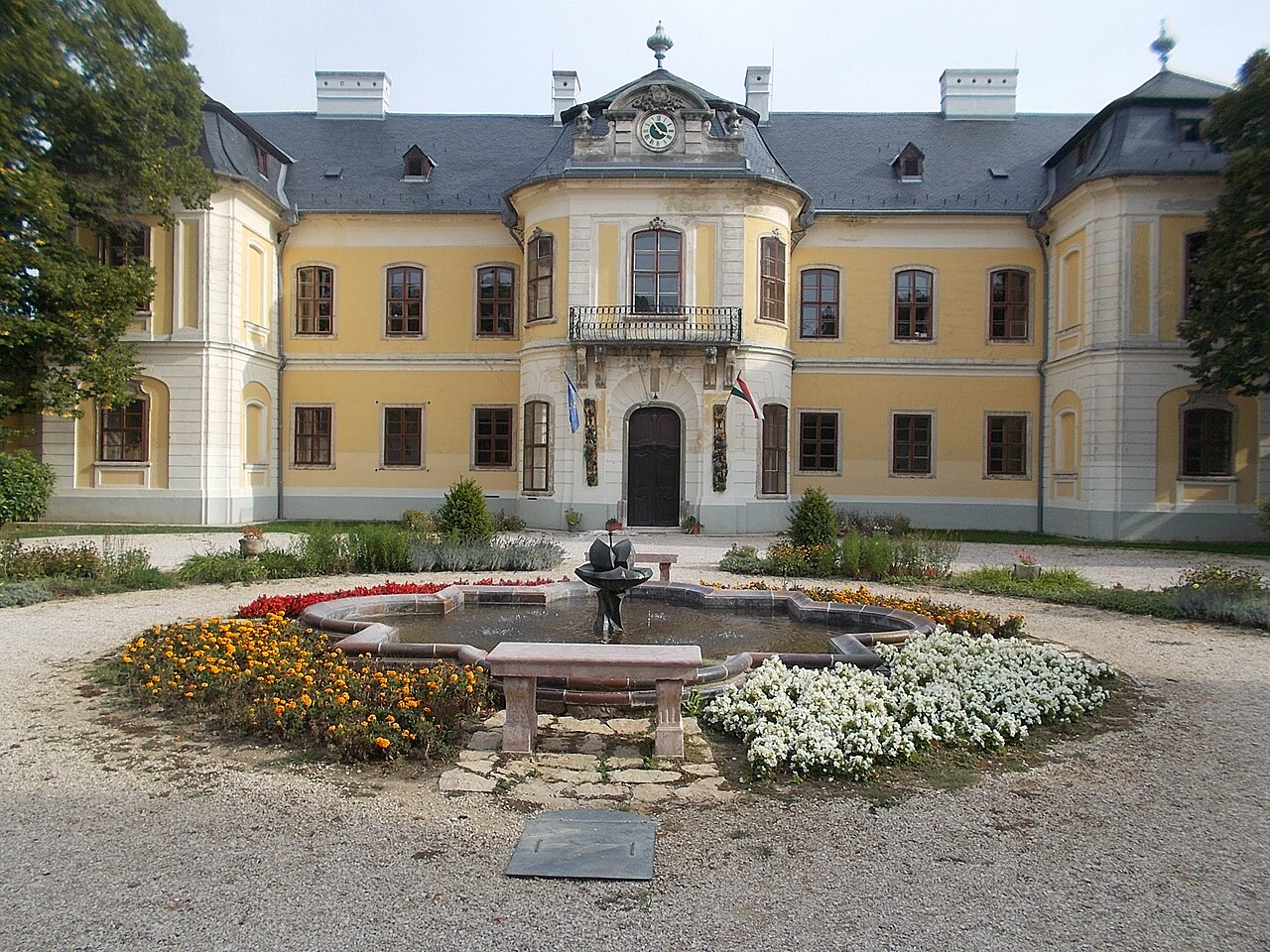
In the 18th century, the castle passed into the hands of the Zichy family, who transformed the medieval fortress into a Baroque-style residence. This renovation reflected contemporary architectural tastes, although specific details of the building materials and decorative elements remain undocumented.
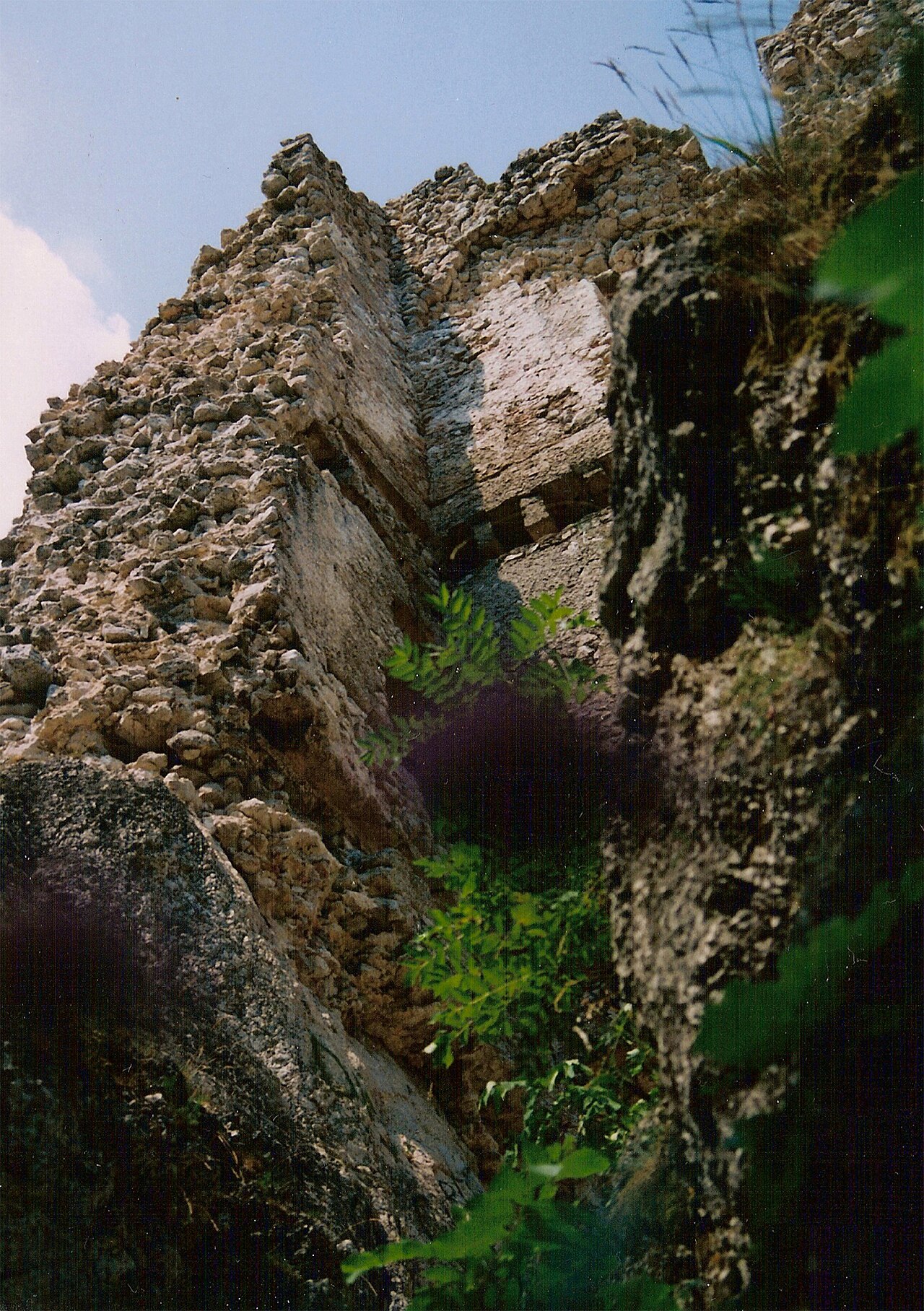
The castle suffered damage during the Rákóczi War of Independence, particularly in 1702 when military commanders ordered partial demolition. The dismantling efforts were interrupted by ongoing conflicts, leaving the fortress partially ruined. Notably, two of the original four corner towers were dismantled down to the roofline on orders from General Rabutin, with only two towers remaining above the roof today.
Architectural features and defensive structures
Thury Castle occupies a quadrangular layout defined by four corner towers forming the main defensive structure. The original outer defensive wall was reinforced with smaller bastions at the corners, while the eastern and southern sides featured larger semicircular and circular bastions. Surrounding these fortifications was a moat and extensive earthworks designed to impede enemy advances.
The castle's layered defenses included an outer ring wall with bastions and a protective ditch, creating multiple lines of defense. The residential sections were integrated within these fortifications, with the courtyard serving as a protected central space. The gatehouse controlled access, and the standalone round tower at the northwest corner added to the defensive capabilities.
Archaeological research and current status
By the mid-20th century, the castle had fallen into ruin. Extensive archaeological excavations and restoration projects were undertaken to preserve the site and uncover its historical layers. These efforts revealed structural details that helped reconstruct the complex layout of the castle and its evolution over time.
Today, Thury Castle is preserved as part of a national heritage program dedicated to historic fortifications. It serves as a cultural center hosting museums such as the Hungarian Chemical Museum and the Mining History Collection. The castle also functions as a venue for exhibitions and cultural events, allowing visitors to explore its restored walls and towers and gain insight into its rich military and residential history.
Visitor experience and cultural significance
The castle's preserved structures and museum collections offer a comprehensive view of Hungary's medieval and early modern history, particularly the turbulent period of the Ottoman wars. Visitors can explore the defensive architecture, including the bastions, towers, and moat, while learning about the strategic importance of the fortress through interpretive displays.
The site also highlights the transformation of military fortresses into aristocratic residences during the Baroque period, illustrating evolving architectural styles and social functions. The castle's role in Hungarian national history, especially its association with Captain György Thury, adds to its cultural resonance and appeal.
Frequently asked questions (FAQ)
- When was Thury Castle originally built?
- Thury Castle was originally constructed in the 13th century by Hungarian nobility as a modest fortress in the Bakony hills.
- What role did Captain György Thury play in the castle's history?
- Captain György Thury was a celebrated warrior who led the castle's defense during the 16th-century Ottoman sieges, known for his successful resistance and daring raids.
- Can visitors explore the castle today?
- Yes, Thury Castle is preserved as a cultural center with museums and exhibitions, allowing visitors to explore its restored walls, towers, and historical displays.
- What architectural styles are visible in Thury Castle?
- The castle features a mix of medieval fortification elements and 18th-century Baroque modifications introduced by the Zichy family.
- How did the castle's defenses evolve over time?
- Initially a modest fortress, the castle expanded with additional towers, bastions, and outer walls, including a moat and earthworks, to enhance its military strength against Ottoman attacks.
Information
Sources & official resources
Verify the information above using these authoritative references.
Loading map...
Visitor reviews
No reviews yet. Been here? Write the first review and help other travelers!
Write the first reviewVisited this castle? Share your experience
Your review helps other travelers and adds first-hand knowledge to our encyclopedia.