Kostajnica Fortress
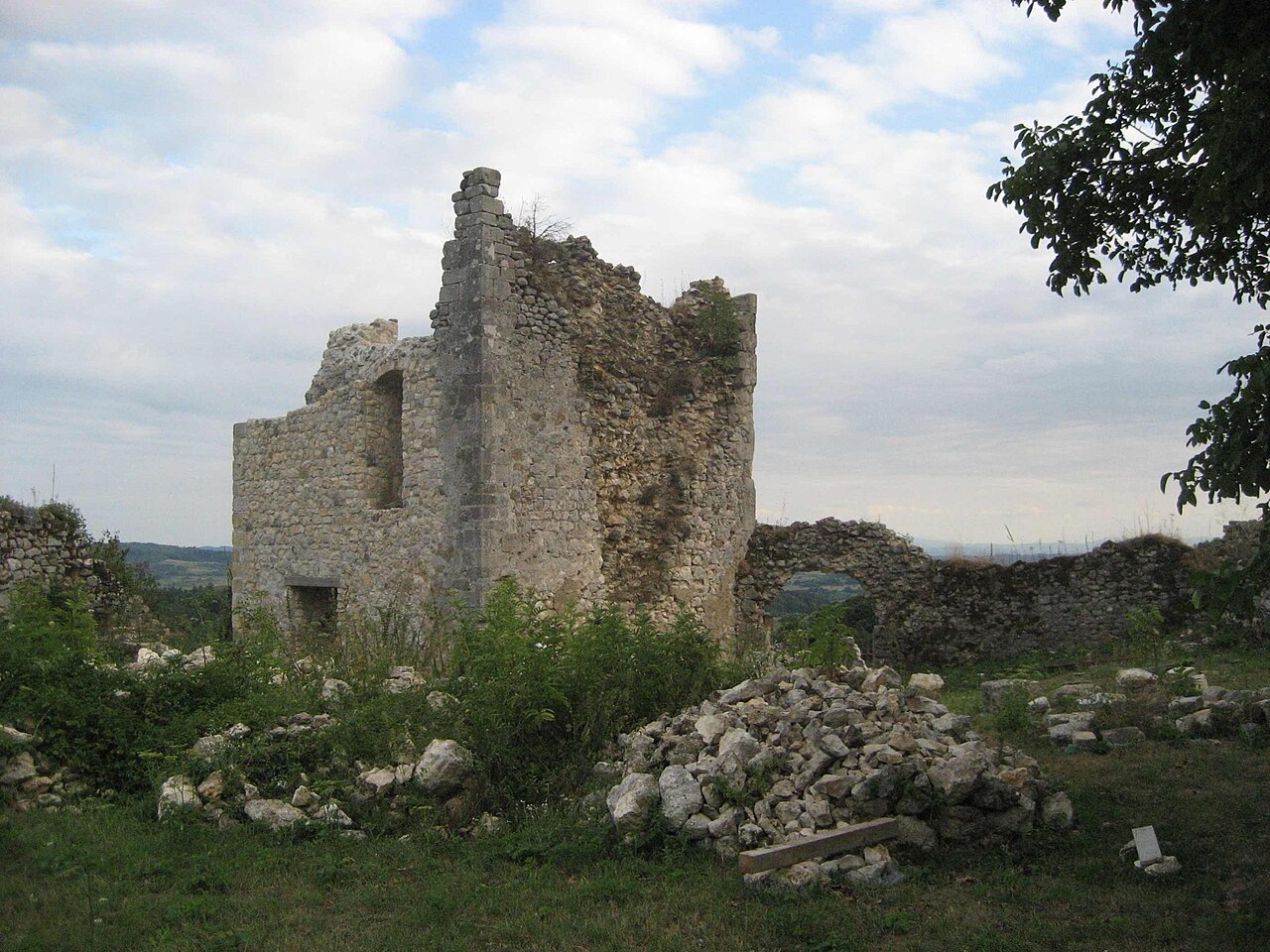
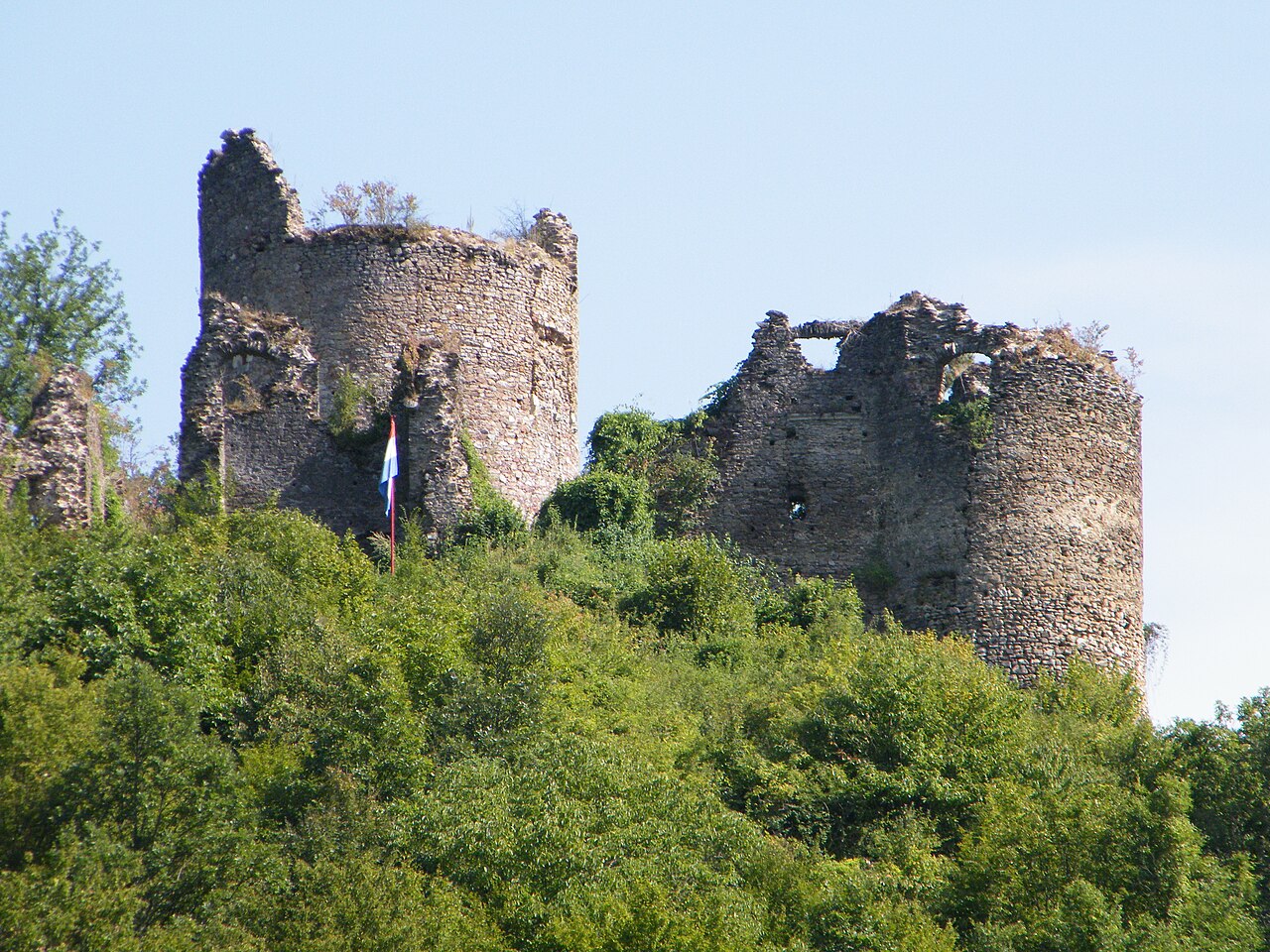
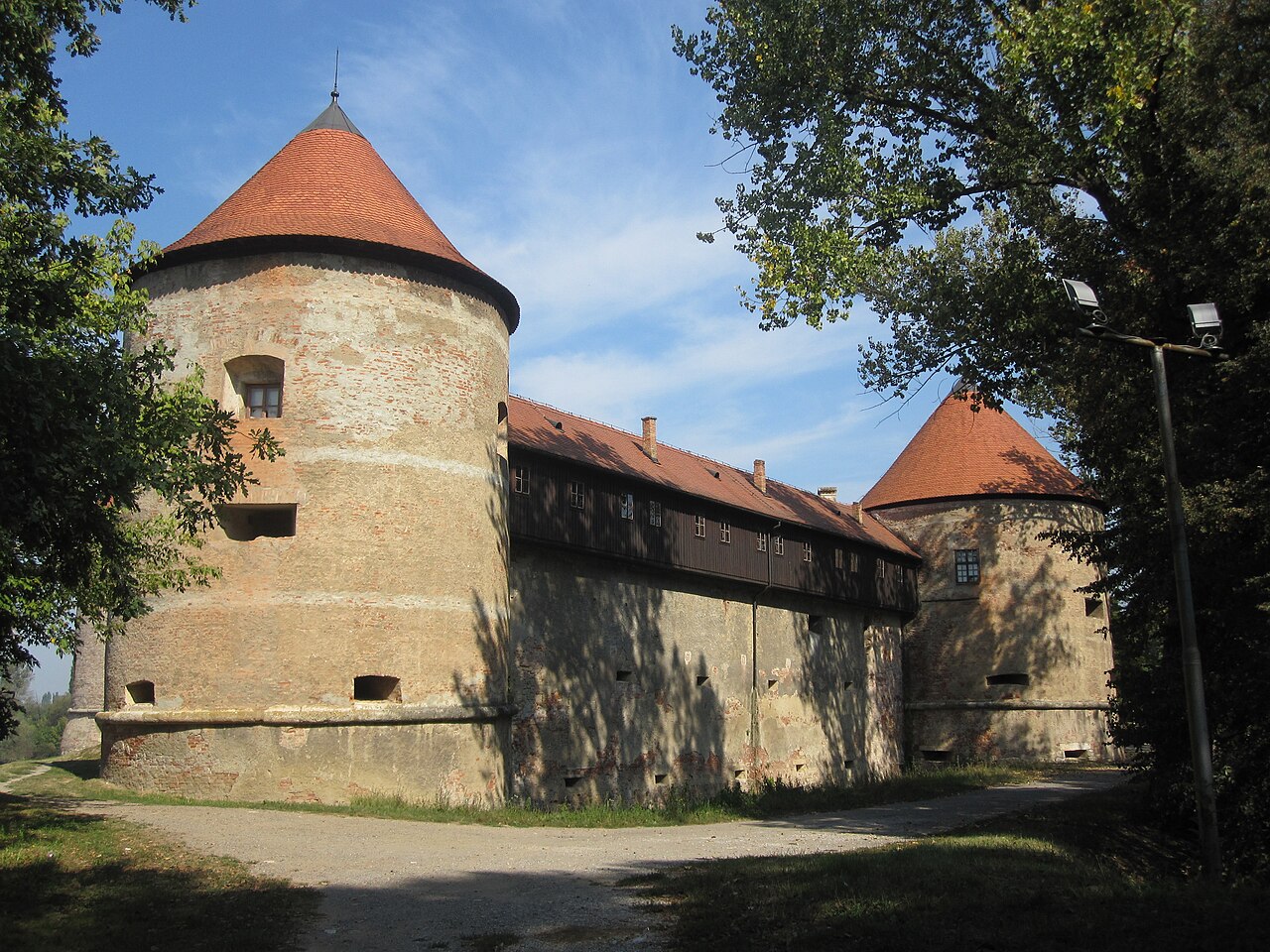
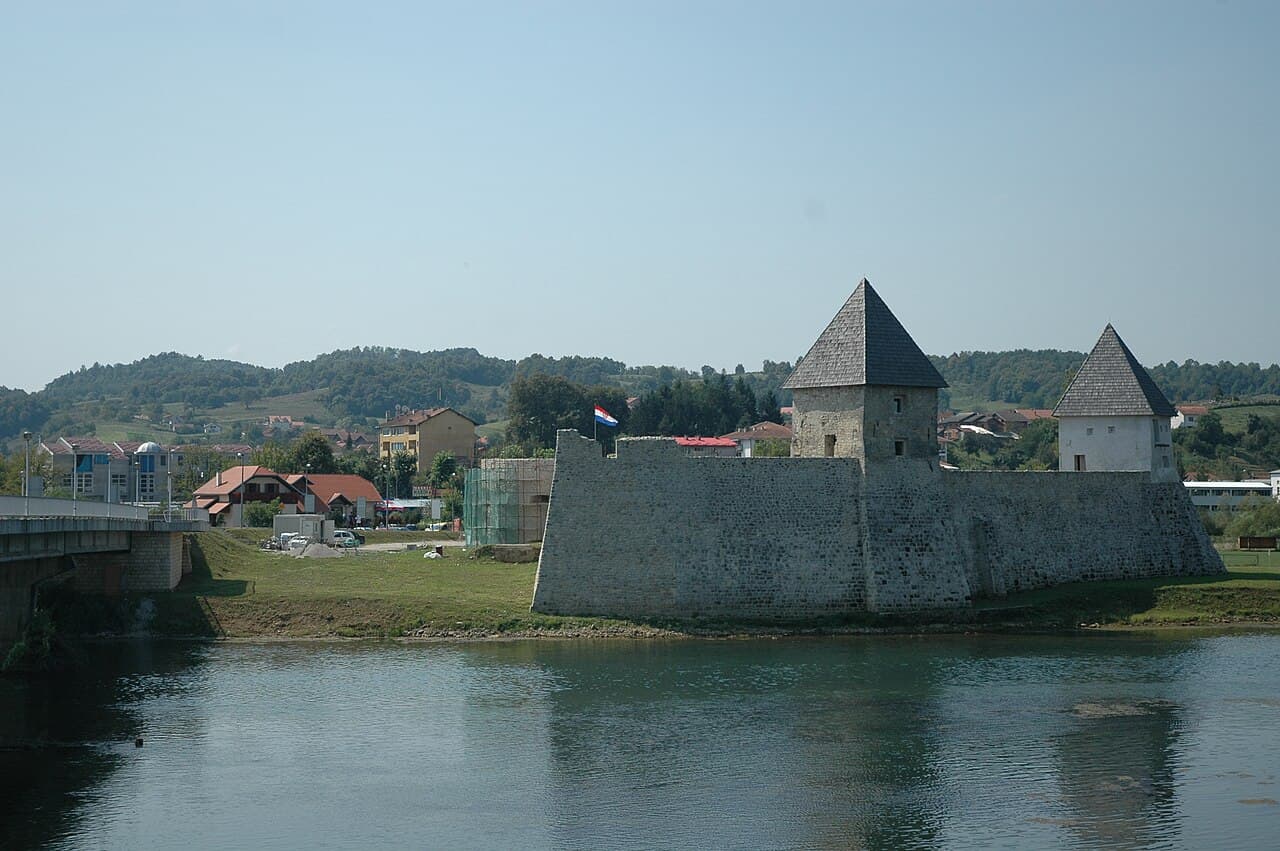
Kostajnica Fortress, also known as Zrinski fortress or Zrinski castle, is a significant medieval stronghold located in Hrvatska Kostajnica, a town in central Croatia near the border with Bosnia and Herzegovina. This fortress, built most probably in the 14th century, stands on the banks of the river Una, commanding a strategic position that has influenced its turbulent history and architectural evolution.
Historical background and noble ownership
The fortress's origins trace back to the Late Medieval period, a time marked by frequent conflicts and territorial disputes in the region. Initially constructed to serve defensive purposes, Kostajnica Fortress was owned by several prominent Croatian noble families over the centuries. These included the Frankopan, Lipovečki, Tot, and Benvenjud families, each contributing to the fortress's legacy and maintenance. In the 16th century, ownership passed to the influential Zrinski family, after whom the fortress is alternatively named.
Military significance and Ottoman conquest
The fortress played a crucial role during the turbulent period of Ottoman expansion into Europe. On 17 July 1556, Kostajnica Fortress was conquered by the Ottoman Empire, marking a significant shift in control over the region. The Ottoman occupation lasted until 1688, when the fortress was liberated during the Great Turkish War. This period of occupation left its mark on the fortress's structure and historical narrative, reflecting the broader conflicts between the Habsburg Monarchy and the Ottoman Empire.
Architectural features and fortifications
Kostajnica Fortress is classified as a bastioned fortress, a style that emerged in the late medieval period to improve defensive capabilities against artillery. The fortress is characterized by its very strong walls and three towers, which were integral to its defense system. Positioned strategically on the riverbank, the fortress's walls and towers provided a formidable barrier against invaders, taking advantage of natural and man-made defenses.
The bastioned design typically includes angled bastions that allow defenders to cover adjacent walls with crossfire, minimizing blind spots. While specific details about the bastions at Kostajnica are limited, the fortress's robust construction reflects the military architectural principles of its time, adapted to the local topography and strategic needs.
Restoration and current condition
Over the centuries, Kostajnica Fortress experienced periods of neglect and deterioration, leading to a state of disrepair by the 20th century. Recognizing its cultural and historical value, the Croatian Ministry of Culture undertook restoration efforts in recent years to preserve and stabilize the structure. These renovations have aimed to maintain the fortress's integrity while allowing for public access and appreciation.
Today, the fortress stands as a well-preserved example of late medieval military architecture in Croatia. Its restoration has helped safeguard its walls, towers, and other architectural elements, ensuring that visitors can explore and learn about its rich history and strategic importance.
Location and cultural significance
Situated in Hrvatska Kostajnica, the fortress occupies a prominent place in the town's landscape and heritage. Its location near the border with Bosnia and Herzegovina highlights its historical role as a frontier fortress, guarding important routes and serving as a military stronghold during various conflicts.
Kostajnica Fortress is not only a monument of historical warfare but also a symbol of the noble families who shaped the region's history. The connection to the Zrinski family further enhances its cultural significance, linking it to one of Croatia's most celebrated noble lineages.
Visitor information and accessibility
The fortress is accessible to visitors interested in exploring medieval fortifications and Croatian history. While specific visiting hours and ticket prices may vary, the site is managed by local cultural authorities who facilitate tours and educational programs. Its restoration has made it safe and engaging for tourists, historians, and architecture enthusiasts alike.
Architectural style and period
Kostajnica Fortress exemplifies the late medieval military architectural style, incorporating elements designed to withstand the evolving nature of warfare during the 14th to 16th centuries. The bastioned fortress design reflects advancements in fortification techniques responding to gunpowder artillery, emphasizing strong walls and strategically placed towers.
Legacy and historical context
The fortress's history encapsulates the broader struggles of the region during the late medieval and early modern periods, including the contest between Croatian nobility and Ottoman forces. Its survival and restoration contribute to understanding the military, political, and cultural developments in central Croatia.
Frequently asked questions (FAQ)
- When was Kostajnica Fortress built?
- Kostajnica Fortress was most probably built in the 14th century during the late medieval period to serve defensive purposes.
- Who owned Kostajnica Fortress historically?
- The fortress was owned by several noble families including the Frankopan, Lipovečki, Tot, Benvenjud, and finally the Zrinski family in the 16th century.
- What architectural style characterizes Kostajnica Fortress?
- Kostajnica Fortress is a bastioned fortress, reflecting late medieval military architecture designed to withstand artillery attacks.
- Is Kostajnica Fortress open to visitors?
- Yes, Kostajnica Fortress is accessible to visitors, with restoration efforts making it safe and engaging for tourists and history enthusiasts.
- What is the historical significance of Kostajnica Fortress?
- The fortress played a key role in regional defense, was conquered by the Ottomans in 1556, and was liberated in 1688, reflecting the area's turbulent history.
Photo gallery

Information
Current owner
Croatian Ministry of Culture
Loading map...
Visitor reviews
No reviews yet. Been here? Write the first review and help other travelers!
Write the first reviewVisited this castle? Share your experience
Your review helps other travelers and adds first-hand knowledge to our encyclopedia.