Gvozdansko Castle
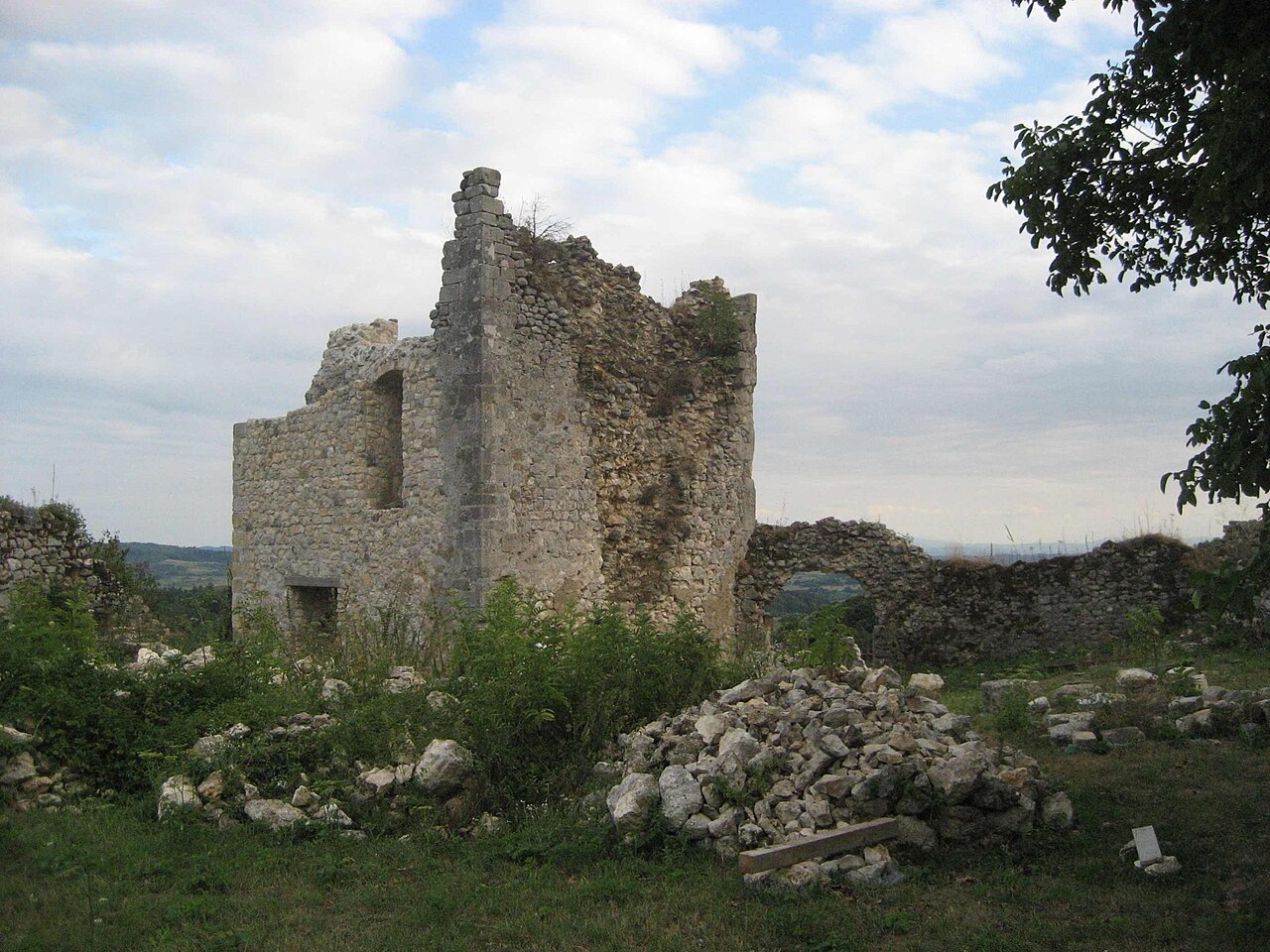
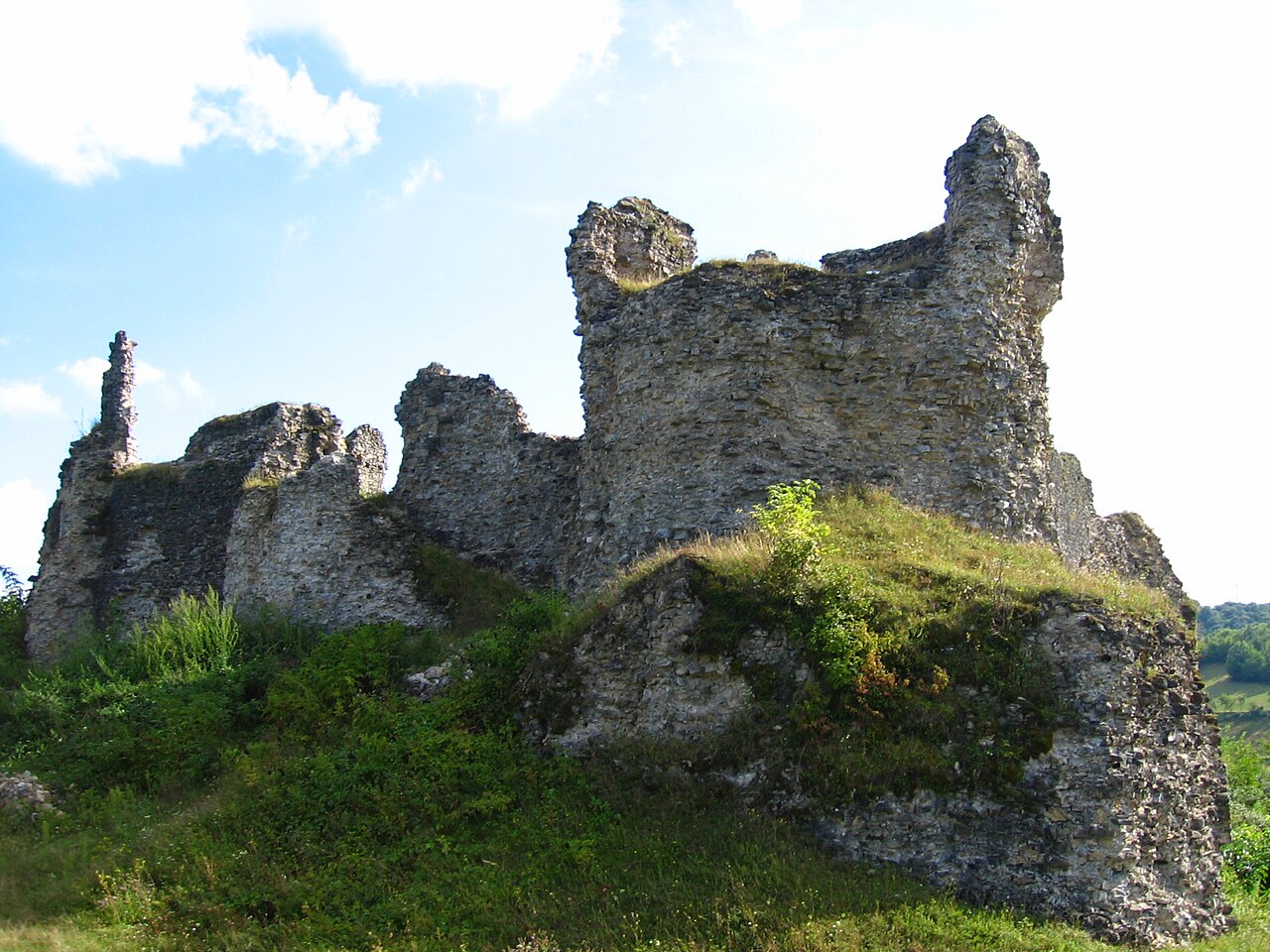
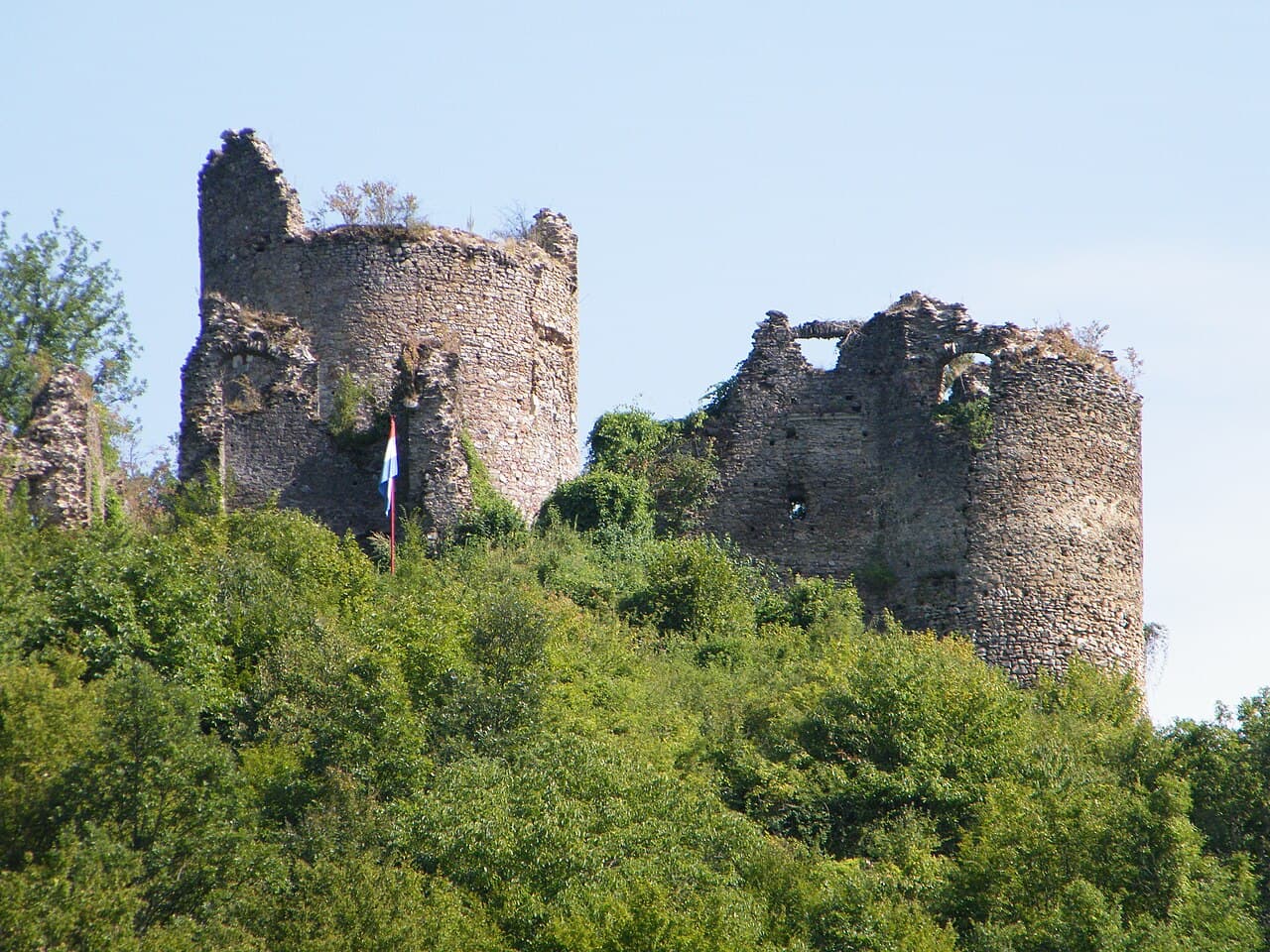
Gvozdansko Castle is a notable late medieval fortress located in the village of Gvozdansko, nestled between the towns of Dvor and Glina in Sisak-Moslavina County, central Croatia. Constructed in the 15th century, this castle was primarily built due to the mining interests of the influential Croatian noble family Zrinski. It was first documented in 1488, marking its significance in the region's defense and economic activities.
Historical background and strategic importance
The castle's origins are closely tied to the Zrinski family, particularly Nikola III Zrinski and his son Nikola Šubić Zrinski, who frequently visited Gvozdansko to oversee the mines and mint operations. The fortress was strategically positioned to protect these valuable resources and to serve as a defensive stronghold against Ottoman incursions during the turbulent 16th century.
Architectural features and layout
Though now in ruins, historical records and archaeological studies indicate that Gvozdansko Castle was constructed as a hill castle with robust defensive features typical of late medieval military architecture. It likely included thick stone walls, battlements, and towers designed to withstand prolonged sieges. The castle's location on elevated terrain provided natural defense advantages and a commanding view of the surrounding landscape.
The sieges and fall of Gvozdansko Castle
Gvozdansko Castle endured multiple Ottoman siege attempts during the 16th century. The first major assault occurred in 1561 under Malkoč-beg, followed by attacks in 1574 by Ferhad-beg and in 1576 by Kapidži-pasha. However, the most significant and final siege took place from 3 October 1577 to 13 January 1578, led by Ferhat-paša Sokolović with an Ottoman force of approximately 10,000 soldiers.
This siege was marked by extreme hardship for the defenders, who faced harsh winter conditions, lack of firewood, and dwindling supplies. Despite these challenges, the Croatian defenders held their positions with remarkable resilience. The castle ultimately fell when the last defenders succumbed to freezing temperatures, unable to light fires for warmth. The Ottoman forces only entered the fortress after the defenders had perished, finding their bodies frozen in combat positions, still clutching their muskets.
The legacy of the defenders
The bravery and endurance of the defenders became legendary. The Ottoman commander was reportedly stunned by the sight of the frozen soldiers, a testament to their determination and sacrifice. This event has been remembered as a symbol of Croatian resistance during the Ottoman wars in Europe.
Ottoman rule and later history
Following the castle's capture, Ottoman rule in Gvozdansko lasted until 1718. During this period, the fortress lost much of its military significance and eventually fell into ruin. Today, the site remains an archaeological ruin, offering insights into the region's turbulent history and medieval fortification techniques.
Visiting Gvozdansko Castle today
Visitors to the site can explore the remains of the castle, which stand as a poignant reminder of the area's historical conflicts and the resilience of its defenders. The ruins provide a tangible connection to the past, set against the backdrop of the Croatian countryside near other historic sites such as Zrin Castle.
Nearby attractions and cultural significance
The castle's proximity to other historic fortresses and its association with the Zrinski family add to its cultural importance. It is part of the broader heritage landscape of Sisak-Moslavina County, which features numerous medieval sites reflecting Croatia's complex history at the crossroads of Central Europe and the Balkans.
Frequently asked questions (FAQ)
- When was Gvozdansko Castle built and by whom?
- Gvozdansko Castle was built in the 15th century, likely by the Croatian noble family Zrinski to protect their mining interests.
- What is the historical significance of Gvozdansko Castle?
- The castle is historically significant for its role in resisting multiple Ottoman sieges during the 16th century, especially the final siege where defenders famously froze to death while holding their positions.
- Can visitors explore the ruins of Gvozdansko Castle today?
- Yes, visitors can explore the archaeological ruins of Gvozdansko Castle, which offer insight into medieval fortifications and Croatian history.
- Where is Gvozdansko Castle located?
- Gvozdansko Castle is located in the village of Gvozdansko, between the towns of Dvor and Glina in Sisak-Moslavina County, central Croatia.
- What happened during the final siege of Gvozdansko Castle?
- During the final siege from October 1577 to January 1578, the defenders endured harsh winter conditions without firewood, ultimately freezing to death while holding their muskets in combat positions.
Photo gallery

Information
Loading map...
Visitor reviews
No reviews yet. Been here? Write the first review and help other travelers!
Write the first reviewVisited this castle? Share your experience
Your review helps other travelers and adds first-hand knowledge to our encyclopedia.