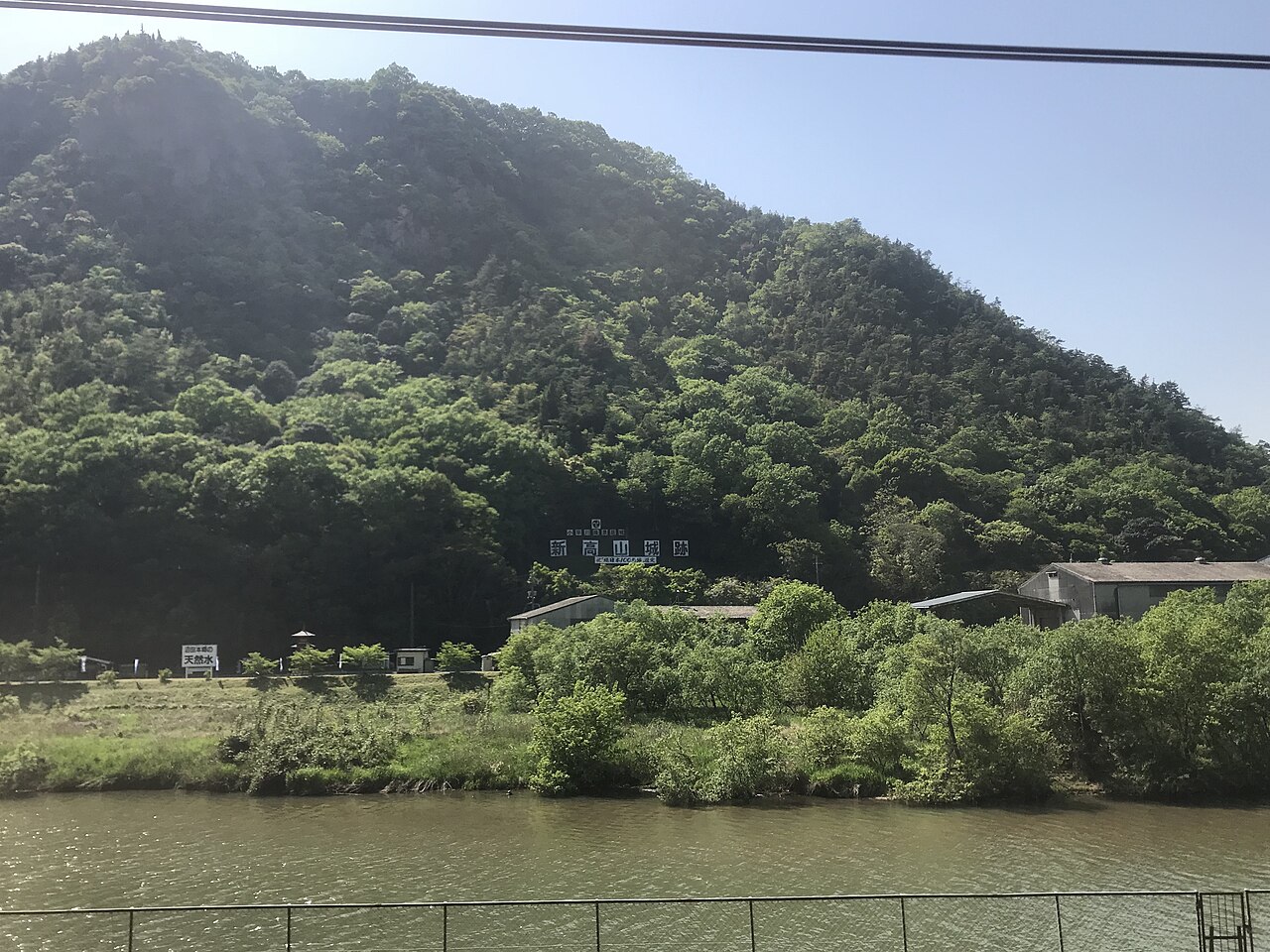
Koriyama Castle, located in Akitakata, Japan, is a significant historical hilltop castle dating back to the 14th century. Its origins are somewhat obscure, but historical evidence suggests that the Mori clan established a fortress known as Yoshida Castle on this site during the 1300s. This early structure likely corresponds to what is referred to as the original Koriyama Castle or Koriyama Honjo Castle, situated on a southeastern ridge of the mountaintop.
During the Sengoku period in the 1500s, the castle underwent substantial expansion to become the extensive fortress ruins visible today. The castle complex covers most of the mountaintop and extends down the slopes facing the town of Akitakata. It was designed with a combination of military, political, and residential functions, characteristic of later Sengoku mountaintop castles. The central compound, or honmaru, was fortified with stone walls and featured buildings with clay tiled roofs. Surrounding the honmaru were residences for high-ranking retainers and soldiers, along with multiple smaller baileys (kuruwa) spreading down the ridges radiating from the peak.
Architectural features and layout
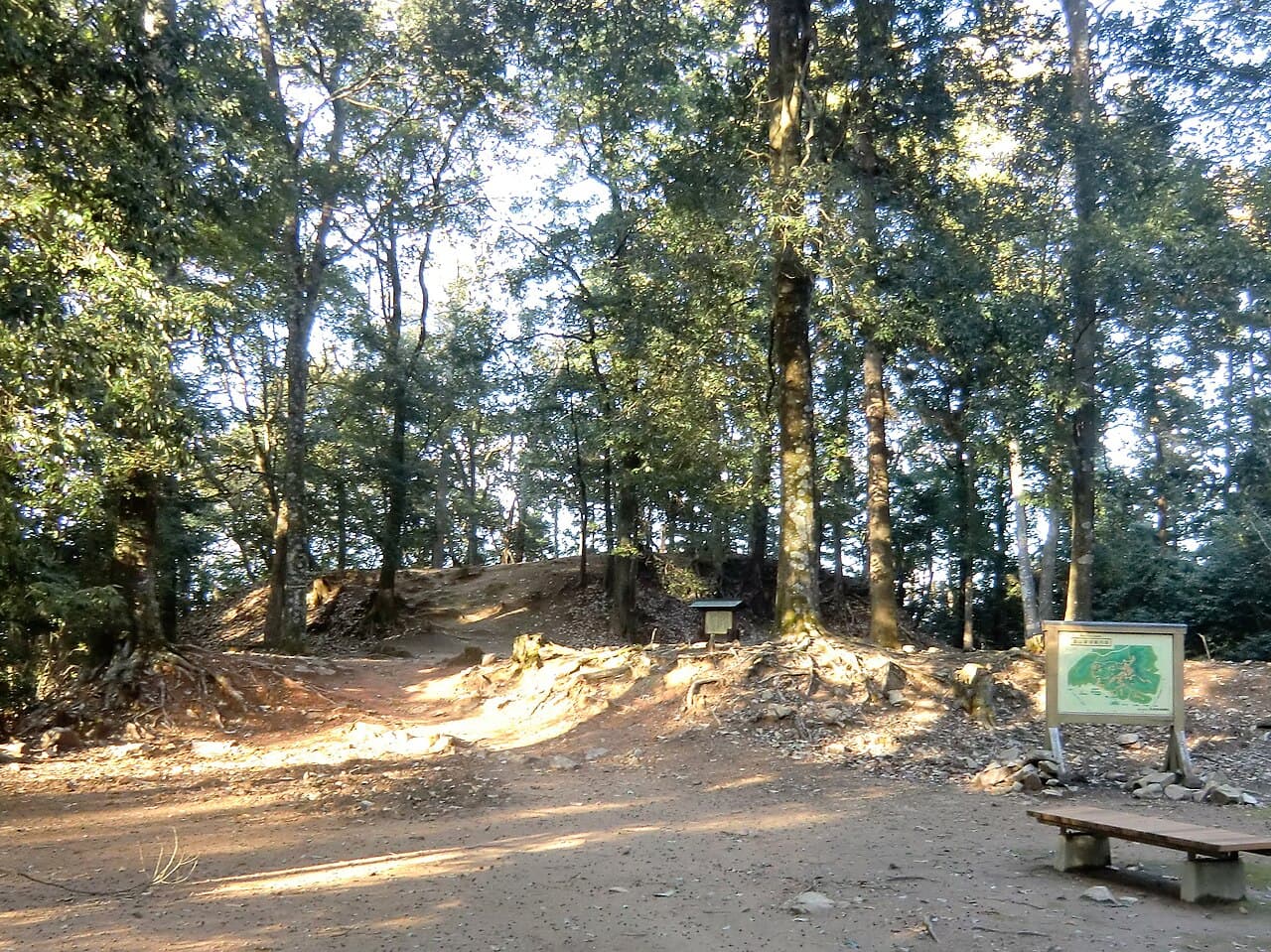
The castle’s architecture reflects the strategic and defensive needs of the period. The main compound at the peak was the heart of the fortress, heavily fortified with stone walls and surrounded by secondary enclosures that provided layered defense. The castle’s design cleverly utilized the natural topography, with baileys and trenches carved into the mountain ridges, creating a complex network of defensive positions. The southeastern slope hosts a sub-castle or smaller set of ruins, believed to be the site of the original castle before the extensive expansions.
Koriyama Castle’s vast size and complex layout make it one of the largest mountaintop castles in the region, showcasing the evolution of Japanese castle architecture from simple wooden fortifications to sophisticated stone-walled mountain fortresses. The trails through the main parts of the castle are well-marked and accessible, allowing visitors to explore the remains of the honmaru, ninomaru (secondary compound), and other baileys. More adventurous visitors can venture off-trail to discover smaller baileys and trenches, although some paths, especially those leading to the original castle ruins, can be steep and slippery.
Historical significance and military engagements
Koriyama Castle played a pivotal role during the tumultuous Sengoku period. In 1540, the castle was besieged by the Amako clan, who brought a formidable force of over 30,000 soldiers to capture it. Despite being heavily outnumbered, the castle’s garrison of approximately 3,000 defenders held out for four months. The siege was ultimately broken when a relief force from the Ouchi clan arrived with 10,000 men, supported by an additional force from the Shishido clan. The combined forces repelled the Amako attackers, killing their leader Amako Hisayuki and inflicting heavy losses, forcing their retreat a month later.
This successful defense highlights Koriyama Castle’s strategic importance and the effectiveness of its fortifications. The castle served not only as a military stronghold but also as a center of political power and residence for the Mori clan and their retainers. However, its active use came to an end in 1591 when the Mori clan relocated to the newly constructed Hiroshima Castle, leading to Koriyama Castle’s abandonment.
Visiting koriyama castle today
Today, Koriyama Castle is classified as ruins, with extensive remains of stone walls and earthworks visible throughout the site. The castle’s location on a mountaintop provides scenic views of the surrounding landscape and offers a tangible connection to Japan’s feudal past. Visitors can explore the well-signposted trails that wind through the main compounds and down the ridges, discovering the layered defensive structures and enjoying the natural beauty of the area.
The site is accessible via multiple routes, including a 15-minute taxi ride from Mukaihara Station on the Geibi Line. The walking trails are manageable for most visitors, though proper footwear is recommended, especially for those wishing to explore the more rugged off-trail areas. The nearby Akitakata City Museum provides additional context and exhibits about the castle and the region’s history, enhancing the visitor experience.
Exploring the castle grounds
Exploration of Koriyama Castle can be extensive due to its size and the number of baileys and defensive features. The main honmaru and ninomaru areas contain the most prominent stone wall ruins, while the smaller baileys down the slopes reveal trenches and earthworks that illustrate the castle’s comprehensive defensive strategy. The southeastern sub-castle ruins offer insight into the castle’s earliest phase before its 16th-century expansion.
Visitors often spend several hours exploring the site, with some dedicating over five hours to fully appreciate the castle’s scale and historical significance. The combination of well-maintained trails and informative signage makes Koriyama Castle an accessible and rewarding destination for both casual tourists and serious castle enthusiasts.
Cultural heritage and preservation
As a prominent example of a Sengoku-period mountaintop fortress, Koriyama Castle holds cultural and historical importance in Japan. Its ruins are protected as part of the region’s heritage, offering insight into medieval Japanese military architecture and the political dynamics of the time. Preservation efforts focus on maintaining the stone walls and earthworks to ensure that future generations can experience this remarkable site.
Frequently asked questions (FAQ)
- How do I get to Koriyama Castle?
- Koriyama Castle is located in Akitakata, Japan, and can be accessed via public transportation. The nearest train station is Akitakata Station, from which you can take a short bus ride or taxi to the castle grounds. Additionally, parking is available for visitors who choose to drive.
- What is the historical significance of Koriyama Castle?
- Koriyama Castle, built in the 16th century, served as a strategic military base during Japan's feudal era. It played a crucial role in the regional power struggles and is a symbol of the local history and culture. Today, the castle is recognized as a historic site, offering insights into Japan's samurai heritage.
- When was Koriyama Castle constructed?
- Koriyama Castle was originally constructed in 1586 by the feudal lord Mōri Terumoto. Over the years, it underwent various renovations and restorations, reflecting the architectural styles of different periods. The castle ruins still showcase the remnants of its historical architecture.
- Can I enter the castle grounds?
- Yes, visitors can enter the castle grounds, where they can explore the ruins and enjoy the scenic views. While the main keep has been reconstructed, the surrounding area features beautiful gardens and walking paths. Access to the grounds is usually free, making it an excellent spot for a leisurely visit.
- Why is Koriyama Castle a popular tourist destination?
- Koriyama Castle is popular for its stunning views and serene environment, making it a perfect destination for history enthusiasts and nature lovers alike. The castle's rich history and its well-preserved ruins allow visitors to immerse themselves in the past. Additionally, various seasonal events and festivals are held here, attracting many visitors throughout the year.
- Is it possible to visit Koriyama Castle year-round?
- Yes, Koriyama Castle is open to visitors year-round, although the best times to visit are during the spring and fall when the cherry blossoms and autumn leaves create a picturesque landscape. However, be aware that some facilities may have reduced hours during the winter months. Always check for any seasonal events or maintenance closures before planning your visit.
- What are the opening hours for Koriyama Castle?
- Koriyama Castle typically opens at 9:00 AM and closes at 5:00 PM, but these hours may vary depending on the season or specific events. It is advisable to check the official website or contact local tourism offices for the most current information before your visit. Arriving early can help you enjoy a quieter experience and explore the grounds more thoroughly.
- Are there any nearby attractions to visit?
- Yes, there are several attractions near Koriyama Castle, including the Akitakata City Museum and beautiful nature trails in the surrounding area. Visitors can also explore local shops and restaurants that offer traditional Japanese cuisine. This makes it easy to plan a full day of activities around your visit to the castle.
- What are the ticket prices for visiting Koriyama Castle?
- Admission to the castle grounds is generally free, allowing visitors to enjoy the historical site without any entry fees. However, certain special exhibitions or guided tours may have associated costs. Be sure to check for any additional fees before your visit to make the most of your experience.
Photo gallery

Information
Sources & official resources
Verify the information above using these authoritative references.
Loading map...
Visitor reviews
No reviews yet. Been here? Write the first review and help other travelers!
Write the first reviewVisited this castle? Share your experience
Your review helps other travelers and adds first-hand knowledge to our encyclopedia.