Konrádov Castle
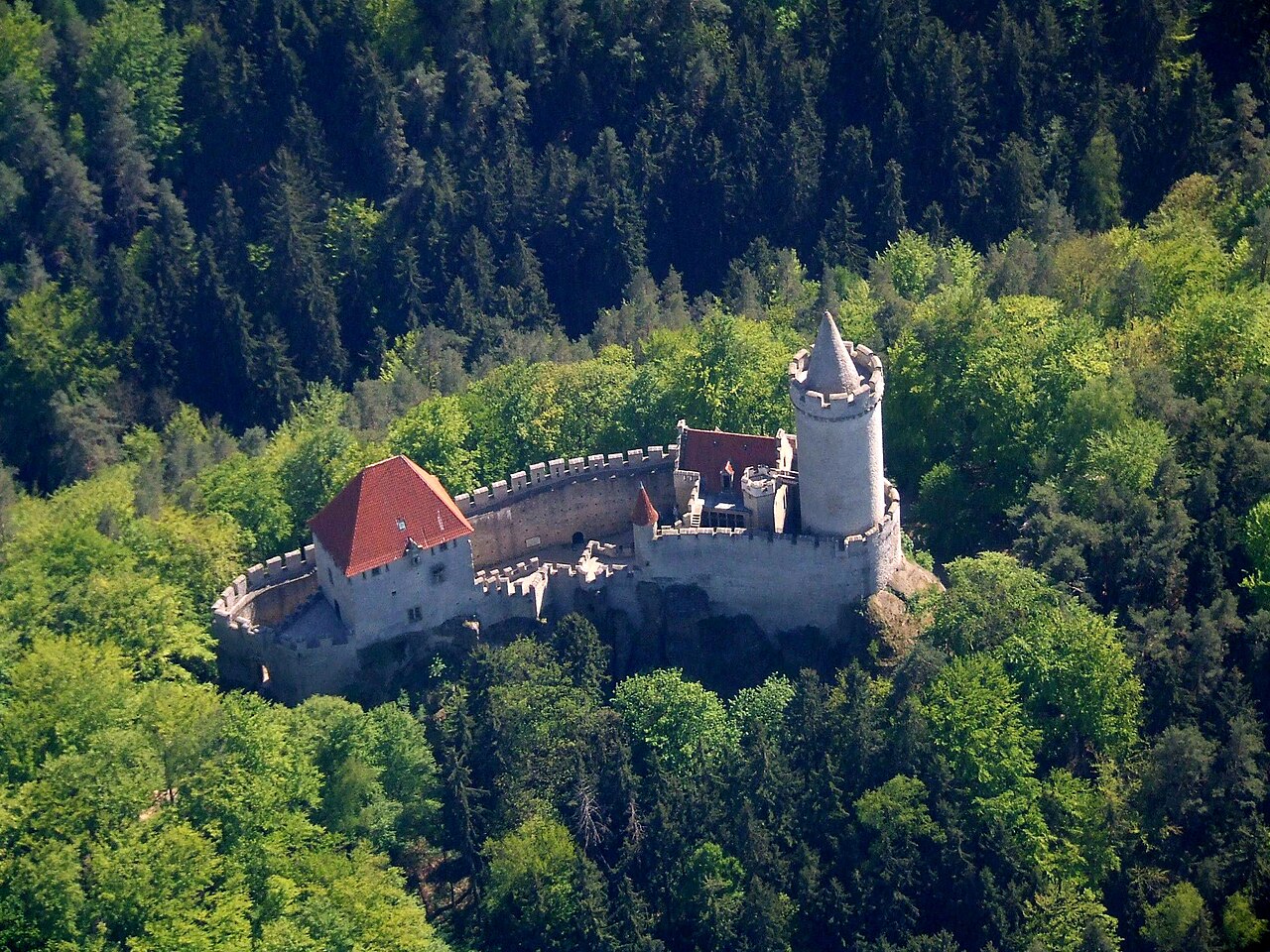
Konrádov Castle stands as a remarkable example of a High Medieval hill castle ingeniously integrated into the natural landscape of Czechia. Situated near the village of Konrádov within the municipality of Mšeno, this fortress occupies a strategic position atop two massive sandstone blocks forming a natural promontory. Its unique construction and historical context offer valuable insights into medieval fortification practices and regional power dynamics during the High Middle Ages.
Historical context and significance
Though no direct written records mention Konrádov Castle, archaeological evidence firmly places its occupation within the 13th century, a period marked by the consolidation of royal estates and the expansion of fortified sites in Bohemia. The castle’s proximity to other significant fortifications such as Houska Castle and Bezděz Castle suggests it was part of a broader defensive and administrative network supporting the royal domain. Scholars propose that Konrádov functioned as a minor residence or a watchpoint linked to these larger castles, playing a role in controlling local territories and trade routes.
The castle’s destruction by fire, evidenced by charred remains uncovered during excavations, indicates it likely faced violent conflict or deliberate demolition, a fate common to many medieval fortresses during periods of regional strife. Following this event, the site was abandoned, leaving behind ruins that have fascinated historians and archaeologists alike.
Architectural features and site layout
Natural rock formations and fortification
Konrádov Castle is distinguished by its integration with the natural sandstone outcrops, which form the core defensive elements of the fortress. The two large sandstone blocks were connected by a wooden bridge, traces of which were identified through beam remnants during archaeological digs. This bridge linked the separate rock masses, enabling movement between the two main sections of the castle.
The natural promontory was further fortified by a neck ditch carved into the rock on the approach side. This trench served as a formidable obstacle to attackers, enhancing the site’s defensibility by exploiting the terrain’s natural advantages.
Rock-cut chambers and defensive structures
On one sandstone block, archaeologists discovered a carved chamber topped with a rock vault, though part of the vaulted ceiling has collapsed over time. This chamber likely served as a protected space within the fortress, possibly used for storage or shelter during sieges. A square vertical shaft chiseled into the rock on the forward-facing side is interpreted as the original entrance or an access point, highlighting the castle’s reliance on rock-cut architecture rather than traditional masonry.
The second sandstone block features evidence of a defensive walkway or gallery, supported by anchoring points carved into the rock. This elevated path would have allowed defenders to patrol the perimeter, monitor approaching threats, and launch counterattacks if necessary. Such a design illustrates the castle’s strategic use of vertical space and natural rock formations to maximize defense.
Cultural heritage and local traditions
Despite its ruined condition, Konrádov Castle remains a significant cultural landmark. Its distinctive rock-cut elements have earned it the local nickname the "Petrified Castle", reflecting its appearance as a fortress hewn directly from stone. This moniker, while not found in historical documents, underscores the castle’s unique architectural character and its enduring place in regional folklore.
The castle ruins offer visitors a tangible connection to medieval history and the ingenuity of its builders who adapted the natural environment for defensive purposes. The site’s preservation of rock-cut features provides an exceptional example of how medieval fortifications could blend with and enhance the natural landscape.
Archaeological research and preservation
Archaeological investigations at Konrádov Castle have been crucial in reconstructing its history and understanding its architectural innovations. Excavations have uncovered medieval pottery fragments and structural remains that confirm the castle’s dating and function. The findings of charred materials provide evidence of its fiery destruction, adding to the narrative of medieval conflict in the region.
Today, the castle is classified as a hill castle ruin, with many rock-cut elements still visible on site. Preservation efforts focus on maintaining the integrity of these natural and man-made features, ensuring that Konrádov continues to be a site of historical and educational importance.
Visiting konrádov castle
Visitors to Konrádov Castle can explore the ruins and appreciate the unique fusion of natural rock formations and medieval fortifications. While the site is primarily an archaeological ruin, it offers a fascinating glimpse into the High Medieval defensive architecture and the strategic use of terrain in castle construction.
The castle’s remote location near Mšeno makes it an attractive destination for enthusiasts of medieval history, architecture, and hiking. Interpretive signage and local guides help visitors understand the site’s historical context and architectural significance.
Frequently asked questions (FAQ)
- How do I get to Konrádov Castle?
- Konrádov Castle is located near the village of Konrádov in the municipality of Mšeno, Central Bohemian Region, Czechia. Visitors can reach the site by local roads followed by a short hike to the hilltop ruins.
- What is the historical significance of Konrádov Castle?
- Konrádov Castle is a High Medieval hill castle that likely functioned as part of a network of royal estates and fortifications in the region. Its archaeological remains provide insight into medieval defensive strategies and regional governance.
- Can I explore the ruins of Konrádov Castle?
- Yes, visitors can explore the ruins of Konrádov Castle, including its rock-cut chambers and defensive features. The site is an open archaeological ruin, so appropriate footwear and caution are recommended.
- When was Konrádov Castle built?
- Archaeological evidence suggests Konrádov Castle was constructed during the High Middle Ages, around the 13th century.
- Why is Konrádov Castle called the petrified castle?
- The local nickname "Petrified Castle" refers to the castle’s unique construction directly into sandstone rock formations, giving it the appearance of a fortress carved from stone.
Information
Loading map...
Visitor reviews
No reviews yet. Been here? Write the first review and help other travelers!
Write the first reviewVisited this castle? Share your experience
Your review helps other travelers and adds first-hand knowledge to our encyclopedia.