Arikoyama Castle
Arikoyama Castle (有子山城, Arikoyama-jō) stands as a significant example of a Sengoku period Japanese castle, located in the Izushi neighborhood of Toyooka city, within Hyōgo Prefecture, Japan. Constructed in the 16th century, this castle played a notable role during the turbulent era of feudal conflict known as the Sengoku period, a time marked by frequent military strife and shifting alliances among regional warlords.
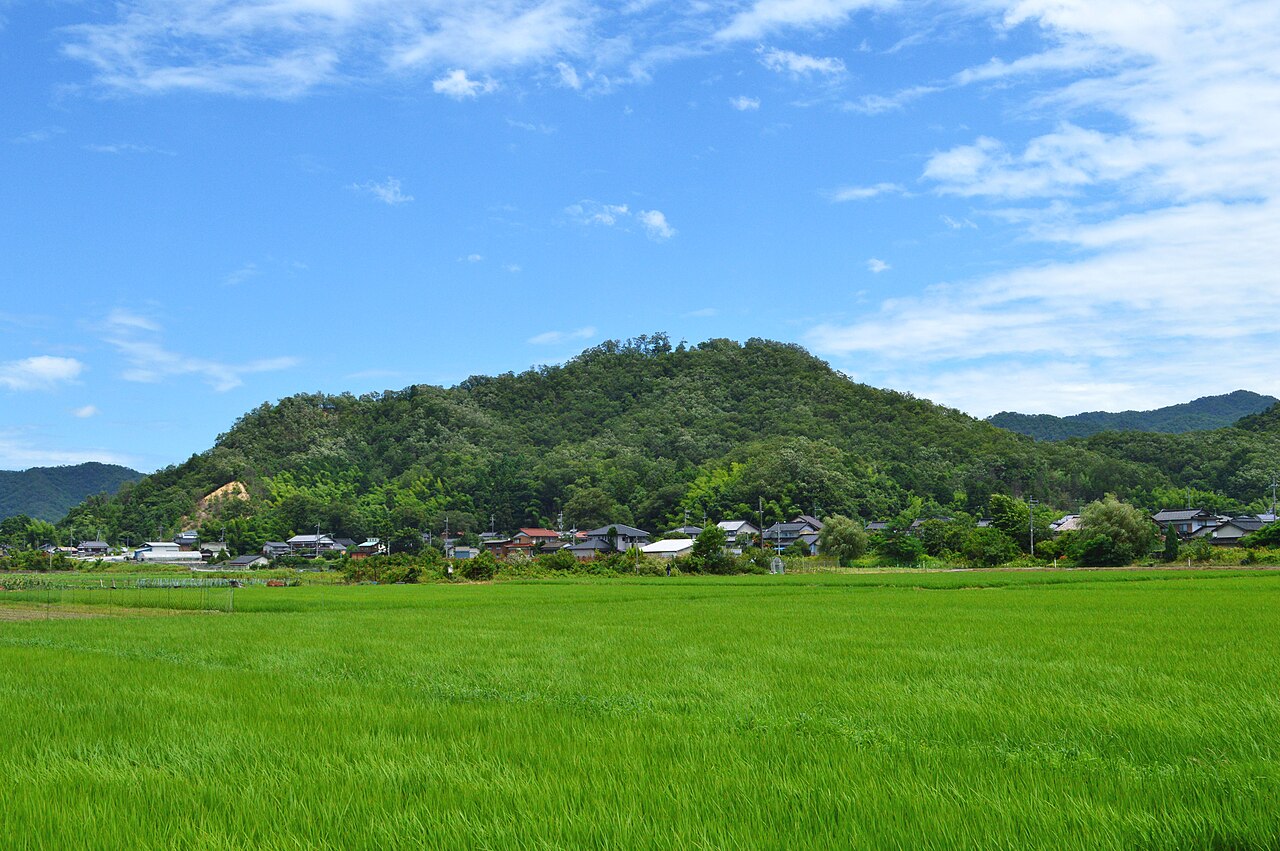
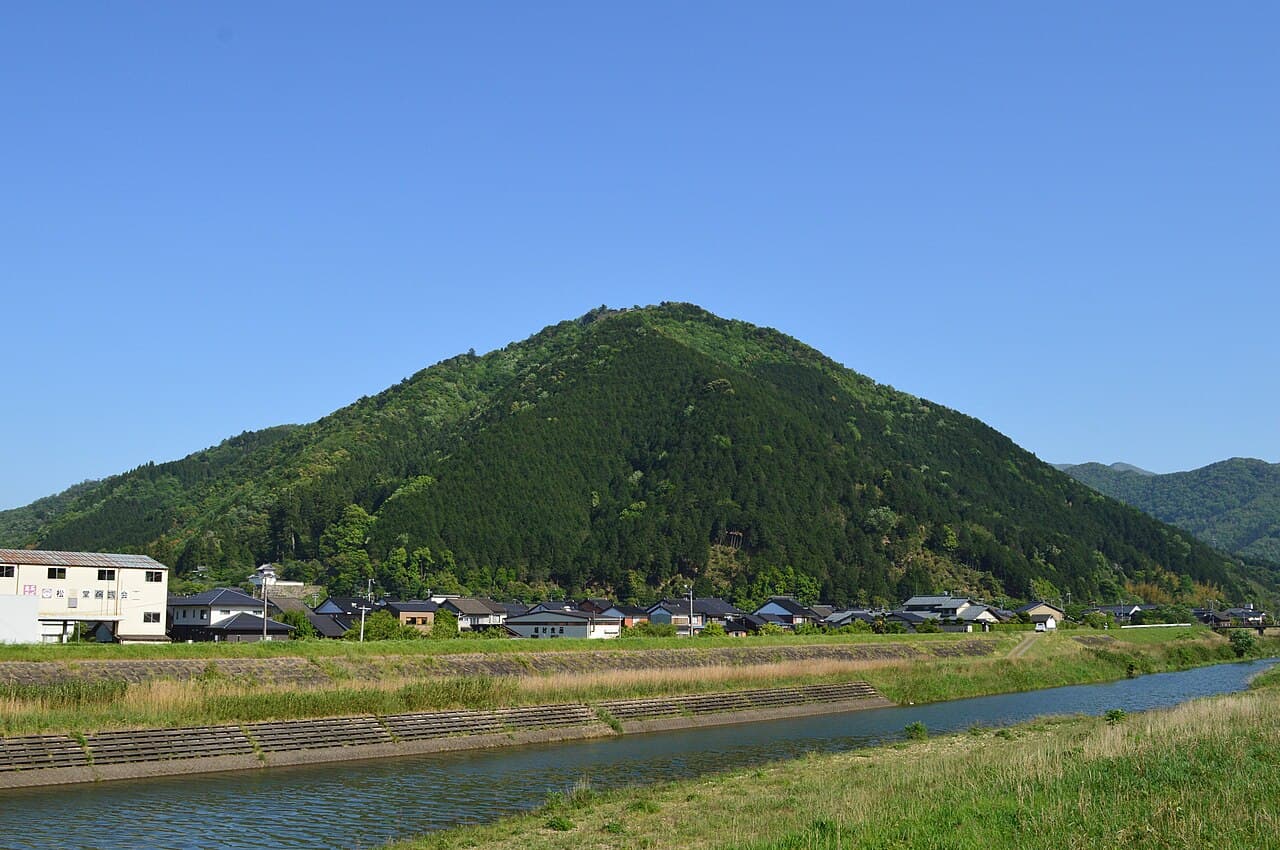
The castle is situated on a strategically advantageous hilltop, characteristic of many Japanese castles of the period, designed to provide defensive superiority over the surrounding terrain. Although today it remains in a state of ruins, the site offers valuable archaeological insights into the castle architecture and military strategies employed by the Yamana clan, a powerful samurai family that controlled large parts of the region during the 15th and 16th centuries.
Historical context and significance
Arikoyama Castle was built during the 16th century, a period of intense political upheaval in Japan. The Sengoku period, often called the "Warring States" era, saw numerous castles constructed across Japan to serve as military bases, administrative centers, and symbols of power. The castle was part of the Yamana clan's defensive network, which included nearby Konosumiyama Castle, also located in Toyooka. Together, these castles helped the clan maintain control over their territories in the region.
The Yamana clan was one of the most influential families during the Muromachi period and into the Sengoku period. However, their power waned as rival clans such as the Oda and Toyotomi rose to prominence. The castles under their control, including Arikoyama, eventually fell into disuse and ruin as the political landscape shifted towards unification under the Tokugawa shogunate.
Architectural features and layout
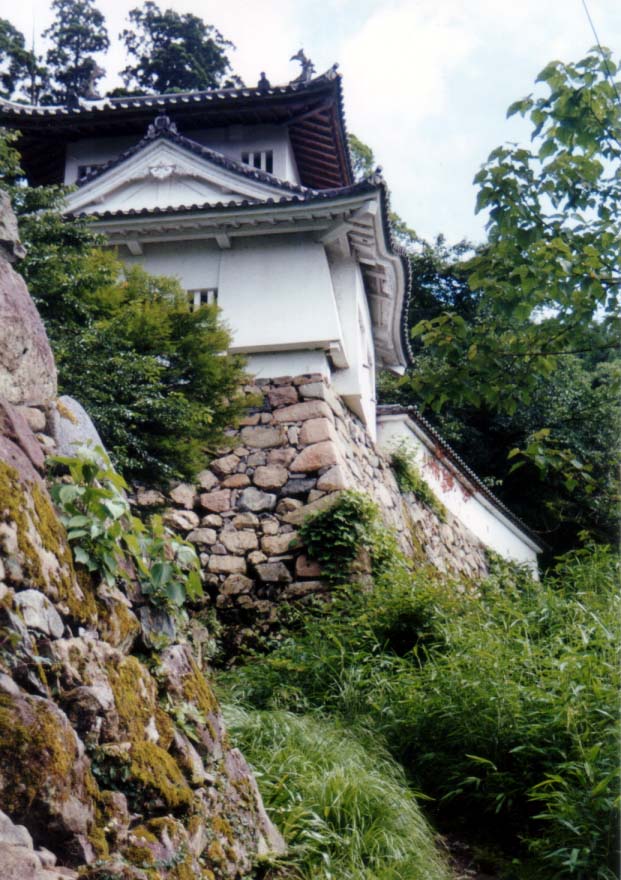
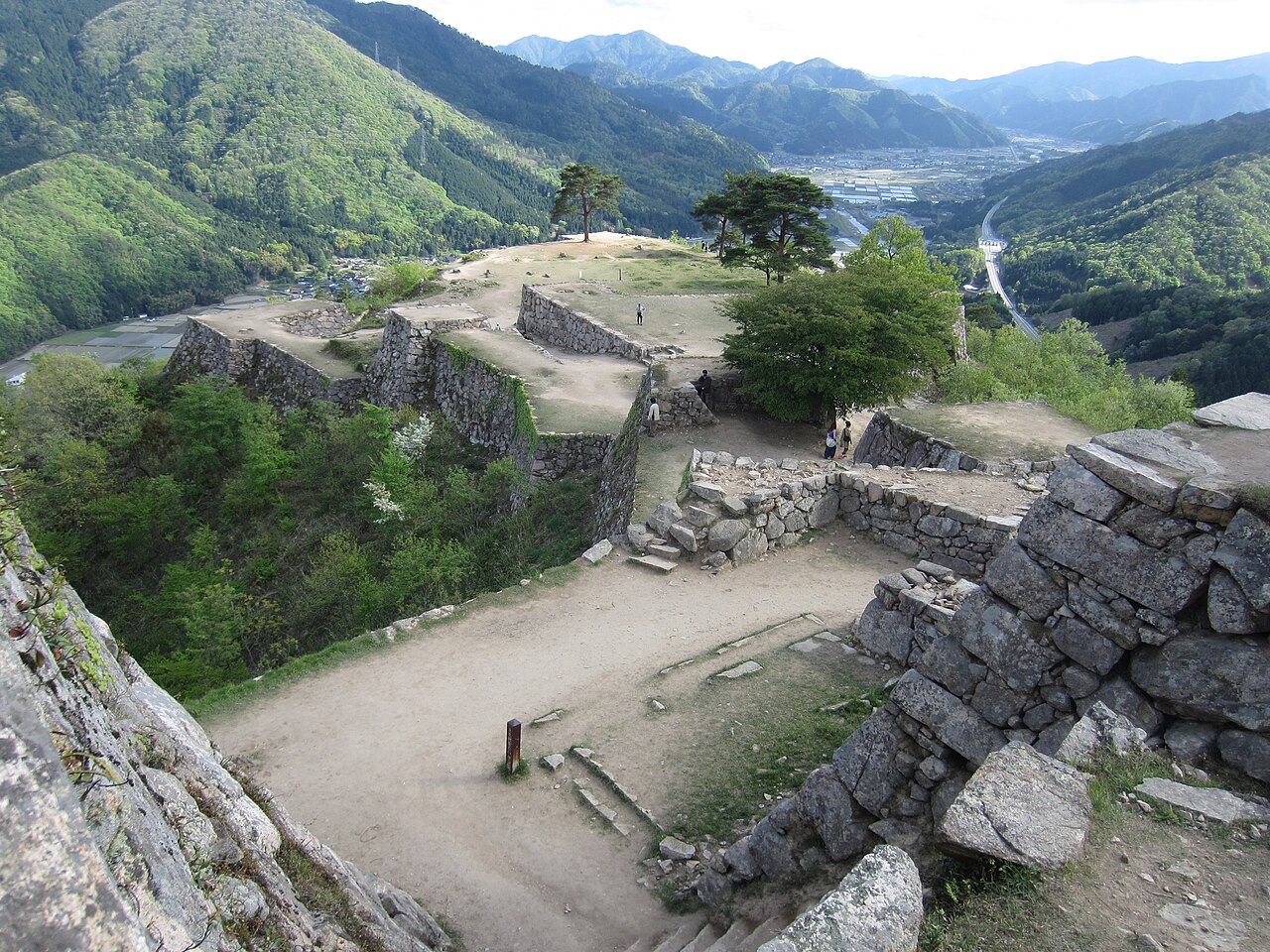
Arikoyama Castle exemplifies the typical hill castle (yamajiro) style prevalent in the Sengoku period. Positioned atop a mountain, it utilized the natural topography for defense. The castle's layout included multiple baileys (kuruwa) arranged in terraces along the hillside, connected by narrow paths and fortified gates. These baileys served as living quarters, defensive positions, and storage areas.
Stone walls and earthen embankments formed the primary defensive structures, supplemented by wooden palisades and watchtowers. The main enclosure (honmaru) was likely fortified with a combination of stone and wood constructions, although much of the original superstructure has not survived. The castle's design reflects the practical needs of warfare during the Sengoku period, focusing on defense against sieges and quick troop movements.
Defensive elements
The castle's hilltop location provided natural protection, with steep slopes deterring attackers. Additionally, the use of dry moats (karabori) and strategically placed gates enhanced defense. The narrow paths between baileys allowed defenders to control access points effectively, creating chokepoints to repel enemy forces.
Archaeological importance and preservation
Today, Arikoyama Castle remains an important archaeological site. Its ruins, along with those of Konosumiyama Castle, have been protected as a National Historic Site since 1934 under the collective designation "Yamana clan castle ruins." Excavations and studies conducted at the site have revealed foundations of buildings, remnants of defensive works, and artifacts that shed light on castle life and military technology during the Sengoku period.
Preservation efforts focus on maintaining the integrity of the ruins and providing educational resources for visitors. Interpretive signage and walking trails allow visitors to explore the castle grounds and appreciate the historical context of the site. The ruins serve as a tangible link to Japan's feudal past and the complex history of clan warfare and castle construction.
Visiting Arikoyama Castle
The castle ruins are accessible to the public and offer a scenic hiking experience through wooded terrain. Visitors can explore the terraced baileys and enjoy panoramic views of the surrounding landscape. While no original buildings remain standing, the site's layout and remaining stonework provide a sense of the castle's former scale and strategic importance.
Arikoyama Castle is often visited in conjunction with nearby historical sites in Toyooka, including Konosumiyama Castle ruins and the Izushi Castle town area, known for its well-preserved Edo period streets and local crafts.
Frequently asked questions (FAQ)
- How do I get to Arikoyama Castle?
- Arikoyama Castle is located in the Izushi neighborhood of Toyooka city, Hyōgo Prefecture. Visitors can reach the site by car or public transportation, followed by a hike up the hill to the ruins.
- What can I see at Arikoyama Castle ruins?
- Visitors can explore the terraced baileys, stone walls, and defensive earthworks. Interpretive signs help explain the castle's history and layout, despite the absence of standing buildings.
- When was Arikoyama Castle built?
- Arikoyama Castle was constructed in the 16th century during Japan's Sengoku period, a time of feudal conflict and castle building.
- Is Arikoyama Castle open to the public?
- Yes, the ruins are open to visitors year-round. The site is accessible via hiking trails, but there are no facilities or buildings on site.
- Why is Arikoyama Castle historically important?
- The castle was a key stronghold of the Yamana clan during the Sengoku period. Its ruins provide valuable archaeological evidence of castle construction and clan warfare in feudal Japan.

Information
Loading map...
Visitor reviews
No reviews yet. Been here? Write the first review and help other travelers!
Write the first reviewVisited this castle? Share your experience
Your review helps other travelers and adds first-hand knowledge to our encyclopedia.