Kohneh Castle (Shaab Jereh)
Kohneh Castle (Persian: قلعه کهنه), also known as Shaab Jereh, is a significant historical fortress situated in Kuhbanan County within Kerman Province, Iran. This hill castle is a notable example of Safavid dynasty military architecture, reflecting the strategic importance of the region during the early modern period of Iranian history.
Historical background and significance
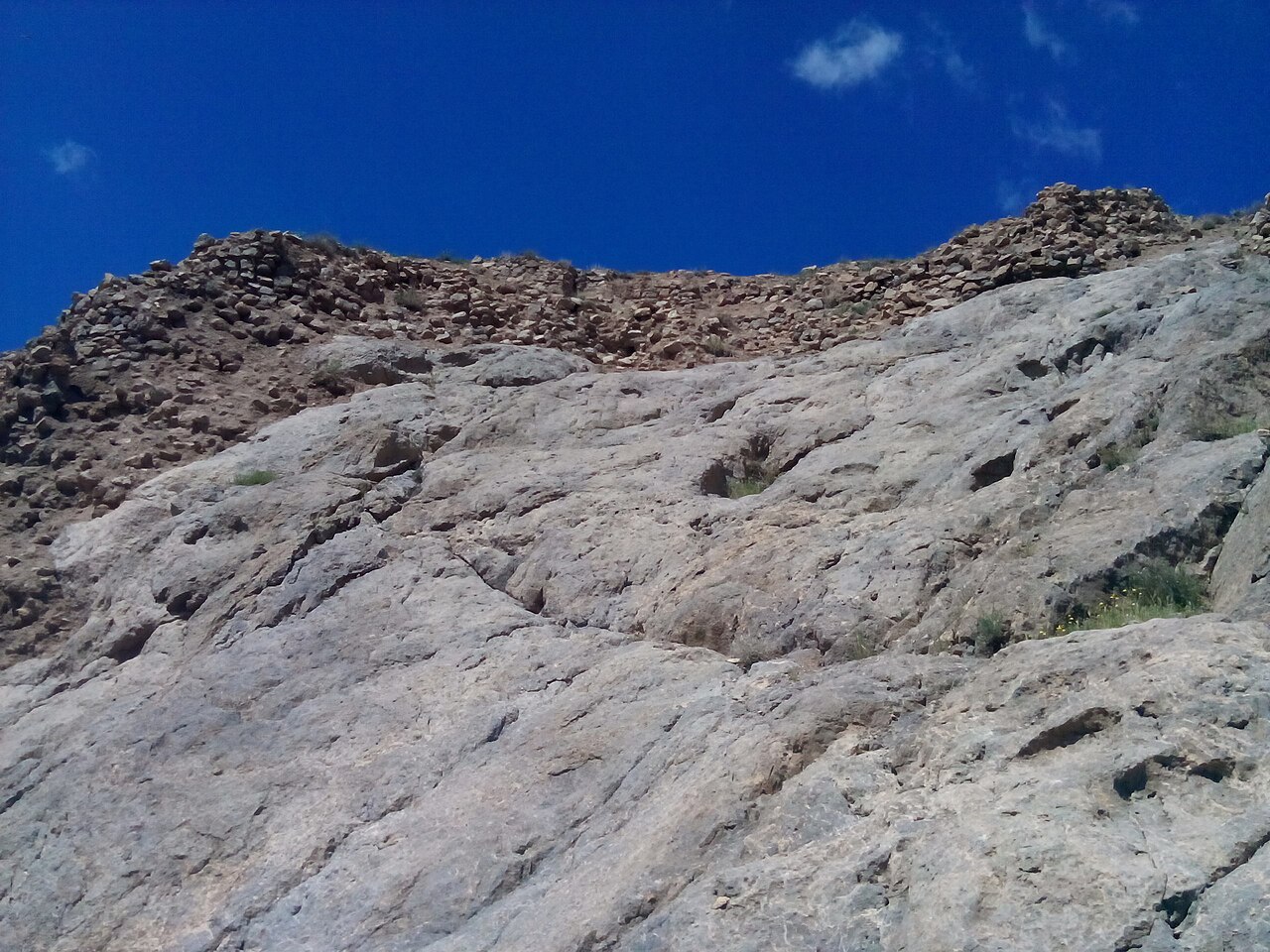
The origins of Kohneh Castle trace back to the Safavid era (1501–1736), a period marked by the consolidation of Iranian territory and the establishment of Shia Islam as the state religion. The castle was constructed as a defensive stronghold to protect local settlements and trade routes against regional threats. Its location on a hill provided a commanding view of the surrounding landscape, enabling early warning of approaching enemies.
The castle's longevity and preservation attest to its importance in the military and administrative network of the Safavid state. It served not only as a military bastion but also as a local administrative center, overseeing the security and governance of the surrounding area.
Architectural features and layout
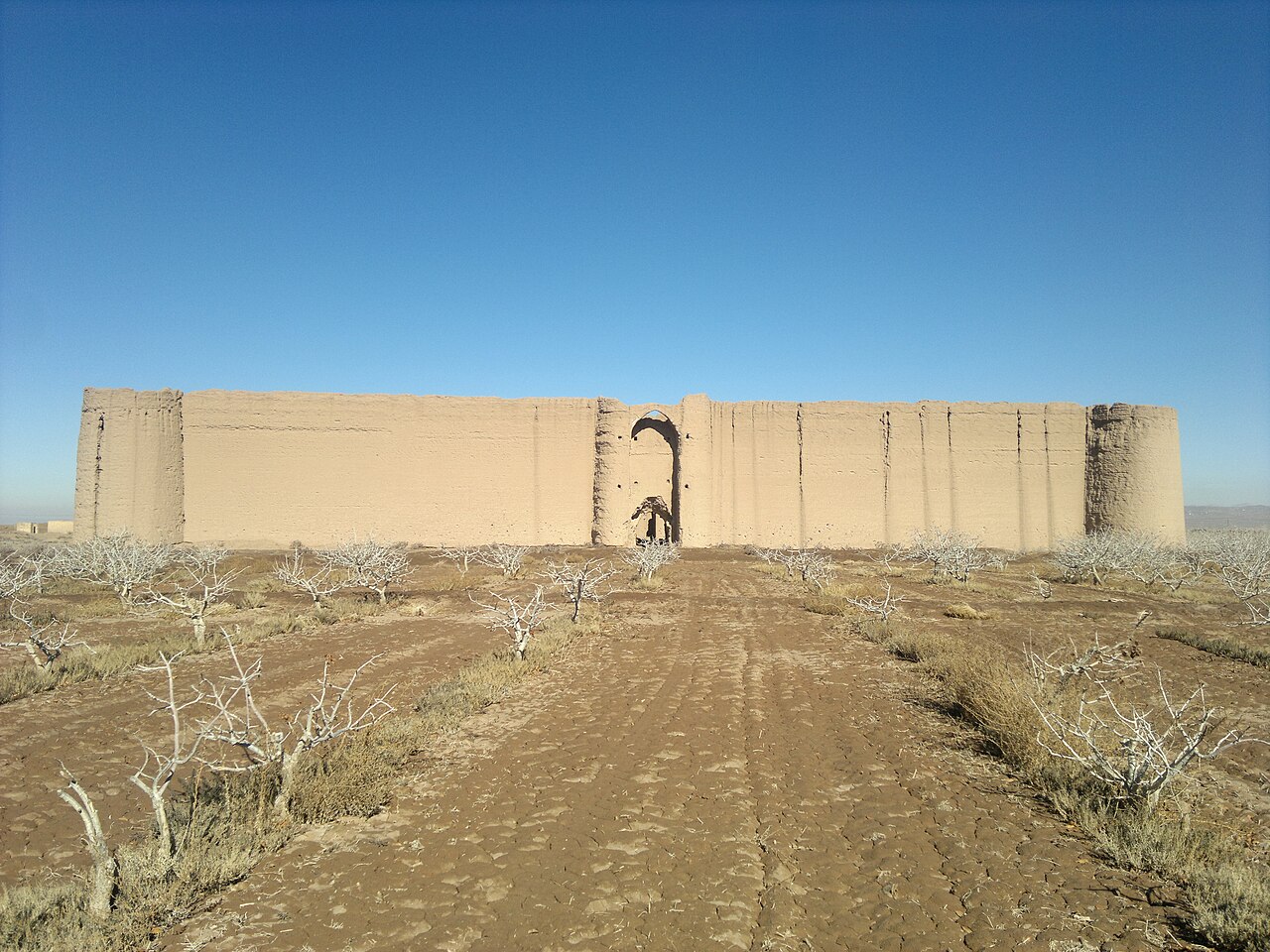
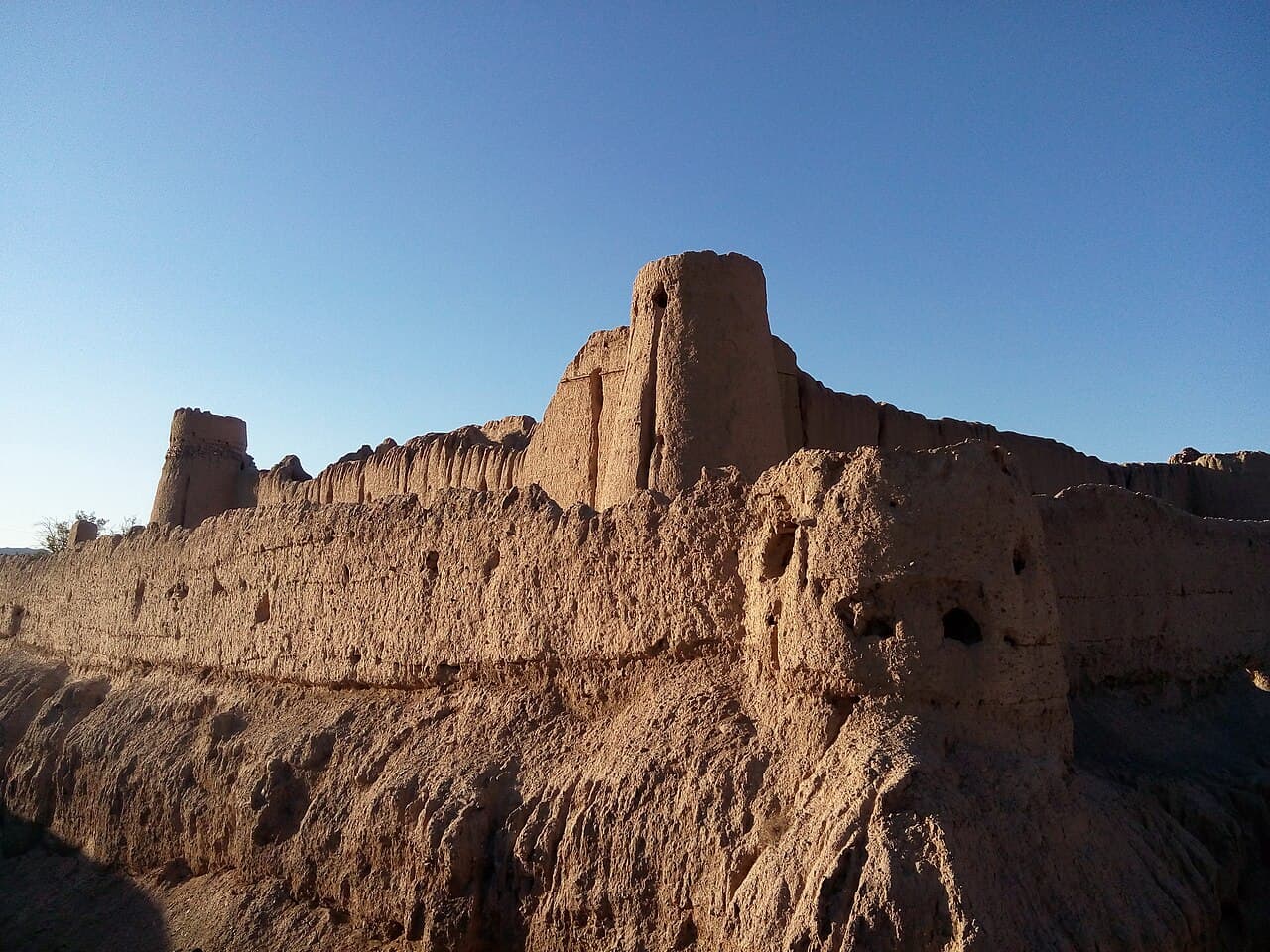
Kohneh Castle is classified as a hill castle, built on elevated terrain to maximize defensive advantages. The castle's architecture incorporates thick mudbrick walls reinforced with stone foundations, typical of the region's construction techniques. The walls are punctuated by towers at strategic points, designed for surveillance and defense.
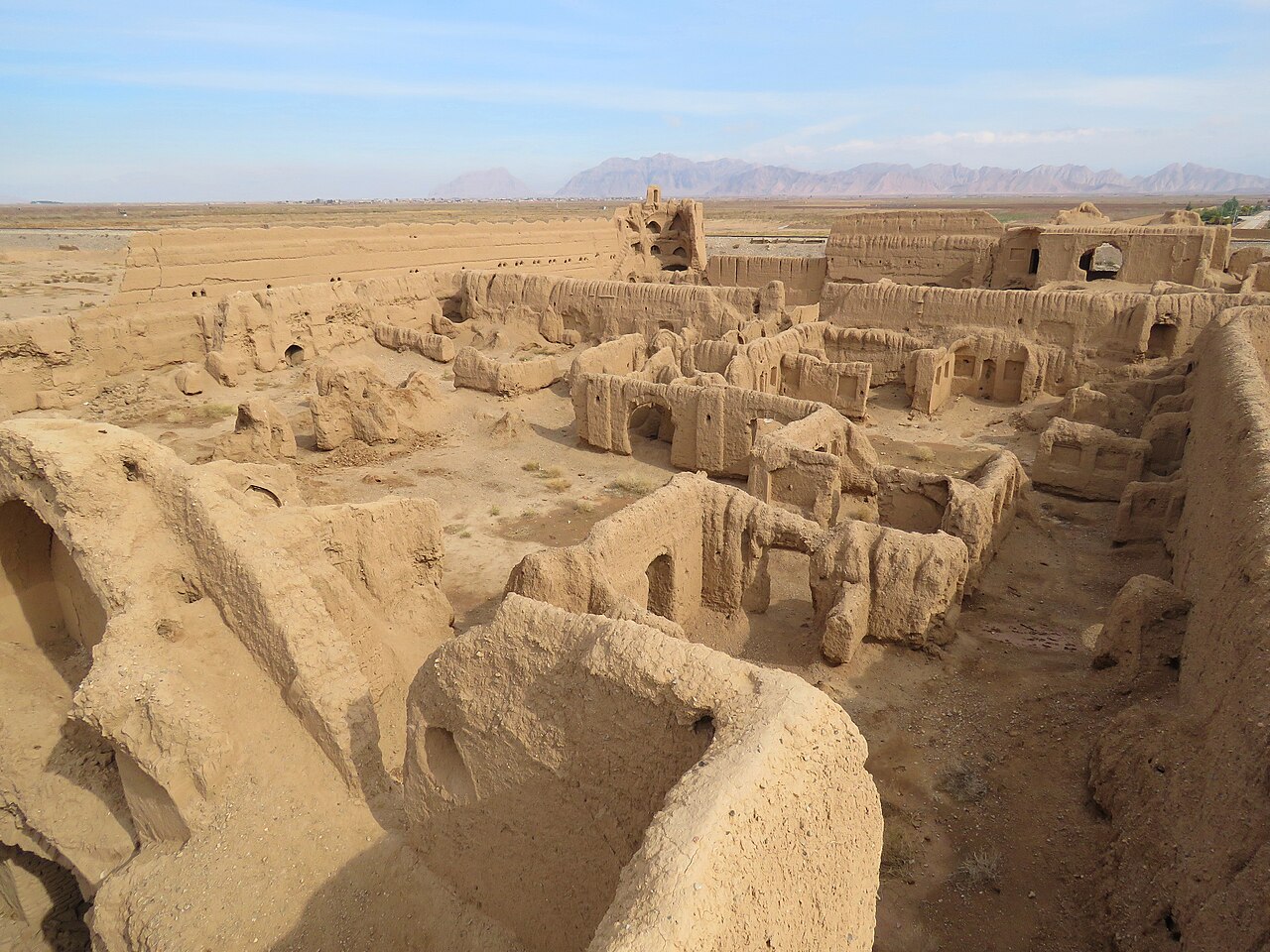
The fortress includes a central courtyard, surrounded by residential quarters, storage rooms, and military facilities. The entrance is fortified with a gatehouse that would have been secured by heavy wooden doors and possibly iron reinforcements. Defensive elements such as battlements and arrow slits are integrated into the walls to allow defenders to repel attackers effectively.
Materials and construction techniques
The castle's construction utilized locally sourced materials, primarily mudbrick, which was common in the arid climate of Kerman Province. Stone was employed in the foundations and lower sections of the walls to enhance stability and resistance to erosion. The use of mudbrick allowed for thick walls, providing insulation against temperature extremes and added protection.
Strategic location and regional context
Situated in Kuhbanan County, Kohneh Castle occupied a strategic position along historic trade routes that connected central Iran to the southeastern regions. Its elevated position on a hill allowed for extensive visibility across the surrounding valleys and plains, facilitating communication and defense against raids.
The castle's role extended beyond military defense; it functioned as a hub for local governance and control, overseeing agricultural lands and settlements in the vicinity. Its presence contributed to the stability and security of Kerman Province during a period of frequent tribal conflicts and external threats.
Preservation and current condition
Today, Kohneh Castle remains a partially preserved historical site. While some sections of the walls and towers have deteriorated due to natural weathering and lack of continuous maintenance, significant portions of the fortress structure are still intact. The site offers valuable insights into Safavid military architecture and regional history.
Efforts to preserve and study the castle have been undertaken by local heritage authorities, recognizing its cultural and historical importance. Visitors to the site can observe the castle's defensive features and appreciate the craftsmanship of Safavid-era construction techniques.
Visiting Kohneh Castle
The castle is accessible to visitors interested in Iranian history and architecture. Its location in Kuhbanan County makes it a noteworthy destination for those exploring the broader historical landscape of Kerman Province. Visitors should prepare for a hike up the hill to reach the fortress, which offers panoramic views of the surrounding region.
Due to its partially preserved state, visitors are advised to exercise caution when exploring the ruins. The site provides an authentic experience of a Safavid hill castle, illustrating the defensive strategies and architectural styles of the period.
Frequently asked questions (FAQ)
- When was Kohneh Castle built?
- Kohneh Castle was constructed during the Safavid dynasty, which ruled Iran from 1501 to 1736.
- What is the architectural style of Kohneh Castle?
- The castle features traditional Safavid military architecture with thick mudbrick walls, stone foundations, towers, and battlements typical of hill castles in the region.
- Can visitors access Kohneh Castle?
- Yes, the castle is accessible to visitors. It requires a hike up the hill, and visitors should be cautious due to the partially preserved condition of the ruins.
- Where is Kohneh Castle located?
- Kohneh Castle is located in Kuhbanan County, Kerman Province, Iran, situated on a hill overlooking historical trade routes.
- What materials were used to build Kohneh Castle?
- The castle was primarily constructed using locally sourced mudbrick and stone, which provided insulation and structural stability in the arid climate.
Photo gallery

Information
Loading map...
Visitor reviews
No reviews yet. Been here? Write the first review and help other travelers!
Write the first reviewVisited this castle? Share your experience
Your review helps other travelers and adds first-hand knowledge to our encyclopedia.