Kobryn Castle — Belarus castle

Kobryn Castle

Kobryn castle in belarus
Kobryn, Belarus
High Medieval (11th–13th c.)
Archaeological Site

Kobryn Castle was a historic hill castle located in the city of Kobryn, Belarus. It was originally established as a wooden fortification complex during the High Medieval period, with its origins tracing back to the 11th century. This castle played a significant role in the region's defense and administration over several centuries.

Early origins and strategic location

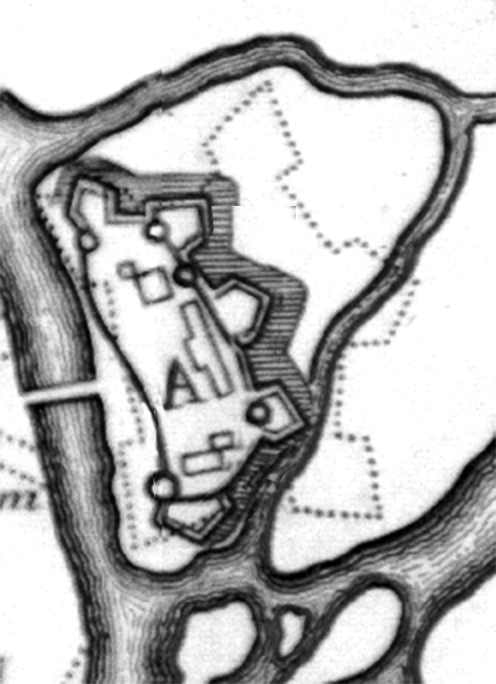
The first Kobryn castle, often referred to as a detinets or fortified center, was reportedly founded by the heirs of the Kiev prince Izyaslav. It was situated on an island formed by the confluence of the Kobrinka and Mukhavets rivers. This location was strategically chosen for its natural defensive advantages, allowing control over river traffic and protection against invasions.

Architectural features and construction

The castle complex primarily consisted of wooden defensive structures including walls, towers, and administrative buildings. The use of wood was typical for early medieval fortifications in Eastern Europe, especially in areas rich with forest resources. The fortifications were surrounded by earth embankments that enhanced the defensive capabilities by providing elevated positions and barriers against attackers.

The detinets layout

The detinets served as the inner fortified area, housing the main administrative and military buildings. It was common for such centers to include a keep or stronghold, garrison quarters, and storage for supplies. The island setting naturally limited access, making the castle easier to defend despite its wooden construction.

Historical significance and evolution

Kobryn Castle was a key defensive and administrative hub in the region from the 11th century through the 16th to 18th centuries. Over time, the wooden structures were maintained and possibly rebuilt to adapt to changing military technologies and political circumstances. However, detailed records of the castle's history are sparse, and much of its original form has been lost.

Decline and disappearance

The castle's earth embankments, which were among its last remaining visible features, were dismantled in the 1880s during the construction of the Moscow–Warsaw chaussee. This infrastructure development erased much of the castle's physical presence, leaving no standing structures today. Archaeological remains are limited, and the site is primarily known through historical accounts.

Cultural heritage and legacy

While Kobryn Castle no longer stands, it remains an important part of Belarusian medieval history. The castle's role as a wooden hill castle reflects the early defensive strategies of the region and the significance of river confluences in medieval fortification placement. It also illustrates the transition from wooden to stone castles that occurred in Eastern Europe in later centuries.

Today, the site where Kobryn Castle once stood is a point of historical interest, although no visible ruins remain. It symbolizes the medieval heritage of Kobryn and contributes to the understanding of the area's development through the centuries.

Frequently asked questions (FAQ)

When was Kobryn Castle originally built?
Kobryn Castle was originally built in the 11th century by the heirs of Kiev prince Izyaslav.
What type of castle was Kobryn Castle?
Kobryn Castle was a wooden hill castle with earth embankments, typical of early medieval fortifications in Eastern Europe.
Why was Kobryn Castle built at the confluence of two rivers?
The castle's location at the confluence of the Kobrinka and Mukhavets rivers provided natural defense and control over river traffic.
Are there any remains of Kobryn Castle today?
No standing structures remain; the earth embankments were dismantled in the 1880s during road construction, leaving only archaeological traces.
Can visitors access the site of Kobryn Castle?
The original site is accessible as an archaeological location, but no visible castle ruins are present for visitors to explore.

Photo gallery

Kobryn Castle
Click to view

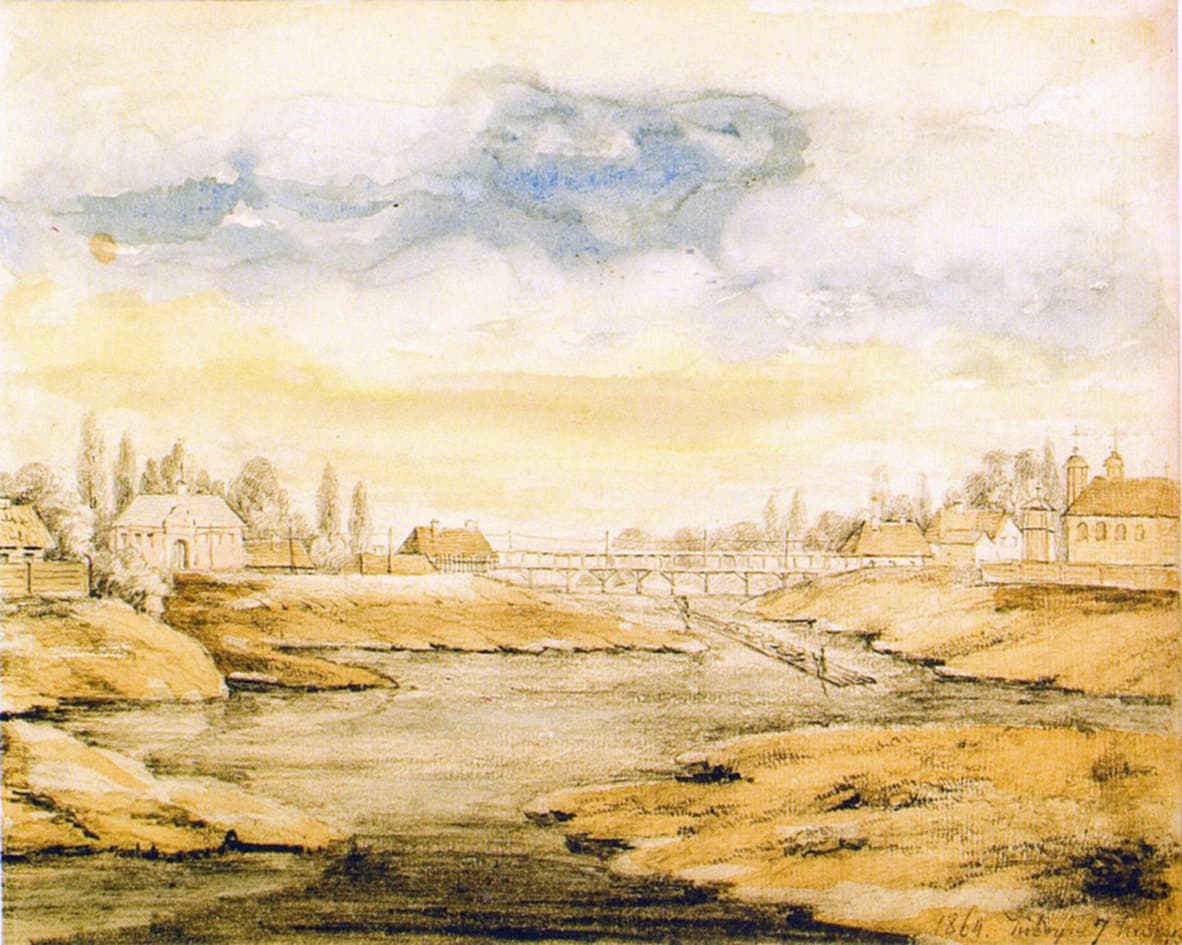
Photo by Napoleon Orda•Public domain

1 photo • Click any image to view in full screen

Information

Hill Castle

Loading map...

Visitor reviews

No reviews yet. Been here? Write the first review and help other travelers!

Write the first review

Visited this castle? Share your experience

Your review helps other travelers and adds first-hand knowledge to our encyclopedia.
Write a review

(5/5)

0/2000 characters

Your review will be visible after admin approval

Nearby castles

50.2 km
Brest Fortress — Belarus castle

Brest Fortress

Brest, Belarus

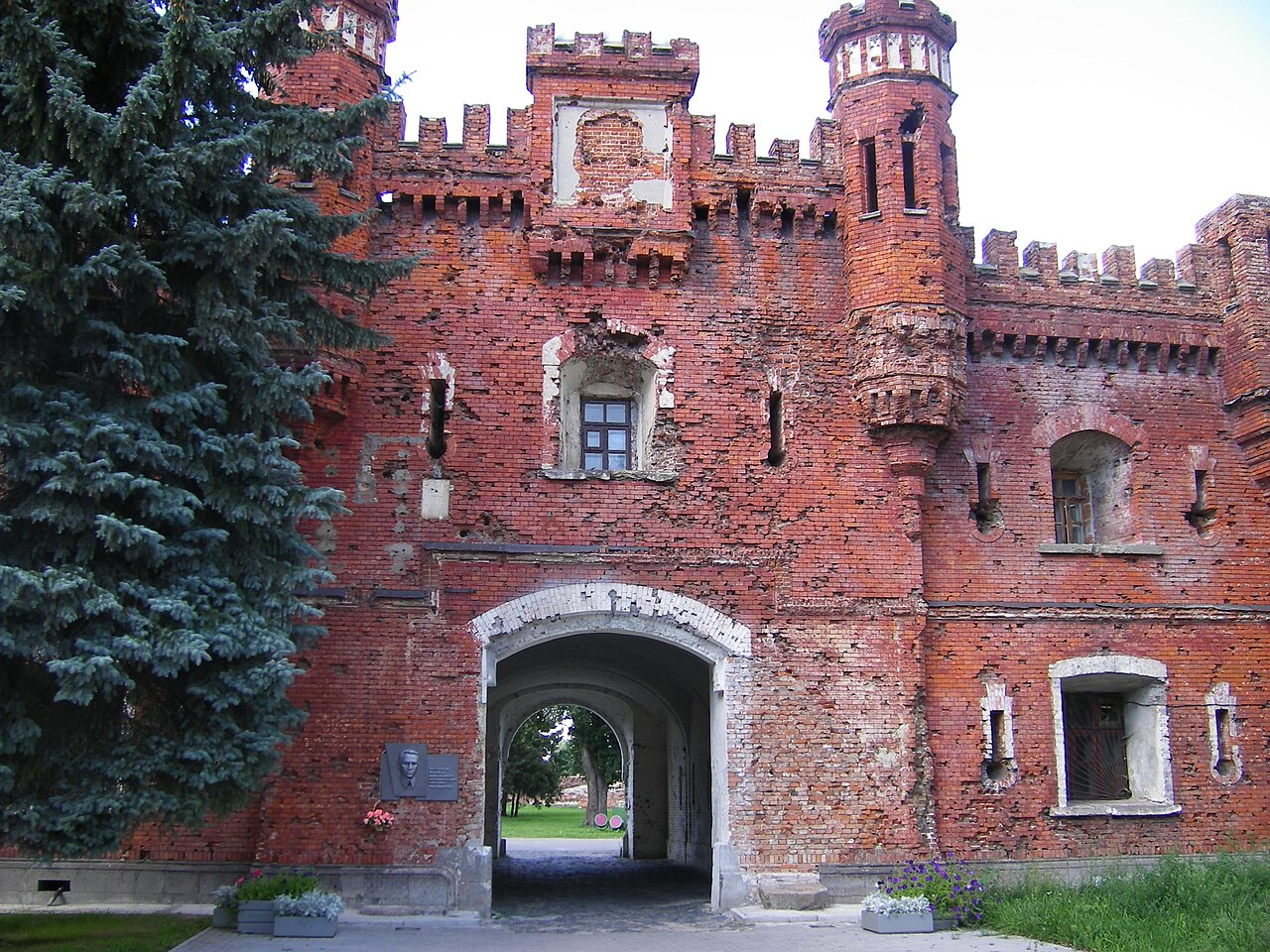
Brest Fortress, also known historically as Brest-Litovsk Fortress, is a significant 19th-century bastioned fortress located in the city of Brest, Belarus. Constructed in the 1830s during the period of the Russian Empire, this fortress is an enduring symbol of military architecture and a key monument of Soviet heroism during World War II. It is particularly famous for its staunch defense during the initial stages of the German invasion of the Soviet Union on June 22, 1941, known as Operation Barbarossa. In recognition of its defenders' valor, the fortress was awarded the honorary title of Hero Fortress in 1965, a distinction paralleling the Soviet title of Hero City. Architectural design and fortifications The fortress exemplifies classical bastioned fortification design, characterized by its distinctive star-shaped layout which has been preserved since its original construction. The core of the fortress, known as the Citadel, occupies a central island formed by the Bug River and two branches of the Mukhavets River. This strategic location provided natural defensive barriers complemented by man-made fortifications. The Citadel features a surrounding ring of two-storied barracks with four semi-circular towers, extending approximately 1.8 kilometers in length. These barracks contained around 500 rooms designed to house up to 12,000 soldiers, constructed with robust red bricks forming thick walls that ensured resilience against artillery fire. Originally, the Citadel was accessible through four gates, of which only the Kholm Gate and Terespol Gate remain visible today. Large sections of the barracks are now in ruins, reflecting the fortress's turbulent history and the intense fighting it witnessed. Outer fortifications and bridgeheads Surrounding the Citadel are three major fortifications, known as bridgeheads, which were strategically positioned using the natural waterways and supplemented by deep moats and high earthworks approximately 10 meters tall. These fortifications were reinforced with red brick casemates, providing protected firing positions and storage. The three main bridgeheads are named after regional towns or areas: the Kobrin Fortification to the northeast, the Terespol Fortification to the west, and the Volyn Fortification to the southeast. The Kobrin Fortification is the largest and most complex, shaped like a horseshoe with four curtain walls, three detached ravelins, and an lunette. It also includes the East and West Forts. The Terespol Fortification features four detached lunettes, while the Volyn Fortification consists of two curtain walls with two detached ravelins. Additional outlying forts were constructed later, expanding the defensive perimeter beyond the original Citadel. Due to post-World War II border adjustments along the Bug River, parts of the fortress now lie within Polish territory near the town of Terespol. Historical significance and World War II defense Brest Fortress is renowned for its role in the early days of the Great Patriotic War (Eastern Front of World War II). When German forces launched their surprise attack on the Soviet Union in June 1941, the fortress's garrison mounted a fierce and prolonged defense despite being surrounded and outnumbered. This resistance lasted several weeks, far longer than the German command had anticipated, disrupting their advance and becoming a symbol of Soviet resilience and courage. The intense combat caused significant damage to the fortress's structures, leaving many parts in ruins. The defense of Brest Fortress was commemorated extensively in Soviet war memory, literature, and film, contributing to its status as a national monument. The title Hero Fortress was officially bestowed in 1965, marking the fortress as a site of exceptional bravery and sacrifice. Preservation and cultural heritage status Today, Brest Fortress is a protected cultural and historical site. While much of the fortress remains in a ruined state, key elements such as the gates, some barracks, and fortifications have been preserved or partially restored to allow public access and education. Memorials and museums on the site provide visitors with detailed insights into the fortress's military history and the heroism of its defenders. The fortress was added to the UNESCO World Heritage Tentative List in 2004 under the Cultural category, recognizing its significance as a historic military complex and its role in 20th-century history. Its location at the border between Belarus and Poland adds a unique cross-border dimension to its heritage and preservation efforts. Visiting Brest Fortress Visitors to Brest Fortress can explore the remaining ramparts, gates, and barracks, as well as the extensive network of moats and earthworks that characterize its bastioned design. The site includes several monuments dedicated to the defenders, including statues, plaques, and an eternal flame. The fortress is accessible year-round, with guided tours available to provide historical context and architectural explanations. As a major historical landmark in Belarus, Brest Fortress attracts scholars, tourists, and military history enthusiasts. Its combination of 19th-century military engineering and 20th-century wartime significance makes it a unique destination for those interested in European fortifications and World War II history.

Modern (19th–20th c.)
Details
50.4 km
Brest Castle — Belarus castle

Brest Castle

Brest, Belarus

Brest Castle in Belarus stands as a significant archaeological site that traces its origins back to the early medieval period. The castle evolved from the Slavonic fortified settlement of Berestye, established around the 10th century at the strategic confluence of the Mukhavets and Bug Rivers. This location, characterized by a network of islands formed by the merging rivers, provided natural defense advantages that were crucial for the settlement's initial development. Origins and early development The earliest incarnation of Brest Castle was not a castle in the traditional stone fortress sense but a fortified settlement typical of Slavonic tribes in the region during the turn of the 10th and 11th centuries. The settlement of Berestye was constructed using wooden palisades and earthworks designed to protect against frequent raids and invasions common in Eastern Europe during this period. Its position on river islands offered a natural moat-like defense, enhancing its strategic importance. Architectural evolution and reconstructions Over the centuries, Brest Castle underwent multiple reconstructions and expansions. These changes were often necessitated by numerous fires and sieges that damaged the original structures. The castle's fortifications were adapted to meet evolving military technologies and threats. Although primarily wooden in its earliest phases, later reconstructions likely incorporated stone and brick elements, reflecting broader trends in castle construction in Eastern Europe. Defensive features The castle's defensive layout capitalized on its riverine setting. The natural waterways functioned as moats, while the fortifications included walls and towers positioned to control access points. The use of islands as part of the defensive system was a distinctive characteristic, providing layered protection against attackers. Historical significance and decline Brest Castle played a key role in the region's medieval history, serving as a military and administrative center. Its location made it a focal point in conflicts between various powers vying for control over the borderlands of Eastern Europe. However, the castle's prominence declined with the rise of new fortifications and changing political circumstances. Destruction and legacy In the 19th century, the construction of the Brest Fortress, a modern military stronghold, led to the deliberate destruction of the medieval castle remains. This marked the end of Brest Castle as an active fortification. Today, the site is classified as archaeological ruins, with excavations revealing insights into early medieval fortification techniques and settlement patterns. Archaeological research and preservation Extensive archaeological work at the site has uncovered remnants of the original wooden structures, defensive earthworks, and artifacts that illustrate the daily life and military aspects of the early medieval settlement. These findings contribute valuable knowledge about the Slavonic culture and medieval fortification methods in Belarus. Preservation efforts focus on maintaining the ruins and facilitating public access to this important cultural heritage site. Visiting brest castle today As an archaeological site, Brest Castle offers visitors a glimpse into the region's early medieval past. Interpretive displays and guided tours help contextualize the ruins within the broader history of Belarus and Eastern Europe. The site's riverside setting remains a defining feature, connecting visitors to the natural landscape that shaped the castle's original defensive strategy.

Early Medieval (5th–10th c.)
Details
69.6 km
Vysokaje Castle — Belarus castle

Vysokaje Castle

, Belarus

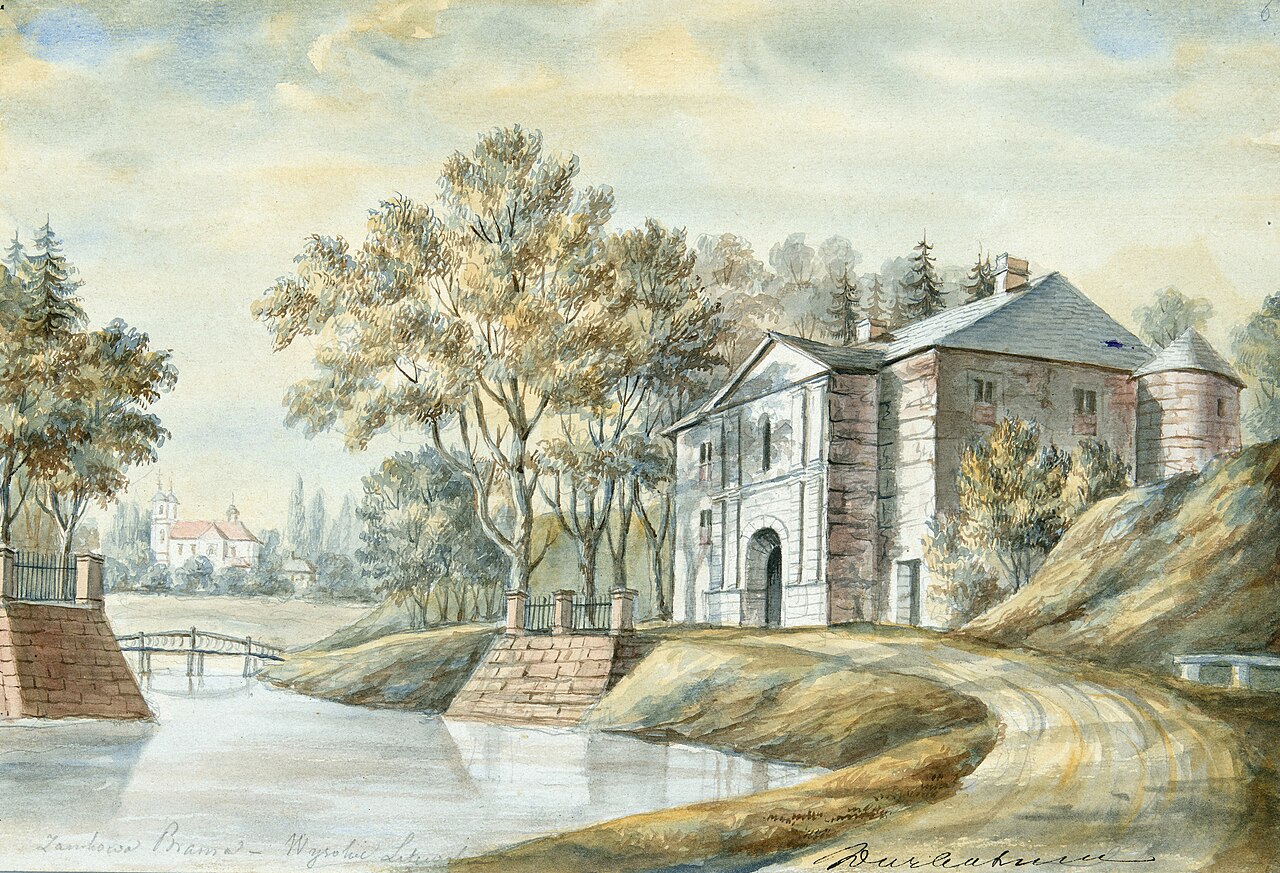
Vysokaje Castle is a notable example of a hill castle located in Belarus. While precise details about its founding city or exact location remain limited, the castle's strategic placement on elevated terrain highlights its historical military significance. This type of castle was typically constructed to provide defenders with a commanding view of the surrounding landscape and to maximize defensive advantages against invaders. Historical context and origins The origins of Vysokaje Castle date back to the medieval period, likely within the High Medieval era, a time when fortifications were essential for territorial control and protection. Castles such as Vysokaje were often built by regional nobility or military leaders to establish authority and defend against frequent conflicts in Eastern Europe. Although specific records about the castle's founders or exact construction date are scarce, its architectural typology aligns with common practices in castle building during the 12th to 14th centuries. Architectural features and design As a hill castle, Vysokaje was constructed on elevated ground, utilizing natural topography to enhance its defenses. The castle likely featured typical medieval fortifications such as stone curtain walls, towers for surveillance and defense, and possibly a gatehouse controlling access. The elevated position would have allowed defenders to spot approaching enemies from a distance and use the terrain to their advantage during sieges. While detailed descriptions of Vysokaje's layout are not well documented, hill castles of this region commonly included a keep or donjon serving as the last refuge during attacks, surrounded by baileys or courtyards for daily activities and troop assembly. Defensive elements such as battlements, arrow slits, and moats may have been present to strengthen the castle's resilience. Strategic importance and historical role Situated in Belarus, Vysokaje Castle played a role in the defense and administration of the surrounding territory. During the medieval period, this region was marked by frequent military conflicts, shifting alliances, and territorial disputes involving local princes, the Grand Duchy of Lithuania, and neighboring powers. Castles like Vysokaje served as military strongholds, administrative centers, and symbols of feudal power. The castle’s elevated location was crucial for monitoring trade routes and controlling access to important roads or river crossings. This strategic advantage helped its occupants maintain influence over the area and respond effectively to threats. Current condition and preservation Due to limited documentation and archaeological research, the current state of Vysokaje Castle is not extensively detailed in historical records. It is likely that the castle exists today as ruins or partially preserved remains, typical of many medieval fortifications in Belarus that have suffered from centuries of conflict, neglect, and natural decay. Efforts to preserve or restore such sites in Belarus vary, and Vysokaje's condition may reflect the challenges of maintaining historic structures in rural or less accessible locations. Visitors interested in medieval architecture and Belarusian history may find the site of Vysokaje Castle significant for understanding regional defensive strategies and feudal life. Visiting Vysokaje Castle Information on public access or visitor facilities at Vysokaje Castle is not well established. Potential visitors should seek local guidance or contact regional tourism offices in Belarus for current details regarding accessibility, opening hours, and any guided tours available. Exploring the castle site offers an opportunity to engage with the medieval heritage of Belarus and appreciate the enduring legacy of hill castles in Eastern Europe.

High Medieval (11th–13th c.)
Details