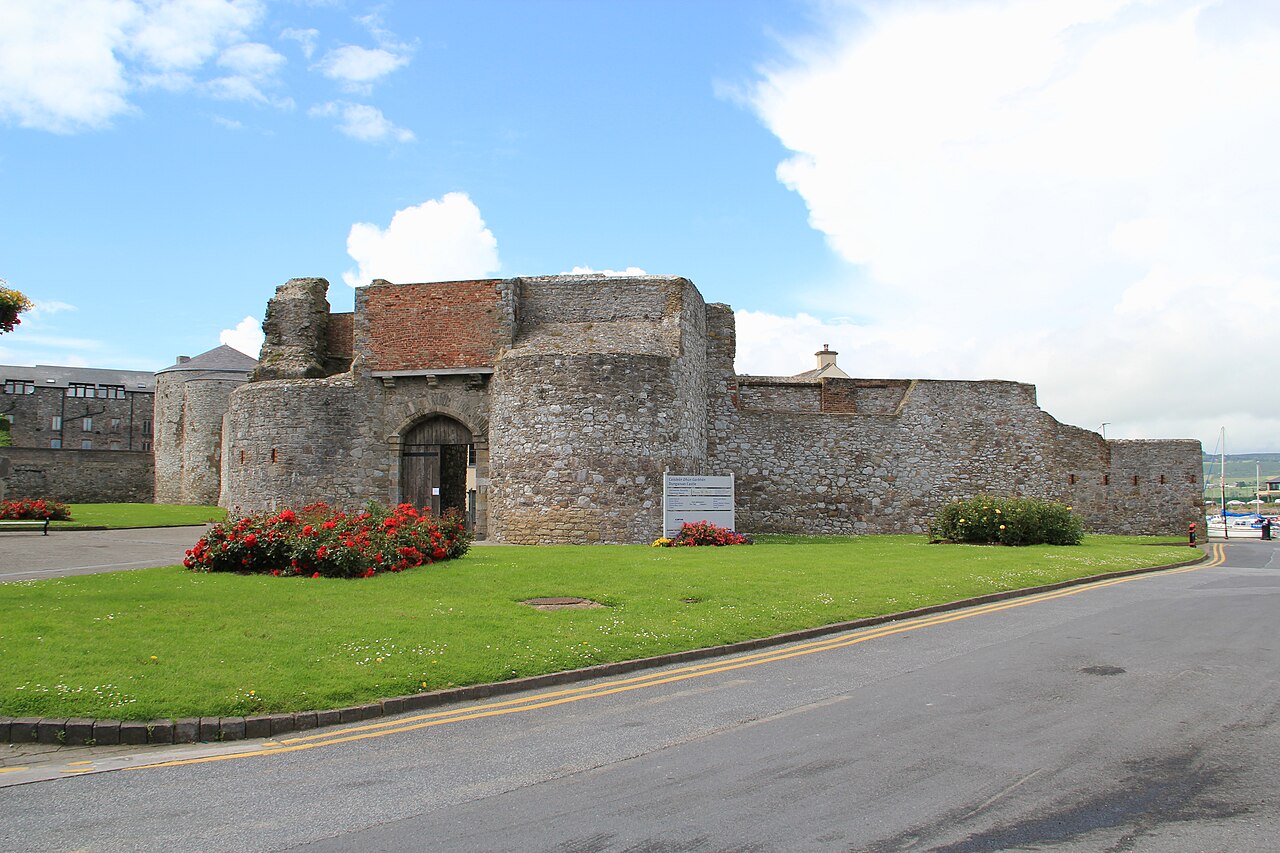
Knockmaun Castle
Knockmaun Castle, occasionally spelled Knockmaon, is a historic tower house located in the scenic countryside west of Dungarvan, in County Waterford, Ireland. Perched on a limestone hillock beside a bridge over the River Brickey, the site has a long history of habitation, likely dating back to Viking times. This is supported by the discovery of a Viking coin hoard on the summit in the early 20th century, indicating the strategic and possibly residential importance of the location well before the medieval period.
Historical background and ownership
The castle was first documented in 1440 as a FitzGerald tower house, a type of fortified residence common in Ireland during the late medieval period. The FitzGerald family were prominent Anglo-Norman nobles whose influence extended across much of Ireland. Knockmaun Castle served as a defensive stronghold and residence for the family during a turbulent era marked by clan conflicts and political upheaval.
Following the FitzGeralds' rebellion against English rule, the castle was forfeited and subsequently granted to Sir Christopher Hatton, an English courtier. During the 1590s, the castle witnessed significant conflict when Hatton's tenant, Alyson Dalton, successfully defended the castle against repeated attacks by FitzGerald forces, underscoring its military significance in the region.
Later, ownership passed to Sir Richard Osbourne. However, the castle's fortunes declined during the mid-17th century when it was reportedly destroyed in 1650 by the forces of Oliver Cromwell during his campaign in Ireland, particularly on their way to Dungarvan. This destruction left the castle in ruins, which remain visible today.
Architectural features and site layout
Knockmaun Castle exemplifies the typical 15th-century Irish tower house design, characterized by a tall, narrow, multi-storey stone structure built primarily for defense and habitation. The castle's elevated position on a limestone outcrop provided natural defensive advantages, offering wide views over the surrounding landscape and control over the nearby river crossing.
Although only small remains survive, these include portions of the stone walls and foundations that outline the original footprint of the tower house. The proximity to the River Brickey and the adjacent bridge would have been strategically important for controlling local movement and trade. The castle's construction utilized local limestone, typical of the region's building materials.
Current condition and accessibility
Today, Knockmaun Castle stands in a ruined state on private farmland. The remains are modest but occupy a picturesque and historically significant location. Access to the site is restricted due to the presence of grazing bulls, and visitors are advised to seek permission from the landowner. The owner has indicated that visits may be possible in the summer months when conditions are safer.
Despite its ruined condition, Knockmaun Castle remains an important cultural and historical landmark in County Waterford, reflecting the complex history of Anglo-Norman Ireland and the conflicts that shaped the region.
Significance in Irish medieval history
Knockmaun Castle is a representative example of the many tower houses that dotted the Irish landscape during the late medieval period. These structures were built both as fortified homes and symbols of local power by Anglo-Norman families such as the FitzGeralds. The castle's involvement in the rebellions and conflicts of the 16th century highlights the turbulent nature of Irish-English relations during this era.
The castle's destruction by Cromwellian forces in 1650 places it within the broader context of the Wars of the Three Kingdoms, when many Irish strongholds were besieged or destroyed. Knockmaun Castle's history thus encapsulates key episodes in Ireland's medieval and early modern history.
Visiting tips and nearby attractions
Visitors interested in exploring Knockmaun Castle should plan ahead due to its location on private farmland and the presence of livestock. Summer visits are preferable, and contacting the landowner for access information is recommended. The surrounding area offers scenic views and opportunities for walking along the River Brickey.
Nearby Dungarvan is a historic town with additional heritage sites, including medieval walls and a vibrant cultural scene. Exploring the wider County Waterford region offers insights into Ireland's rich medieval past and natural beauty.
Frequently asked questions (FAQ)
- How do I get to Knockmaun Castle?
- Knockmaun Castle is located in Dungarvan, United Kingdom, and can be easily accessed by car or public transport. If you are driving, there are parking facilities available nearby. For those utilizing public transport, local buses frequently service the area, making it convenient for visitors.
- What is the historical significance of Knockmaun Castle?
- Knockmaun Castle dates back to the 15th century and is known for its rich history and architectural features. It served as a stronghold for local lords and is an excellent example of medieval architecture in the region. The castle has witnessed numerous historical events, making it a significant landmark in Dungarvan.
- When was Knockmaun Castle built?
- Knockmaun Castle was constructed in the late 1400s, reflecting the defensive architecture of the time. Its construction was part of a broader trend during the medieval period when castles were built for protection and as a display of power. The castle has undergone several restorations to preserve its historical integrity.
- Can I visit Knockmaun Castle with my family?
- Yes, Knockmaun Castle is family-friendly and welcomes visitors of all ages. The castle grounds provide ample space for exploration, and children can learn about its history through engaging activities. Make sure to check for any special family events or guided tours that may be available during your visit.
- Why is Knockmaun Castle a popular tourist attraction?
- Knockmaun Castle attracts visitors due to its stunning architecture, rich history, and picturesque location. The combination of its historical significance and beautiful surroundings makes it an appealing destination for tourists and history enthusiasts alike. Visitors often enjoy guided tours that highlight the castle's unique features and stories from the past.
- Is it possible to take guided tours of Knockmaun Castle?
- Yes, guided tours of Knockmaun Castle are available and provide a deeper insight into its history and architecture. These tours are led by knowledgeable guides who share interesting anecdotes and facts about the castle. It is advisable to check the tour schedule in advance and book your spot to ensure availability.
- What are the opening hours for Knockmaun Castle?
- Knockmaun Castle is open to visitors from 10 AM to 5 PM, with extended hours during peak tourist seasons. It's recommended to check the official website or contact the castle directly for any seasonal changes to these hours. Arriving early can help you avoid crowds and make the most of your visit.
- Are there any nearby attractions to visit while at Knockmaun Castle?
- Yes, there are several attractions near Knockmaun Castle, including local museums, parks, and scenic walking trails. Dungarvan is also known for its charming town center, where visitors can explore shops and restaurants. This makes it easy to plan a full day of activities around your visit to the castle.
- What are the ticket prices for visiting Knockmaun Castle?
- Ticket prices for Knockmaun Castle are typically affordable, with discounts available for children, seniors, and families. It's best to check the castle's official website for the most current pricing and any special promotions. Group rates may also be available for larger parties or school visits.
Information
Loading map...
Visitor reviews
No reviews yet. Been here? Write the first review and help other travelers!
Write the first reviewVisited this castle? Share your experience
Your review helps other travelers and adds first-hand knowledge to our encyclopedia.