Kleef Castle Ruins
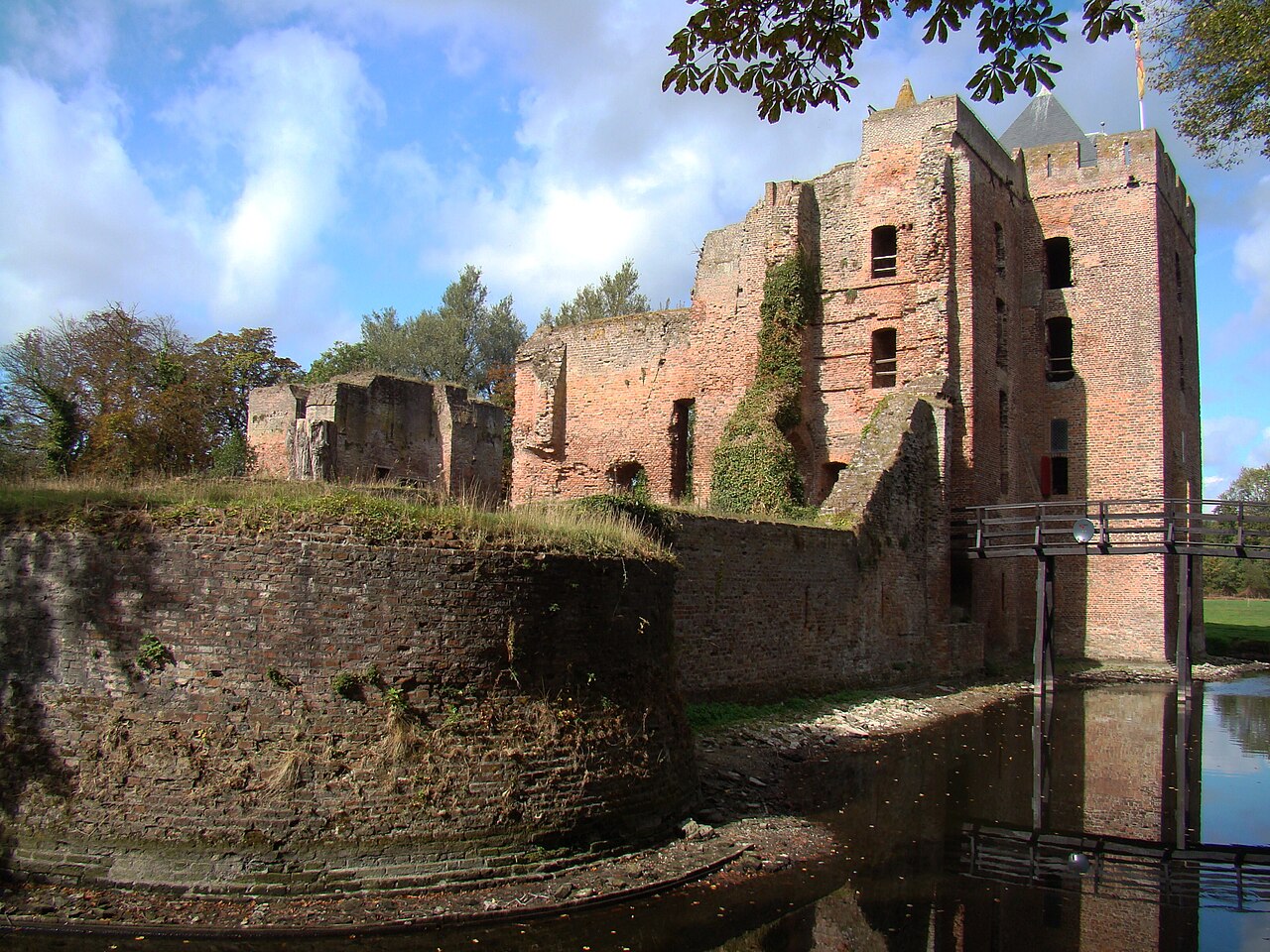
Kleef Castle, also known as Huis ter Kleef, stands as a significant medieval site in Haarlem, Netherlands. Constructed likely in the late 13th century, this hill castle served both defensive and residential purposes during its active years. Its strategic location within Haarlem made it a focal point during key historical events, particularly the Siege of Haarlem in 1572.
Early history and construction
The origins of Huis ter Kleef trace back to the high medieval period, with architectural elements typical of 13th-century castle design. The castle was built as a fortified residence, featuring defensive walls and towers suitable for the era's military needs. While much of the original structure has not survived intact, archaeological research has uncovered foundational stones that suggest phases of construction and rebuilding, particularly after damage sustained in the 16th century.
Ownership and naming
In 1403, the castle was granted to Margaret of Cleves (c.1375-1411), a noblewoman whose family name became permanently associated with the castle. This transfer marked a significant chapter in the castle's history, as it retained the name "Kleef" in honor of its distinguished owner. The castle remained a symbol of noble authority in the region for several centuries.
Role in the siege of haarlem
Kleef Castle played a pivotal role during the Siege of Haarlem in 1572, when it was used as the headquarters for the Spanish army under the command of the Duke of Alva. This siege was part of the larger conflict of the Eighty Years' War, where Dutch forces sought independence from Spanish rule. The castle's strategic position allowed the Spanish to coordinate their military operations effectively.
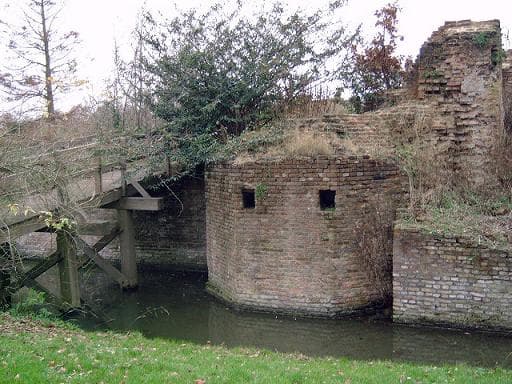
However, in 1573, the castle was deliberately blown up, resulting in severe damage that left it in ruins. The destruction was so extensive that the rubble was later repurposed for the expansion of Haarlem city, effectively ending the castle's military and residential functions.
Architectural remains and the kaatsbaan
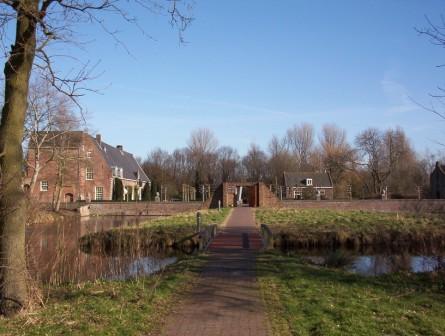
Today, the most visible surviving structure related to the castle is the Kaatsbaan, a nearby house with a distinctive tower. Historically, this building was believed to be the only part of the castle that remained standing after the explosion. However, recent archaeological investigations indicate that the foundations beneath the Kaatsbaan contain older stones, suggesting that the building may have been reconstructed following the castle's destruction.
The Kaatsbaan served various purposes over the centuries, including as a residence for former owners of the estate. In modern times, it has been integrated into the city gardens of Haarlem and is used for administrative and cultural functions.
Post-destruction history and preservation
After the castle's destruction, the property changed hands multiple times until it was acquired by the city of Haarlem in 1713. Since then, efforts have been made to preserve the remaining ruins and incorporate them into the urban landscape. Stones from the central castle ruins were reused in nearby buildings, a common practice reflecting the practical reuse of materials during that period.
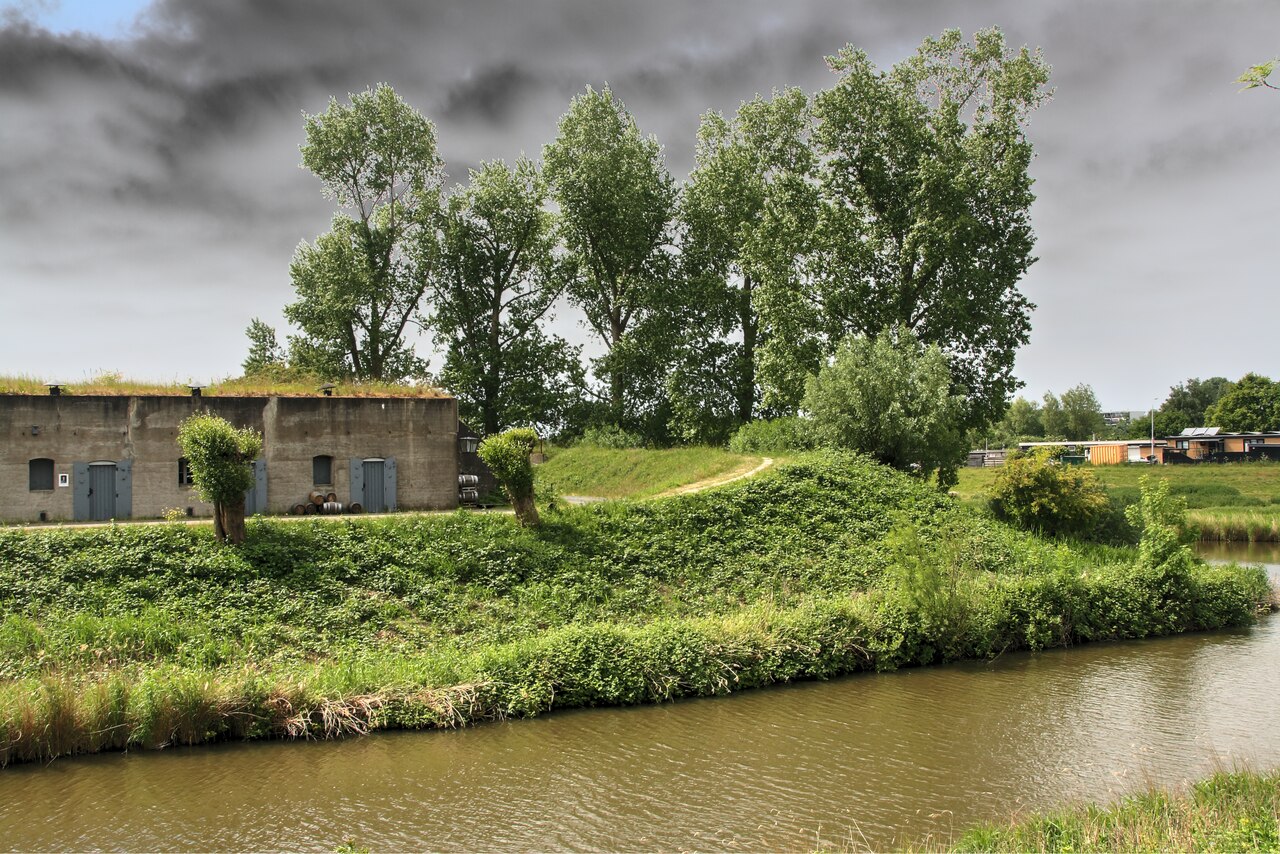
Currently, the ruins of Kleef Castle are located within the city gardens of Haarlem, offering visitors a glimpse into the medieval past amidst a landscaped setting. The site serves as a cultural and historical landmark, connecting present-day Haarlem with its rich medieval heritage.
Archaeological insights and cultural significance
Recent archaeological research has enhanced understanding of the castle's layout and construction phases. Excavations have revealed the castle's foundation walls and other structural elements, shedding light on the architectural techniques used during the high medieval period. These findings contribute to the broader knowledge of medieval fortifications in the Netherlands.
Kleef Castle holds cultural significance as a symbol of Haarlem's medieval history and its role in the turbulent conflicts of the 16th century. The site attracts historians, archaeologists, and tourists interested in medieval architecture and Dutch history.
Frequently asked questions (FAQ)
- How do I visit the Kleef Castle ruins in Haarlem?
- The Kleef Castle ruins are located within the city gardens of Haarlem, which are open to the public. Visitors can explore the site freely during the garden's opening hours, typically from morning until early evening.
- What is the historical significance of Kleef Castle?
- Kleef Castle was a key site during the Siege of Haarlem in 1572, serving as the Spanish army's headquarters. Its destruction in 1573 marked a turning point in the city's defense history during the Eighty Years' War.
- Are there any visible remains of the original castle?
- While the main castle was destroyed, the nearby Kaatsbaan building with its tower still stands and contains foundations with older stones. Ruins and reused stones can also be seen in surrounding buildings.
- Can I learn about the castle's architecture on-site?
- Information panels and archaeological displays at the site provide insights into the castle's medieval architecture and history, helping visitors understand its construction and significance.
- Is the Kleef Castle site accessible for people with limited mobility?
- The city gardens where the castle ruins are located have paved paths suitable for wheelchairs and strollers, but some uneven terrain near the ruins may require caution.
Photo gallery

Information
Current owner
Municipality of Haarlem
Loading map...
Visitor reviews
No reviews yet. Been here? Write the first review and help other travelers!
Write the first reviewVisited this castle? Share your experience
Your review helps other travelers and adds first-hand knowledge to our encyclopedia.