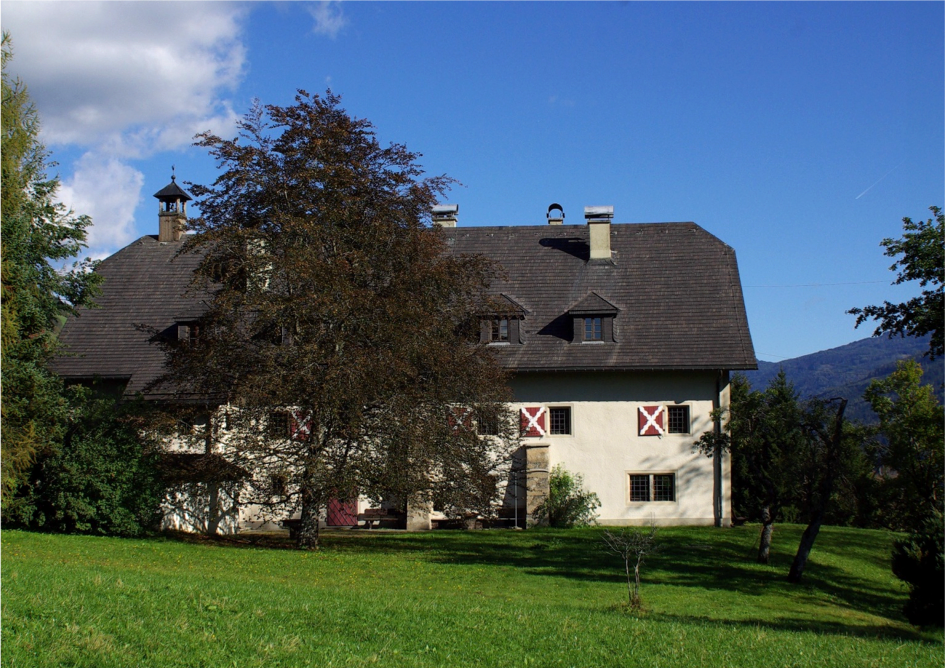
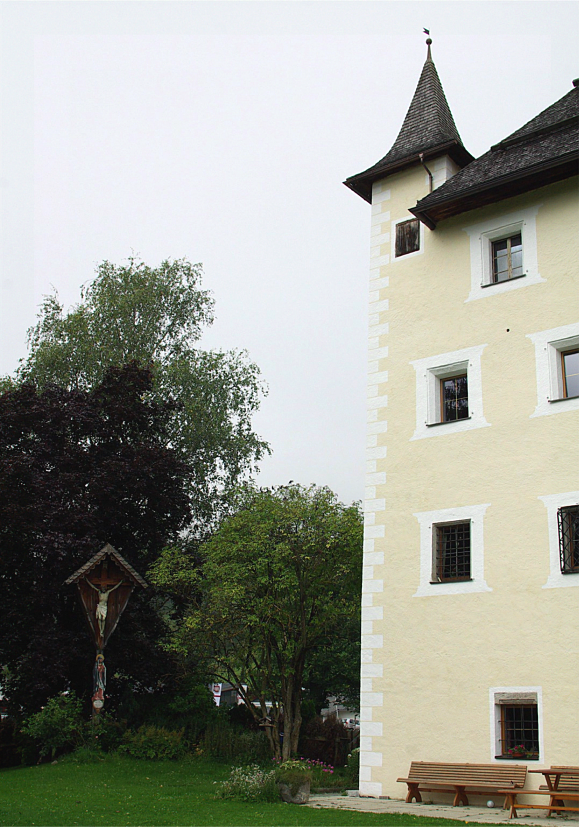
Klammstein Castle stands as a significant medieval fortress located in Dorfgastein, Austria. Constructed in the early 12th century by the noble Sieghartinger family, it is recognized as the oldest known structure in the Gastein region. The castle was originally established to safeguard the estate historically known as provincia Castuna. The earliest documented owner, Conrad, an archer, was recorded in 1122, marking the castle's early role in regional defense and administration.
Historical significance and ownership transitions
Throughout the 12th and 13th centuries, Klammstein Castle experienced a dynamic history of ownership. It passed through the hands of several prominent local noble families, including the von Tengling, von Peilstein, and von Goldegg lineages. Additionally, control was contested by the Bavarian dukes and the Archbishopric of Salzburg. This reflects the castle's strategic importance in the Gastein Valley, an area rich in mineral resources and mining activities, which made the castle a valuable asset for asserting judicial and economic control.
By the mid-14th century, the castle had become the residence of the archiepiscopal administrator, known as a Pfleger. This official wielded high legal authority in the region, indicating the castle's role as a center of governance and ecclesiastical power during a period of growing church influence.
Decline and partial destruction
From the late 16th century onward, Klammstein Castle entered a period of decline. By 1589, it was described as abandoned and in ruins. Safety concerns led to official permissions to dismantle parts of the outer walls, and by 1608, the castle was declared uninhabitable. The 18th century saw further degradation as stones from the castle were quarried for lime production, accelerating its deterioration.
In the late 19th century, detailed surveys and descriptions were made by Pater A. Ebner, preserving knowledge of the castle's remaining structures before further damage occurred. A significant impact came in 1904 when an explosion related to railway construction damaged the ruins.
20th century restoration and museum establishment
In 1972, Adolf Ferner acquired the site and undertook partial restorations. His efforts focused on stabilizing the ruins and restoring the main tower. Ferner also established a museum within the castle grounds, which showcases the castle's history and houses artifacts from his personal collection.
Today, Klammstein Castle serves as the headquarters of the Peilsteiner Ritterschaft, a knightly order maintaining historical ties to the castle. The site blends medieval masonry with modern preservation efforts, making it an important cultural and historical landmark in the region.
Architectural features and remaining structures
The castle was primarily constructed of stone and features a prominent fortified tower as its main surviving element. This tower rests on a roughly square foundation measuring approximately 8.7 meters on each side externally, enclosing an interior space close to 5.2 meters square. The walls are notably thick, about 1.75 meters, underscoring their defensive purpose.
A distinctive feature is a small doorway known locally as a Schlupf, cut into the southern wall of the tower. This narrow entrance likely served as a controlled access point. The tower also includes defensive wall slits, narrow vertical openings used for archery and surveillance, located on the south side of the ground floor and on both the south and north sides of the upper floor.
On the upper floor, there are unique wall openings—a segmental-shaped aperture and a rectangular breach—which may have functioned as windows or embrasures, providing light and defensive firing positions while maintaining protection.
By the late 18th century, the remains consisted mainly of the thick quadrangular tower wall and two additional walls on the hillside below. The removal of building stones for lime production contributed significantly to the site's ruinous condition.
Defensive design elements
The tower's design reflects typical medieval defensive architecture, with thick walls to withstand attacks and narrow slits for archers to defend the stronghold effectively. The limited access through the Schlupf doorway would have enhanced security by restricting entry points.
Current condition and preservation
Today, the castle remains as a partially restored medieval ruin. The restoration efforts by Adolf Ferner have preserved the tower and some surrounding walls, allowing visitors to appreciate the castle's historical layout and architectural features. The museum on-site provides educational resources about the castle's history and the broader medieval context of the Gastein Valley.
Frequently asked questions (FAQ)
- What is the historical significance of Klammstein Castle?
- Klammstein Castle is a remarkable historical landmark that dates back to the 12th century. It played a crucial role in the defense of the region and has witnessed numerous historical events, making it an important site for understanding Austria's medieval history.
- When was Klammstein Castle built?
- Klammstein Castle was constructed in the early 12th century, showcasing the architectural styles of the time. Its strategic position on a hill allowed it to serve as a fortress and residence for noble families throughout the centuries.
- What are the opening hours for Klammstein Castle?
- Klammstein Castle is typically open to visitors from April to October, with specific hours varying by month. During peak tourist season, the castle is open daily from 10 AM to 6 PM, allowing ample time for exploration.
- Can I visit Klammstein Castle year-round?
- While Klammstein Castle is primarily open from April to October, it may offer limited access during the winter months for special events or guided tours. It is advisable to check the official website or contact the castle administration for specific winter visiting information.
- Is it possible to reach Klammstein Castle by public transport?
- Yes, Klammstein Castle is accessible by public transport, with regular bus services connecting to nearby towns. Visitors can also enjoy a scenic walk from the nearest bus stop, making it an enjoyable day trip for those using public transportation.
- What are the ticket prices for visiting Klammstein Castle?
- The ticket prices for Klammstein Castle are quite reasonable, with adult tickets typically costing around €8. Discounts are often available for children, students, and seniors, making it an affordable option for families and groups.
- When is the best time to visit Klammstein Castle?
- The best time to visit Klammstein Castle is during the late spring and early autumn months, when the weather is mild and the surrounding scenery is at its most vibrant. Visiting during these times also allows you to enjoy various events and activities hosted at the castle.
- What nearby attractions can I visit while at Klammstein Castle?
- While visiting Klammstein Castle, you can explore other attractions in the region, such as the picturesque village of Klammstein and the stunning natural landscapes of the surrounding mountains. Additionally, several hiking trails nearby offer breathtaking views and a chance to experience the beautiful Austrian countryside.
Information
Website
Visit websiteSources & official resources
Verify the information above using these authoritative references.
Loading map...
Visitor reviews
No reviews yet. Been here? Write the first review and help other travelers!
Write the first reviewVisited this castle? Share your experience
Your review helps other travelers and adds first-hand knowledge to our encyclopedia.