Kishiwada Castle
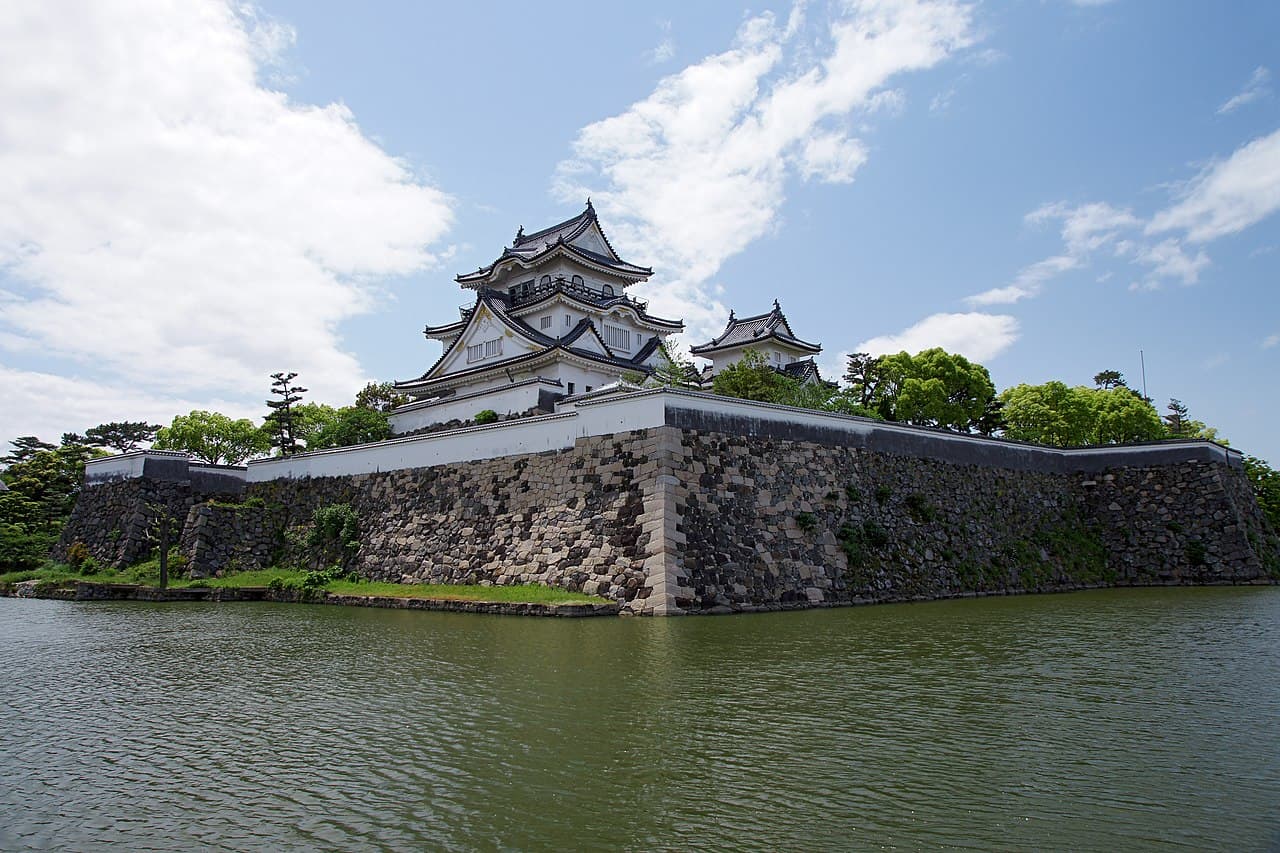
Kishiwada Castle (岸和田城, Kishiwada-jō) is a prominent hill castle located in the city of Kishiwada, within Osaka Prefecture, Japan. This castle played a significant role during the Edo period as the residence of the Okabe clan, who were the daimyō of the Kishiwada Domain. The castle is also historically known by the name Chikiri Castle (千亀利城, Chikiri-jō), a name that reflects its earlier origins and local significance.
Constructed as a strategic hill castle, Kishiwada Castle occupies a naturally defensible location, utilizing the terrain to enhance its fortifications. The castle's design includes typical features of Japanese castles from the early Edo period, such as stone walls, moats, and multiple baileys. Although much of the original structure was lost over time, the castle grounds retain important cultural elements, including the Honmaru Garden, which is officially designated as a National Place of Scenic Beauty. This garden exemplifies traditional Japanese landscape design and offers visitors a glimpse into the aesthetic values of the castle's historic inhabitants.
Historical background and ownership
The origins of Kishiwada Castle date back to the Sengoku period when it was initially constructed as a fortification to control the surrounding region. The castle came under the control of the Okabe clan during the Edo period, who governed the Kishiwada Domain from this site. The Okabe family were notable retainers of the Tokugawa shogunate and contributed to the political stability of the region.
Throughout its history, Kishiwada Castle witnessed various military and political events, including sieges and administrative changes. Its strategic location near Osaka made it an important defensive stronghold against potential invasions and internal conflicts. The castle's role evolved from a purely military fortress to a symbol of feudal authority and governance.
Architectural features and layout
Defensive structures and design
Kishiwada Castle's architecture reflects the typical characteristics of hill castles built during Japan's feudal era. The castle was constructed on elevated terrain, providing natural defense advantages such as visibility over the surrounding plains and difficult access for attackers. The stone walls, known as ishigaki, were skillfully built to resist both siege weaponry and natural erosion.
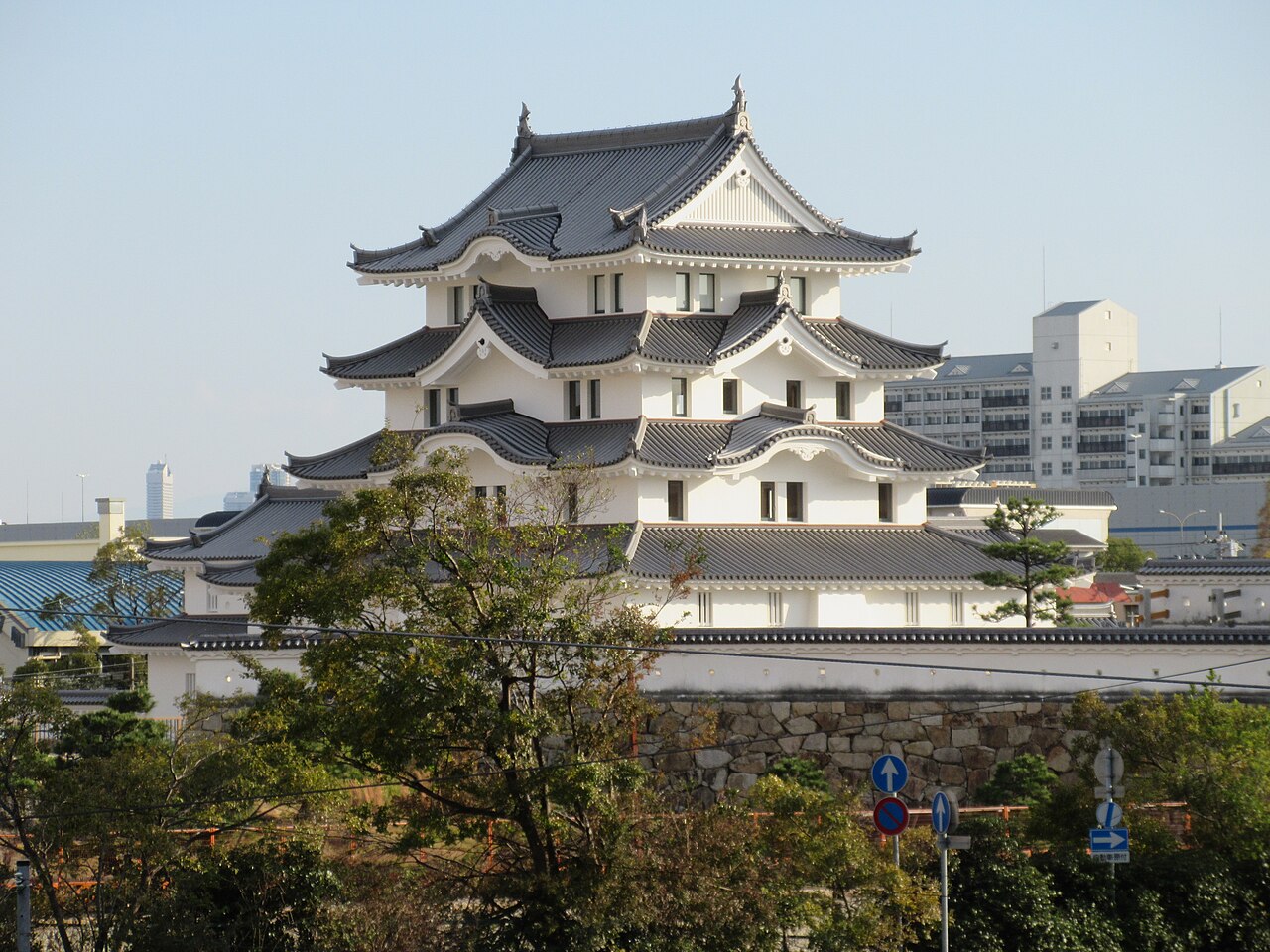
The castle compound included multiple defensive layers, such as moats and earthen ramparts, designed to slow and repel enemy forces. The main keep or tenshu, although no longer extant in its original form, was once the central stronghold, overseeing the castle grounds and serving as the residence of the lord.
Honmaru garden and cultural significance
One of the most treasured parts of Kishiwada Castle is the Honmaru Garden, located within the castle's main bailey. This garden is a fine example of traditional Japanese garden design, incorporating elements such as ponds, stone lanterns, and carefully arranged plants to create a harmonious and contemplative space. The garden's designation as a National Place of Scenic Beauty underscores its importance as a cultural asset and a preserved historical landscape.
Modern preservation and tourism
Today, Kishiwada Castle is a popular tourist destination, attracting visitors interested in Japanese history, architecture, and garden design. While the original castle structures have largely been lost, restoration efforts have focused on preserving the castle grounds and the Honmaru Garden. The site offers educational displays and events that highlight the castle's historical role and the lifestyle of the samurai era.
Visitors can explore the castle park, enjoy seasonal festivals, and learn about the Okabe clan's legacy. The castle's location in Kishiwada city makes it accessible for day trips from Osaka and other nearby urban centers, contributing to its role as a regional cultural landmark.
Frequently asked questions (FAQ)
- What is the historical significance of Kishiwada Castle?
- Kishiwada Castle, also known as Kishiwada-jō, was originally built in the late 16th century and played a crucial role in the region's defense during the feudal era. It served as a stronghold for various samurai clans and is a symbol of the local history and culture, showcasing the architectural style of the period.
- When was Kishiwada Castle built?
- Kishiwada Castle was first constructed in 1583 by the warlord Hashiba Hideyoshi, later known as Toyotomi Hideyoshi. The castle has undergone several reconstructions and restorations over the centuries, with the current structure being completed in 1997 to resemble its original design.
- What are the opening hours for visiting Kishiwada Castle?
- Kishiwada Castle is typically open to visitors from 9:00 AM to 5:00 PM, with last admissions occurring 30 minutes before closing. It is advisable to check the official website or local resources for any seasonal changes in hours or special events that may affect access.
- Can I access Kishiwada Castle by public transportation?
- Yes, Kishiwada Castle is easily accessible by public transportation. Visitors can take the Nankai Main Line to Kishiwada Station, which is approximately a 15-minute walk from the castle, making it convenient for those traveling without a car.
- Is it possible to enter the castle keep?
- Yes, visitors are allowed to enter the castle keep, where they can explore various exhibits about the castle's history and enjoy panoramic views of the surrounding area from the top floors. There is a small admission fee for entering the keep, which contributes to the maintenance of the site.
- What is the best time to visit Kishiwada Castle?
- The best time to visit Kishiwada Castle is during the cherry blossom season in spring (late March to early April) when the surrounding park is in full bloom. Additionally, the autumn foliage in November offers a stunning backdrop, making these seasons particularly popular for visitors.
- Are there any nearby attractions to visit while in Kishiwada?
- Yes, there are several nearby attractions, including the Kishiwada Castle Park, which features beautiful gardens and walking paths. Additionally, visitors can explore the historic Kishiwada Danjiri Festival, which showcases traditional floats and local culture, typically held in September.
- What are the ticket prices for Kishiwada Castle?
- The admission fee for Kishiwada Castle is generally around 200 yen for adults, while children may enter for a reduced fee or for free. It’s recommended to verify the latest pricing on the official website before your visit, as prices may vary for special events or exhibitions.
Photo gallery

Information
Loading map...
Visitor reviews
No reviews yet. Been here? Write the first review and help other travelers!
Write the first reviewVisited this castle? Share your experience
Your review helps other travelers and adds first-hand knowledge to our encyclopedia.