Kinzi Castle
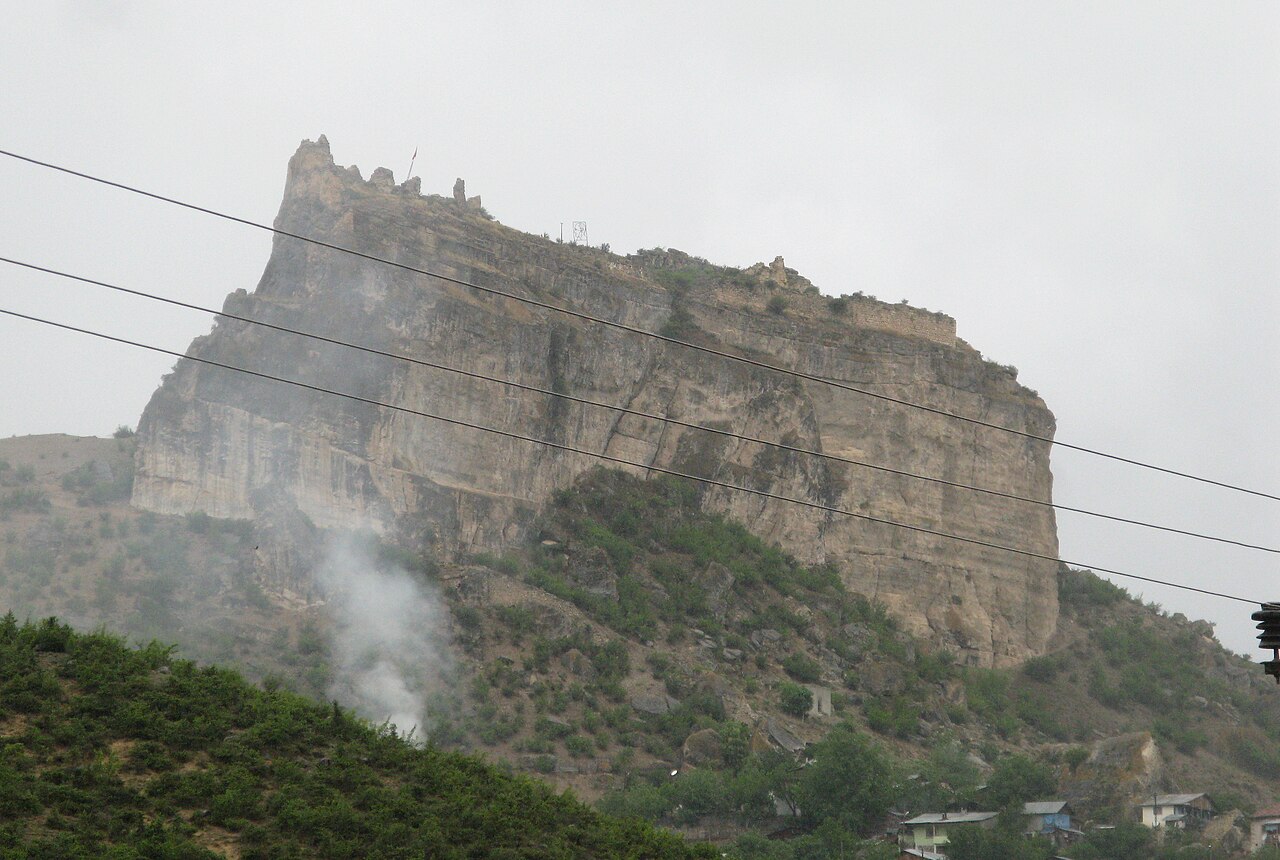
Kinzi Castle, locally known as Kinzi Kalesi, is an ancient fortress ruin situated on a prominent ridge overlooking the village of Bağdaşan Köyü in the Ardahan province of northeastern Turkey. This castle is notable for its strategic location and its historical significance dating back to the early Iron Age, specifically to the Urartian period (860-590 BC). The site offers valuable insight into the military architecture and regional control mechanisms of the Urartian civilization, one of the prominent ancient kingdoms in Eastern Anatolia.
Historical context and dating
The exact construction date of Kinzi Castle remains uncertain due to limited archaeological excavation, but its architectural features and geographic placement strongly suggest an origin in the Urartian era. The Urartians were known for building fortified structures to secure their territories, and Kinzi Castle fits within this tradition. The castle's rectangular layout and construction techniques align with other Urartian fortresses found throughout the region.
Subsequent historical layers indicate that the castle's bailey was later adapted and used by both the Seljuks and the Ottoman Empire, reflecting the site's continued strategic importance over centuries. However, only fragmentary foundations of this bailey remain today, underscoring the gradual decline and ruin of the complex.
Architectural features and layout
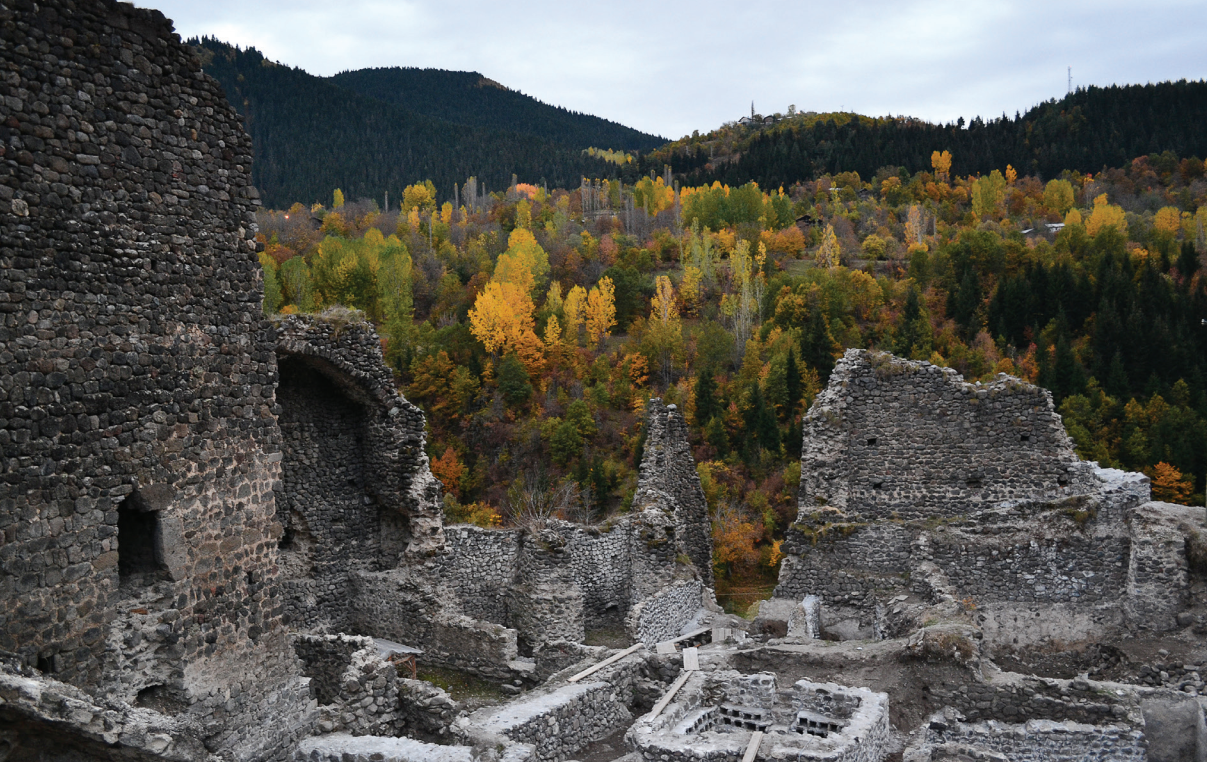
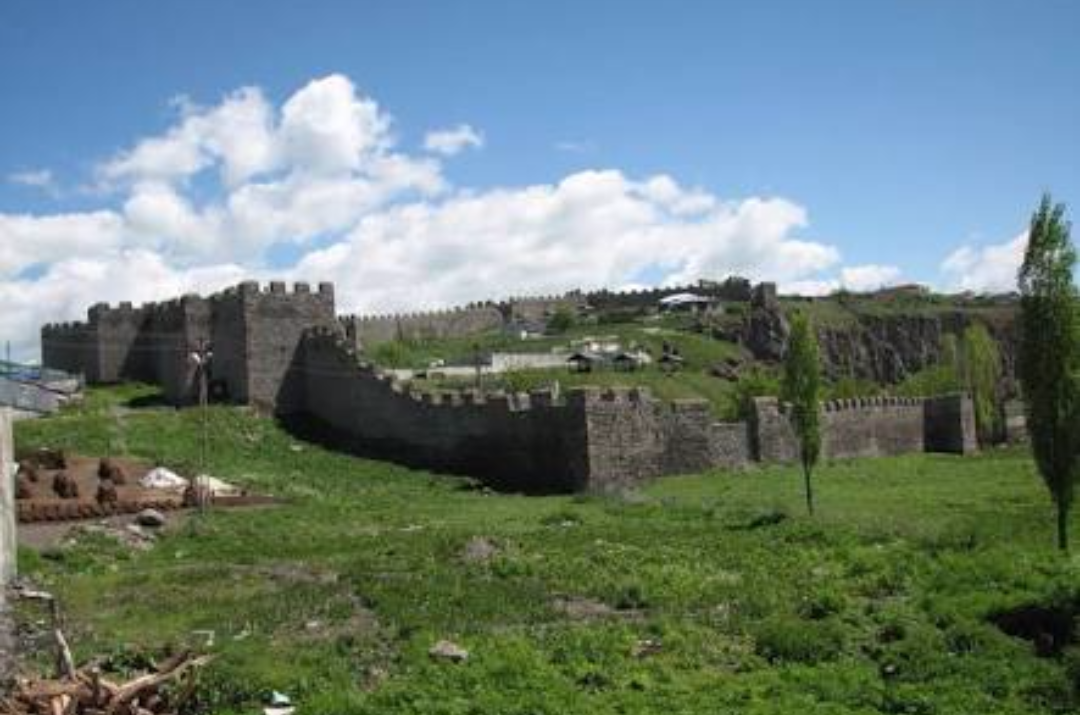
The castle measures approximately 17 by 25 meters and is constructed on a ridge, providing commanding views of the surrounding landscape. Its rectangular plan is typical of Urartian military architecture, designed for defense and surveillance. The walls are built with large stone blocks, a hallmark of Urartian masonry, which emphasized durability and strength.
One of the most distinctive features of Kinzi Castle is the presence of machicolations at the top of the walls. These overhanging openings allowed defenders to drop projectiles or boiling substances on attackers below, a defensive technique widely used in medieval fortifications but here present in an ancient context, indicating sophisticated military design. The machicolations remain notably well-preserved despite the ruinous state of the rest of the structure.
The location of the castle's main gate has not been identified, possibly due to destruction or erosion over time. The southeastern side of the castle included a bailey, which served as an enclosed courtyard for additional defense and possibly for housing troops or storing supplies. This bailey was later utilized by the Seljuks and Ottomans, but today only its foundations survive.
Strategic importance and location
Kinzi Castle's position on a ridge above Bağdaşan Köyü provided a strategic vantage point for controlling movement through the region and monitoring surrounding territories. This elevated location was typical for fortresses designed to oversee trade routes and defend against invasions. The castle's proximity to the Caucasus and Eastern Anatolia made it a critical military outpost during the Urartian period and later historical eras.
The castle's enduring use by successive powers such as the Seljuks and Ottomans highlights its ongoing military relevance. Its location allowed for effective communication and defense coordination within a network of regional fortifications.
Current condition and visitor information
Today, Kinzi Castle stands as a ruin, freely accessible to visitors interested in ancient military architecture and history. The site is characterized by its partially preserved stone walls and the remarkable machicolations, which remain a highlight for visitors and historians alike. While the bailey and gate structures are largely lost, the castle's overall form is still discernible.
Visitors to Kinzi Castle can explore the ruins without restrictions, making it an attractive destination for those seeking to experience an authentic ancient fortress in a natural setting. The castle's remote location near Bağdaşan Köyü offers a quiet and contemplative atmosphere, ideal for archaeological enthusiasts and travelers interested in the history of Eastern Anatolia.
Frequently asked questions (FAQ)
- How do I get to Kinzi Castle near Bağdaşan Köyü?
- Kinzi Castle is located on a ridge above Bağdaşan Köyü in Ardahan province, Turkey. Visitors typically reach the site by road via Ardahan city, followed by local routes to Bağdaşan Köyü. The castle is accessible by foot from the village, but the terrain may be rugged.
- What is the historical significance of Kinzi Castle?
- Kinzi Castle dates back to the Urartian period (860-590 BC) and served as a strategic military fortress. It was later used by the Seljuks and Ottomans, reflecting its long-term importance in regional defense and control.
- Can I explore the ruins of Kinzi Castle freely?
- Yes, the ruins of Kinzi Castle are freely accessible to the public. Visitors can walk around the remains of the walls and observe the well-preserved machicolations without restrictions.
- What architectural features make Kinzi Castle unique?
- The castle features a rectangular plan typical of Urartian fortresses and includes distinctive machicolations at the top of its walls, which were used for defensive purposes. These features highlight the advanced military architecture of the period.
- Is there an entrance fee to visit Kinzi Castle?
- There is no entrance fee to visit Kinzi Castle. It is an open archaeological site accessible to all visitors without charge.
Information
Loading map...
Visitor reviews
No reviews yet. Been here? Write the first review and help other travelers!
Write the first reviewVisited this castle? Share your experience
Your review helps other travelers and adds first-hand knowledge to our encyclopedia.