Kinkelenburg Castle
Kinkelenburg Castle, locally known as Kasteel Kinkelenburg, is a historic moated manor located in the town of Bemmel within the province of Gelderland, Netherlands. This castle uniquely combines its medieval origins with significant 18th-century architectural transformations, reflecting the layered history of Dutch noble residences.
The early history and medieval origins
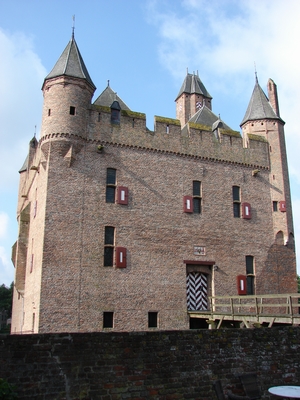
The earliest documented mention of Kinkelenburg Castle dates back to 1403, when it was recorded as a house and homestead with waterways and a moat at Bemmel, lent to Johan van Ambe. Although the castle's precise construction date is uncertain, architectural and archaeological evidence suggests that the original structure was a square stone tower-house built around 1300 AD. This tower-house likely served as a fortified residence typical of the medieval period, characterized by its defensive moat and strategic location.
Initially, the castle held the status of a village castle but was soon reclassified as the "Huis te Bemmel," indicating a shift from purely defensive functions to a more residential and administrative role. The castle was owned by the family of Johan van Aem or Ambe before being presented to the Counts of Guelders. The counts used Kinkelenburg primarily as a hunting lodge, which suggests that the castle was more of a leisure retreat than a military fortress.
Architectural evolution and 18th-century transformation
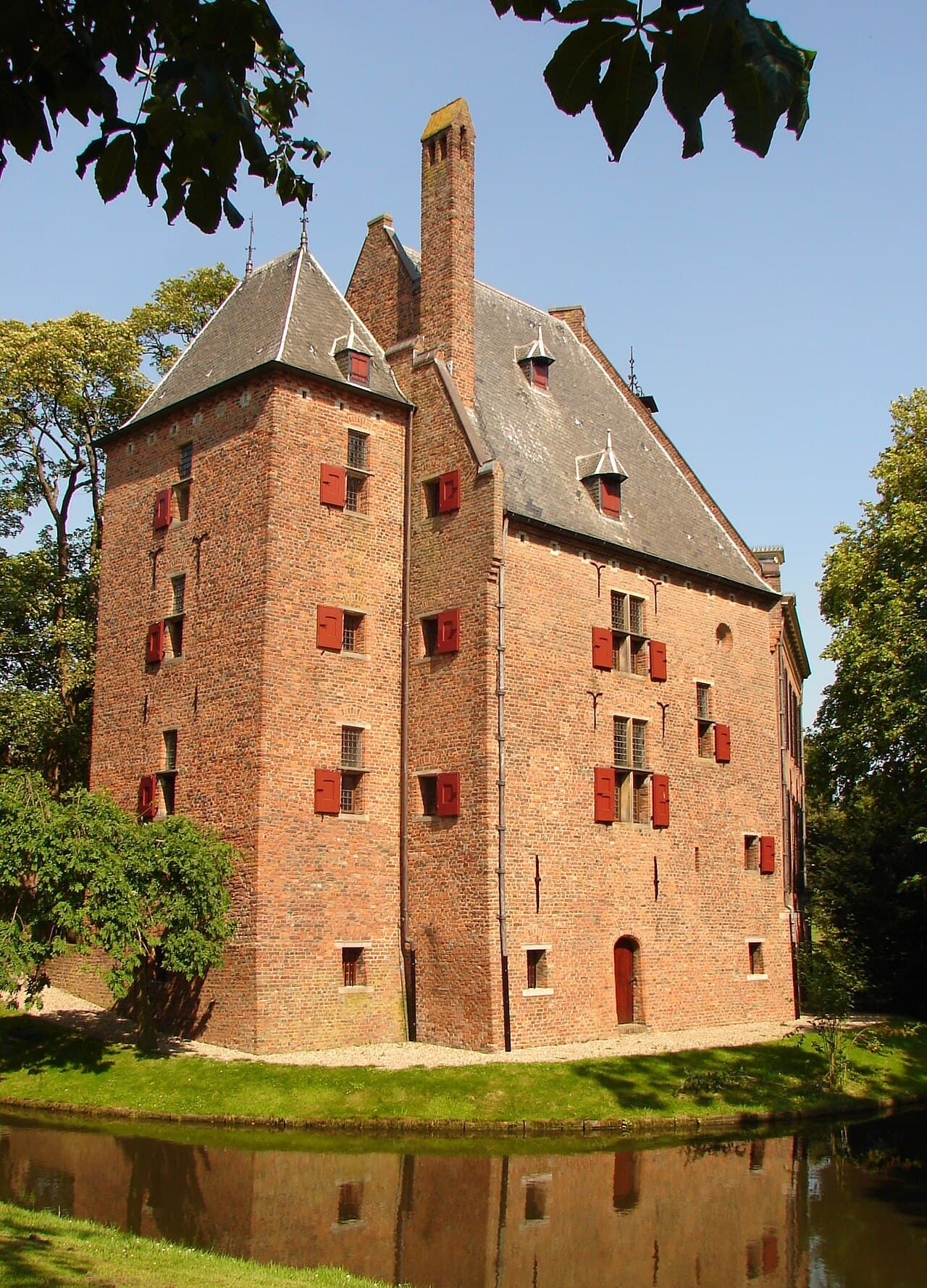
In the 18th century, Kinkelenburg underwent significant reconstruction, particularly on the east side of the building. This section was rebuilt and converted into a residential wing, reflecting the architectural tastes and domestic needs of the period. The transformation marked a departure from the castle's medieval defensive origins toward a more stately manor house, typical of the post-Renaissance era. Today, only the west side of the castle retains its medieval appearance, preserving the historical character of the original tower-house.
The castle's moat remains a defining feature, emphasizing its status as a water castle, a common type in the Netherlands where water defenses were integral to fortification strategies. The combination of medieval and 18th-century elements creates a unique architectural dialogue within the structure.
World War II impact and post-war restoration
During World War II, Kinkelenburg Castle suffered considerable damage due to wartime activities in the region. In 1944, the building was heavily affected, but its sturdy construction meant it was the only large building in Bemmel that still had a watertight roof after the destruction of the town hall on Dorpsstraat.
The municipality commandeered Kinkelenburg as emergency accommodation and later decided to make it the permanent town hall. The post-war restoration focused on repairing the castle in the style of the 18th century, preserving the manor house character rather than attempting to reconstruct the medieval fortress elements fully.
Despite the castle's rich history, restorers found few original artifacts during renovation, including only some coins in the attic and a dented tin can in the ditch. The interior was enhanced with beautiful wall panels acquired from Huize Heyendaal in Nijmegen, originally from an Amsterdam canalside house, adding a refined 18th-century ambiance. A notable feature inside is a ceiling painting by Hubert Estourgie (1924-1982), which artistically narrates the origin of the Betuwe region, linking the castle to the local cultural heritage.
Architectural features and current use
Kinkelenburg Castle is classified as a water castle due to its moat and water defenses. The remaining medieval west wing showcases traditional stone masonry and the fortified tower-house structure, while the east wing reflects the post-Renaissance residential style with its elegant living quarters.
The castle's layout includes a courtyard surrounded by the two contrasting wings, blending defensive medieval architecture with the comfort and style of an 18th-century manor. The moat continues to encircle the castle, maintaining its historic defensive characteristic and enhancing its picturesque setting.
Currently, Kinkelenburg Castle serves as the town hall of Bemmel, integrating its historical significance with civic functionality. The building is well preserved and restored, allowing visitors and locals alike to appreciate its architectural evolution and cultural importance.
Significance and heritage
Kinkelenburg Castle stands as a testament to the adaptive reuse of medieval structures in the Netherlands, illustrating how noble residences evolved over centuries from fortified towers to elegant manor houses. Its survival through wartime damage and subsequent restoration reflects the community's commitment to preserving local heritage.
The castle's connection to the Counts of Guelders and its role as a hunting lodge provide insight into the lifestyle of regional nobility during the late medieval and early modern periods. The blend of architectural styles and historical layers makes Kinkelenburg a valuable cultural landmark in Gelderland.
Visitors to Kinkelenburg can explore a site that encapsulates over seven centuries of history, from its medieval defensive origins to its present-day civic role, enriched by artistic and architectural details that celebrate the Betuwe region's heritage.
Frequently asked questions (FAQ)
- What is Kinkelenburg Castle known for?
- Kinkelenburg Castle, located in Bemmel, Netherlands, is renowned for its beautiful medieval architecture and rich history. The castle dates back to the 14th century and showcases classic features such as a moat and imposing towers, making it a significant example of Dutch heritage.
- When was Kinkelenburg Castle built?
- Kinkelenburg Castle was constructed in the 14th century, specifically around the year 1360. It has undergone various renovations and restorations over the centuries, preserving its historical importance and architectural charm.
- Can I visit Kinkelenburg Castle?
- Yes, Kinkelenburg Castle is open to visitors, allowing them to explore its stunning grounds and learn about its history. Guided tours are often available to provide in-depth insights into the castle's architectural features and significance.
- What are the opening hours of Kinkelenburg Castle?
- Kinkelenburg Castle typically opens its doors to visitors from 10 AM to 5 PM during the peak tourist season. It is advisable to check the official website or contact the castle directly for any seasonal changes or special event hours.
- Is it possible to host events at Kinkelenburg Castle?
- Yes, Kinkelenburg Castle offers its beautiful setting for various events, including weddings and corporate gatherings. With its picturesque backdrop and historical ambiance, it provides a unique venue for special occasions.
- What are the ticket prices for Kinkelenburg Castle?
- Ticket prices for Kinkelenburg Castle can vary depending on the type of tour or event. Generally, adult tickets are reasonably priced, with discounts available for children and seniors, making it an affordable outing for families.
- What is the best time to visit Kinkelenburg Castle?
- The best time to visit Kinkelenburg Castle is during the spring and summer months when the gardens are in full bloom and the weather is pleasant. Additionally, many special events and festivals take place during these seasons, enhancing the visitor experience.
- Are there any nearby attractions to Kinkelenburg Castle?
- Yes, Bemmel and the surrounding area offer several attractions, including beautiful parks and historical sites. Visitors can explore the scenic landscapes, local museums, and charming villages, making it a great destination for a day trip.
- How do I get to Kinkelenburg Castle?
- Kinkelenburg Castle is easily accessible by car and public transportation. It is located just a short drive from major cities in the Netherlands, and local bus services provide convenient options for reaching the castle from nearby towns.
Photo gallery

Information
Sources & official resources
Verify the information above using these authoritative references.
Loading map...
Visitor reviews
No reviews yet. Been here? Write the first review and help other travelers!
Write the first reviewVisited this castle? Share your experience
Your review helps other travelers and adds first-hand knowledge to our encyclopedia.