Doornenburg Castle
Doornenburg Castle, known locally as Kasteel Doornenburg, stands as a remarkable example of a late medieval castle in the province of Gelderland, Netherlands. Situated adjacent to the village of Doornenburg, this castle is one of the largest and best-preserved in the country, offering visitors a glimpse into medieval fortification architecture and Dutch heritage.
The earliest mentions of the castle date back to 1295, though its origins likely trace to a fortified manor from the 9th century, originally called Villa Dorenburc. It was not until the 13th century that the manor was converted into a modest castle, marking the beginning of its transformation into the imposing structure known today. The oldest surviving parts of the present castle date from the 14th century, featuring a large hall with cellars and a moated, rectangular courtyard enclosed by strong walls.
Architectural evolution and layout
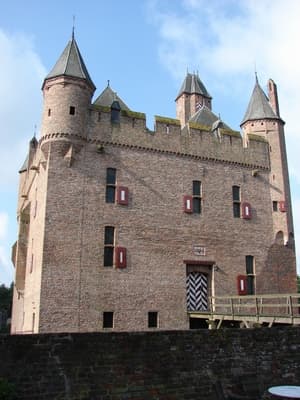
The castle's development over the centuries reflects typical medieval defensive and residential needs. In the 15th century, the courtyard was gradually built over, and the castle's various sections were heightened, culminating in the 16th century with the castle's distinctive block-shaped appearance. The formidable walled bailey dates from this period and is a unique feature in the Netherlands, combining defensive structures with domestic buildings and a farm.
The main castle
The main castle is built on a moated island and originally consisted of a large hall, which evidence suggests was once plastered red on the exterior, a common medieval practice to signify status and protection. The hall included cellars, which were vital for storage and food preservation. Over time, the castle was expanded vertically and horizontally to improve fortification and living space.
The front castle and bailey
The front castle, connected to the main castle by a small wooden bridge, was constructed in the 15th century. It contains sleeping quarters, a chapel likely added in the 16th century, and a farmstead, which is a rare feature for Dutch castles. The bailey's walls and domestic buildings date from the 17th and 18th centuries, showing the castle's evolution from purely military use to a more residential and agricultural role.
Historical significance and ownership
Interestingly, Doornenburg Castle's history is marked by a lack of major military conflict or political prominence. It was never besieged and did not play a direct role in national historical events. Ownership passed through several noble families, including the Van Doornik, Van Bylandt, and Van Homoet families. The castle was continuously occupied until the 19th century, after which it fell into disrepair.
Restoration and wartime damage
In 1936, the castle was purchased by local industrialist J.H. van Heek, who had previously acquired Bergh Castle. He established the Foundation for the Preservation of Doornenburg, initiating a significant restoration project completed by 1941. Unfortunately, the castle's restoration coincided with World War II, and in 1944, it became a frontline site following the failed Battle of Arnhem. The castle was used as a German headquarters, which led to its destruction by British bombers on March 14, 1945. The retreating German forces also demolished the gate building.
Despite the devastation, the preservation foundation undertook a meticulous reconstruction of Doornenburg Castle in its late medieval style. The rebuilding process spanned over two decades, and by 1966, the castle had been restored to its former grandeur, preserving its historical and architectural significance.
Visiting doornenburg castle today
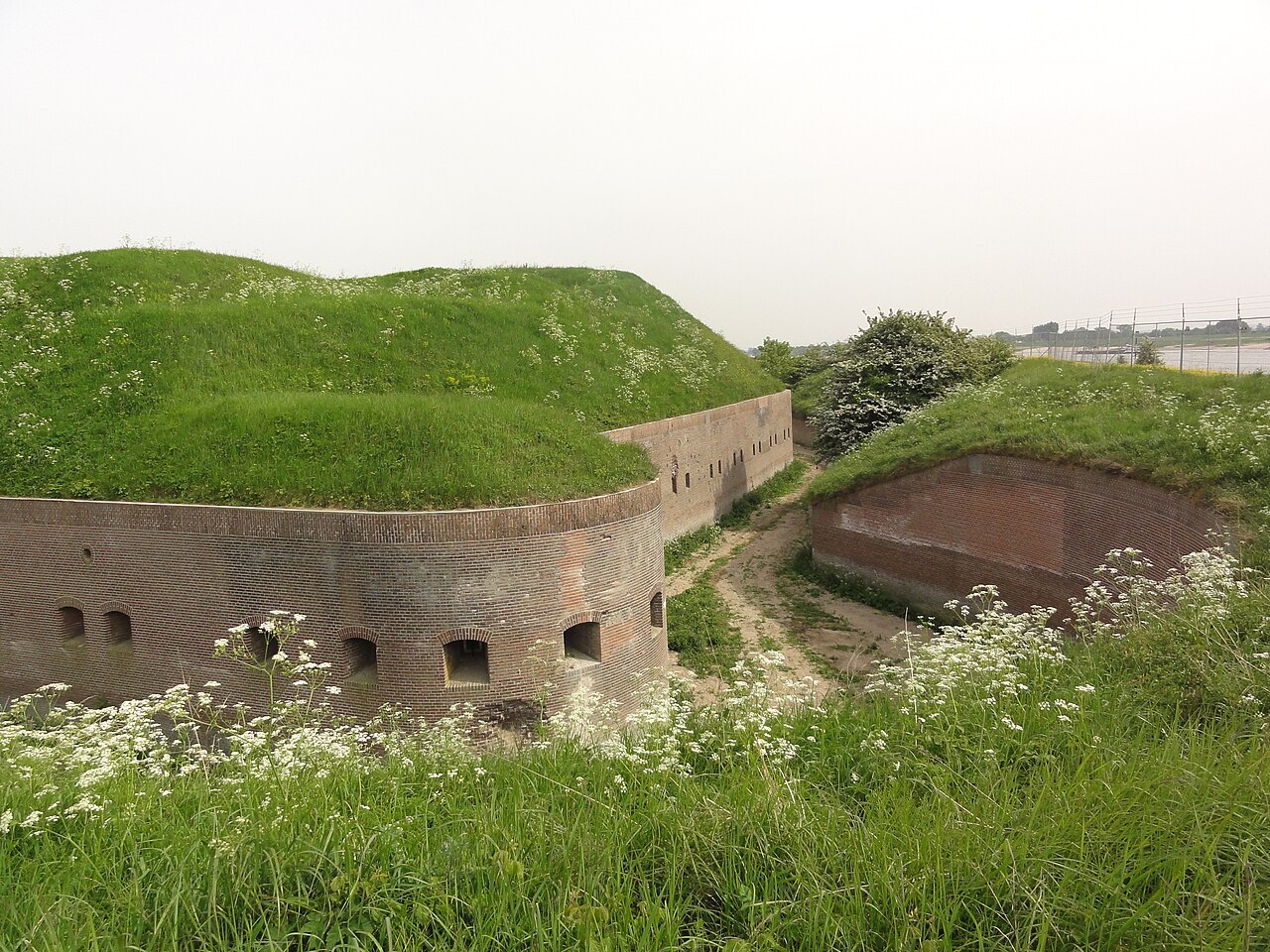
Today, Doornenburg Castle offers visitors a rare opportunity to explore a well-preserved medieval fortress with a unique walled bailey accessible freely to the public. Guided tours of the castle interior are available, although photography inside is restricted to protect the historic interiors. The castle's setting near the village and its proximity to the 19th century Fort Pannerden make it a notable destination for history enthusiasts and tourists alike.
The castle's combination of defensive architecture, residential quarters, chapel, and agricultural buildings provides a comprehensive insight into the multifunctional nature of medieval castles in the Netherlands. Its survival through centuries, wartime destruction, and careful restoration underscores its cultural importance as a heritage monument.
Frequently asked questions (FAQ)
- How do I get to Doornenburg Castle?
- Doornenburg Castle is located at Kerkstraat 27 in the Netherlands. You can reach it by car or public transport; the nearest train station is in Huissen, from which you can take a bus or taxi to the castle. There is also adequate parking available for visitors who choose to drive.
- What are the opening hours of Doornenburg Castle?
- The castle is typically open to visitors from 10 AM to 5 PM, but it’s advisable to check the official website for the most current hours, as they may vary seasonally or due to special events. Guided tours are available during these hours, offering insights into the castle's rich history.
- Can I buy tickets online for Doornenburg Castle?
- Yes, tickets for Doornenburg Castle can be purchased online through the official website. Buying tickets in advance is recommended, especially during peak tourist seasons, to ensure availability and to avoid long queues at the entrance.
- When was Doornenburg Castle built?
- Doornenburg Castle dates back to the 13th century, making it a significant historical site in the region. Its architecture reflects the medieval style, and it has been well-preserved, allowing visitors to experience its historical ambiance firsthand.
- Why is Doornenburg Castle historically significant?
- Doornenburg Castle is historically significant due to its role in the defense against invasions during the Middle Ages and its association with prominent noble families. The castle also provides valuable insight into the architectural evolution and feudal life in the Netherlands during that era.
- Is it possible to host events at Doornenburg Castle?
- Yes, Doornenburg Castle offers facilities for hosting various events, including weddings, corporate gatherings, and private parties. The picturesque surroundings and historical setting create a unique backdrop for any occasion, and interested parties should contact the castle's event management for more details.
- What nearby attractions can I visit while at Doornenburg Castle?
- While visiting Doornenburg Castle, you can explore the nearby towns of Huissen and Arnhem, both rich in history and culture. Additionally, the beautiful natural landscapes around the castle offer excellent opportunities for walking and cycling.
- What is the best time to visit Doornenburg Castle?
- The best time to visit Doornenburg Castle is during the spring and early autumn when the weather is mild and the gardens are in full bloom. Additionally, visiting during weekdays can help you avoid the crowds and enjoy a more leisurely experience.
- Is Doornenburg Castle accessible for visitors with disabilities?
- Yes, Doornenburg Castle is committed to accessibility and offers facilities for visitors with disabilities. However, some areas may have limitations due to the castle's historical structure, so it’s recommended to inquire ahead of your visit for specific accessibility information.
Photo gallery

Photo by Arch•Public domain
Information
Website
Visit websiteAddress
Kerkstraat 27, Netherlands
Sources & official resources
Verify the information above using these authoritative references.
Loading map...
Visitor reviews
No reviews yet. Been here? Write the first review and help other travelers!
Write the first reviewVisited this castle? Share your experience
Your review helps other travelers and adds first-hand knowledge to our encyclopedia.