Kingsborough Castle Banquet Center

Kingsborough Castle banquet center in Clinton Township, Michigan
Clinton Township, Michigan, United States of America
Contemporary (20th–21st c.)
Well Preserved

Kingsborough Castle Banquet Center in Clinton Township, Michigan, is a distinctive venue known for its striking castle-like architecture that evokes the grandeur of medieval fortresses. Located prominently on Gratiot Avenue, this banquet center is affectionately called "The Castle on Gratiot" and serves as a notable landmark in the region. While not a historical castle, its design incorporates authentic medieval architectural motifs that create an immersive atmosphere for a variety of events.

Medieval-inspired architectural design

The exterior of Kingsborough Castle is characterized by imposing stone towers, turrets, and battlement-style parapets that mimic the defensive features of a traditional medieval castle. The stonework facades and arched doorways contribute to the fortress-like appearance, while gothic-style windows and intricate decorative ironwork add to the historic aesthetic. These elements combine to create a visually impressive entrance that welcomes guests into a setting reminiscent of a castle courtyard.

Interior features and ambiance

Inside, the banquet halls are spacious and designed to accommodate weddings, corporate events, private parties, and other social gatherings. The interior decoration continues the castle theme with rich woodwork, elegant chandeliers, and medieval-inspired motifs that enhance the grandeur of the space. Modern amenities are seamlessly integrated to ensure comfort and convenience without detracting from the castle atmosphere.

Event hosting and entertainment

Kingsborough Castle Banquet Center is renowned for its versatility as an event venue. It hosts a wide range of functions including wedding receptions, corporate meetings, private celebrations, and themed events. The castle motif adds a unique and memorable backdrop, making occasions feel special and distinctive.

A signature entertainment feature at Kingsborough Castle is the "Dinner Detective" murder mystery evenings, where guests participate in interactive theatrical performances combined with dining. These events leverage the castle's ambiance to create an engaging and immersive experience.

Location and accessibility

Situated at 43785 North Gratiot Avenue, Clinton Township, MI 48036, Kingsborough Castle is conveniently accessible from Detroit and surrounding suburbs. The venue offers ample parking and is located on a major thoroughfare, facilitating easy arrival for guests from the metropolitan area.

Visitor information and bookings

As a private event space, Kingsborough Castle does not operate regular public visiting hours. Interested parties can contact the venue directly at (586) 913-1708 for inquiries about event bookings, planning services, and special programs. The castle-themed design and varied event offerings make it a popular choice for those seeking a unique and atmospheric venue in Michigan.

Frequently asked questions (FAQ)

What is the historical significance of Kingsborough Castle?
Kingsborough Castle, located in Clinton Township, is a remarkable example of early American architecture and reflects the rich history of the region. Built in the late 19th century, it served as a social and cultural hub, hosting numerous events and gatherings that shaped the community.
When was Kingsborough Castle constructed?
Kingsborough Castle was constructed in the 1880s and has since been preserved to showcase its unique architectural features. Its design incorporates elements of the Gothic revival style, making it a prominent landmark in the area.
Is Kingsborough Castle accessible to visitors with disabilities?
Yes, Kingsborough Castle is committed to providing an inclusive experience for all visitors. The facilities are equipped with ramps and accessible restrooms to ensure everyone can enjoy the beauty of the castle.
What are the opening hours for Kingsborough Castle?
Kingsborough Castle is open to the public from Wednesday to Sunday, with hours varying by season. It is recommended to check the official website for the most current opening times before planning your visit.
Can I host an event at Kingsborough Castle?
Absolutely! Kingsborough Castle Banquet Center offers a stunning venue for weddings, corporate events, and private parties. Interested parties should contact the event management team for availability and to discuss catering options.
What is the best time to visit Kingsborough Castle?
The best time to visit Kingsborough Castle is during the spring and fall when the weather is mild and the surrounding gardens are in full bloom. These seasons also offer a variety of special events and guided tours.
Are there any nearby attractions to Kingsborough Castle?
Yes, visitors to Kingsborough Castle can explore several nearby attractions, including local parks, historic sites, and museums. The area is rich in cultural offerings, making it a delightful destination for history enthusiasts.
How much are the ticket prices for Kingsborough Castle?
Ticket prices for Kingsborough Castle vary depending on the type of tour and events offered. General admission tickets are reasonably priced, and discounts may be available for seniors and children.

Information

Palace Castle

Address

43785 North Gratiot Avenue, Clinton Township, MI 48036

Loading map...

Visitor reviews

No reviews yet. Been here? Write the first review and help other travelers!

Write the first review

Visited this castle? Share your experience

Your review helps other travelers and adds first-hand knowledge to our encyclopedia.
Write a review

(5/5)

0/2000 characters

Your review will be visible after admin approval

Nearby castles

35.3 km
Fort Detroit — United States of America castle

Fort Detroit

Detroit, United States of America

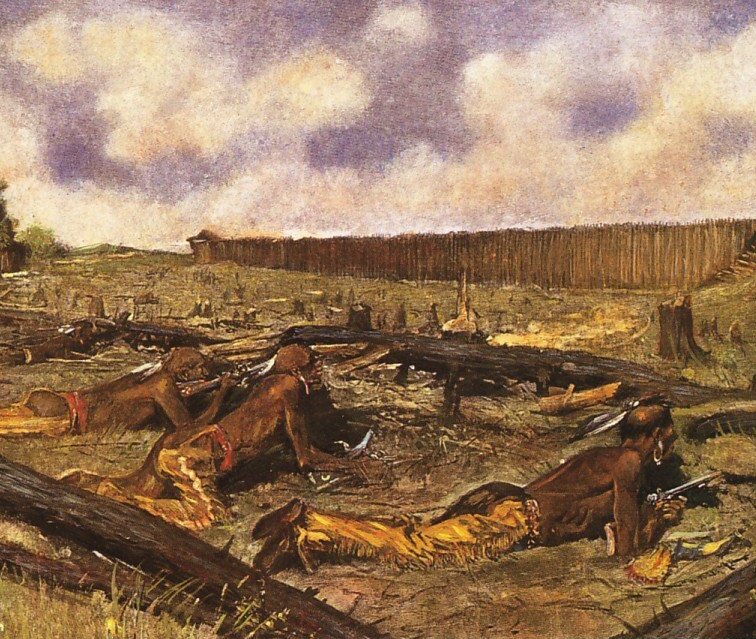
Fort Pontchartrain du Détroit, commonly known as Fort Detroit, was a significant French and later British fortification established in 1701 on the north side of the Detroit River by Antoine Laumet de Lamothe Cadillac. It played a crucial role in the colonial history of the Great Lakes region and was foundational in the development of what is now downtown Detroit, Michigan. The fort's location was strategically chosen northeast of the intersection of Washington Boulevard and West Jefferson Avenue, serving as a hub for fur trade, farming, and missionary activities. Founding and early development The fort was constructed during the post-renaissance period in the early 18th century as part of France's efforts to consolidate its presence in North America. Fort Pontchartrain du Détroit was initially intended as a trading post and military outpost to secure French interests against British expansion and to facilitate alliances with Indigenous peoples. The settlement that grew around the fort was a mix of French settlers, traders, missionaries, and Native American allies, contributing to a diverse cultural landscape. Military engagements and conflicts Fox wars and early attacks The fort was attacked by the Meskwaki during the Fox Wars, a series of conflicts between the French and the Fox tribe over control of the fur trade routes. These hostilities underscored the fort's importance as a military and trading stronghold. King george's war and indigenous resistance During King George's War, an English-aligned Wyandot force planned an attack on the fort, which was ultimately aborted. This event highlighted the ongoing tensions between European powers and their Indigenous allies in the region. French and indian war and british takeover The French and Indian War (1754–1763), part of the larger Seven Years' War, culminated in the surrender of Fort Pontchartrain du Détroit to the British on November 29, 1760, following the fall of Montreal. The British takeover marked a significant shift in control over the Great Lakes region. Pontiac's war and siege of 1763 In 1763, the fort was besieged by Indigenous forces during Pontiac's War, a widespread Native American uprising against British postwar policies. The siege was a critical moment demonstrating Indigenous resistance to British expansion and control. British control and transition to american sovereignty After the British assumed control, they maintained the fort throughout the American Revolutionary War. However, in 1779, the British replaced the original French fort with the newly constructed Fort Lernoult, which offered improved defensive capabilities. Despite the Treaty of Paris in 1783 ceding the territory on the Michigan side of the Detroit River to the United States, the British retained control of the fort until 1796, when it was finally transferred to American authorities following the Jay Treaty. Architectural and archaeological significance Fort Pontchartrain du Détroit was originally a wooden palisade fortification typical of early 18th-century French military architecture in North America. It featured palisade walls, blockhouses, and a central courtyard. Over time, the fort's structures evolved to meet changing military needs, but the original French fort was eventually supplanted by British constructions. Today, the site is classified as archaeological ruins located within the modern urban fabric of Detroit. Excavations have revealed foundations and artifacts that provide insight into colonial military architecture and daily life at the fort. The remains contribute to understanding the complex interactions between European powers and Indigenous peoples during the colonial era. Cultural legacy and historical importance The legacy of Fort Detroit extends beyond its military function. It was a focal point for trade, diplomacy, and cultural exchange among French settlers, British forces, and various Indigenous nations. The fort's history reflects broader themes of colonial competition, Indigenous resistance, and the formation of early American frontier society. As a historic site, it offers valuable perspectives on the colonial history of the United States and Canada, particularly in the Great Lakes region. The fort's story is integral to the heritage of Detroit and remains a subject of interest for historians, archaeologists, and visitors alike.

Post-Renaissance (17th–18th c.)
Details
37 km

Castle Farms

Charlevoix, United States of America

Castle Farms in Charlevoix, Michigan is a unique historic site and event venue that captures the charm and grandeur of a French chateau nestled in the heart of Northern Michigan. Originally constructed in the early 20th century, this impressive estate features stone architecture with multiple towers, archways, and beautifully manicured gardens centered around a large ornamental fountain. The property’s design evokes the elegance and romanticism of European castle architecture, making it a favored location for weddings, family outings, and cultural events. Historical background and architectural inspiration Castle Farms was built in 1918 by Albert Loeb, a Chicago businessman, as a private estate and a showcase for his prize-winning draft horses. The architecture was inspired by medieval European castles, particularly those found in France, which is reflected in the castle’s stone masonry, towers, and arched gateways. The estate was designed to function both as a working farm and an ornamental castle, blending agricultural utility with aesthetic appeal. The castle’s layout includes a courtyard surrounded by stone walls and turrets, providing a fortress-like ambiance while maintaining an inviting atmosphere. The use of limestone and other durable materials ensures the structure’s longevity and historical authenticity. Gardens and outdoor attractions The extensive gardens at Castle Farms are a major draw for visitors. They are meticulously maintained and feature a variety of plant species, flower beds, and walking paths that encourage exploration and relaxation. The centerpiece of the gardens is the large fountain, which serves as a focal point for photographs and gatherings. One of the unique attractions at Castle Farms is Michigan’s largest outdoor model railroad, which delights visitors of all ages. This expansive model railroad is integrated into the landscape, adding an interactive and educational element to the historic site. Modern use and cultural significance Today, Castle Farms operates primarily as a wedding venue and event space, hosting numerous ceremonies, receptions, and community events throughout the year. Its combination of historic charm and modern amenities makes it a sought-after location for special occasions. Additionally, Castle Farms serves as a cultural attraction, drawing tourists interested in historic architecture, landscape design, and heritage preservation. The site offers guided tours that provide insights into the castle’s history, architectural details, and the story of its founder. Visitor information and amenities Located at 5052 M 66 North, Charlevoix, MI, Castle Farms is accessible to the public for tours and private events. Visitors can enjoy the scenic grounds, explore the gardens, and learn about the estate’s history. The venue also offers facilities for weddings and corporate events, complete with catering and event planning services. For more information, visitors can contact Castle Farms via email at [email protected] or by phone at (231) 237-0884. The official website www.castlefarms.com provides details on event bookings, visiting hours, and special programs. Architectural features and design elements The castle’s design includes notable turrets and stone archways that create a visually striking silhouette against the Michigan landscape. The courtyard is paved with stone and serves as a central gathering space, surrounded by the castle’s various wings and towers. Inside, the castle features spacious halls that reflect the grandeur of early 20th-century design, with attention to craftsmanship and detail. While the interior is primarily used for events today, it retains elements that hint at the estate’s original purpose as a showcase for agricultural excellence.

Post-Renaissance (17th–18th c.)
Details
40.1 km
Fort Wayne, Detroit — United States of America castle

Fort Wayne, Detroit

Detroit, United States of America

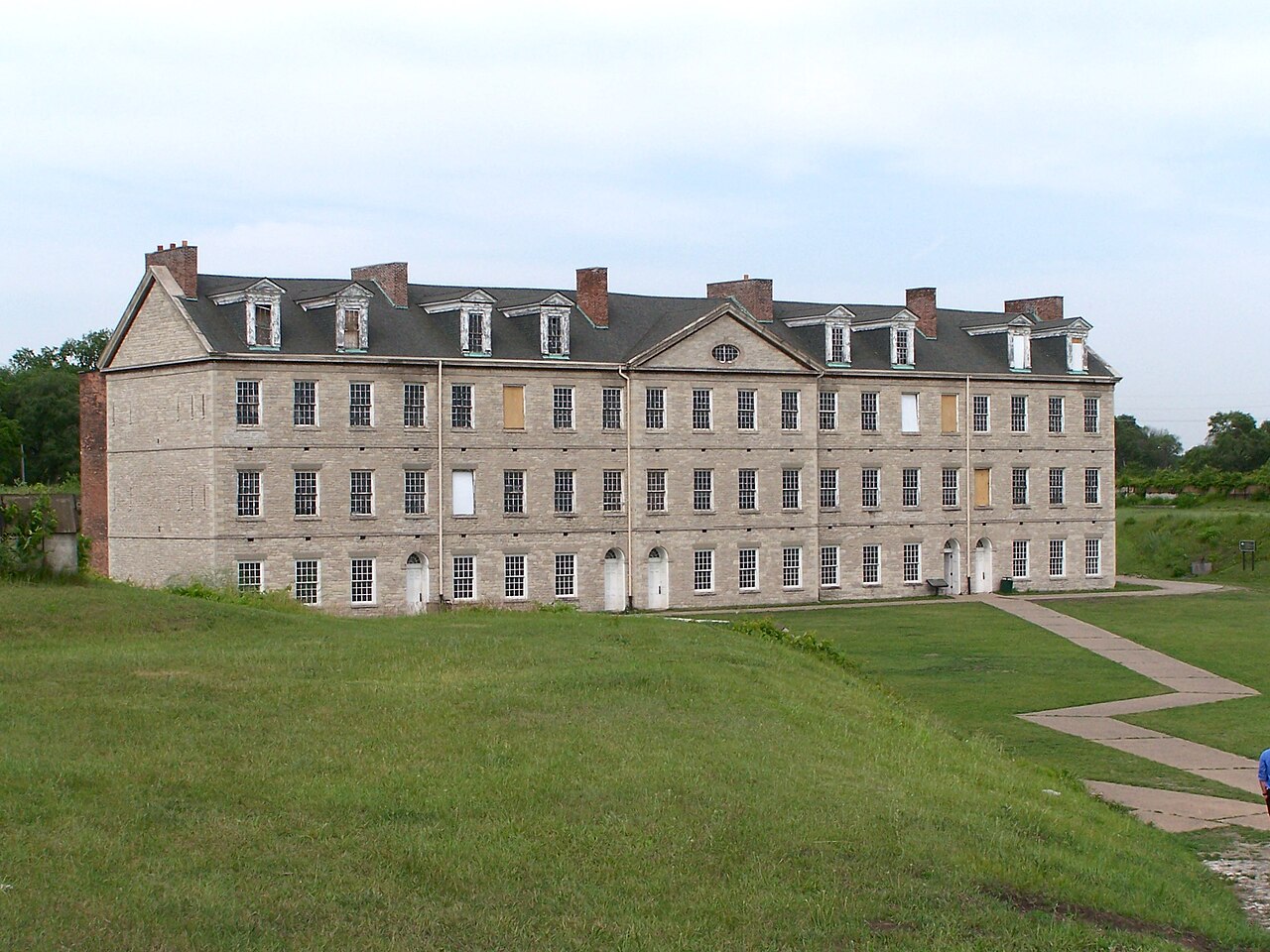
Fort Wayne is a significant 19th-century bastioned fortress located in the Delray neighborhood of Detroit, Michigan, positioned strategically on the Detroit River near the Ontario shore. This historic military installation occupies a site where the river is less than half a mile wide, highlighting its importance in controlling access and defending the waterway during periods of military tension in the 19th and early 20th centuries. Historical context and construction The construction of Fort Wayne began in the mid-19th century, with the original fortification dating back to 1845. It was built primarily from limestone, a durable material that ensured the longevity of its defensive structures. The fort was part of a broader network of coastal and river defenses established by the United States to protect key waterways and urban centers. Its design reflects the military engineering principles of the time, emphasizing strong bastions and thick walls to withstand artillery attacks. In 1863, the fort underwent significant renovations, including the addition of a brick exterior facing. This upgrade was likely a response to advances in artillery technology and the evolving needs of military defense during the American Civil War era. The renovations helped to reinforce the fort's defensive capabilities and extend its operational relevance. Architectural features and layout The core of Fort Wayne consists of the original limestone barracks constructed in 1848, which remain standing today alongside later brick additions. These barracks were designed to house soldiers stationed at the fort and include living quarters, mess halls, and storage facilities. The fort's layout also includes a series of bastions, which are projecting parts of the fortification designed to allow defensive fire in multiple directions, eliminating blind spots and enhancing protection. Beyond the main fort structure, the grounds contain several auxiliary buildings that supported the fort's operations. These include officers' quarters, a recreation building, a theater, a commissary, a guard house, a garage, and stables. These structures illustrate the self-sufficient nature of the fort as a military community, providing facilities for daily life and entertainment for its occupants. Some buildings once present on the site, such as a large warehouse and the post fire station, were demolished in 1976, while the two-story hospital was removed in 2007. Despite these losses, much of the fort's historic fabric remains intact, offering valuable insight into 19th-century military architecture and life. Size and current use Originally, Fort Wayne encompassed approximately 96 acres (39 hectares). Since the 1970s, about 83 acres (34 hectares) of the site, including the original fort and several buildings, have been managed by the city of Detroit. This area is preserved as a historic site and serves as a public park and cultural venue, hosting various events and educational programs that highlight the fort's history and significance. The remaining portion of the original fort grounds is operated by the U.S. Army Corps of Engineers as a boatyard, continuing the site's longstanding connection to river and maritime activities. Heritage designations and preservation Fort Wayne has been recognized for its historical and architectural importance through several official designations. It was named a Michigan State Historic Site in 1958, acknowledging its significance within the state's heritage. In 1971, it was listed on the National Register of Historic Places, a federal program that protects sites of national historical value. More recently, in 2016, Fort Wayne was designated as a City of Detroit Historic Neighborhood District, further affirming its role as a cultural landmark within the urban fabric of Detroit. These designations have helped to secure funding and support for the preservation and adaptive reuse of the fort's structures. Architectural style and military significance Fort Wayne exemplifies the characteristics of a bastioned fortress, a style that emerged in response to the development of gunpowder artillery. Its design incorporates angled bastions that allowed defenders to cover all approaches with overlapping fields of fire, a critical feature for fortifications constructed during the 19th century. The use of limestone and later brick materials reflects both the availability of local resources and the evolving military engineering practices aimed at improving durability and resistance to bombardment. The fort's location on the Detroit River was strategically chosen to protect the waterway and the city from potential naval threats. Visiting Fort Wayne today Today, Fort Wayne is accessible to the public and serves as a historic park and cultural site. Visitors can explore the preserved barracks, walk along the fort's walls, and view the various auxiliary buildings that remain. The site hosts educational tours, reenactments, and community events that provide insight into its military past and architectural significance. The fort's proximity to the Detroit River offers scenic views and opportunities for recreational activities. Its preservation as a historic site allows visitors to connect with an important chapter of American military history and appreciate the architectural ingenuity of 19th-century fortifications.

Modern (19th–20th c.)
Details