Fort Detroit
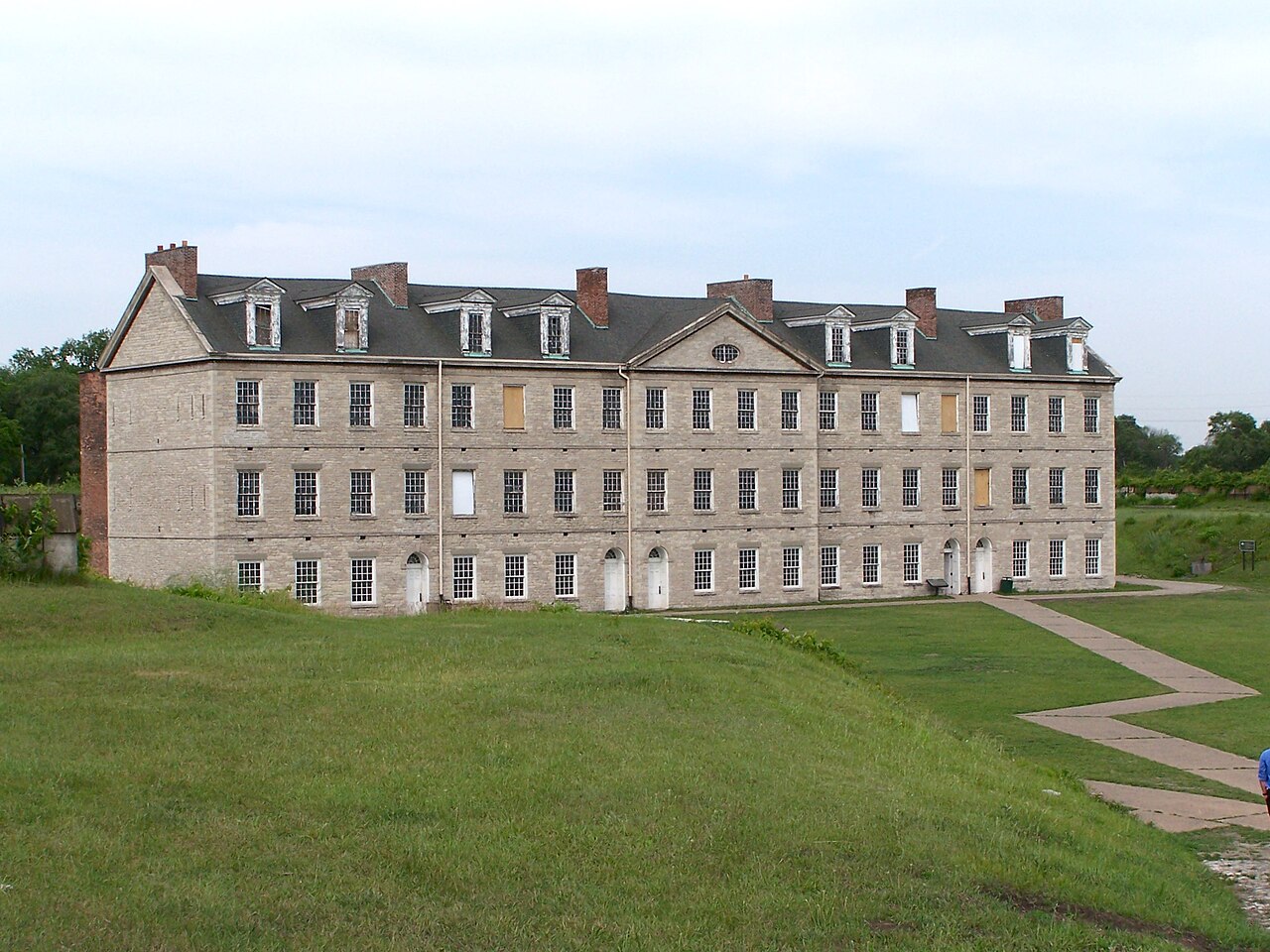
Fort Pontchartrain du Détroit, commonly known as Fort Detroit, was a significant French and later British fortification established in 1701 on the north side of the Detroit River by Antoine Laumet de Lamothe Cadillac. It played a crucial role in the colonial history of the Great Lakes region and was foundational in the development of what is now downtown Detroit, Michigan. The fort's location was strategically chosen northeast of the intersection of Washington Boulevard and West Jefferson Avenue, serving as a hub for fur trade, farming, and missionary activities.
Founding and early development
The fort was constructed during the post-renaissance period in the early 18th century as part of France's efforts to consolidate its presence in North America. Fort Pontchartrain du Détroit was initially intended as a trading post and military outpost to secure French interests against British expansion and to facilitate alliances with Indigenous peoples. The settlement that grew around the fort was a mix of French settlers, traders, missionaries, and Native American allies, contributing to a diverse cultural landscape.
Military engagements and conflicts
Fox wars and early attacks
The fort was attacked by the Meskwaki during the Fox Wars, a series of conflicts between the French and the Fox tribe over control of the fur trade routes. These hostilities underscored the fort's importance as a military and trading stronghold.
King george's war and indigenous resistance
During King George's War, an English-aligned Wyandot force planned an attack on the fort, which was ultimately aborted. This event highlighted the ongoing tensions between European powers and their Indigenous allies in the region.
French and indian war and british takeover
The French and Indian War (1754–1763), part of the larger Seven Years' War, culminated in the surrender of Fort Pontchartrain du Détroit to the British on November 29, 1760, following the fall of Montreal. The British takeover marked a significant shift in control over the Great Lakes region.
Pontiac's war and siege of 1763
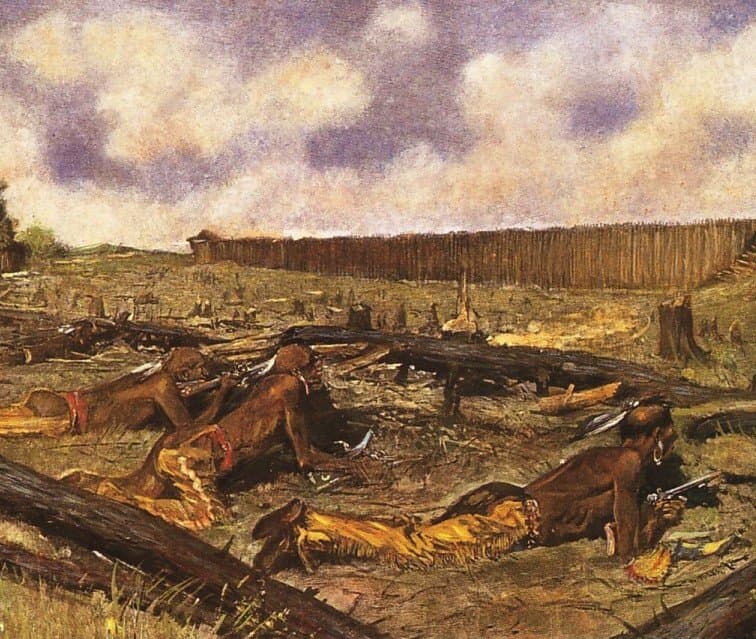
In 1763, the fort was besieged by Indigenous forces during Pontiac's War, a widespread Native American uprising against British postwar policies. The siege was a critical moment demonstrating Indigenous resistance to British expansion and control.
British control and transition to american sovereignty
After the British assumed control, they maintained the fort throughout the American Revolutionary War. However, in 1779, the British replaced the original French fort with the newly constructed Fort Lernoult, which offered improved defensive capabilities. Despite the Treaty of Paris in 1783 ceding the territory on the Michigan side of the Detroit River to the United States, the British retained control of the fort until 1796, when it was finally transferred to American authorities following the Jay Treaty.
Architectural and archaeological significance
Fort Pontchartrain du Détroit was originally a wooden palisade fortification typical of early 18th-century French military architecture in North America. It featured palisade walls, blockhouses, and a central courtyard. Over time, the fort's structures evolved to meet changing military needs, but the original French fort was eventually supplanted by British constructions.
Today, the site is classified as archaeological ruins located within the modern urban fabric of Detroit. Excavations have revealed foundations and artifacts that provide insight into colonial military architecture and daily life at the fort. The remains contribute to understanding the complex interactions between European powers and Indigenous peoples during the colonial era.
Cultural legacy and historical importance
The legacy of Fort Detroit extends beyond its military function. It was a focal point for trade, diplomacy, and cultural exchange among French settlers, British forces, and various Indigenous nations. The fort's history reflects broader themes of colonial competition, Indigenous resistance, and the formation of early American frontier society.
As a historic site, it offers valuable perspectives on the colonial history of the United States and Canada, particularly in the Great Lakes region. The fort's story is integral to the heritage of Detroit and remains a subject of interest for historians, archaeologists, and visitors alike.
Frequently asked questions (FAQ)
- What is the historical significance of Fort Detroit?
- Fort Detroit is one of the oldest military forts in North America, established in 1701 by the French. It played a crucial role in various conflicts, including the French and Indian War and the War of 1812, making it a key site in the history of Detroit and the Great Lakes region.
- When was Fort Detroit built?
- Fort Detroit was originally constructed in 1701 and underwent several modifications over the years. The fortification was strategically placed to control the fur trade and protect the French settlers in the area.
- What are the opening hours for Fort Detroit?
- Fort Detroit is typically open to visitors from 9 AM to 5 PM, Tuesday through Sunday. However, hours may vary seasonally or due to special events, so it’s advisable to check the official website before your visit.
- Can I access Fort Detroit for free?
- Admission to Fort Detroit usually requires a ticket, with prices varying based on age and group discounts. Special events may also offer free entry, so keep an eye on the events calendar for opportunities.
- Is Fort Detroit accessible for visitors with disabilities?
- Yes, Fort Detroit is committed to providing accessibility for all visitors. The site includes ramps and designated pathways to ensure that everyone can enjoy the historical and cultural offerings of the fort.
- What is the best time to visit Fort Detroit?
- The best time to visit Fort Detroit is during the spring and fall when the weather is mild and pleasant for outdoor activities. Additionally, many historical reenactments and events take place during these seasons, enhancing the visitor experience.
- What nearby attractions can I explore after visiting Fort Detroit?
- After exploring Fort Detroit, visitors can check out the Detroit Riverwalk, the Detroit Historical Museum, and the Motown Museum. These attractions offer a deeper insight into the rich cultural heritage of Detroit.
- How do I get to Fort Detroit from downtown Detroit?
- Fort Detroit is conveniently located just a short drive from downtown Detroit, approximately 10 minutes away. Public transportation options are also available, including buses and ride-sharing services for easy access.
Photo gallery

Photo by Frederic Remington•Public domain
Information
Address
Northeast of Washington Boulevard and West Jefferson Avenue, Detroit, MI, USA
Loading map...
Visitor reviews
No reviews yet. Been here? Write the first review and help other travelers!
Write the first reviewVisited this castle? Share your experience
Your review helps other travelers and adds first-hand knowledge to our encyclopedia.