Kindlestown Castle
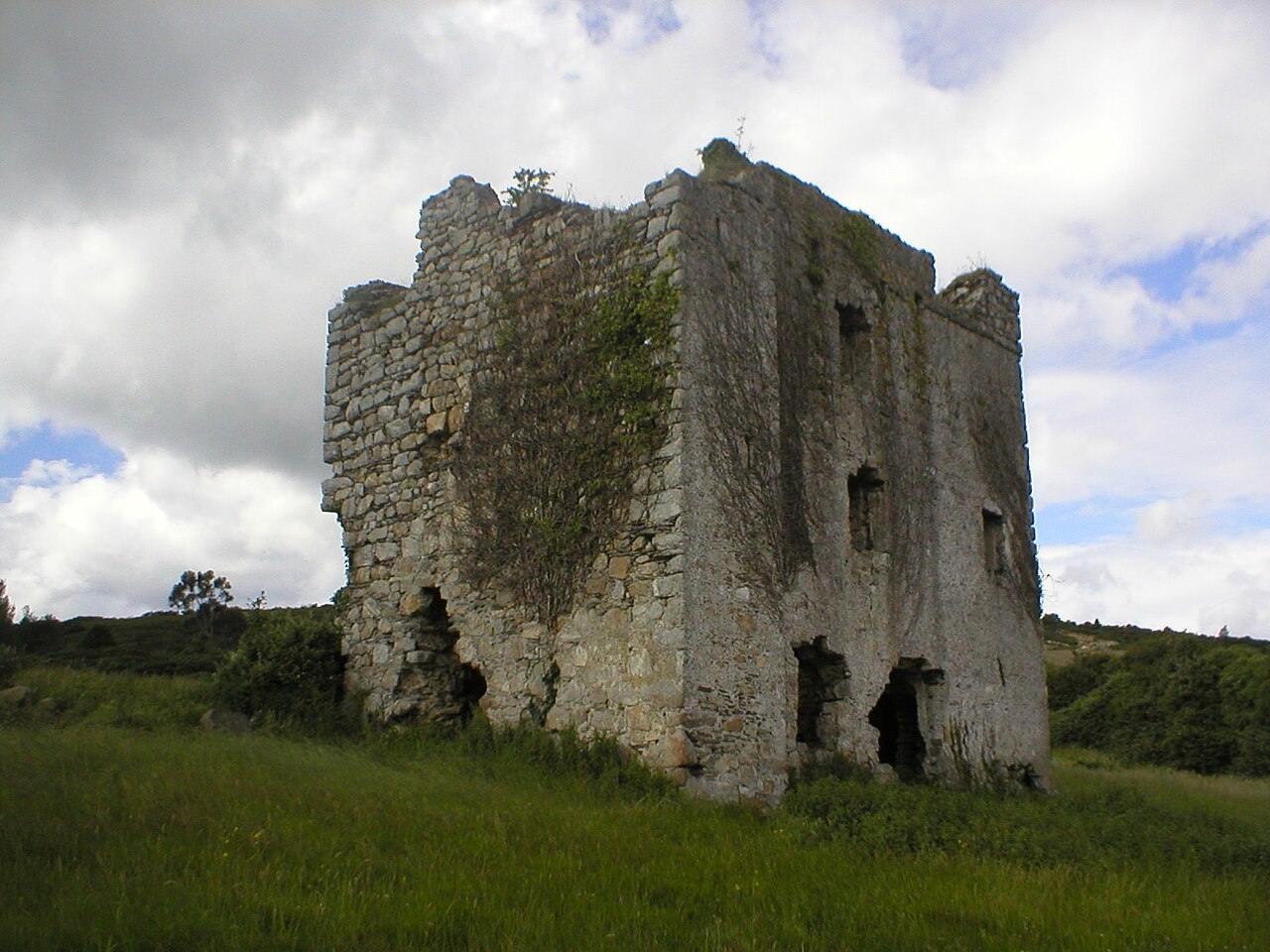
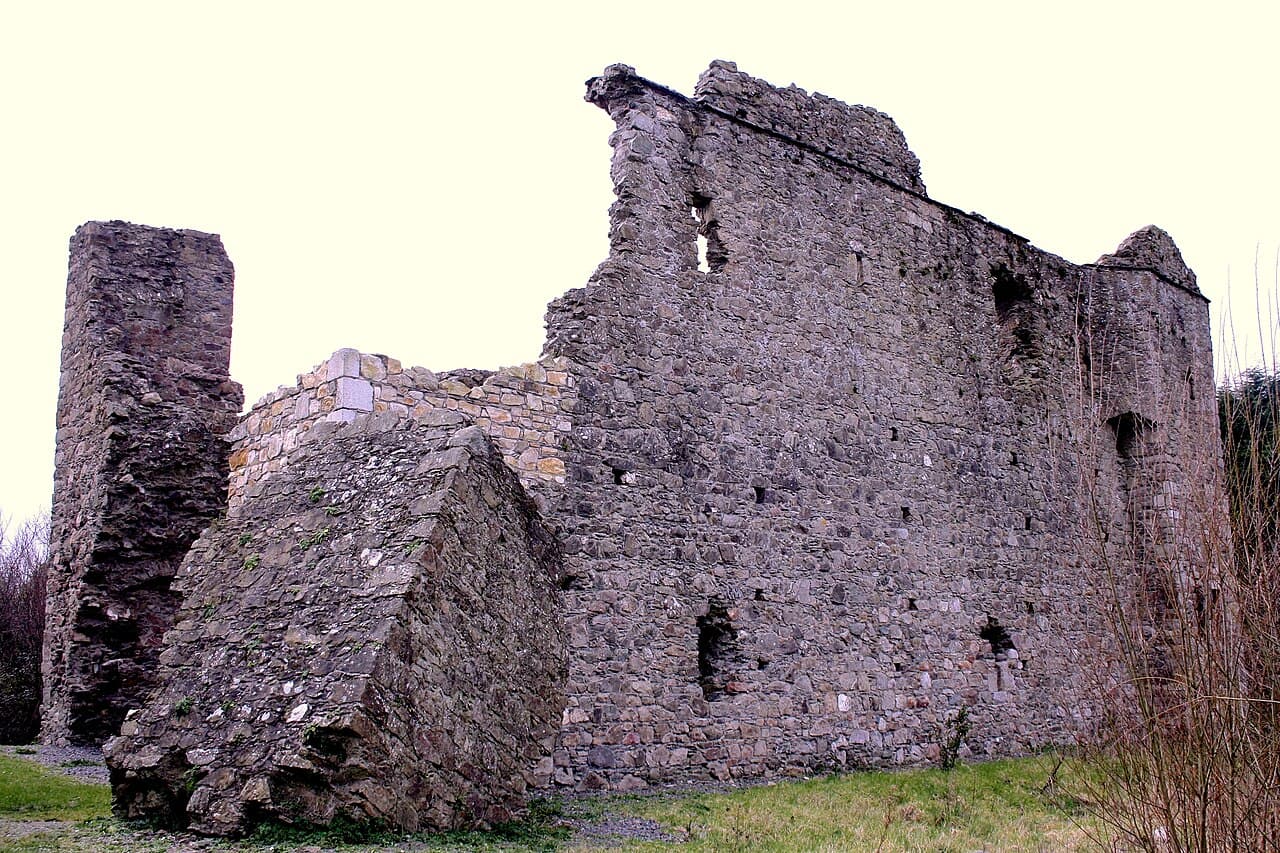
Kindlestown Castle is a notable example of a hall house-style castle dating from the 13th century, located in Delgany, County Wicklow, Ireland. As a ruined medieval structure designated a National Monument, it offers insight into the domestic architecture and defensive features typical of the High Medieval period in Ireland.
Historical background and context
The castle was constructed during the High Medieval era, a time when Norman influence was expanding in Ireland following the initial invasions of the late 12th century. Kindlestown Castle was built as a fortified residence, combining both defensive and domestic functions. Its location in Delgany, near the Irish Sea coast and close to the Wicklow Mountains, was strategically chosen for oversight of the surrounding lands and control of local routes.
Throughout its history, Kindlestown Castle would have served as a local stronghold for a Norman lord or prominent family, reflecting the feudal system imposed by the Anglo-Normans. The castle's hall house design was typical for the period, emphasizing a large central hall used for living and administrative purposes, flanked by ancillary chambers.
Architectural features and layout
Hall house design
The defining characteristic of Kindlestown Castle is its hall house structure. This architectural form centers on a large rectangular hall, which formed the main living and social space. The hall was typically heated by a central hearth or fireplace, with high ceilings and possibly a gallery or upper floor for private chambers.
Defensive elements
While primarily residential, Kindlestown Castle incorporated defensive features common to the period. Thick stone walls provided protection against attack, and narrow windows or arrow slits allowed defenders to observe and repel assailants. The castle's elevated position added a natural defensive advantage.
Construction materials and techniques
The castle was built using locally sourced stone, laid in rough courses typical of 13th-century masonry in Ireland. The surviving ruins show evidence of lime mortar bonding and some dressed stonework around openings such as doorways and windows.
Current condition and preservation
Kindlestown Castle today survives as ruined masonry walls, with much of the original structure lost to time and weathering. The site is protected as a National Monument, highlighting its cultural and historical importance. Archaeological studies have helped to document the layout and construction details, although the castle is not intact enough to allow full restoration.
Visitors to the site can observe the remains of the hall and some defensive walls, gaining a sense of the castle's scale and design. The ruins provide a tangible connection to Ireland's medieval past and the Norman presence in the region.
Significance in Irish medieval architecture
Kindlestown Castle is an important example of a medieval hall house in Ireland, illustrating the transition from purely military fortifications to residences that combined comfort with defense. Its preservation as a ruin allows study of construction techniques and social history from the High Medieval period.
The castle contributes to understanding the Norman colonization of Ireland and the architectural adaptations made to local conditions. It stands alongside other Irish castles of the era as a representative of feudal lordship and medieval domestic life.
Visiting information and accessibility
While Kindlestown Castle is a protected historical site, it is accessible to the public for viewing. There are no formal visitor facilities or guided tours on site, so visitors should plan accordingly. The castle's location in Delgany makes it a worthwhile stop for those exploring County Wicklow's rich heritage and scenic landscapes.
Frequently asked questions (FAQ)
- How do I get to Kindlestown Castle?
- Kindlestown Castle is located in Delgany, Ireland, and can be accessed by car or public transport. The nearest train station is in Greystones, from where you can take a short bus or taxi ride to the castle.
- What is the historical significance of Kindlestown Castle?
- Kindlestown Castle dates back to the 12th century and is a prime example of medieval architecture in Ireland. It played a crucial role in the region's history, serving as a defensive stronghold during various conflicts.
- When was Kindlestown Castle built?
- The construction of Kindlestown Castle began in the 12th century, making it one of the oldest surviving castles in the area. Its architecture reflects the design styles prevalent during that era.
- Can I visit Kindlestown Castle?
- Yes, Kindlestown Castle is open to the public. Visitors can explore the ruins and enjoy the scenic views of the surrounding landscape, making it a great spot for history enthusiasts and nature lovers alike.
- Why is Kindlestown Castle an important architectural site?
- Kindlestown Castle showcases unique features typical of medieval fortifications, including thick stone walls and a strategic layout. Its preservation allows visitors to appreciate the craftsmanship and historical context of the period.
- Is it possible to access Kindlestown Castle with a mobility aid?
- While Kindlestown Castle is partially accessible, the uneven terrain and steps may pose challenges for those with mobility aids. Visitors are encouraged to check the accessibility options in advance to ensure a comfortable visit.
- What are the opening hours for Kindlestown Castle?
- Kindlestown Castle is generally open to visitors from dawn until dusk. However, it is advisable to check specific seasonal hours or any special events that might affect access.
- What is the best time to visit Kindlestown Castle?
- The best time to visit Kindlestown Castle is during the spring and early autumn when the weather is mild and the surrounding gardens are in full bloom. This allows for a more enjoyable experience exploring the grounds.
- Are there any nearby attractions to visit after Kindlestown Castle?
- Yes, nearby attractions include the picturesque village of Delgany, the scenic Greystones beach, and the beautiful trails of the Wicklow Mountains. These locations offer a perfect complement to a day spent at the castle.
- What are the ticket prices for visiting Kindlestown Castle?
- Entry to Kindlestown Castle is free, making it an accessible destination for all visitors. Donations to help with maintenance and preservation are appreciated but not required.
Photo gallery

Information
Loading map...
Visitor reviews
No reviews yet. Been here? Write the first review and help other travelers!
Write the first reviewVisited this castle? Share your experience
Your review helps other travelers and adds first-hand knowledge to our encyclopedia.