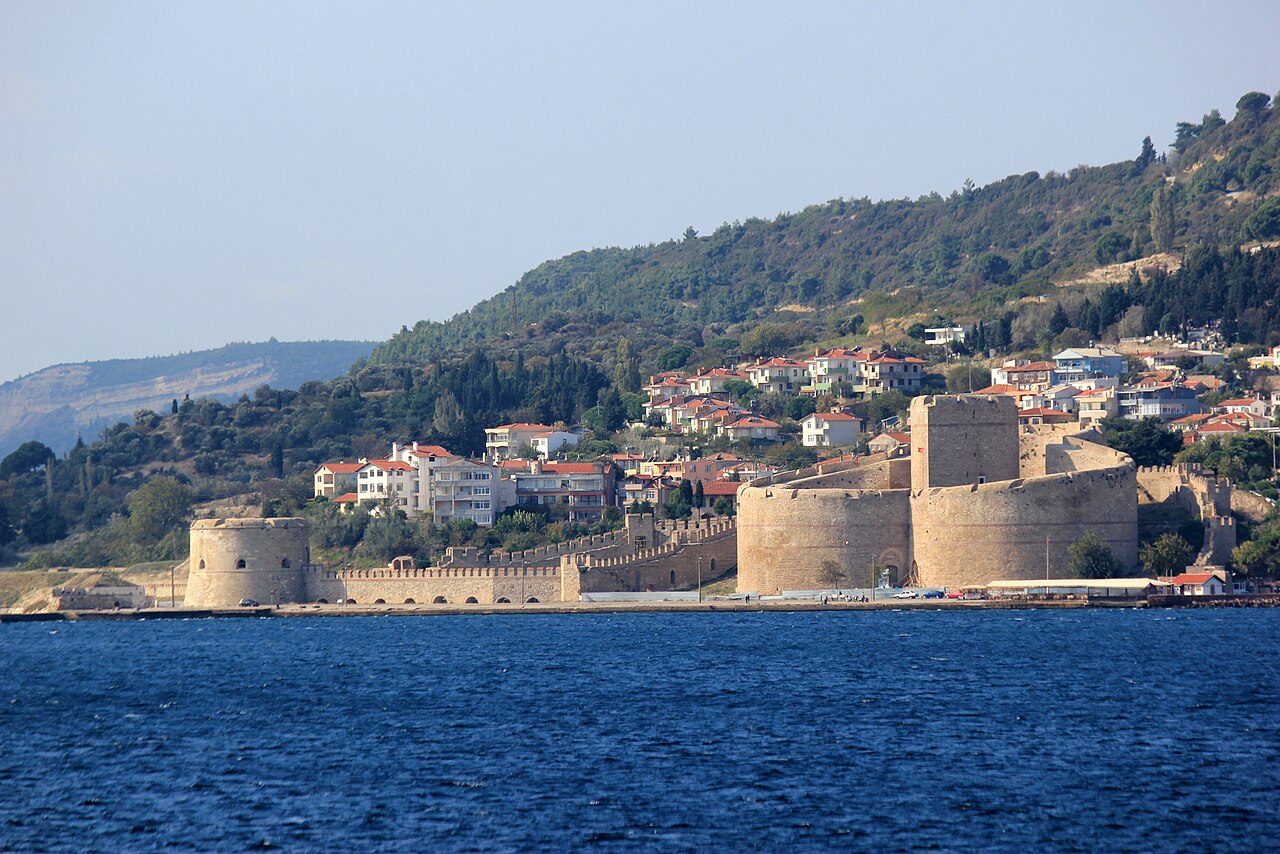
Kilye Castle
Kilye Castle, locally known as Kilye Kalesi, is a ruined medieval fortress located on the northern shore near the town of Eceabat in the Çanakkale province of Turkey. Positioned strategically on the coast of the Dardanelles Strait, the castle overlooks Kilye Bay, one of the best natural harbors in the region, naturally shielded from the strong winds of the strait.
Historical background and strategic importance
The origins of Kilye Castle are not well documented, and historical records about its construction or detailed history are scarce. However, architectural evidence and surviving ruins indicate that the castle was built during the Byzantine period, most likely in the early 11th century under the reign of Emperor Alexios I Komnenos. This period was marked by frequent maritime raids on the shores of the Dardanelles by seafaring powers such as the Genoese, Pisans, and Lombards. The castle was constructed primarily to defend the harbor and surrounding coastline against these incursions.
Kilye Castle’s location was of great tactical value. It guarded the entrance to the natural harbor of Kilye Bay, providing protection for vessels seeking refuge from the harsh winds of the Dardanelles. Additionally, the castle controlled a key land route between Eceabat and Gelibolu (Gallipoli), which was an important passage in the region. This suggests that the fortress served not only as a coastal defense point but also as a checkpoint or a fortified post along the inland route.
Architectural features and current remains
The surviving remains of Kilye Castle are limited but provide insight into its original structure. The most prominent feature still visible is a round tower situated right on the water’s edge. This tower would have served as a lookout and defensive stronghold against naval threats. From this tower, a defensive curtain wall extends upward toward the slope of Kakmadağ hill behind it, indicating the castle’s integration with the natural landscape to maximize its defensive capabilities.
The castle’s walls are now largely ruined, with only small sections remaining visible, particularly near the modern highway that has replaced the old route from Eceabat to Gelibolu. Much of the original fortification wall has been lost or lies beneath this roadway and surrounding vegetation. The limited remains suggest the castle was relatively compact, designed to serve as a coastal fortress rather than a large garrisoned stronghold.
Byzantine and Ottoman influences
Although the castle’s origins are Byzantine, there are traces of Ottoman construction work visible in the ruins. Despite this, Ottoman historical sources do not mention Kilye Castle explicitly, which may indicate that it lost strategic importance or was only maintained in a limited capacity during Ottoman rule. The blend of Byzantine and Ottoman masonry techniques in the ruins reflects the layered history of the region and the continuity of defensive architecture over several centuries.
Visiting Kilye Castle today
Kilye Castle is currently accessible to visitors without restrictions, though it is not developed as a major tourist site. The ruins are modest and can be explored freely, but the site offers limited facilities or interpretative information. Its appeal lies mainly in its historical context and coastal setting rather than extensive architectural grandeur.
Visitors interested in the military history of the Dardanelles region and Byzantine coastal defenses will find Kilye Castle a point of interest, especially when combined with nearby historical sites such as the Gallipoli peninsula. The castle’s location on the shore provides scenic views of the strait and the surrounding landscape.
Frequently asked questions (FAQ)
- What is the historical significance of Kilye Castle?
- Kilye Castle, located on the Edirne Çanakkale highway, is a remarkable example of medieval fortification in Turkey. It served as a strategic military stronghold during various historical periods, reflecting the region's rich cultural heritage and its importance in controlling trade routes.
- When was Kilye Castle built?
- Kilye Castle was constructed in the late 14th century, during the time of the Byzantine Empire. Its architecture showcases the transition between Byzantine and Ottoman styles, making it a fascinating site for history enthusiasts.
- Is it possible to visit Kilye Castle year-round?
- Yes, Kilye Castle is open to visitors throughout the year. However, it is advisable to check for any seasonal changes in opening hours or special events that may affect access.
- What are the opening hours for Kilye Castle?
- Kilye Castle typically opens at 9 AM and closes at 6 PM. During peak tourist seasons, hours may extend, so it’s best to verify the current schedule before planning your visit.
- Can I access Kilye Castle by public transportation?
- Yes, Kilye Castle is accessible by public transportation, though it may require a short walk from the nearest bus stop. Local buses frequently connect to the region, making it convenient for visitors without personal vehicles.
- What is the best time to visit Kilye Castle?
- The best time to visit Kilye Castle is during the spring and fall months when the weather is mild and pleasant. This allows visitors to explore the castle grounds comfortably and enjoy the stunning views without the summer heat.
- Are there any nearby attractions to Kilye Castle?
- Yes, nearby attractions include the historic town of Edirne and several other ancient ruins. Visitors can also explore local museums and traditional markets, enhancing their experience in the area.
- What are the ticket prices for Kilye Castle?
- Ticket prices for Kilye Castle are generally affordable, with discounts available for students and seniors. It’s recommended to check the official website or local tourist information for the latest pricing details.
Loading map...
Visitor reviews
No reviews yet. Been here? Write the first review and help other travelers!
Write the first reviewVisited this castle? Share your experience
Your review helps other travelers and adds first-hand knowledge to our encyclopedia.