Kilcolgan Castle
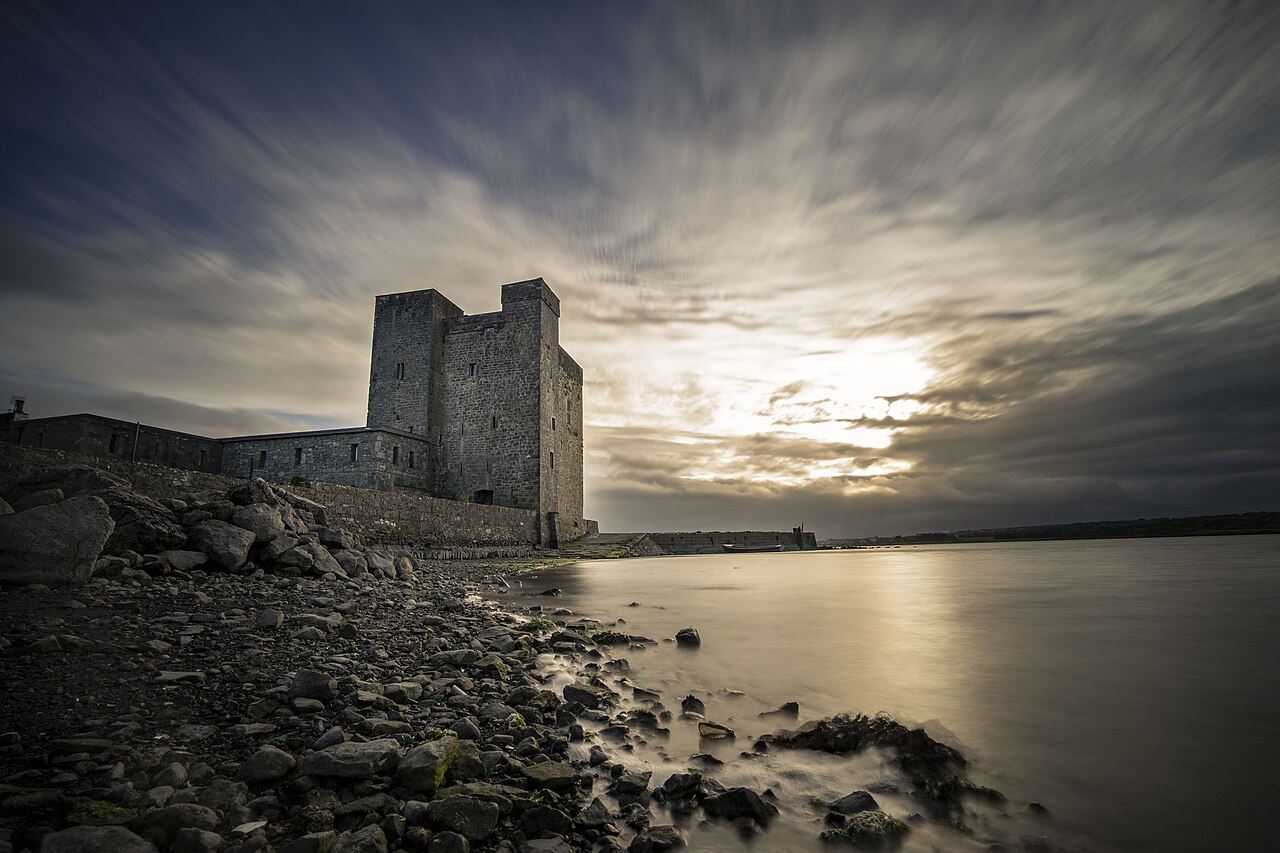
Kilcolgan Castle stands as a remarkable example of neo-Gothic architecture set against the rich historical backdrop of County Galway, Ireland. This castle uniquely blends its early medieval origins with 19th-century romantic revival styles, reflecting centuries of architectural evolution and local history. The castle is built on the site of an original 11th-century stronghold established by Irish clans, which laid the foundation for the present structure.
The site’s initial fortress was a typical medieval stronghold, constructed to assert control and provide defense for the surrounding lands. Over the centuries, this strategic location witnessed the passage of different ruling families and architectural influences. The original tower, parts of which survive within the current building, was integral to the defensive needs of the region during the early medieval period.
The st george family and 19th-century transformation
In 1801, Christopher St George, a prominent member of a Norman-Irish noble family, commissioned the construction of the present-day Kilcolgan Castle as a country residence. The St George family had a significant presence in the region, and Christopher’s lineage reflected the complex history of Norman influence in Ireland. His earlier work included commissioning Tyrone House in 1779, designed by the noted architect John Roberts, indicating the family’s taste for refined architecture.
The new castle was built directly on the medieval site, integrating the remains of the original 11th-century tower into its structure. This fusion of old and new created a residence that honored its historical roots while embracing the romantic ideals of the neo-Gothic style popular in the early 19th century. The castle remained in the St George family estate for generations, symbolizing their enduring legacy in the area.
Architectural features and design elements
Neo-gothic style and medieval inspiration
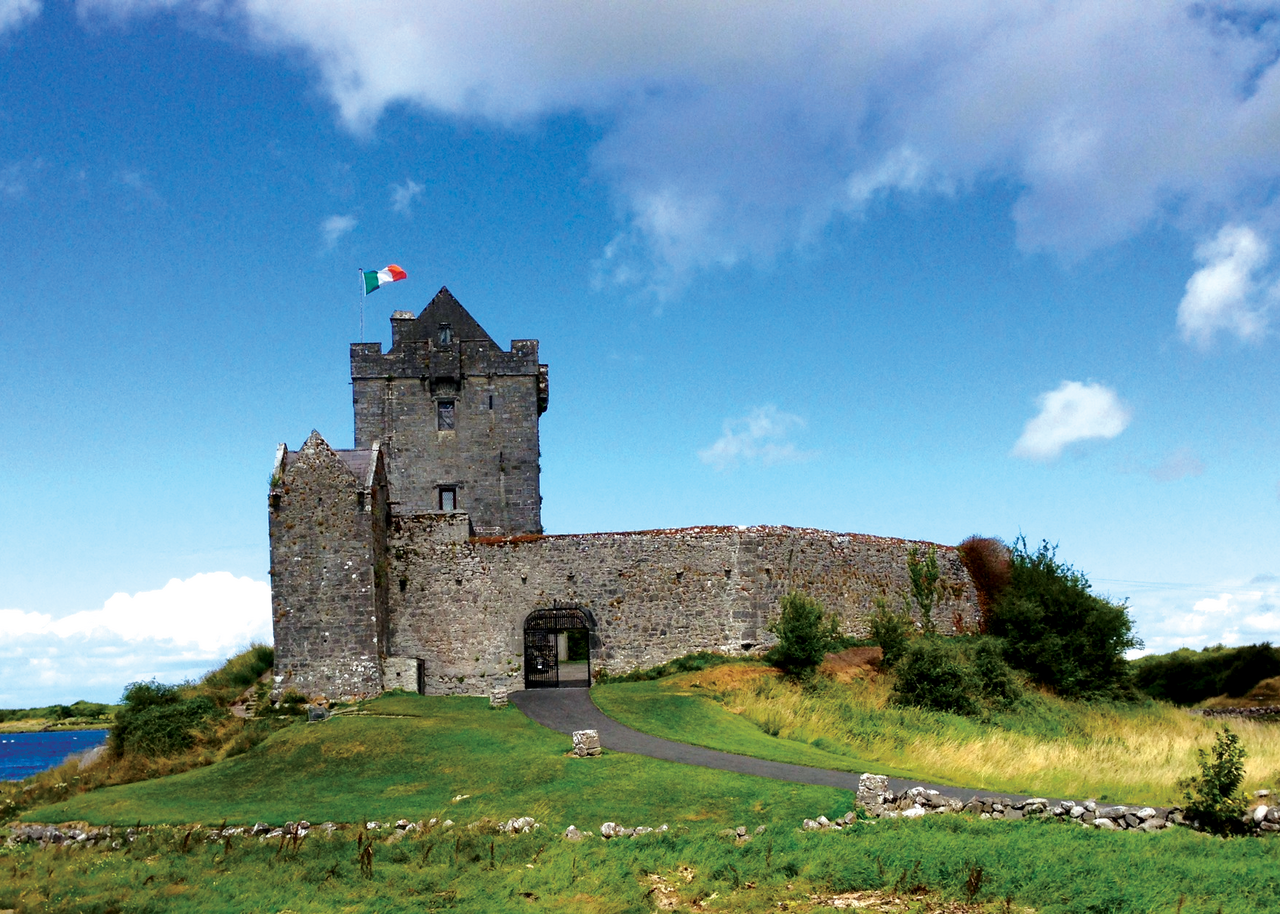
Kilcolgan Castle is distinguished by its neo-Gothic architectural style, characterized by pointed arches, crenellated battlements, and ornamental stonework. The castle’s most striking feature is its three-story tower, which consists of two main compartments and is capped with a distinctive pyramidal roof shaped like a spire. This vertical emphasis echoes medieval tower designs, creating a visual link to the site’s ancient origins.
Materials and decorative details
The castle’s construction primarily utilizes slate and limestone, materials traditionally favored in Irish building for their durability and aesthetic qualities. The use of cast iron in certain structural elements reflects the integration of industrial materials available during the castle’s 19th-century construction period.
The limestone surfaces are richly decorated with carved reliefs and embossed horizontal bands, adding texture and artistic detail to the solid walls. Architectural features such as square pilasters and buttresses enhance both the structural integrity and the visual complexity of the castle. Windows with sharply pointed Gothic arches, especially prominent on the front and eastern towers, are connected by intricately carved stonework, showcasing skilled craftsmanship.
Additional architectural elements
Elements of Tudor-style arches are incorporated into the design, reflecting a nod to later medieval architectural traditions. The castle’s entrance is marked by richly ornamented gates, emphasizing its grandeur and status as a country residence rather than a purely defensive fortress.
The battlements along the roofline feature crenellations and pointed openings, typical of neo-Gothic design and medieval defensive architecture. These features, preserved through restoration, contribute to the castle’s imposing silhouette and historic character.
Restoration and preservation efforts
In recent decades, Kilcolgan Castle has undergone restoration efforts led by W. N. Gustavson von Hillerstam and his daughter Karren, who sought to preserve the castle’s architectural heritage and maintain its structural condition. These efforts have been crucial in retaining the neo-Gothic features and the medieval elements embedded within the castle’s fabric.
The restoration work ensures that Kilcolgan Castle remains a significant cultural and historical landmark in County Galway, offering visitors a glimpse into Ireland’s layered architectural history and the legacy of the Norman-Irish aristocracy.
Historical significance and cultural heritage
Kilcolgan Castle embodies the complex history of Ireland, from its early medieval clan-based society through the Norman invasion and into the romantic revival of the 19th century. Its architectural evolution tells a story of adaptation and continuity, blending defensive medieval features with the aesthetic aspirations of the neo-Gothic movement.
Today, the castle stands not only as a private residence but also as a monument to the historical narratives of County Galway and the broader Irish context. Its preservation contributes to the cultural heritage of the region and serves as a valuable resource for understanding Ireland’s architectural and social history.
Frequently asked questions (FAQ)
- How do I get to Kilcolgan Castle?
- Kilcolgan Castle is located in the picturesque village of Kilcolgan in County Galway, Ireland. You can reach the castle by car, with ample parking available on-site. Public transport options include local buses that connect to nearby towns.
- What is the historical significance of Kilcolgan Castle?
- Kilcolgan Castle dates back to the 15th century and is notable for its role in the region's feudal history. It was originally built as a stronghold for the local O'Heyne family and has witnessed numerous historical events, making it an important landmark in Irish heritage.
- When was Kilcolgan Castle built?
- Kilcolgan Castle was constructed in the 1400s, showcasing medieval architectural styles. Its design reflects the defensive needs of the time, with thick stone walls and a strategic location overlooking the surrounding landscape.
- Can I take a guided tour of Kilcolgan Castle?
- Yes, guided tours of Kilcolgan Castle are available, allowing visitors to learn about its rich history and architectural features. Tours typically run during the peak season and can be booked in advance through the castle's official website.
- Why is the architecture of Kilcolgan Castle unique?
- The architecture of Kilcolgan Castle is unique due to its combination of medieval defensive structures and later renovations that reflect changing architectural styles. Its well-preserved features, such as arrow slits and a central keep, offer insight into the building techniques of its time.
- Is it possible to host events at Kilcolgan Castle?
- Yes, Kilcolgan Castle offers facilities for hosting private events and weddings. The scenic surroundings and historical ambiance make it a popular choice for special gatherings.
- What are the opening hours of Kilcolgan Castle?
- Kilcolgan Castle is typically open to visitors from April to October, with varying hours depending on the season. It is advisable to check the official website for the most current opening hours before planning your visit.
- What is the best time to visit Kilcolgan Castle?
- The best time to visit Kilcolgan Castle is during the late spring and summer months when the weather is mild, and the gardens are in full bloom. Additionally, this is when most tours and events are scheduled, providing a vibrant atmosphere for visitors.
- Are there any ticket prices to enter Kilcolgan Castle?
- Yes, there is an admission fee to enter Kilcolgan Castle, which helps maintain the site. Ticket prices vary for adults, children, and family groups, with discounts available for pre-booked tours.
- What nearby attractions can I visit while at Kilcolgan Castle?
- While visiting Kilcolgan Castle, you can explore several nearby attractions, including the scenic Burren National Park and the charming village of Kinvara. Additionally, the stunning Cliffs of Moher are a short drive away, making it easy to combine your visit with other local highlights.
Information
Loading map...
Visitor reviews
No reviews yet. Been here? Write the first review and help other travelers!
Write the first reviewVisited this castle? Share your experience
Your review helps other travelers and adds first-hand knowledge to our encyclopedia.