Ki Castle (Kinojo Castle Ruins)
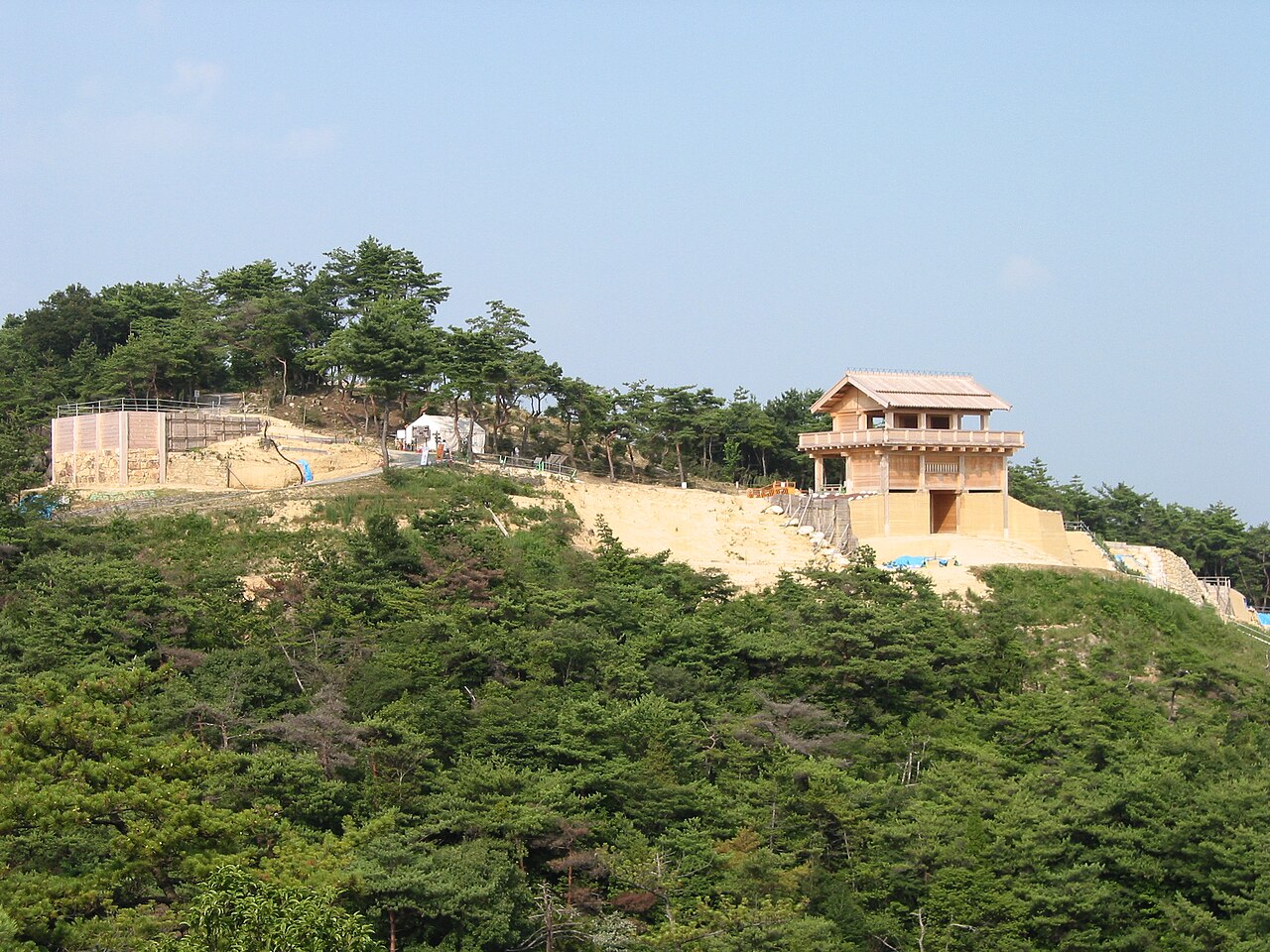
Ki Castle, also known as Kinojo Castle, stands as a remarkable example of early Japanese fortifications from the 7th to 8th centuries. Located in Soja, Okayama Prefecture, this hill castle was strategically built by the Yamato dynasty following their defeat by the combined forces of Tang China and Silla. Its primary purpose was to defend the Japanese mainland against potential invasions, reflecting the heightened military concerns of the period.
The name "Ki Castle" is often translated as "Demon Castle" due to the kanji character 鬼 (ki) meaning demon or ogre in modern Japanese. However, historical and linguistic research suggests that the name likely derives from a Baekje word for 'castle', indicating cultural influences from the Korean Peninsula rather than supernatural origins. This etymology underscores the castle's role as a military installation rather than a mythical site.
Historical context and construction
Ki Castle was constructed during a time of significant political and military upheaval in East Asia. The Yamato court sought to strengthen its defenses after suffering a major defeat, leading to the establishment of several fortifications along Japan's southern coast and inland strategic points. Ki Castle's location on a mountainside provided a natural vantage point for surveillance and defense.
The castle's walls extend approximately 1.7 miles (about 2.7 kilometers), enclosing a large area fortified with bastioned defensive structures characteristic of early Japanese military architecture. Unlike many contemporaneous fortifications that remained incomplete, Ki Castle was fully realized, showcasing sophisticated planning and construction techniques of the early medieval period.
Architectural features and defensive systems
Walls and bastions
The castle is surrounded by extensive stone and earth walls that incorporate bastions—projecting parts of the fortification designed to provide overlapping fields of fire against attackers. These bastions represent an advanced understanding of defensive architecture for the time, allowing defenders to cover blind spots and strengthen the castle's perimeter.
Towers and gates
Within the walls, archaeological evidence indicates the presence of watchtowers strategically placed to monitor approaching threats. The castle gates were likely fortified with robust wooden and stone elements to resist siege attempts. The positioning of these gates and towers reflects careful military engineering aimed at maximizing defensive capabilities.
Internal structures and facilities
Excavations have uncovered remains of various internal buildings including smithies for metalworking, which were essential for maintaining weapons and tools. Other facilities would have supported the garrison stationed at the castle, including storage areas and living quarters. The presence of iron tools and weapons among the artifacts attests to the castle’s active military function.
Archaeological significance and findings
Ki Castle is a valuable archaeological site that provides insight into Japan's early medieval fortifications. The discovery of pottery, iron tools, and weapons helps historians understand the daily life and military readiness of the castle's occupants. These artifacts also illustrate the technological capabilities and cultural exchanges between Japan and neighboring regions during this era.
The site’s preservation as ruins allows researchers to study the layout and construction methods of ancient Japanese castles, which differ significantly from the later stone castles of the feudal period. Ki Castle’s bastioned walls and strategic design mark it as a unique example of early defensive architecture in Japan.
Legend and cultural heritage
Local folklore has long associated Ki Castle with the legend of Onra (Ura), a demon said to have dwelled within its walls. While this myth adds a layer of cultural intrigue, it is important to distinguish between legend and historical fact. The castle’s name and strategic importance are rooted in historical realities rather than supernatural tales.
Today, Ki Castle is recognized as an important cultural heritage site in Okayama Prefecture. It attracts historians, archaeologists, and visitors interested in Japan’s ancient military architecture and the complex history of East Asian relations during the early medieval period.
Visiting Ki Castle ruins
The ruins of Ki Castle offer a fascinating glimpse into Japan’s early defensive strategies. Visitors can explore the extensive remains of the walls and imagine the scale of the fortress as it once stood. Interpretive signage and guided tours help contextualize the site’s historical importance and architectural features.
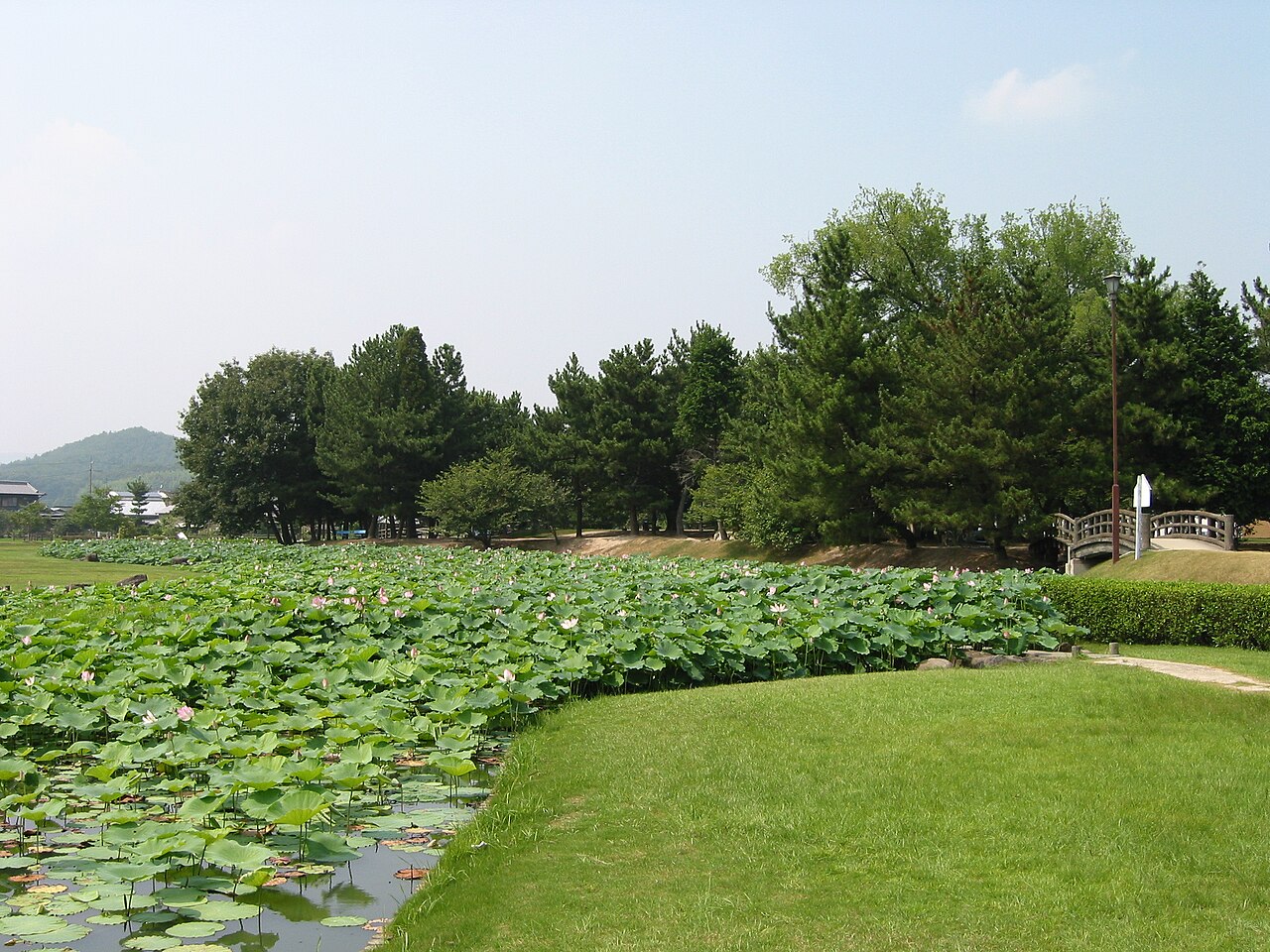
Despite its ruined state, the castle’s layout is still discernible, providing a tangible connection to Japan’s past. The surrounding natural landscape enhances the experience, offering panoramic views that were once crucial for the castle’s defensive role.
Accessibility and visitor information
Ki Castle is accessible from the city of Soja and is a popular destination for those interested in Japanese history and archaeology. Visitors should check local resources for opening hours and any seasonal considerations. The site is suitable for hiking and outdoor exploration, with trails leading to the castle ruins.
Frequently asked questions (FAQ)
- How do I get to Ki Castle?
- Ki Castle, located in Soja, Japan, can be accessed via public transportation. The nearest train station is Soja Station, from which you can take a taxi or enjoy a scenic walk to the castle ruins.
- What is the historical significance of Ki Castle?
- Ki Castle, also known as Kinojo, dates back to the late 16th century and played a crucial role during the feudal period in Japan. It served as a strategic military site, reflecting the power struggles of the time and the craftsmanship of Japanese castle architecture.
- When was Ki Castle constructed?
- Ki Castle was built in the late 1500s by the Tsushima clan during the Sengoku period. It was utilized until the early Edo period, showcasing the evolution of Japanese fortifications and defensive strategies.
- Can I explore the castle grounds?
- Yes, visitors are welcome to explore the ruins of Ki Castle. While much of the original structure is no longer standing, the site offers beautiful views and walking paths that provide insight into the castle's historical significance.
- Why is Ki Castle a popular destination for tourists?
- Ki Castle attracts visitors due to its rich history, stunning views of the surrounding landscape, and the remnants of its unique architecture. The site is also a peaceful spot for hiking and enjoying the natural beauty of the area.
- Is it possible to visit Ki Castle year-round?
- Yes, Ki Castle is open to visitors throughout the year. However, it is advisable to check local weather conditions and any seasonal events that may affect accessibility.
- What are the opening hours for Ki Castle?
- Ki Castle is generally open from dawn until dusk, allowing visitors ample time to explore the ruins. It's best to arrive early to fully appreciate the site's tranquil atmosphere and historical context.
- Are there any ticket prices for visiting Ki Castle?
- There is no admission fee to visit Ki Castle, making it an accessible destination for everyone. However, donations are appreciated to help maintain the site and its surrounding areas.
- What is the best time to visit Ki Castle?
- The best time to visit Ki Castle is during the spring and autumn months when the weather is mild and the scenery is particularly beautiful. Cherry blossoms in spring and vibrant autumn foliage enhance the castle's picturesque setting.
- What nearby attractions can I visit after Ki Castle?
- After visiting Ki Castle, you can explore the nearby Soja City Museum, which offers insights into the local history and culture. Additionally, the scenic Seto Inland Sea is a short drive away, featuring breathtaking views and recreational activities.
Information
Loading map...
Visitor reviews
No reviews yet. Been here? Write the first review and help other travelers!
Write the first reviewVisited this castle? Share your experience
Your review helps other travelers and adds first-hand knowledge to our encyclopedia.