Shafiabad Castle — Iran castle

Shafiabad Castle

Shafiabad castle in Kerman province, Iran
Post-Renaissance (17th–18th c.)

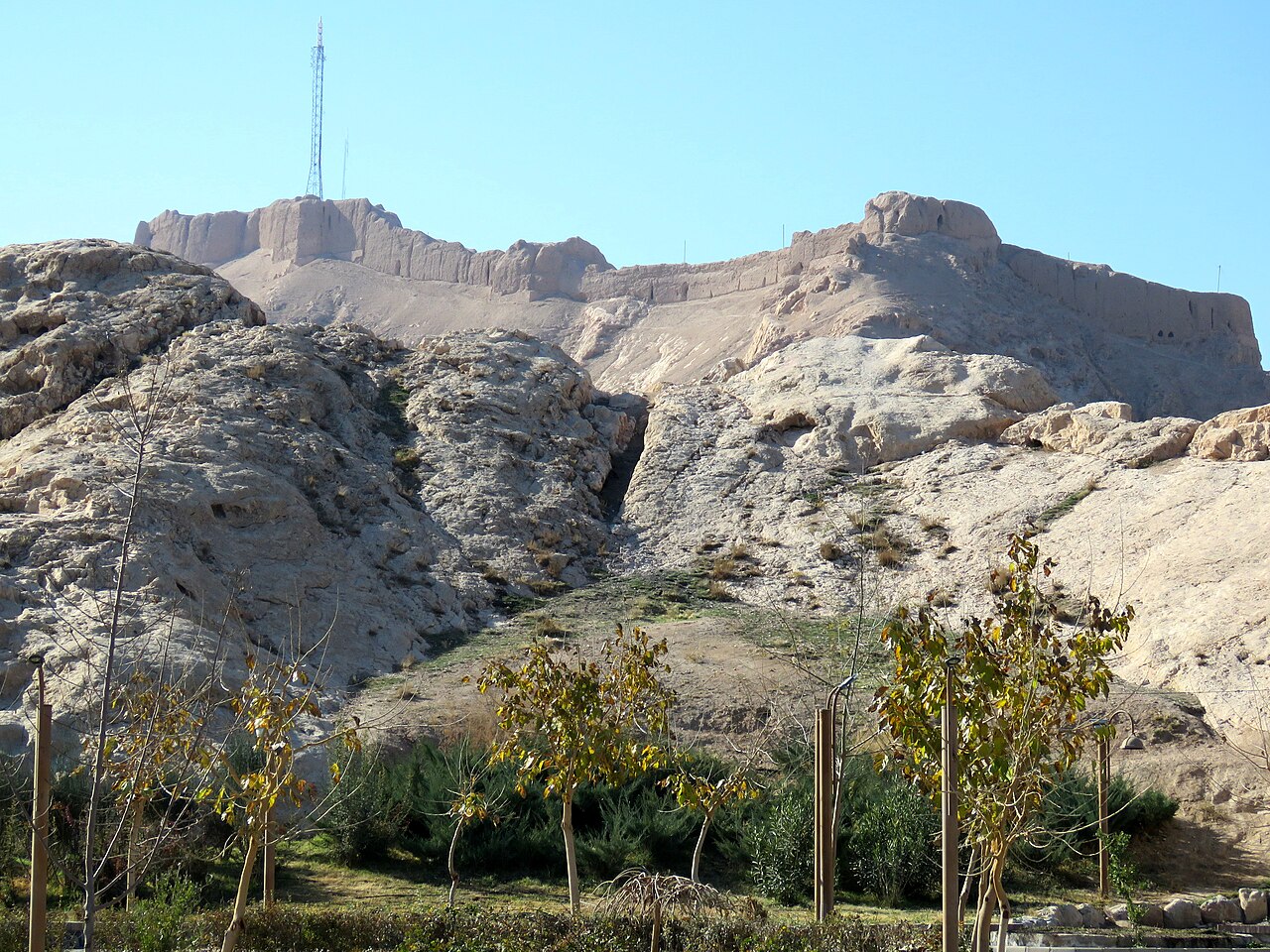
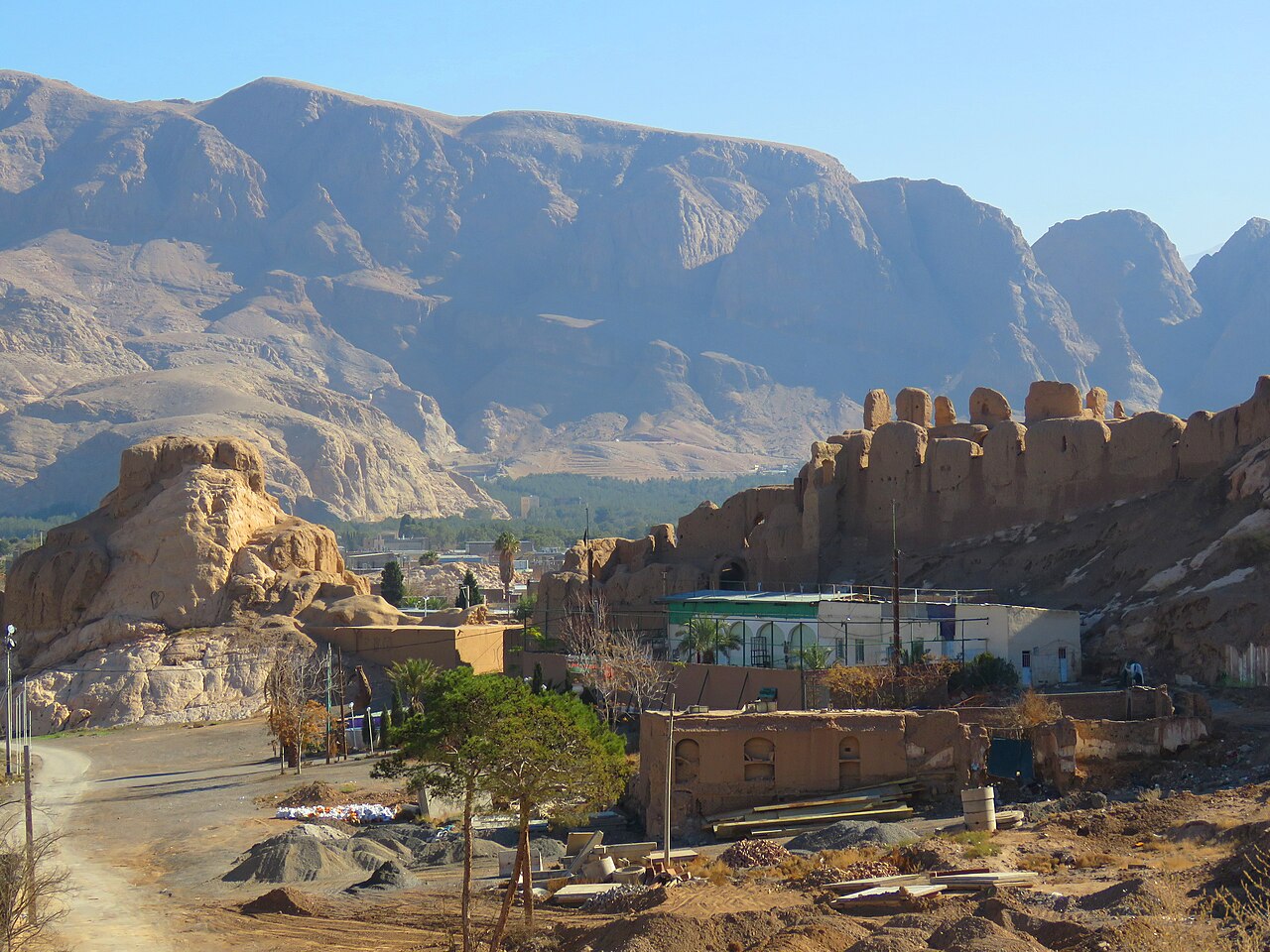
Shafiabad castle (Persian: قلعه شفیع‌آباد) is a historic hill castle situated in Shafiabad, within the Kerman province of Iran. This fortress dates back to the Qajar era, a period spanning from the late 18th century to the early 20th century, known for its distinctive architectural style and political significance in Iranian history.

Historical context and significance

The Qajar dynasty, which ruled Iran from 1789 to 1925, was a time of both internal challenges and external pressures. Castles such as Shafiabad castle were constructed primarily for defense and as administrative centers. Located in the strategically important Kerman province, this castle played a role in regional control and protection against potential invasions or local conflicts.

While detailed historical records specific to Shafiabad castle are limited, its construction during the Qajar period places it among the many fortifications built to consolidate power and secure trade routes in southeastern Iran.

Architectural features and design

Shafiabad castle exemplifies typical hill castle architecture, utilizing elevated terrain to enhance its defensive capabilities. The castle's design likely includes thick defensive walls, battlements, and possibly watchtowers that would provide surveillance over the surrounding landscape.

The use of local materials such as stone and brick is characteristic of Iranian castle construction during the Qajar era. The castle's layout would have been planned to accommodate both military functions and residential needs, including courtyards, living quarters, and storage areas.

Defensive elements

The elevated position of Shafiabad castle on a hill allowed defenders to spot approaching enemies from a distance. Defensive features such as fortified gates and narrow arrow slits would have been integral to its design, providing protection while enabling effective defense.

Cultural heritage and preservation

As a Qajar era structure, Shafiabad castle contributes to the understanding of Iran's architectural evolution and regional history. The castle is part of the cultural heritage of Kerman province, reflecting the military and administrative strategies of the time.

Information about the current condition of the castle is limited, but many such fortresses in Iran face challenges related to preservation due to natural weathering and lack of restoration efforts. Protecting sites like Shafiabad castle is important for maintaining the historical landscape of the region.

Visiting Shafiabad castle

Visitors interested in Iranian history and architecture may find Shafiabad castle a noteworthy site, especially for those exploring the Kerman province. Its location on a hill offers not only historical insights but also scenic views of the surrounding area.

Due to the castle's relatively obscure status compared to more famous Iranian fortresses, visitor facilities and detailed guides may be limited. Travelers should prepare accordingly and consider local guidance when planning a visit.

Frequently asked questions (FAQ)

What is the historical significance of Shafiabad Castle?
Shafiabad Castle is a remarkable example of Persian architecture and a testament to the region's rich history. Constructed during the Safavid era, it served as both a military fortification and a residence for local nobility, reflecting the strategic importance of the area.
When was Shafiabad Castle built?
Shafiabad Castle was built in the late 16th century, around the time of the Safavid dynasty's peak. The castle's construction marks an important period in Iranian history, showcasing the architectural advancements of that era.
Can I visit Shafiabad Castle year-round?
Yes, Shafiabad Castle is open to visitors throughout the year. However, it's advisable to check local conditions and any seasonal events that might affect accessibility.
What are the opening hours for Shafiabad Castle?
Shafiabad Castle typically opens at 9 AM and closes at 5 PM, but these hours may vary depending on the season. It is recommended to verify the current hours before planning your visit.
Is it possible to access Shafiabad Castle by public transport?
Yes, public transport options are available to reach Shafiabad Castle, including buses and taxis from nearby cities. However, travelers should check local schedules and routes for the most convenient options.
What is the best time to visit Shafiabad Castle?
The best time to visit Shafiabad Castle is during the spring and autumn months, when the weather is mild and pleasant for exploring. Summer can be quite hot, while winter may bring chilly temperatures.
Are there any nearby attractions to visit after exploring Shafiabad Castle?
Yes, several attractions are located near Shafiabad Castle, including historical sites and natural landscapes. Visitors can explore the nearby bazaar or take a hike in the surrounding hills for a more comprehensive experience of the region.
How much does it cost to enter Shafiabad Castle?
The ticket price for entering Shafiabad Castle is quite affordable, usually ranging from 200,000 to 500,000 IRR. Discounts may be available for students and groups, so checking in advance is recommended.
What architectural features make Shafiabad Castle unique?
Shafiabad Castle boasts distinctive Persian architectural elements, including high walls, intricate tile work, and defensive structures. Its design not only served practical purposes but also illustrated the aesthetic sensibilities of the Safavid period.

Photo gallery

Shafiabad Castle
Click to view

Photo by ImanFakhri•CC BY-SA 4.0

1 photo • Click any image to view in full screen

Information

Hill Castle

Loading map...

Visitor reviews

No reviews yet. Been here? Write the first review and help other travelers!

Write the first review

Visited this castle? Share your experience

Your review helps other travelers and adds first-hand knowledge to our encyclopedia.
Write a review

(5/5)

0/2000 characters

Your review will be visible after admin approval

Nearby castles

1.1 km
Ziaratgah Castle — Iran castle

Ziaratgah Castle

Kerman County, Iran

Ziaratgah Castle (Persian: قلعه زیارتگاه) is a significant historical fortress situated in Kerman County within Kerman Province, Iran. This hill castle dates back to the Qajar dynasty, reflecting the architectural and military strategies of the period. Its location atop a hill provided a commanding view of the surrounding landscape, which was crucial for defense and surveillance. Historical context and significance The castle was constructed during the Qajar era (late 18th to early 20th century), a time when Iran was consolidating its territories and fortifying strategic locations. The Qajar dynasty is known for blending traditional Persian architectural elements with influences from the broader region. Ziaratgah Castle played a role in regional defense, serving as a military outpost to control trade routes and protect local populations from invasions or raids. Architectural features and design The castle's design is typical of hill castles built in Iran during the Qajar period. It features robust stone and brick walls adapted to the uneven terrain of the hill. The fortification includes defensive walls with battlements that allowed guards to monitor the surroundings and repel attackers. The use of local materials and construction techniques is evident in the masonry work. Inside the castle, there were likely residential quarters, storage rooms, and possibly water cisterns to sustain inhabitants during sieges. The layout was designed to maximize defense while accommodating the needs of the garrison and any local administrators. Strategic location and environment Perched on a hill, Ziaratgah Castle commands a strategic vantage point over the surrounding region. This elevated position was essential for early warning against approaching enemies and controlling the nearby trade routes that passed through Kerman Province. The natural topography enhanced the castle's defenses, making it difficult for attackers to mount a successful assault. Preservation and current condition Today, Ziaratgah Castle remains a partially preserved historical site. While some sections of the walls and structures are intact, others have suffered from the effects of time and weather. Efforts to maintain and restore parts of the castle have been undertaken to preserve its cultural heritage and promote tourism in the region. Visiting Ziaratgah Castle Visitors to Ziaratgah Castle can explore its ruins and enjoy panoramic views of the surrounding landscape. The site offers insight into the military architecture of the Qajar dynasty and the historical importance of hilltop fortifications in Iran. Due to its location, visitors should be prepared for a hike uphill to reach the castle. Architectural details to observe Battlement walls: Defensive parapets designed for archers and guards. Stone masonry: Use of local stone and brick materials typical of the Qajar period. Gateways: Fortified entrances that controlled access to the castle. Internal chambers: Spaces for storage, living, and military operations. Historical importance in Kerman Province Ziaratgah Castle is part of a network of fortifications in Kerman Province that helped secure the region's trade routes and protect local communities during the Qajar dynasty. It reflects the military and architectural strategies employed in Iran during a period of regional consolidation and external threats.

Post-Renaissance (17th–18th c.)
Details
70.4 km
Ardashir Castle (Kerman) — Iran castle

Ardashir Castle (Kerman)

Kerman, Iran

Ardashir Castle, also known as Ardeshir Castle (Persian: قلعه اردشیر), is a significant historical fortress located in Kerman County, within the Kerman Province of Iran. This ancient castle is a remarkable example of Sasanian military architecture and is situated on a natural hill, which provided strategic defensive advantages. The castle's origins trace back to the Sasanian Empire, which ruled from the 3rd to the 7th centuries AD, marking it as an important relic of early Persian fortification techniques.Historical background and significanceThe castle was constructed during the reign of the Sasanian dynasty, a period known for its advancements in military architecture and urban development. Ardashir Castle served as a defensive stronghold designed to protect the region from invasions and to assert Sasanian control over the surrounding territory. The castle's name is linked to Ardashir I, the founder of the Sasanian Empire, who was instrumental in consolidating Persian power after the fall of the Parthian Empire.Throughout its history, the castle has witnessed various phases of occupation and conflict, reflecting the turbulent history of the region. It stands as a testament to the military ingenuity and architectural skills of the Sasanians, who integrated natural topography with man-made fortifications to create formidable defensive structures.Architectural features and layoutArdashir Castle is classified as a hill castle, taking advantage of elevated terrain to enhance its defensive capabilities. The fortress is characterized by thick defensive walls constructed from stone and mortar, designed to withstand sieges and attacks. The walls are punctuated by towers and bastions that allowed defenders to monitor and repel enemies effectively.The castle's layout includes a series of interconnected chambers, courtyards, and halls. These spaces were used for various functions, including military garrisons, storage of supplies, and administrative activities. The design reflects the typical Sasanian emphasis on functionality combined with defensive strength.Notable architectural elements include narrow entrances and winding passages intended to confuse invaders and slow their advance. The use of natural rock formations as part of the castle’s defensive system is a distinctive feature, blending the fortress seamlessly into its hillside setting.Construction techniquesThe builders employed advanced masonry techniques for the time, using large stone blocks carefully fitted together without extensive use of mortar in some sections. This method increased the durability of the walls and allowed the structure to endure centuries of environmental wear and occasional conflict.Preservation and current conditionToday, Ardashir Castle remains partially preserved, with significant portions of its walls and towers still standing. Although it has suffered from natural erosion and human activity over the centuries, the castle retains enough of its original structure to provide valuable insights into Sasanian military architecture.Efforts to preserve and study the site have been undertaken by Iranian cultural heritage organizations. Visitors to the castle can explore its ruins and appreciate the strategic location and construction methods that made it a formidable fortress in its time.Visiting Ardashir CastleThe castle is accessible to visitors interested in ancient Persian history and architecture. While facilities may be limited, the site offers a unique opportunity to experience a Sasanian-era fortress firsthand. The best time to visit is during the cooler months, as the region can be quite hot in summer.Visitors should prepare for uneven terrain and bring appropriate footwear. Guided tours may be available through local cultural heritage groups, providing deeper historical context and architectural explanations.

Early Medieval (5th–10th c.)
Details
70.7 km
Dokhtar Castle (Kerman) — Iran castle

Dokhtar Castle (Kerman)

, Iran

Dokhtar Castle (Qal'eh Dokhtar) in Kerman, Iran, is an ancient fortress dating back over 2,500 years to the Median period, making it one of the region's oldest surviving military structures. This castle served as a refuge for the inhabitants of Kerman during the Seljuk era, highlighting its strategic importance throughout Iranian history. Today, the castle stands as an archaeological ruin and a significant cultural heritage site within Kerman province. Historical background and significance The origins of Dokhtar Castle trace back to the Median dynasty, which ruled parts of Iran from approximately the 7th to the 6th century BCE. This places the castle among the earliest known fortifications in the region. Its long-standing use through subsequent periods, especially during the Seljuk period (11th-12th centuries CE), underscores its enduring military and protective role. The castle's function as a refuge during times of conflict reflects the turbulent history of Kerman and its surroundings, which were often contested by various regional powers. Architectural features and construction Dokhtar Castle is primarily constructed from clay and adobe, materials commonly used in ancient Iranian architecture due to their availability and insulating properties. The castle's remains include portions of a three-story main structure visible on the eastern side, although these are now partially ruined. The use of adobe has contributed to the castle's vulnerability over time, leading to its current state of decay. Fortification elements The castle's defensive design includes several towers incorporated into the enclosing walls, featuring both square and circular plans. These towers would have provided vantage points for surveillance and defense against attackers. The main entrance is located on the western side, where a staircase leads up to the gate. Historical evidence suggests that this entrance was once connected to the fortress by a drawbridge, enhancing its defensive capabilities by controlling access. Layout and strategic location While the exact city location is unspecified, Dokhtar Castle's positioning within Kerman province indicates a strategic placement likely on elevated terrain, typical of hill castles designed to oversee and protect surrounding areas. The castle's layout, with its fortified walls and towers, reflects ancient military architectural principles aimed at maximizing defense and controlling key routes. Current condition and preservation Today, Dokhtar Castle exists primarily as ruins, with significant portions of its original structures lost to time and environmental factors. The adobe construction has not withstood centuries of weathering, resulting in partial collapses and erosion. Despite this, the visible remains provide valuable insights into early Iranian fortification methods and the region's historical landscape. Archaeological and cultural importance As an archaeological site, Dokhtar Castle offers important opportunities for research into Median-era architecture and the evolution of military fortifications in Iran. It also holds cultural significance as a symbol of Kerman's historical resilience and heritage. Preservation efforts focus on stabilizing the remaining structures to prevent further deterioration and to facilitate educational and touristic engagement. Visiting dokhtar castle Visitors to Dokhtar Castle can explore the ruins and gain a tangible sense of ancient Iranian defensive architecture. While the site lacks extensive modern facilities, its historical ambiance and panoramic views of the surrounding landscape make it a noteworthy destination for those interested in Iran's rich past. Due to its fragile condition, visitors are advised to respect the site and adhere to any guidelines provided by local authorities. Accessibility and best time to visit The castle's location in Kerman province means it is most accessible from the city of Kerman, which serves as a regional hub. The best time to visit is during the cooler months, avoiding the intense summer heat typical of the region. Accessibility may be limited by the site's rugged terrain and preservation status, so visitors should prepare accordingly. Nearby attractions and cultural context Kerman province is rich in historical and cultural sites, including other ancient fortresses, traditional bazaars, and Persian gardens. Exploring Dokhtar Castle in conjunction with these attractions provides a broader understanding of the region's historical depth and architectural diversity.

Early Medieval (5th–10th c.)
Details