Kenfig Castle
Kenfig Castle (Welsh: Castell Cynffig) is a ruined medieval fortress located in the Bridgend County Borough of Wales. Built in the 12th century, it was established shortly after the Anglo-Norman invasion of Wales in the late 11th century as part of the Norman efforts to consolidate control over the newly conquered territories. The castle played a significant role in the military and administrative landscape of medieval South Wales.
Historical background and strategic importance
Kenfig Castle was constructed by the Normans to serve as a defensive stronghold in the region of Glamorgan. Its location near the coast was strategically chosen to protect the fertile lands and to control access along the western approaches to the Vale of Glamorgan. The castle was part of a network of fortifications designed to secure Norman dominance and to defend against Welsh uprisings and raids.
The castle's prominence grew during the High Medieval period, as it became a center for local governance and military operations. It was associated with the powerful de Clare family, who were influential Anglo-Norman lords in South Wales. The castle's position near the estuary of the River Kenfig added to its defensive capabilities, providing a natural barrier against invaders.
Architectural features and layout
Though now largely in ruins, archaeological investigations have revealed that Kenfig Castle was originally a motte-and-bailey type fortress, a common design among Norman castles in Britain during the 12th century. The motte—a raised earthwork mound—supported a wooden or stone keep, which served as the last line of defense and the lord's residence.
The bailey was an enclosed courtyard surrounded by a protective ditch and palisade, containing essential buildings such as barracks, stables, workshops, and storage facilities. Over time, the wooden structures were likely replaced or supplemented by stone constructions, reflecting the castle's evolving defensive needs and status.
One of the castle's notable features was its proximity to the shifting sands and dunes of the nearby coastline, which eventually contributed to its decline. The encroachment of sand dunes over centuries led to the abandonment of the castle by the late medieval period.
Decline and current condition
By the 14th century, Kenfig Castle had begun to fall into disuse, largely due to environmental factors. The advancing sand dunes from the nearby coastline gradually engulfed the surrounding settlement and agricultural land, making it increasingly difficult to maintain the castle and its supporting community.
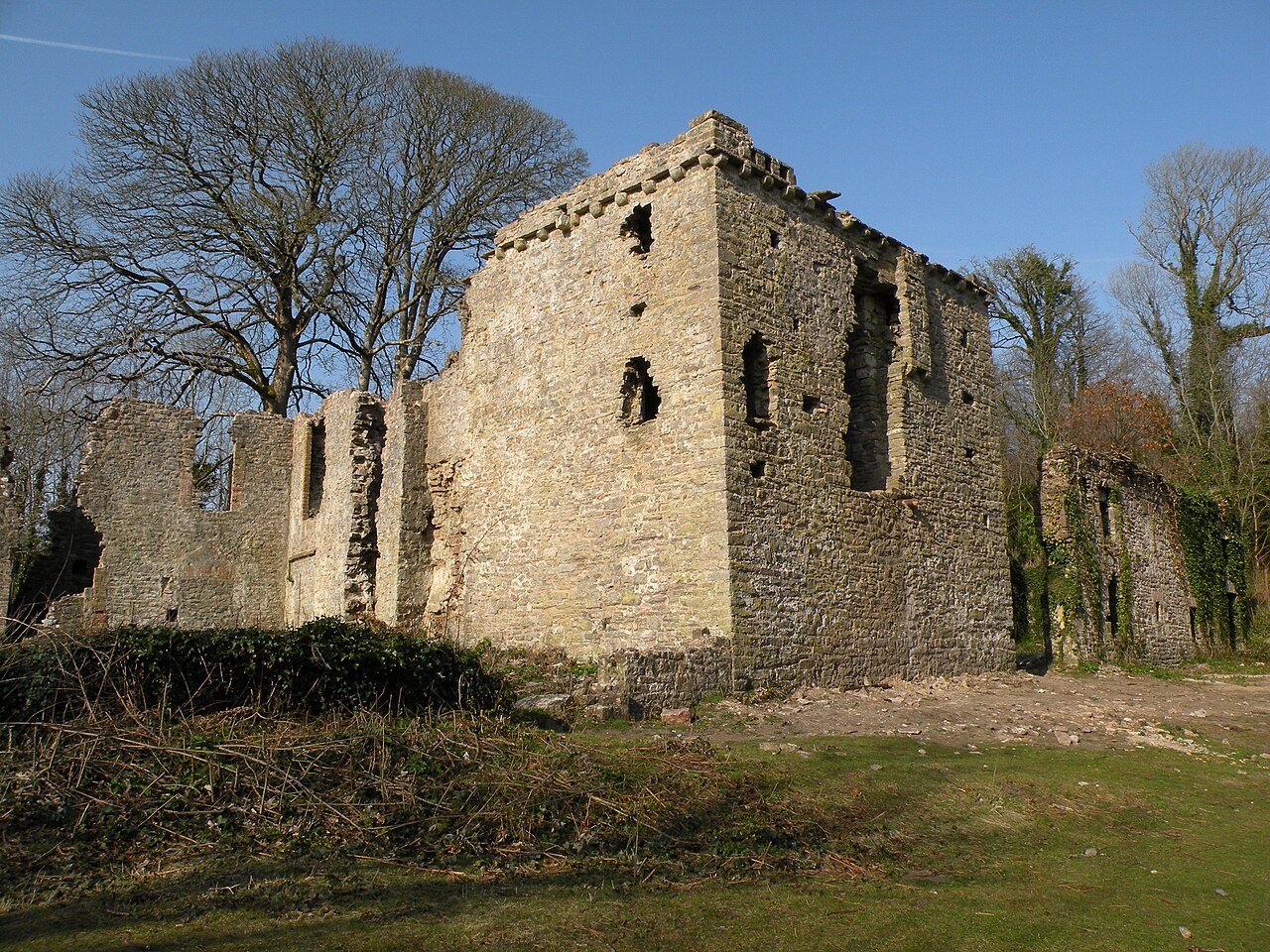
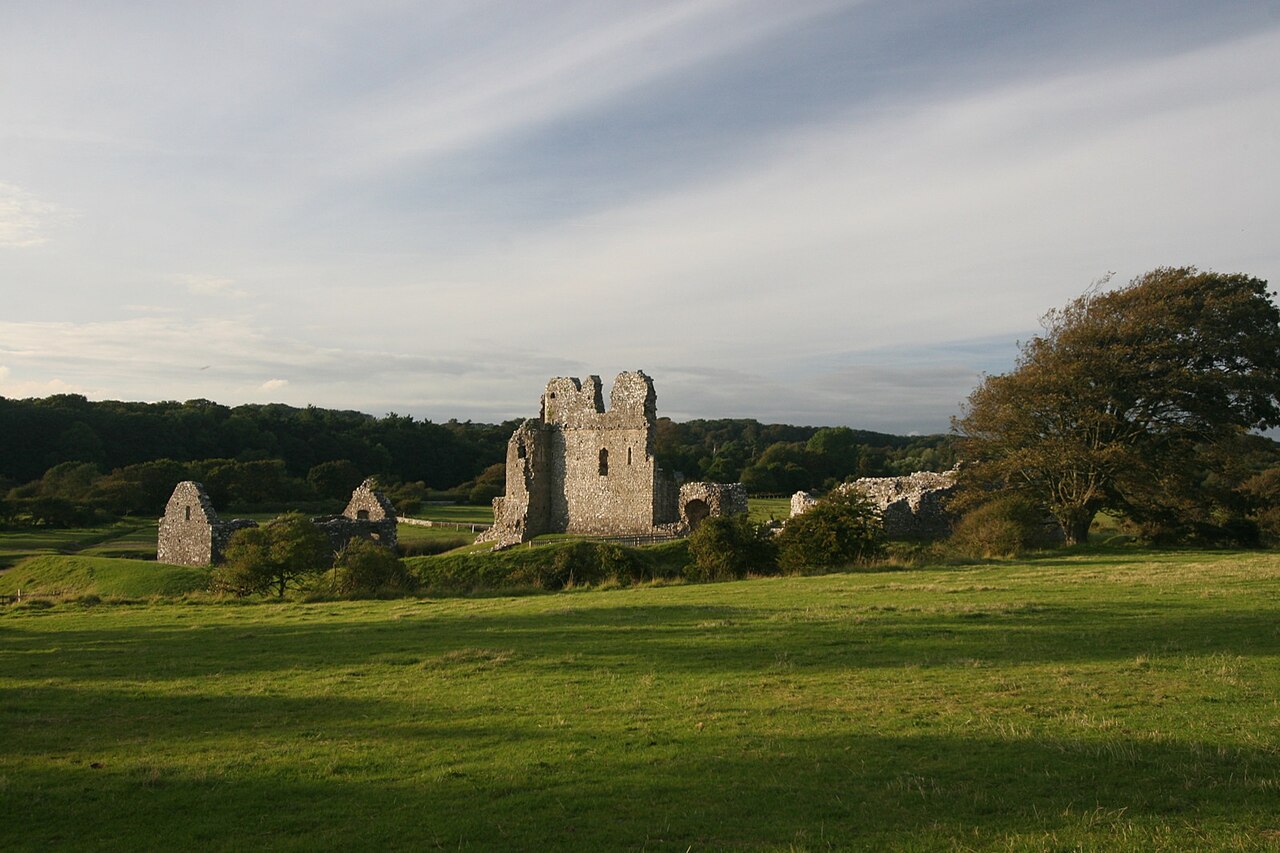
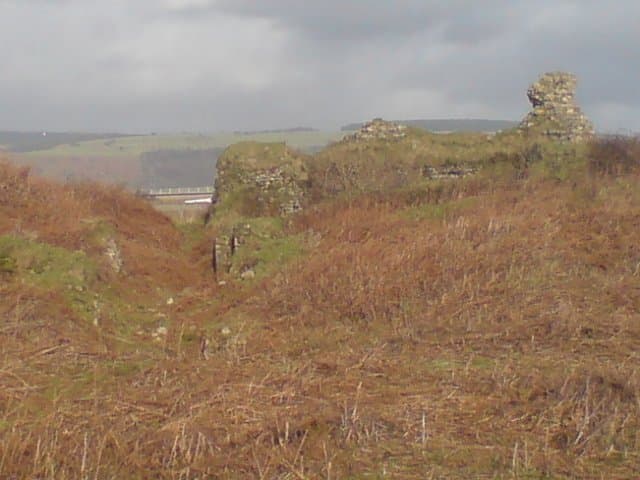
Today, Kenfig Castle remains as archaeological ruins, with only fragments of its original structure visible above ground. The site is of considerable historical interest, offering insights into Norman military architecture and medieval life in Wales. The ruins are protected as a scheduled ancient monument, and ongoing archaeological work continues to uncover details about its construction and occupation.
Visiting Kenfig Castle
The castle site is accessible to the public and is managed to preserve its archaeological significance. Visitors can explore the remains and enjoy the surrounding landscape, which includes the nearby Kenfig National Nature Reserve. The reserve provides a unique environment of sand dunes and wildlife, complementing the historical experience of the castle ruins.
Interpretive signage at the site helps visitors understand the castle's history and the challenges posed by the natural environment. The location offers a glimpse into the medieval past of Wales and the enduring legacy of Norman fortifications in the region.
Frequently asked questions (FAQ)
- When was Kenfig Castle built and by whom?
- Kenfig Castle was built in the 12th century by the Anglo-Normans following their invasion of Wales in the late 11th century to secure their control over the region.
- What type of castle is Kenfig Castle?
- Kenfig Castle is a motte-and-bailey castle, a common Norman design featuring a raised earthwork mound (motte) and an enclosed courtyard (bailey).
- Why is Kenfig Castle in ruins today?
- The castle fell into decline by the 14th century due to the encroachment of sand dunes from the nearby coastline, which eventually engulfed the site and surrounding lands.
- Can visitors access Kenfig Castle?
- Yes, the castle ruins are open to the public and managed by a local heritage trust. Visitors can explore the site and enjoy the nearby Kenfig National Nature Reserve.
- What historical significance does Kenfig Castle hold?
- Kenfig Castle was an important defensive stronghold for the Normans in South Wales and played a key role in controlling the region during the High Medieval period.
Photo gallery

Information
Current owner
Local heritage trust
Loading map...
Visitor reviews
No reviews yet. Been here? Write the first review and help other travelers!
Write the first reviewVisited this castle? Share your experience
Your review helps other travelers and adds first-hand knowledge to our encyclopedia.