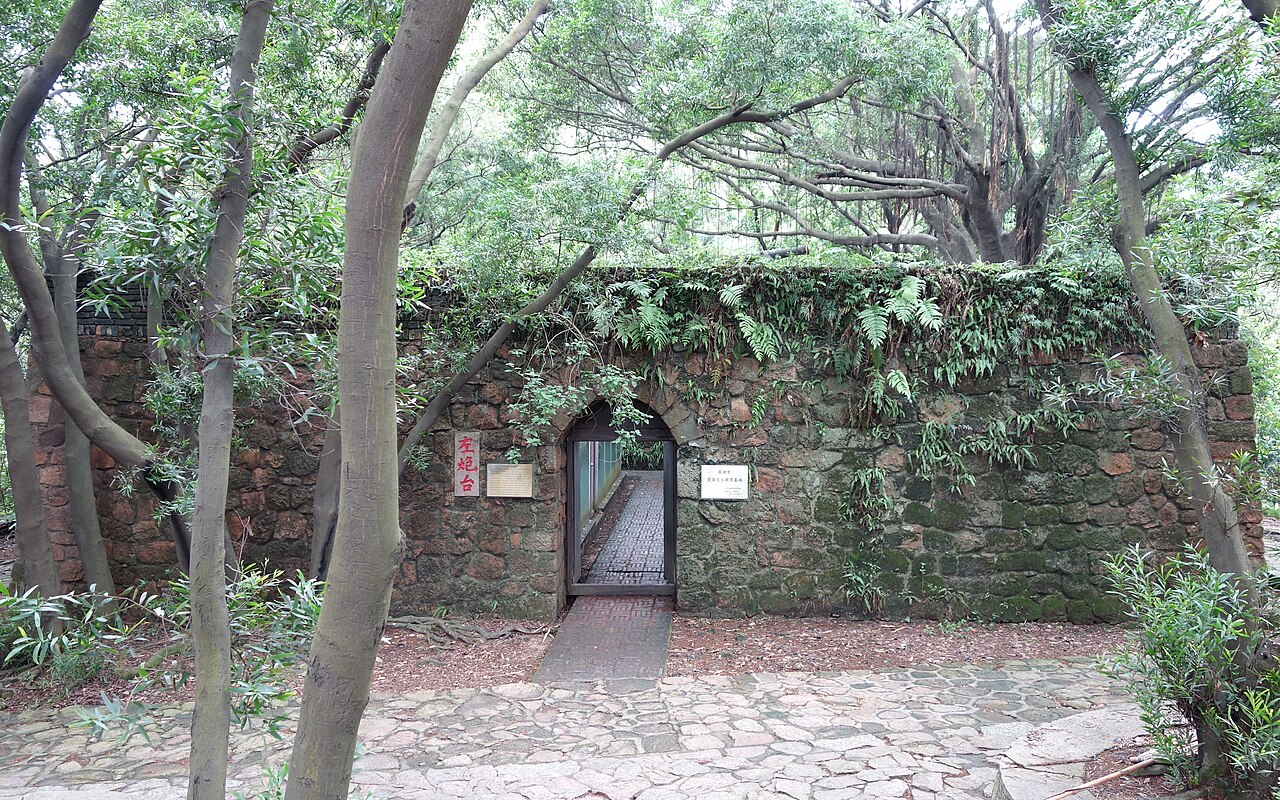
Kat Hing Wai — China castle

Kat Hing Wai

Kat Hing Wai walled village in Hong Kong
Yuen Long, China
Late Medieval (14th–15th c.)
Well Preserved

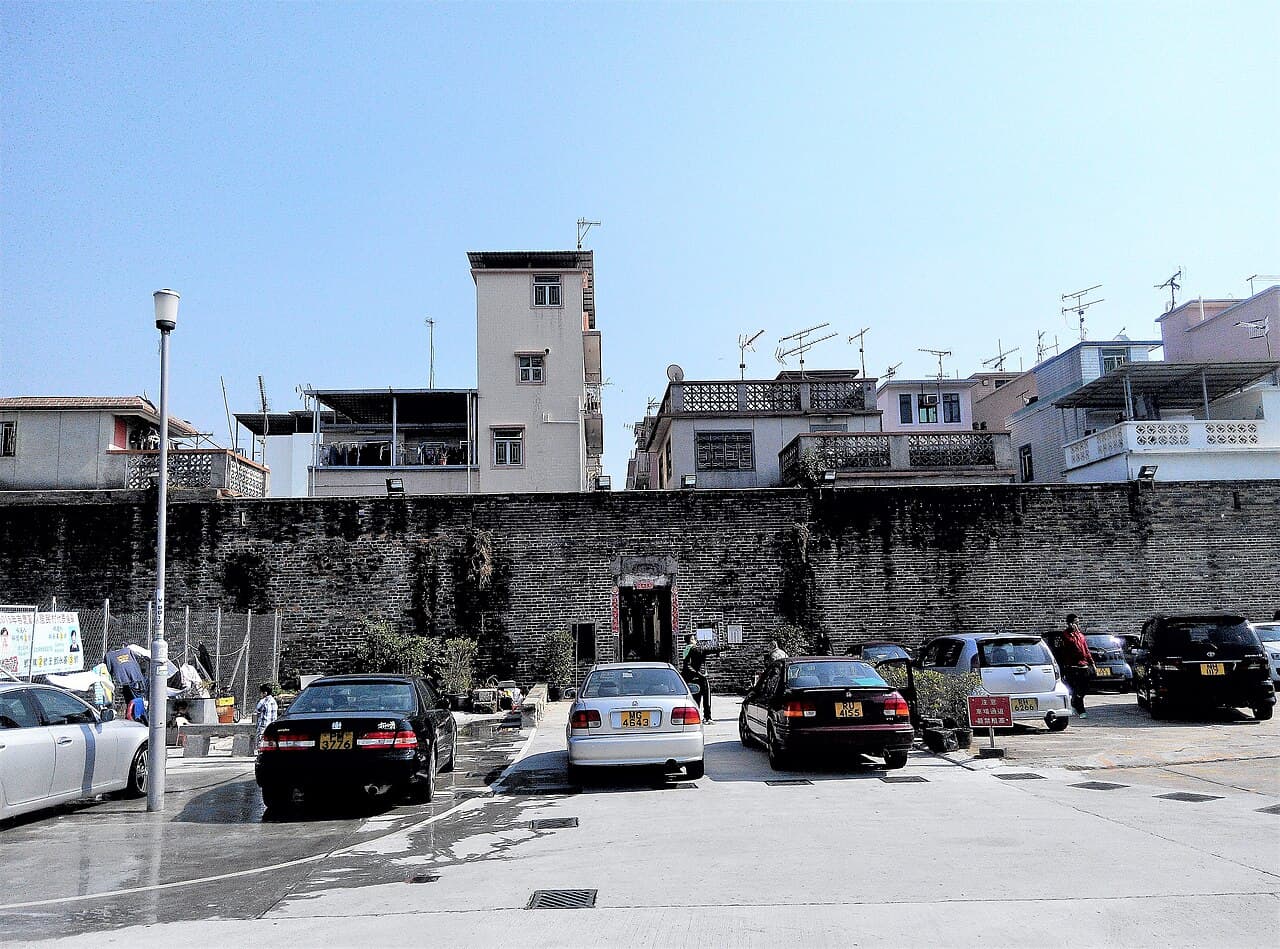
Kat Hing Wai (Chinese: 吉慶圍) is a historically significant Punti walled village located in the Yuen Long District of Hong Kong. Often referred to as Kam Tin, after the surrounding area, this village is notable for its well-preserved 17th-century defensive walls that enclose the community. Kat Hing Wai is inhabited by approximately 400 descendants of the Tang Clan, one of the "Five Great Clans" who played a pivotal role in the early settlement and development of the region. The Tang Clan originally migrated from Southern China during the Song dynasty, establishing themselves as the first Punti people to settle in what is now Hong Kong.

Historical background and clan heritage

The Tang Clan's settlement in Kat Hing Wai reflects the broader migration patterns of the Song dynasty era, when clans from the south of China moved into the fertile lands of the New Territories. The clan's influence is deeply embedded in the village's culture and architecture, reflecting centuries of continuity. The residents maintain their cultural identity through the use of the Weitou dialect, a variant of the Yue dialect, which connects them linguistically to their ancestral roots.

Architectural features and village fortifications

The defining characteristic of Kat Hing Wai is its enclosing wall, constructed in the 17th century as a defense against bandits and rival clans. The wall is made of grey bricks and is roughly 7 meters high, encircling the entire village in a rectangular layout. Originally, the village featured four watchtowers at each corner, designed to provide vantage points for surveillance and defense. Although some of these towers have been lost or altered over time, the wall itself remains largely intact, preserving the village's fortified character.

The village gate, a significant architectural element, is centrally located on the southern wall and is equipped with a traditional iron gate that could be closed to protect the inhabitants. Inside the walls, the village layout is organized with narrow streets and densely packed houses, reflecting traditional southern Chinese village planning. The buildings themselves are primarily constructed from grey bricks and timber, typical of the period and region.

Comparison with nearby walled villages

Kat Hing Wai is part of a cluster of walled villages in the Kam Tin area, including Wing Lung Wai, Tai Hong Wai, and Kam Hing Wai. These villages share similar defensive features and were built around the same time, illustrating a common architectural and cultural response to the social and security challenges of the era.

Cultural significance and preservation

Kat Hing Wai stands as a rare example of a well-preserved walled village in Hong Kong, offering valuable insights into the life and defense strategies of the Punti people in the early modern period. The village is a living community that continues to uphold traditional customs and festivals associated with the Tang Clan heritage. Efforts have been made to maintain the structural integrity of the walls and gates, ensuring that this cultural landmark remains accessible for educational and tourism purposes.

Visitor experience and accessibility

Visitors to Kat Hing Wai can explore the village walls, gatehouse, and the traditional village houses within. The village provides a unique glimpse into the architectural and social history of Hong Kong's rural past. While the village is primarily residential, guided tours and informational signage help contextualize the historical importance of the site. Kat Hing Wai is accessible from the urban centers of Hong Kong, making it a popular destination for those interested in heritage and traditional Chinese architecture.

Legacy of the Tang Clan and ongoing community life

The Tang Clan's legacy in Kat Hing Wai extends beyond the physical structures to include a rich oral history and cultural traditions that have been passed down through generations. The clan's resilience in maintaining their ancestral village amid urban development pressures highlights the importance of heritage conservation in Hong Kong. Kat Hing Wai remains a vibrant community where historical identity and modern life coexist.

Frequently asked questions (FAQ)

How do I get to Kat Hing Wai Castle?
Kat Hing Wai Castle is located in Yuen Long, Hong Kong, and can be easily accessed via public transportation. The MTR Yuen Long Station is the nearest station, and from there, you can take a bus or taxi to the castle.
What is the historical significance of Kat Hing Wai?
Kat Hing Wai is a well-preserved example of a traditional walled village in Hong Kong, dating back to the 19th century. It serves as a symbol of the Hakka heritage and reflects the architectural and cultural history of the region.
When was Kat Hing Wai Castle built?
The original structures of Kat Hing Wai were built in 1848, serving as a fortified residence for the Tang clan. Over the years, the castle has undergone several renovations, but it retains much of its historical charm.
Can I take photographs inside the castle?
Yes, visitors are allowed to take photographs inside Kat Hing Wai Castle, but it is important to be respectful of the historical artifacts and the privacy of residents. Always check for any specific rules regarding photography upon arrival.
Why is Kat Hing Wai Castle important for architecture lovers?
The castle showcases traditional Hakka architectural styles, featuring defensive walls, watchtowers, and intricately designed doorways. Its unique design and construction techniques provide insight into the living conditions and defensive strategies of the past.
Is it possible to visit Kat Hing Wai Castle year-round?
Yes, Kat Hing Wai Castle is open to visitors throughout the year. However, it is advisable to check specific opening hours and any special events that may affect accessibility before planning your visit.
What are the opening hours for Kat Hing Wai Castle?
Kat Hing Wai Castle typically opens from 9 AM to 5 PM, but hours may vary on public holidays. It is best to verify the current hours on the official website or contact local tourism offices before your visit.
What are the ticket prices for visiting Kat Hing Wai?
Entry to Kat Hing Wai Castle is usually free, but donations are welcomed to help maintain the site. Check for any guided tour fees if you wish to gain more in-depth knowledge during your visit.
What are some nearby attractions to visit around Kat Hing Wai?
Nearby attractions include the Yuen Long Old Town, with its traditional markets and local eateries, as well as the Hong Kong Wetland Park, which offers a beautiful natural setting. Exploring these sites can enhance your experience of the area.

Photo gallery

Kat Hing Wai
Click to view

Photo by Chong Fat•CC BY-SA 3.0

1 photo • Click any image to view in full screen

Information

Hill Castle

Loading map...

Visitor reviews

No reviews yet. Been here? Write the first review and help other travelers!

Write the first review

Visited this castle? Share your experience

Your review helps other travelers and adds first-hand knowledge to our encyclopedia.
Write a review

(5/5)

0/2000 characters

Your review will be visible after admin approval

Nearby castles

11 km
Shing Mun Redoubt — China castle

Shing Mun Redoubt

Hong Kong, China

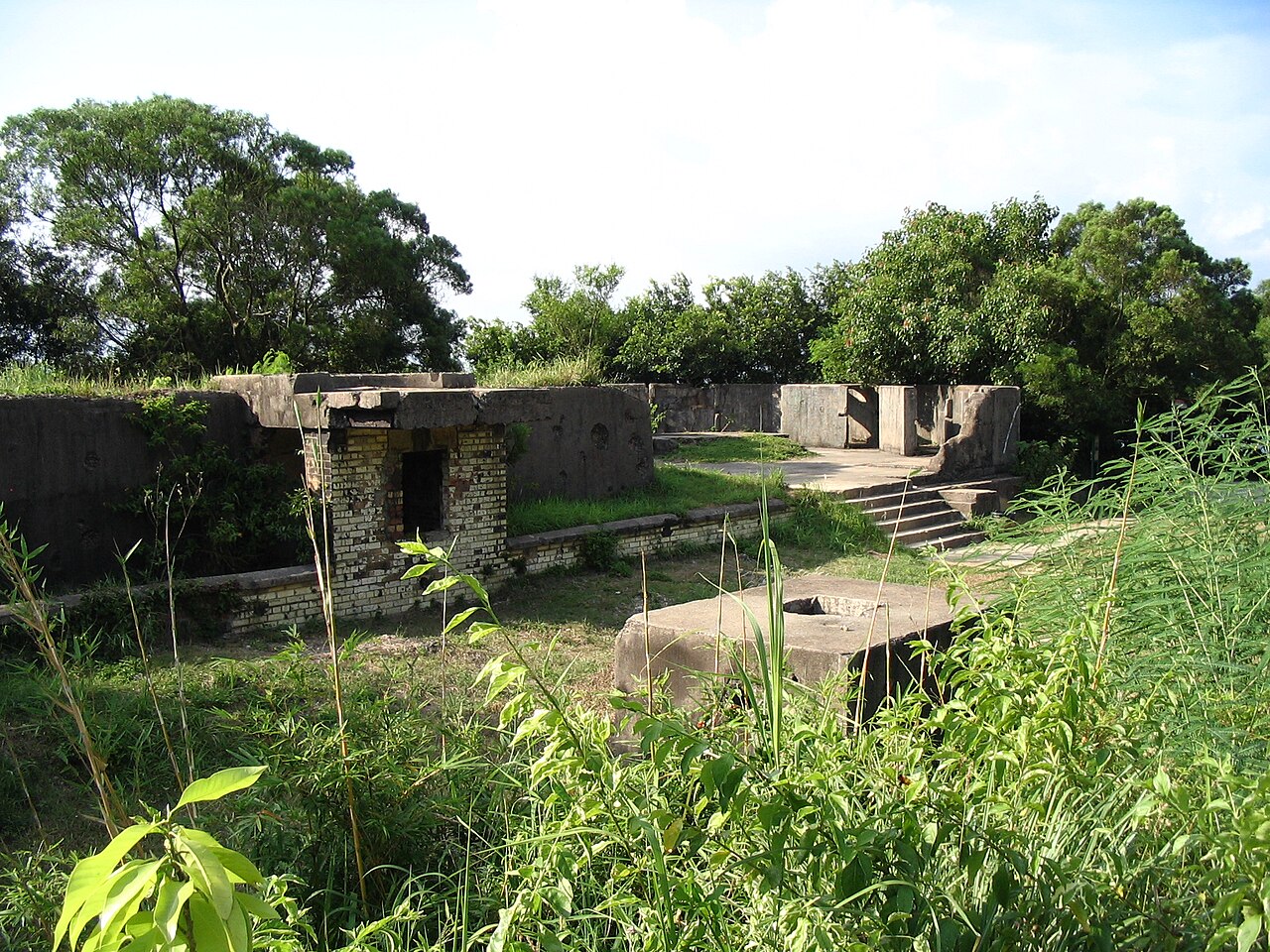
The Shing Mun Redoubt is a significant bastioned fortress located in the Shing Mun area of Hong Kong. Constructed during the early 20th century, it was part of a network of military defenses designed to protect the region during the turbulent years leading up to and including World War II. Historical context and strategic importance Shing Mun Redoubt was built as a response to increasing military threats in the region. Its primary role was to serve as a fortified defensive position guarding the vital Shing Mun Reservoir and the surrounding area. The fortress was strategically positioned on a hilltop, providing commanding views over the Shing Mun Valley and key access routes, enabling effective surveillance and defense against potential invasions. The fortress was part of the broader British colonial military infrastructure in Hong Kong, reflecting the geopolitical tensions of the early 20th century. It played a role during the Battle of Hong Kong in 1941, where Japanese forces attacked the territory. Although the fortress was heavily fortified, it was eventually overcome during the battle, marking a significant moment in Hong Kong's wartime history. Architectural features and design Shing Mun Redoubt exemplifies the bastioned fortress style, characterized by angular bastions designed to provide overlapping fields of fire and minimize blind spots. The fortress includes thick concrete walls, gun emplacements, and observation posts. The design incorporates multiple defensive layers including ramparts, trenches, and barbed wire fences, which enhanced its defensive capabilities. The fortress layout was adapted to the rugged terrain of the Shing Mun area, with structures built into the hillside to maximize natural protection. The use of reinforced concrete was typical of military architecture of the period, prioritizing durability and resistance to artillery fire. Current condition and preservation Today, Shing Mun Redoubt remains a partially preserved military ruin. While some sections of the fortress have deteriorated due to weathering and vegetation overgrowth, many of its key features, including bastions and gun emplacements, are still visible. The site is accessible to visitors and serves as a historical landmark reflecting Hong Kong's wartime heritage. Efforts have been made to preserve the site as part of Hong Kong's cultural heritage, with informational signage and guided trails available for those interested in military history and architecture. Visiting Shing Mun Redoubt The fortress is located within the Shing Mun Country Park, a popular destination for hikers and history enthusiasts. Visitors can reach the redoubt via several hiking trails that offer scenic views of the surrounding landscape. The site provides a unique opportunity to explore an early 20th-century military fortification in a natural setting. While there are no entry fees, visitors should prepare for uneven terrain and limited facilities. The best time to visit is during the cooler months, avoiding the hot and humid summer season typical of Hong Kong.

Post-Renaissance (17th–18th c.)
Details
18.6 km
Chiwan Left Fort — China castle

Chiwan Left Fort

, China

Chiwan Left Fort is a significant example of a bastioned fortress located in China, designed primarily for coastal defense. Its strategic position along the coastline enabled it to serve as a military stronghold protecting the surrounding region from naval threats. This fortification exemplifies the integration of traditional Chinese military architecture with Western bastion design principles, which were adopted to improve defense capabilities against artillery attacks. Historical context and strategic importance The construction of Chiwan Left Fort dates back to a period when coastal defense was critical due to increasing foreign naval incursions and piracy. The fort was part of a broader network of fortifications established to safeguard key maritime routes and ports. Its location was carefully chosen to command views of the adjacent waters, allowing early detection of enemy ships and providing a platform for artillery deployment. Role in regional defense Throughout its operational history, Chiwan Left Fort played a crucial role in regional military defense. The fort's bastioned design allowed defenders to cover all approaches with overlapping fields of fire, significantly enhancing its defensive effectiveness. This design was particularly important during the 19th century, when advances in artillery technology necessitated stronger, more resilient fortifications. Architectural features and design The fort's architecture reflects the principles of bastioned fortification, characterized by angular bastions projecting outward from the main walls. These bastions enabled defenders to fire upon attackers from multiple angles and minimized blind spots. The walls were constructed using robust materials capable of withstanding cannon fire, and the layout included ramparts, moats, and gun emplacements. Integration of Chinese and Western military architecture Chiwan Left Fort illustrates a fusion of traditional Chinese defensive elements with Western bastion fort design. While the underlying concept of bastioned defense originated in Europe during the Renaissance, Chinese military engineers adapted these ideas to local conditions and construction techniques. This hybrid approach is evident in the fort's structural details and spatial organization. Preservation and current condition Today, Chiwan Left Fort stands as a partially preserved military heritage site. Although some sections have suffered damage or degradation over time, efforts have been made to maintain and restore key features to allow public access and education. The fort serves as a tangible reminder of the region's military history and the evolution of coastal fortifications in China. Visitor experience Visitors to Chiwan Left Fort can explore the remaining bastions, walls, and artillery positions, gaining insight into the strategic design and historical context of the fortress. Interpretive signage and guided tours provide additional information about the fort's role in maritime defense and its architectural significance. Significance in military architecture Chiwan Left Fort represents an important example of bastioned fortress design in East Asia, demonstrating the adaptation of European military engineering concepts to Chinese defensive needs. Its preservation contributes to the understanding of cross-cultural influences in fortification design and the historical challenges of coastal defense.

Details
19.5 km
Pinewood Battery — China castle

Pinewood Battery

, China

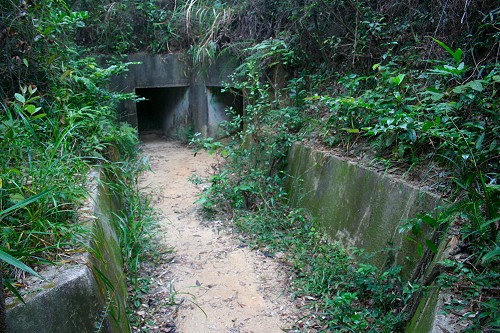
Pinewood Battery is a significant 20th-century bastioned fortress located on Hong Kong Island, within the boundaries of Lung Fu Shan Country Park. Situated at an elevation of 307 metres (1,007 feet) above sea level, it occupies a strategic position in the northwestern part of the island, offering commanding views over the surrounding landscape and the approaches to Victoria Harbour. Historical context and military significance The battery was constructed during the early 20th century as part of the British colonial defense system for Hong Kong. Its primary role was to protect the island and its vital harbor from potential naval threats. The fortification reflects the military engineering principles of its time, designed to mount coastal artillery pieces capable of engaging enemy ships approaching the harbor. During its operational period, Pinewood Battery was an integral component of Hong Kong's layered defense network. It was equipped with heavy guns positioned within fortified bastions that allowed for overlapping fields of fire, enhancing the fortress's ability to repel attacks. The site also included supporting facilities such as ammunition magazines, observation posts, and barracks for the garrison. Architectural features and layout The design of Pinewood Battery exemplifies the bastioned fortress typology, characterized by angular defensive walls projecting outward to cover adjacent walls with gunfire. The battery's layout is adapted to the rugged terrain of the hillside, with terraced platforms accommodating the artillery pieces and allowing for optimal firing arcs. Key architectural elements include the robust concrete gun emplacements, protective parapets, and interconnected underground passages that provided safe movement for personnel and munitions. The site’s construction utilized reinforced concrete, a modern material at the time, reflecting advancements in military fortification techniques. Defensive structures The bastions are reinforced with thick walls designed to withstand bombardment, and the positioning of the guns allowed for both direct and indirect fire. Observation posts were strategically placed to monitor enemy movements and coordinate defensive actions. The battery’s elevated position gave it a tactical advantage, enabling early detection of approaching vessels. Post-military use and preservation Following its decommissioning, Pinewood Battery was incorporated into Lung Fu Shan Country Park, preserving the site as a historical landmark. It is now accessible to the public, serving as a cultural heritage site that offers insight into Hong Kong's military past. Visitors can explore the remains of the gun emplacements, defensive walls, and other structures, which remain in a partially preserved state. The site provides educational opportunities about early 20th-century military architecture and the strategic importance of Hong Kong in regional defense. Efforts have been made to maintain the battery's structural integrity while allowing for safe public access. Visiting Pinewood Battery Visitors to Pinewood Battery can enjoy panoramic views of Hong Kong Island and the surrounding waters. The site is accessible via hiking trails within Lung Fu Shan Country Park, making it a popular destination for history enthusiasts and nature lovers alike. Interpretive signage at the site helps contextualize the battery’s historical and architectural significance. Accessibility and visitor information The battery is open year-round, though access is primarily by foot through the country park’s trail network. Visitors are advised to wear appropriate footwear and bring water, as the terrain can be uneven. There is no entrance fee, making it an accessible historical attraction for both locals and tourists. Significance in Hong Kong’s heritage Pinewood Battery stands as a rare example of early 20th-century coastal defense fortifications in Hong Kong. Its preservation allows for a tangible connection to the military history of the region and the strategic considerations that shaped Hong Kong’s development as a major port city. The battery’s integration into a natural park setting also highlights the balance between heritage conservation and environmental preservation.

Contemporary (20th–21st c.)
Details