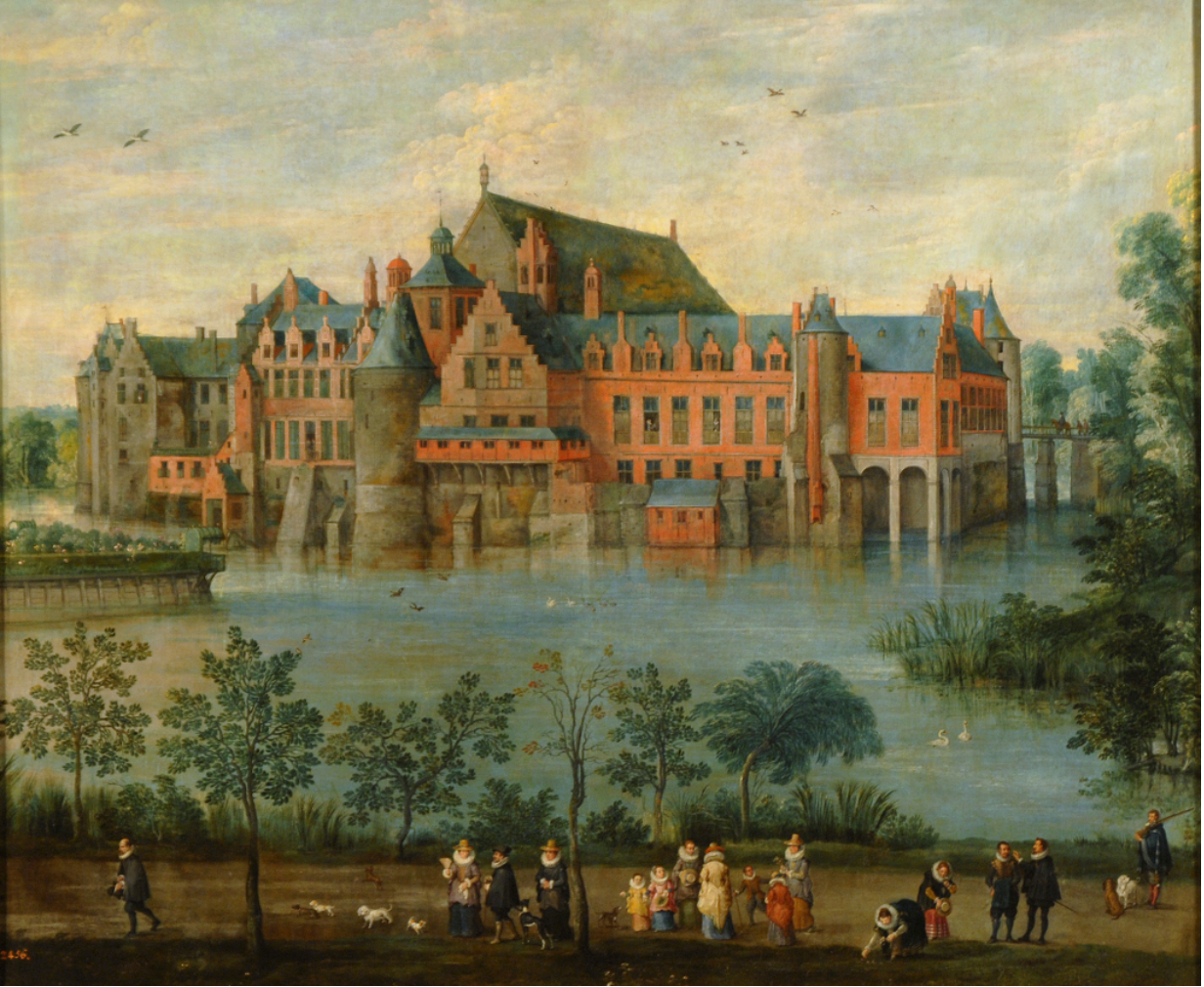
Kasteel van Arenberg
Kasteel van Arenberg stands as a remarkable example of Flemish chateau architecture nestled in Heverlee, Belgium. This historic castle's origins trace back to the 12th century, when the original fortress was constructed by the lords of Heverlee. Although the initial medieval castle was sold in 1445 to the influential Croy family, its legacy was transformed under their stewardship into the present-day chateau renowned for its architectural grandeur and historical significance.
The evolution from medieval fortress to Renaissance chateau
The original castle built by the lords of Heverlee served as a medieval stronghold typical of the High to Late Medieval period. However, after the estate was acquired by the Croy family in the mid-15th century, a significant transformation began. In 1455, Antoon van Croy undertook the demolition of the medieval structure, initiating construction of the new chateau that would reflect the changing tastes and defensive needs of the era.
The building project extended over several decades, culminating in 1515 under the direction of Willem van Croy. This period marked the transition from purely defensive castles to more comfortable and prestigious residences, blending fortification with elegant living spaces. Willem van Croy also enhanced the estate's spiritual stature by founding a Benedictine Celestine monastery on the grounds, reflecting the intertwined nature of noble power and religious patronage during the Late Medieval period.
Architectural features and stylistic influences
Flemish tradition and materials
The architectural style of Kasteel van Arenberg is predominantly Flemish, characterized by the use of brick walls combined with sandstone window frames. This combination is typical of the region and period, providing both durability and aesthetic appeal. The chateau's layout includes a central courtyard, surrounded by buildings that incorporate defensive elements such as thick walls and narrow windows, yet also display ornamental details indicative of evolving tastes.
Gothic, Renaissance, and Neo-Gothic elements
Though the core structure dates from the 15th and early 16th centuries, the castle exhibits a mixture of architectural styles due to subsequent alterations. The original construction bears Gothic hallmarks, including pointed arches and vaulted ceilings in some chambers. Renaissance influences are evident in the symmetry and proportion of the facades, as well as in decorative motifs that emphasize classical harmony.
Later modifications introduced Neo-Gothic elements, particularly in restoration and renovation efforts during the 19th century. These additions sought to revive medieval Gothic aesthetics, often emphasizing verticality and ornate stonework, thereby enriching the castle's architectural narrative and visual complexity.
Historical significance and ownership
Kasteel van Arenberg has been closely tied to prominent noble families and religious institutions throughout its history. The Croy family's acquisition and redevelopment of the estate signaled their rising influence in the region. The establishment of the Benedictine Celestine monastery on the grounds also highlights the castle's role as a center of both secular and spiritual power.
Over the centuries, the castle has witnessed various historical events and shifts in ownership, reflecting broader social and political changes in Belgium and the Low Countries. Its preservation today offers valuable insights into the architectural and cultural evolution from medieval fortifications to Renaissance chateaux and beyond.
Preservation and current status
Currently, Kasteel van Arenberg is recognized for its well-preserved state, allowing visitors and scholars to appreciate its layered architectural styles and historical context. The castle remains a significant heritage site within the Flemish Brabant region, contributing to the cultural landscape of Heverlee and attracting interest for its blend of medieval and renaissance architectural features.
While the castle has undergone various restorations, these have been carried out with respect to its original design and materials, ensuring the integrity of its historic fabric. The presence of the former monastery site adds an additional dimension to the estate, enriching its appeal as a multifaceted historical monument.
Visiting kasteel van arenberg
Visitors to Kasteel van Arenberg can explore its impressive exterior and surrounding grounds, which showcase the castle's strategic placement and architectural grandeur. Although access to the interior may be limited depending on current use and preservation efforts, the castle's exterior and the nearby historical sites offer a compelling glimpse into Belgium's noble past.
The castle's location in Heverlee makes it accessible from the nearby city of Leuven, a hub of cultural and historical tourism. Visitors are encouraged to explore the broader region, which includes other castles, religious sites, and natural landscapes that together paint a rich picture of Flemish history.
Frequently asked questions about kasteel van arenberg
- When was kasteel van arenberg built? Construction of the current chateau began in 1455 and was completed in 1515, replacing an earlier 12th-century castle.
- What architectural styles are visible at the castle? The castle features a blend of Gothic, Renaissance, and Neo-Gothic architectural elements, reflecting its long construction and renovation history.
- Is the castle open to the public? Public access may be limited; visitors should check local tourism resources for current visiting hours and tours.
- Where is kasteel van arenberg located? It is located in Heverlee, near the city of Leuven in the Flemish Brabant region of Belgium.
- What is the significance of the Benedictine Celestine monastery? Founded by Willem van Croy, the monastery underscores the castle's role in religious patronage during the Late Medieval period.
Frequently asked questions (FAQ)
- How do I get to Kasteel van Arenberg?
- Kasteel van Arenberg is located in Heverlee, Belgium, and is easily accessible by public transportation. You can take a train to Leuven and then a local bus or taxi to reach the castle. If driving, there is parking available near the site.
- What is the historical significance of Kasteel van Arenberg?
- Kasteel van Arenberg, originally built in the 15th century, has a rich history tied to the Arenberg family and their contributions to the region. The castle has served various purposes over the centuries, including as a residence and a center for education. Its architecture reflects the evolution of styles from medieval to modern times.
- When was Kasteel van Arenberg built?
- The construction of Kasteel van Arenberg began in the early 15th century, with significant renovations occurring throughout the years. The castle was completed in its current form in the 19th century, showcasing a blend of architectural styles. This makes it a fascinating site for those interested in historical architecture.
- Can I visit Kasteel van Arenberg?
- Yes, Kasteel van Arenberg is open to visitors, allowing you to explore its beautiful grounds and learn about its history. Guided tours are often available, providing insights into the castle's architecture and the lives of its former inhabitants. Be sure to check the official website for specific visiting hours and any special events.
- Why is Kasteel van Arenberg a popular tourist attraction?
- Kasteel van Arenberg is popular due to its stunning architecture and picturesque gardens, making it a perfect spot for photography and leisurely walks. Additionally, its historical significance and connection to the Arenberg family draw history enthusiasts. The castle also hosts cultural events, enhancing its appeal to visitors.
- Is it possible to host events at Kasteel van Arenberg?
- Yes, Kasteel van Arenberg is available for hosting various events, including weddings, conferences, and private gatherings. The castle's enchanting setting provides a unique backdrop for any occasion. It's advisable to contact the castle management for more details on available facilities and booking procedures.
- What are the opening hours for Kasteel van Arenberg?
- Kasteel van Arenberg typically opens to visitors from Tuesday to Sunday, with varying hours depending on the season. It's important to check the official website or contact the castle directly for the most current information on opening hours and any holiday closures. Plan your visit accordingly to make the most of your experience.
- Are there any nearby attractions to Kasteel van Arenberg?
- Yes, there are several nearby attractions worth visiting, including the city of Leuven, known for its vibrant atmosphere and historic architecture. Additionally, the botanical garden and the M-Museum are close by, offering cultural and recreational activities. Exploring these sites can enhance your visit to Kasteel van Arenberg.
- What are the ticket prices for Kasteel van Arenberg?
- Ticket prices for Kasteel van Arenberg vary depending on the type of tour or event you wish to attend. Generally, entrance fees are modest, making it accessible for families and groups. Discounts may be available for students, seniors, or groups, so be sure to inquire when purchasing your tickets.
Information
Website
Visit websiteSources & official resources
Verify the information above using these authoritative references.
Loading map...
Visitor reviews
No reviews yet. Been here? Write the first review and help other travelers!
Write the first reviewVisited this castle? Share your experience
Your review helps other travelers and adds first-hand knowledge to our encyclopedia.